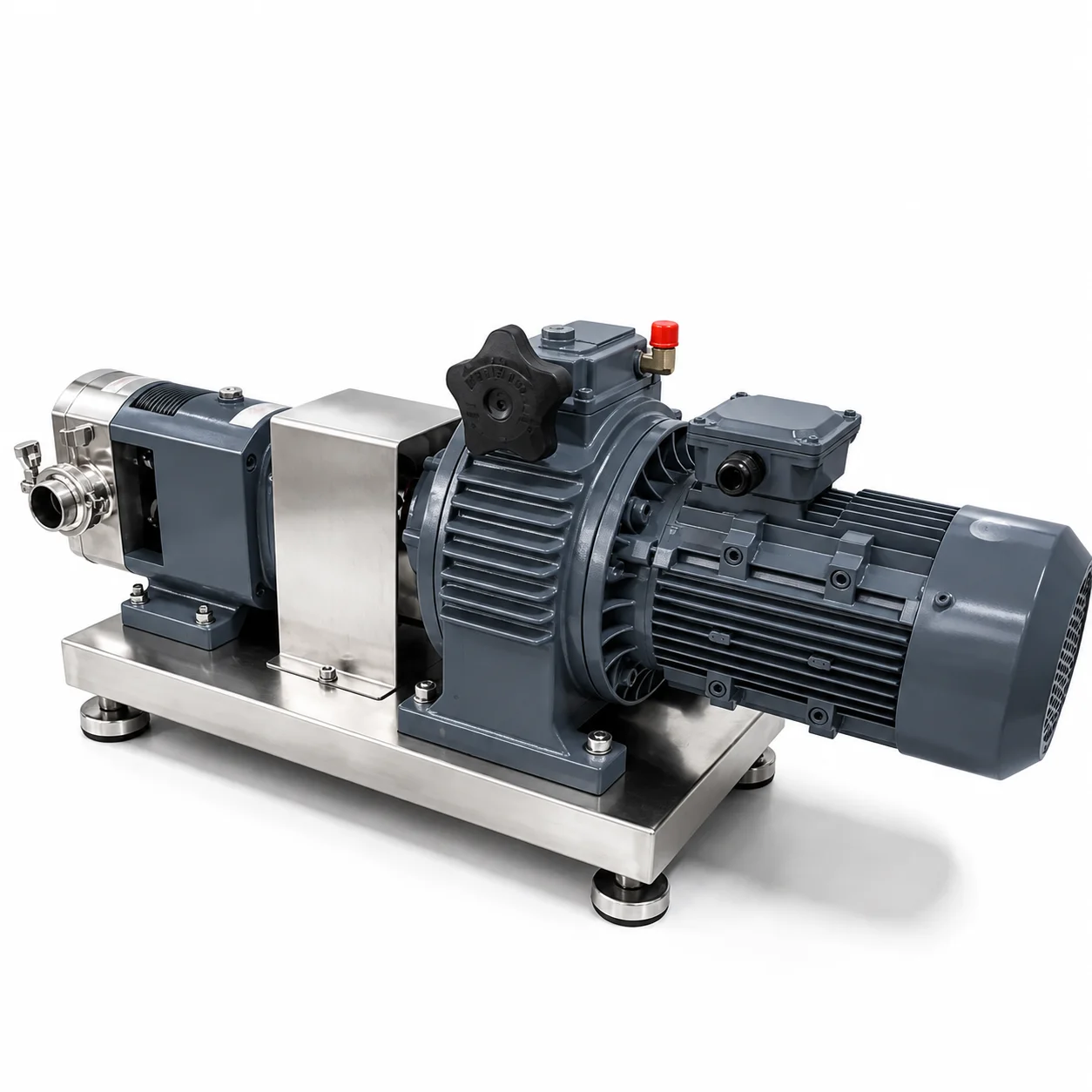
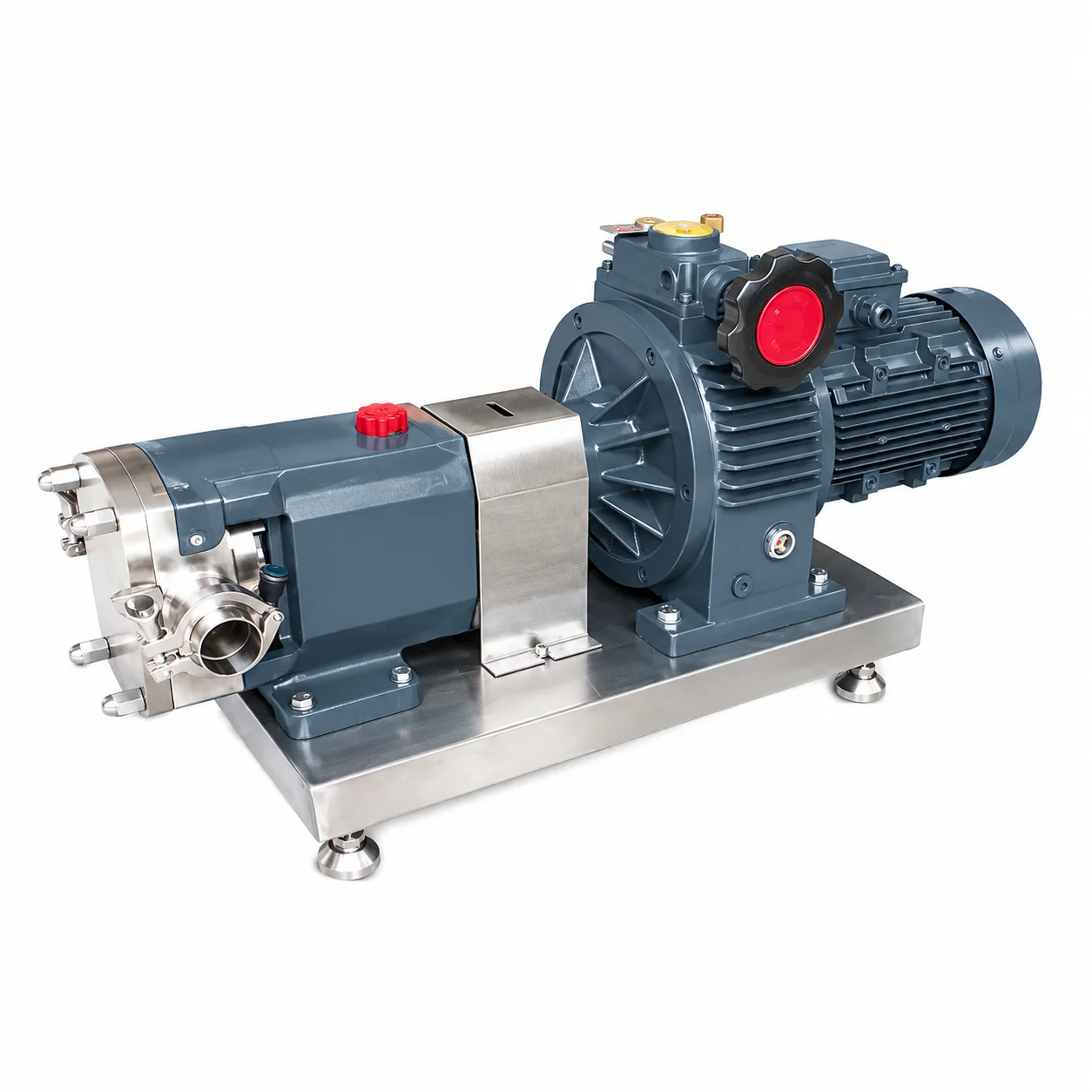
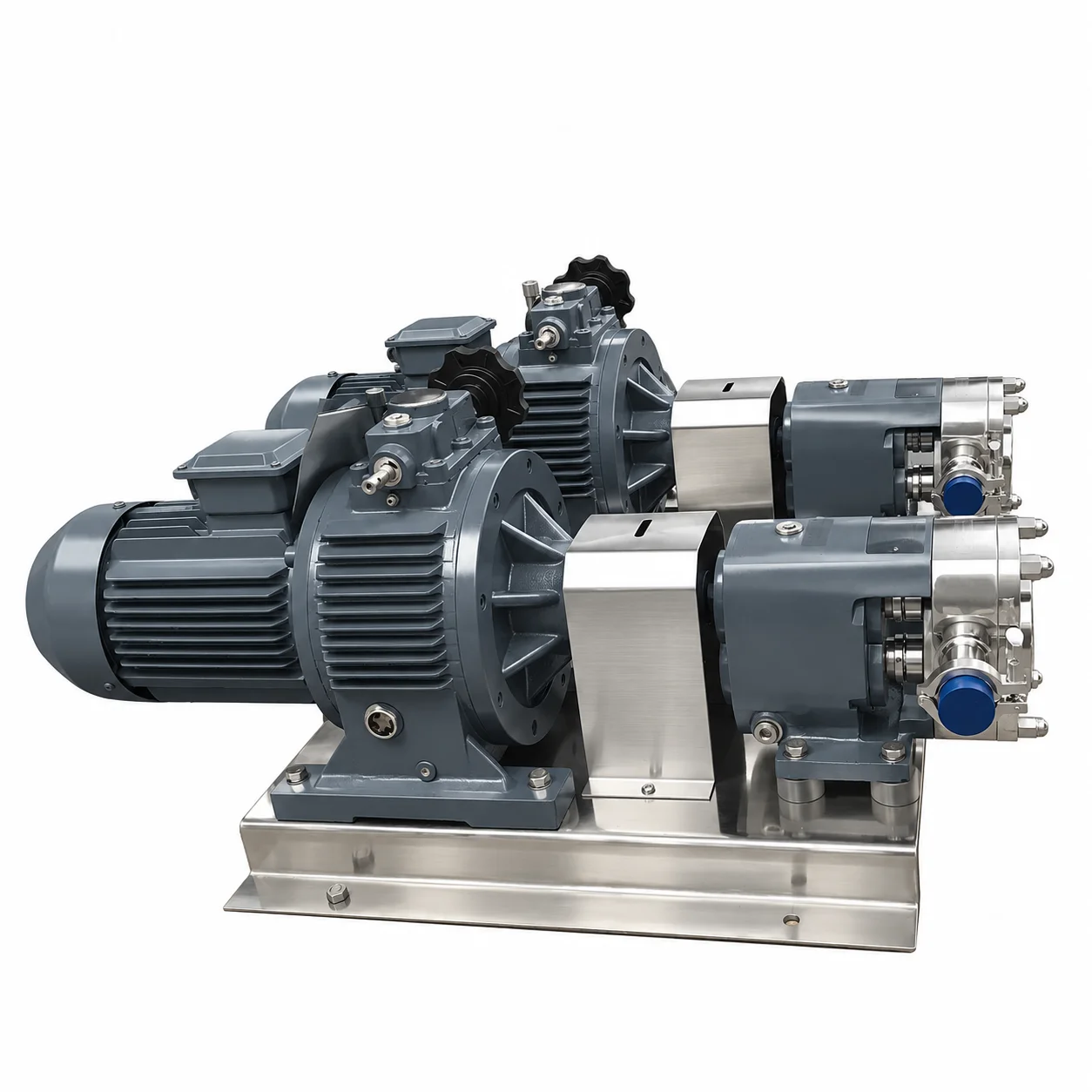
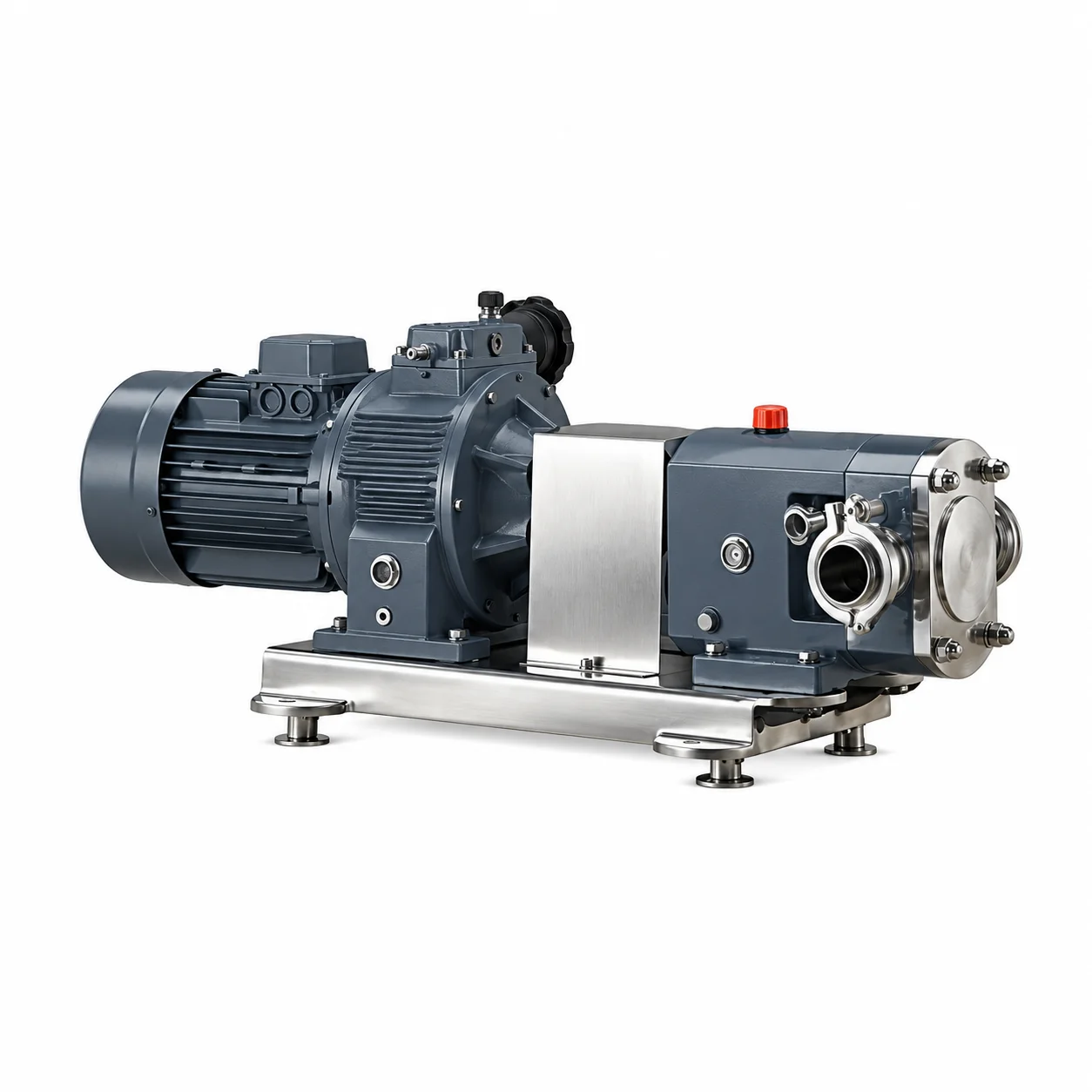
316L Variable-Speed Sanitary Rotary Lobe Pump for Food
$2,571.89 原价为:$2,571.89。$1,765.94当前价格为:$1,765.94。
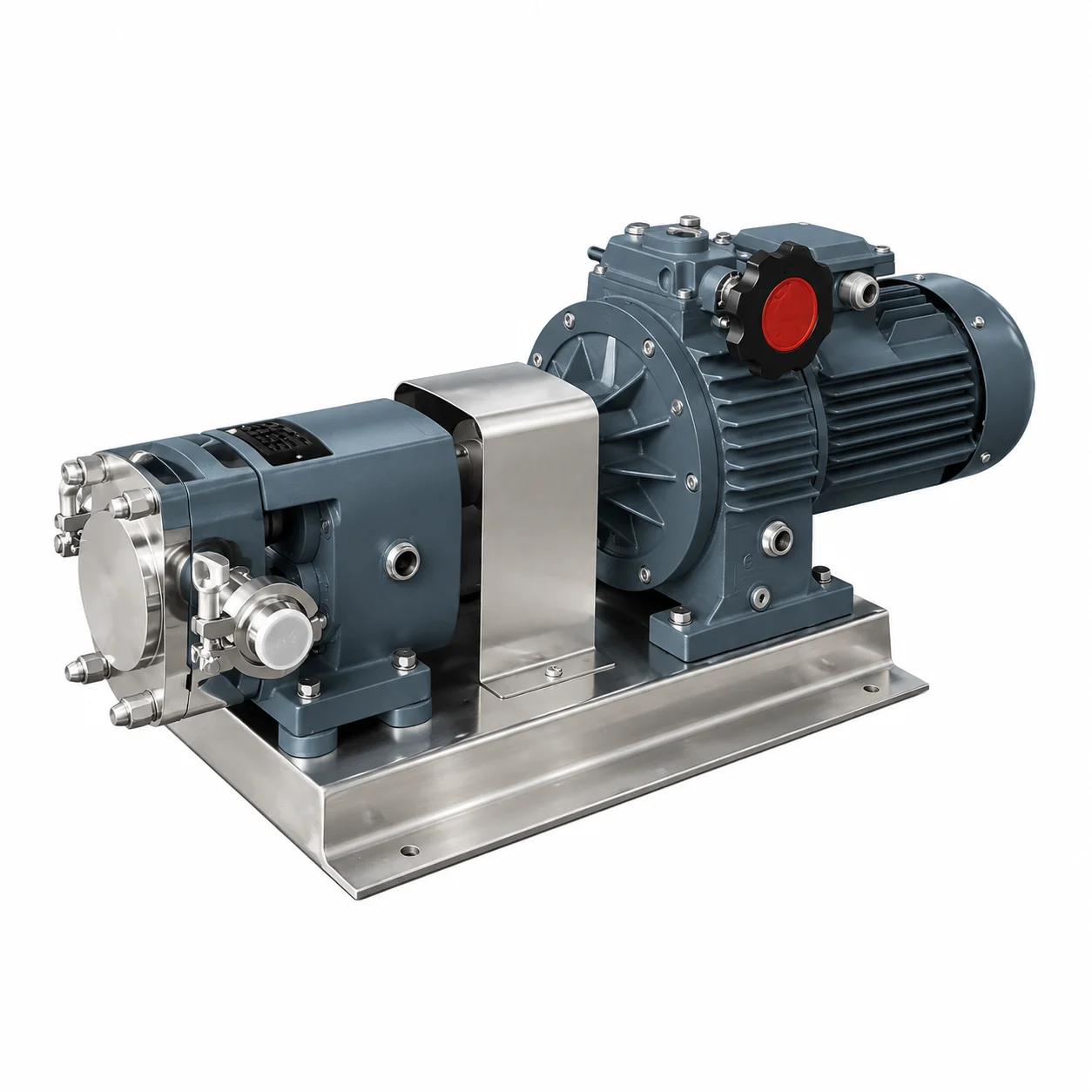
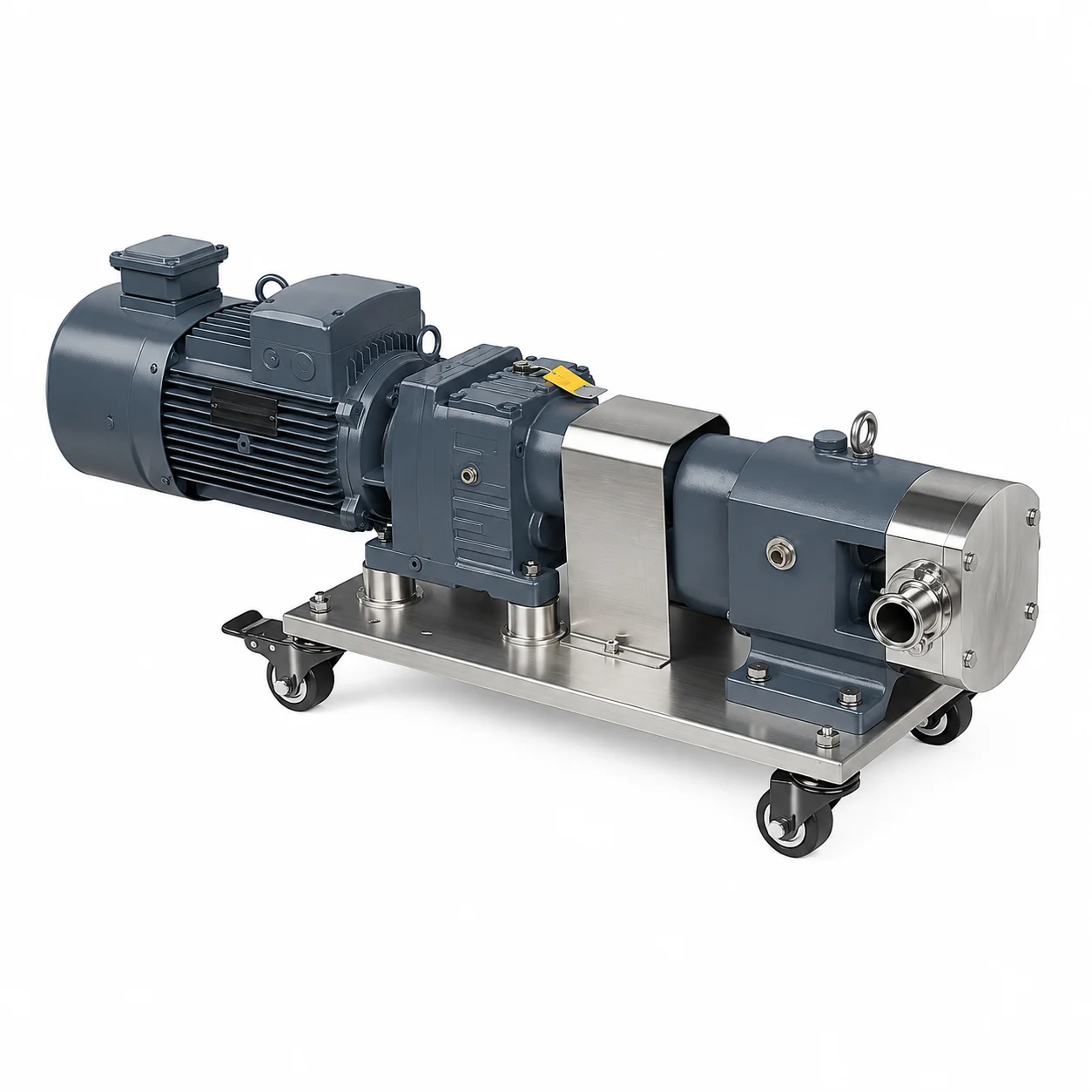
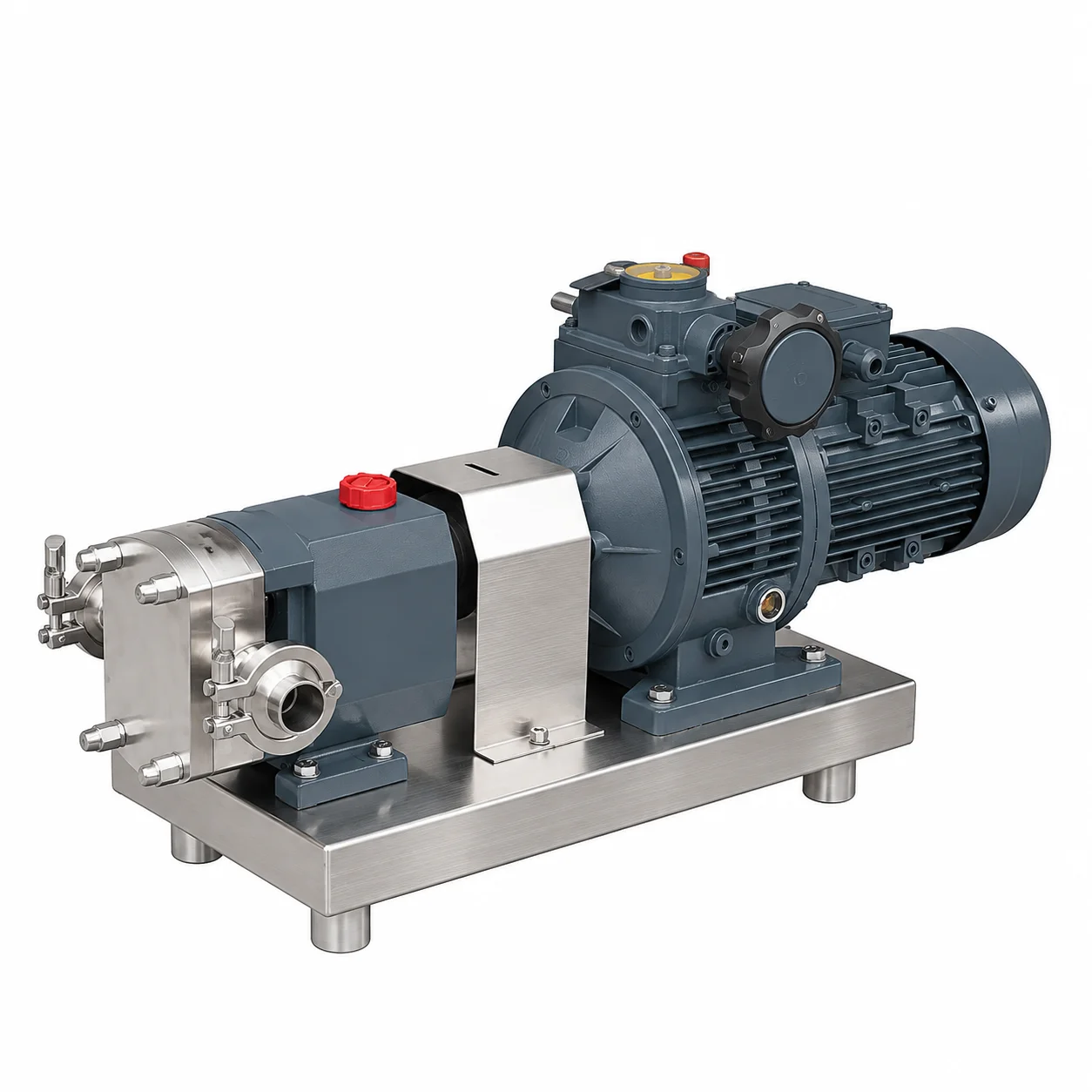
We have a 316L stainless steel sanitary rotary lobe pump that can be adjusted for variable speed and used to transfer jam, meat paste and other similar products.
库存 100 件
Rotor Optional
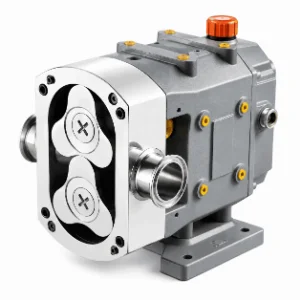
Three-Lobe Rotor
Applicable Liquids:
- Suitable for creams, liquids and sauces with low, medium and high viscosity, uniform texture and no hard granules.
- Example: Chocolate, honey, mashed potatoes and ice cream.
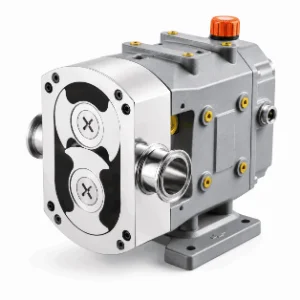
Butterfly Rotor
Applicable Liquids:
- Suitable for shear-free, non-destructive transfer of soft-grained sauces and small-particle materials.
- Example: Jam, pulp, juice, jelly and tomato sauce.
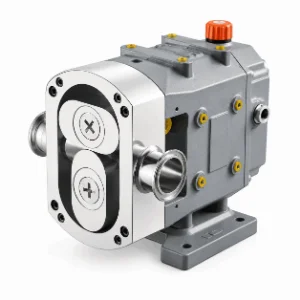
Single-Lobe Rotor
Applicable Liquids:
- Suitable for conveying materials containing larger solid particles while maintaining stable transfer.
- Example: Rock salt, chilli sauce and peanut butter.
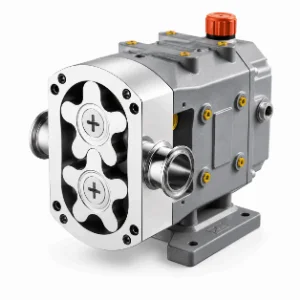
Multi-Lobe Rotor
Applicable Liquids:
- Suitable for creams, liquids and sauces with low, medium and high viscosity where higher output accuracy and smooth flow are required.
- Example: Chocolate, honey, cream, yoghurt, butter and grease.
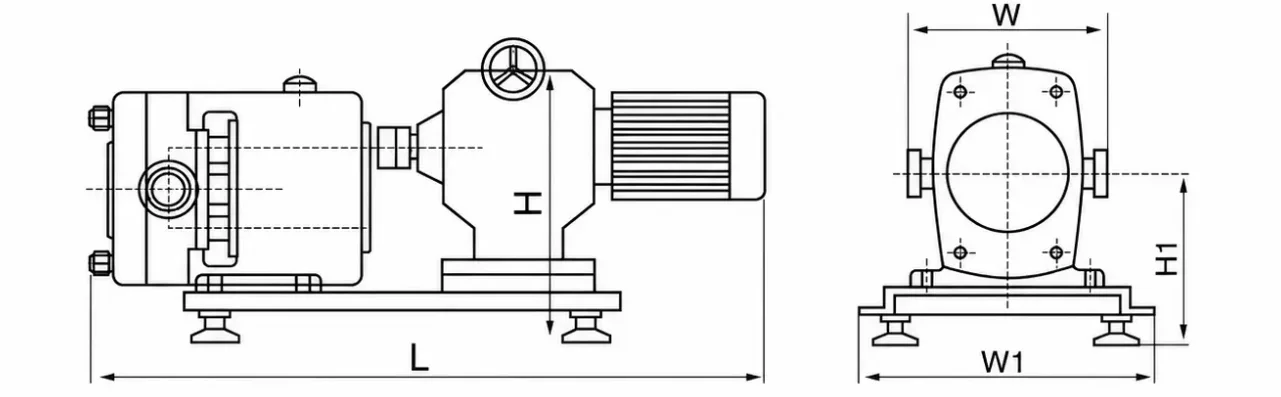
Parameter Chart
| Model | Flow per 100 Rotation |
Power (kW) |
Suggested RPM |
Capacity (L/H) |
Diameter | L | H | H1 | W | W1 | Connection Type |
|---|---|---|---|---|---|---|---|---|---|---|---|
| ZB3A-3 | 3L | 0.55 | 200-500 | 300-800 | Φ25×1.5 | 710 | 290 | 150 | 150 | 240 | Clamp / Thread / Flange |
| ZB3A-6 | 6L | 0.75 | 200-500 | 650-1600 | Φ25×1.5 | 780 | 390 | 170 | 190 | 240 | Clamp / Thread / Flange |
| ZB3A-8 | 8L | 1.5 | 200-500 | 850-2160 | Φ38×1.5 | 850 | 400 | 170 | 190 | 280 | Clamp / Thread / Flange |
| ZB3A-12 | 12L | 2.2 | 200-500 | 1300-3200 | Φ38×1.5 | 980 | 450 | 185 | 220 | 330 | Clamp / Thread / Flange |
| ZB3A-20 | 20L | 3 | 200-500 | 2100-5400 | Φ38×1.5 | 1000 | 450 | 190 | 250 | 330 | Clamp / Thread / Flange |
| ZB3A-30 | 30L | 4 | 200-500 | 3200-6400 | Φ50.8×1.5 | 1050 | 480 | 220 | 270 | 350 | Clamp / Thread / Flange |
| ZB3A-36 | 36L | 4 | 200-400 | 3800-7600 | Φ50.8×1.5 | 1100 | 490 | 220 | 270 | 360 | Clamp / Thread / Flange |
| ZB3A-52 | 52L | 5.5 | 200-400 | 5600-11000 | Φ63×1.5 | 1250 | 580 | 260 | 270 | 480 | Clamp / Thread / Flange |
| ZB3A-66 | 66L | 7.5 | 200-400 | 7100-14000 | Φ76×1.5 | 1350 | 600 | 260 | 270 | 480 | Clamp / Thread / Flange |
| ZB3A-78 | 78L | 7.5 | 200-400 | 9000-18000 | Φ76×1.5 | 1260 | 600 | 295 | 370 | 480 | Clamp / Thread / Flange |
| ZB3A-100 | 100L | 11 | 200-400 | 11000-22000 | Φ76×2 | 1320 | 670 | 295 | 370 | 480 | Clamp / Thread / Flange |
| ZB3A-135 | 135L | 15 | 200-400 | 15000-30000 | Φ89×2 | 1500 | 670 | 295 | 370 | 480 | Clamp / Thread / Flange |
| ZB3A-160 | 160L | 18.5 | 200-400 | 17000-34000 | Φ102×3 | 1500 | 720 | 320 | 420 | 560 | Clamp / Thread / Flange |
| ZB3A-200 | 200L | 22 | 200-400 | 21600-43000 | Φ102×3 | 1500 | 720 | 320 | 420 | 560 | Clamp / Thread / Flange |
| ZB3A-300 | 300L | 30 | 200-400 | 32400-64800 | Φ125×3 | 1650 | 800 | 400 | 480 | 620 | Clamp / Thread / Flange |
| ZB3A-400 | 400L | 37 | 200-400 | 43200-86400 | Φ150×3 | 1700 | 800 | 400 | 480 | 620 | Clamp / Thread / Flange |
Sanitary Rotary Lobe Pump
Our sanitary rotary lobe pump can transfer jam, thick food pastes and pumpable meat slurries. It can be used to deliver product to a holding tank or to feed a processing machine. To adjust the flow rate of the pump to meet process demands the speed of the pump can be modified.
The pump is constructed with many 316L stainless steel components to reduce wear. Depending on the type of material being transferred the rotor speed and frequency of maintenance may be adjusted.
How The Rotary Lobe Pump Works
To transfer the product two rotors with lobes on the opposite side turn inward toward each other. The product is trapped in the pockets created by the lobes and carried around the inner wall of the pump to the outlet. The volume of product transferred by each rotation of the rotors is fixed. To increase or decrease the flow rate of the pump the speed of the rotors needs to be modified.
In some instances the product being transferred may be thin at one point during the process and thick at another. In these cases the speed of the pump may need to be frequently adjusted. Before use we test the pump to determine the optimal rotor speed to ensure adequate transfer of product at the minimum operating temperature of the pump.
Transfer Of Jam To Holding Tanks And Fillers
When determining the size of the pump to transfer jam to a holding tank or to feed a filling machine we need to take into account the capacity of the tank or the rate at which product can be transferred to the filling mechanism.
We also set texture requirements to determine the best design of the rotor to integrate into the pump. The transfer pump moves the product to the filler which meters out the correct amount.
Viscous pastes behave similarly and to adequately fill the rotor chambers we use an inlet pipe of appropriate length. Torque required to turn the rotor is determined by the viscosity of the paste to be transferred. If the product is thick and pastes up in the tube of the pump, increased torque will be required to turn the rotor to pull the product through.
Meat slurry also has to be transferred from the grinder to a mixer to further homogenize the product. We set requirements on the largest particles to determine the best rotor design to use. Long fibers obstruct the flow more than shorter fibers of similar diameter.
Pump design should use a positive displacement rotary lobe design with 316L stainless steel components. Variable speed drives should be used to control the pump.
List of items needed to evaluate transfer of jam, food paste and meat slurry.
- Determine the size of the pump to handle the throughput at the inlet and outlet conditions of the system.
- Confirm power and torque of the motor and gear box.
- Confirm compatibility of elastomers used in seals with product to be pumped.
- Confirm required surface finish of components which come in contact with the product.
- Determine the correct size of inlet and outlet connections.
How do we determine the size of pump to use on your process line?
We evaluate the viscosity of the product over the range of operating temperatures to determine the pump’s ability to transfer the product. We also evaluate length and diameter of the transfer line. For products with solid particles the largest dimension of the solids should also be provided.
When more than one product is transferred on the same line we determine the lowest flow rate of the products transferred and compare it to the highest flow rate of product transferred to determine the size of the motor and gear box required. We also take into account the space available for installation of the pump, the procedure to clean the line and service the seals.
What is the best way to increase the flow of thick paste?
The speed of the pump should be increased to achieve the desired flow rate.
How big can the chunks of fruit be before the pump jams?
The size and firmness of the fruit combined with the integrity of the piece will determine the fruit’s compatibility with the pump. To evaluate this we would need the maximum dimensions of the fruit pieces, as well as the operating speed of the pump.
What determines wear on the parts of the pump when meat slurry is pumped?
Hardness of the meat particles in the slurry and the speed at which the pump is operating primarily determine wear. Based on the application we will also determine which parts should be removable for inspection.
Can this pump be cleaned in place?
To check if this pump is compatible with clean in place processes, we would need to evaluate the seals used, the surface finish of the parts, and the fluid used in the process to determine if it would harm the pump.
With what connections and controls would your plant like the pump to be supplied?
To enable the connection and speed control requirements of the plant, we may need to alter the electric motor used on the pump. Provide the size of connections used and the voltage and frequency of the power supply.
What information should be provided on the product to be transferred to request a quote on a pump?
Provide estimated size of the largest pieces of fruit or meat to be transferred. Include the type of liquid or solids to be transferred, the approximate flow required, the starting temperature of the liquid to be transferred and the approximate discharge pressure. Based on this information we will determine the pump most suited for the application and provide a quote.

Sanitary Rotary Lobe Pump
Our sanitary rotary lobe pump can transfer jam, thick food pastes and pumpable meat slurries. It can be used to deliver product to a holding tank or to feed a processing machine. To adjust the flow rate of the pump to meet process demands the speed of the pump can be modified.
The pump is constructed with many 316L stainless steel components to reduce wear. Depending on the type of material being transferred the rotor speed and frequency of maintenance may be adjusted.
How The Rotary Lobe Pump Works
To transfer the product two rotors with lobes on the opposite side turn inward toward each other. The product is trapped in the pockets created by the lobes and carried around the inner wall of the pump to the outlet. The volume of product transferred by each rotation of the rotors is fixed. To increase or decrease the flow rate of the pump the speed of the rotors needs to be modified.
In some instances the product being transferred may be thin at one point during the process and thick at another. In these cases the speed of the pump may need to be frequently adjusted. Before use we test the pump to determine the optimal rotor speed to ensure adequate transfer of product at the minimum operating temperature of the pump.
Transfer Of Jam To Holding Tanks And Fillers
When determining the size of the pump to transfer jam to a holding tank or to feed a filling machine we need to take into account the capacity of the tank or the rate at which product can be transferred to the filling mechanism.
We also set texture requirements to determine the best design of the rotor to integrate into the pump. The transfer pump moves the product to the filler which meters out the correct amount.
Viscous pastes behave similarly and to adequately fill the rotor chambers we use an inlet pipe of appropriate length. Torque required to turn the rotor is determined by the viscosity of the paste to be transferred. If the product is thick and pastes up in the tube of the pump, increased torque will be required to turn the rotor to pull the product through.
Meat slurry also has to be transferred from the grinder to a mixer to further homogenize the product. We set requirements on the largest particles to determine the best rotor design to use. Long fibers obstruct the flow more than shorter fibers of similar diameter.
Pump design should use a positive displacement rotary lobe design with 316L stainless steel components. Variable speed drives should be used to control the pump.
List of items needed to evaluate transfer of jam, food paste and meat slurry.
- Determine the size of the pump to handle the throughput at the inlet and outlet conditions of the system.
- Confirm power and torque of the motor and gear box.
- Confirm compatibility of elastomers used in seals with product to be pumped.
- Confirm required surface finish of components which come in contact with the product.
- Determine the correct size of inlet and outlet connections.
How do we determine the size of pump to use on your process line?
We evaluate the viscosity of the product over the range of operating temperatures to determine the pump’s ability to transfer the product. We also evaluate length and diameter of the transfer line. For products with solid particles the largest dimension of the solids should also be provided.
When more than one product is transferred on the same line we determine the lowest flow rate of the products transferred and compare it to the highest flow rate of product transferred to determine the size of the motor and gear box required. We also take into account the space available for installation of the pump, the procedure to clean the line and service the seals.
What is the best way to increase the flow of thick paste?
The speed of the pump should be increased to achieve the desired flow rate.
How big can the chunks of fruit be before the pump jams?
The size and firmness of the fruit combined with the integrity of the piece will determine the fruit’s compatibility with the pump. To evaluate this we would need the maximum dimensions of the fruit pieces, as well as the operating speed of the pump.
What determines wear on the parts of the pump when meat slurry is pumped?
Hardness of the meat particles in the slurry and the speed at which the pump is operating primarily determine wear. Based on the application we will also determine which parts should be removable for inspection.
Can this pump be cleaned in place?
To check if this pump is compatible with clean in place processes, we would need to evaluate the seals used, the surface finish of the parts, and the fluid used in the process to determine if it would harm the pump.
With what connections and controls would your plant like the pump to be supplied?
To enable the connection and speed control requirements of the plant, we may need to alter the electric motor used on the pump. Provide the size of connections used and the voltage and frequency of the power supply.
What information should be provided on the product to be transferred to request a quote on a pump?
Provide estimated size of the largest pieces of fruit or meat to be transferred. Include the type of liquid or solids to be transferred, the approximate flow required, the starting temperature of the liquid to be transferred and the approximate discharge pressure. Based on this information we will determine the pump most suited for the application and provide a quote.

MAECENAS IACULIS
Vestibulum curae torquent diam diam commodo parturient penatibus nunc dui adipiscing convallis bulum parturient suspendisse parturient a.Parturient in parturient scelerisque nibh lectus quam a natoque adipiscing a vestibulum hendrerit et pharetra fames nunc natoque dui.
ADIPISCING CONVALLIS BULUM
- Vestibulum penatibus nunc dui adipiscing convallis bulum parturient suspendisse.
- Abitur parturient praesent lectus quam a natoque adipiscing a vestibulum hendre.
- Diam parturient dictumst parturient scelerisque nibh lectus.
Scelerisque adipiscing bibendum sem vestibulum et in a a a purus lectus faucibus lobortis tincidunt purus lectus nisl class eros.Condimentum a et ullamcorper dictumst mus et tristique elementum nam inceptos hac parturient scelerisque vestibulum amet elit ut volutpat.