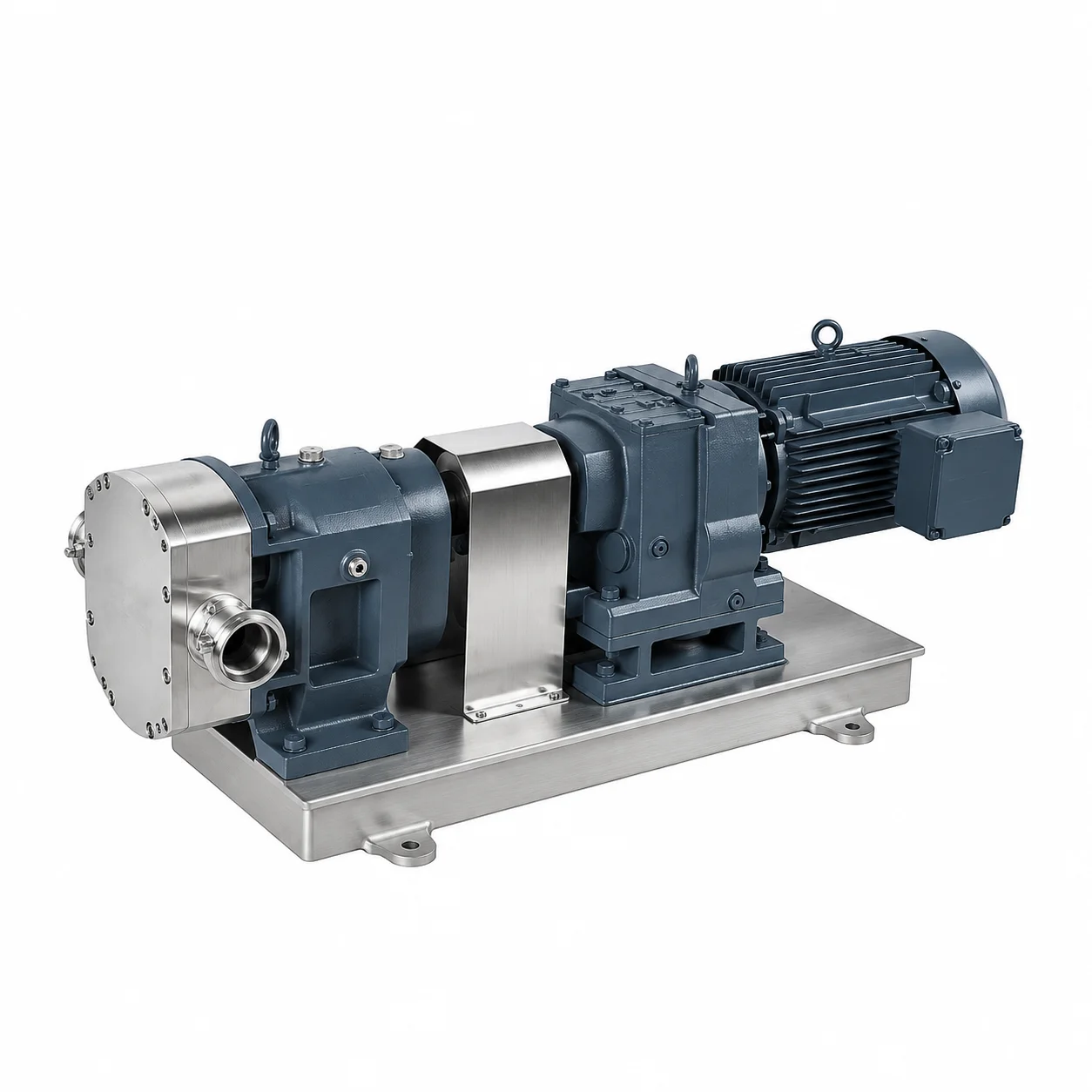
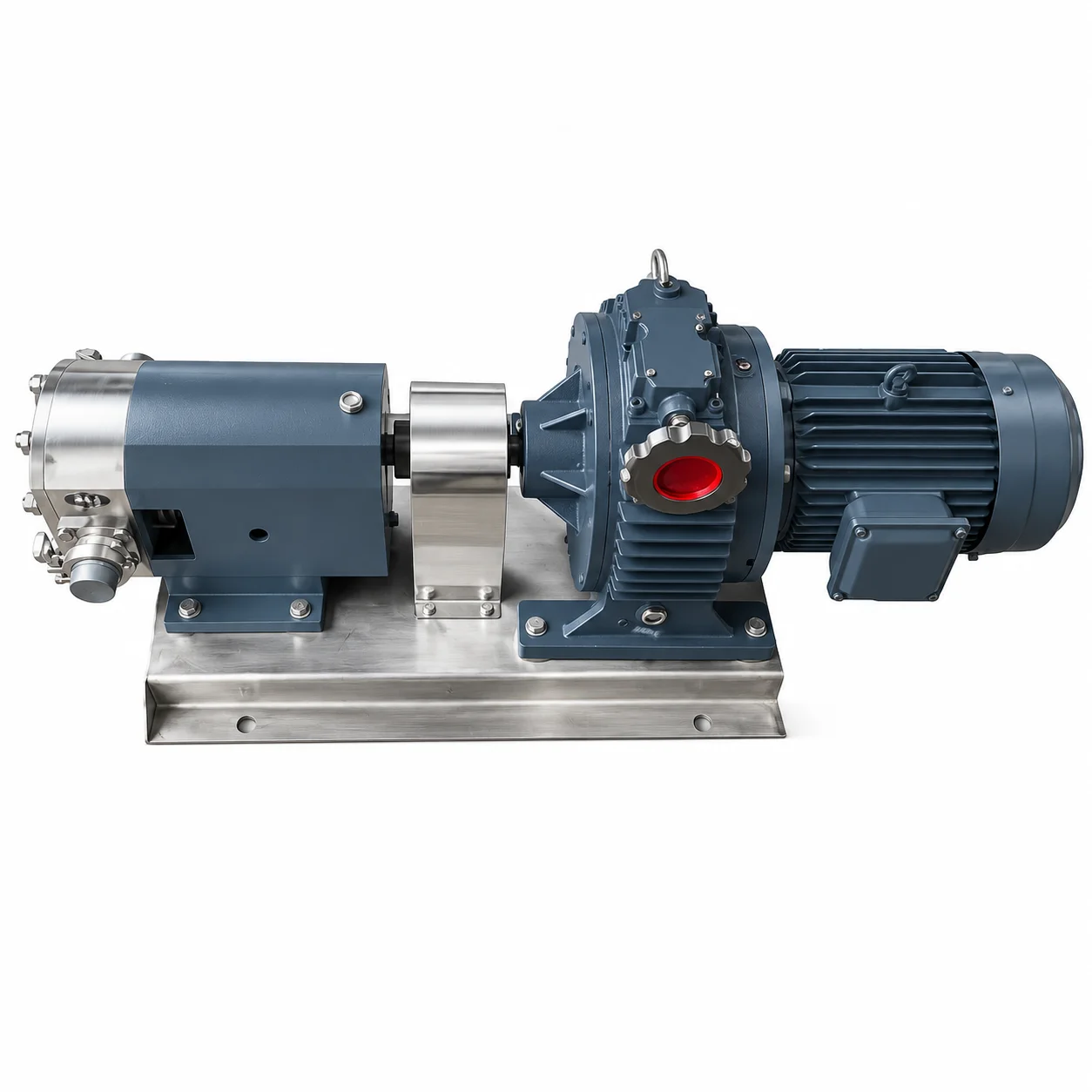
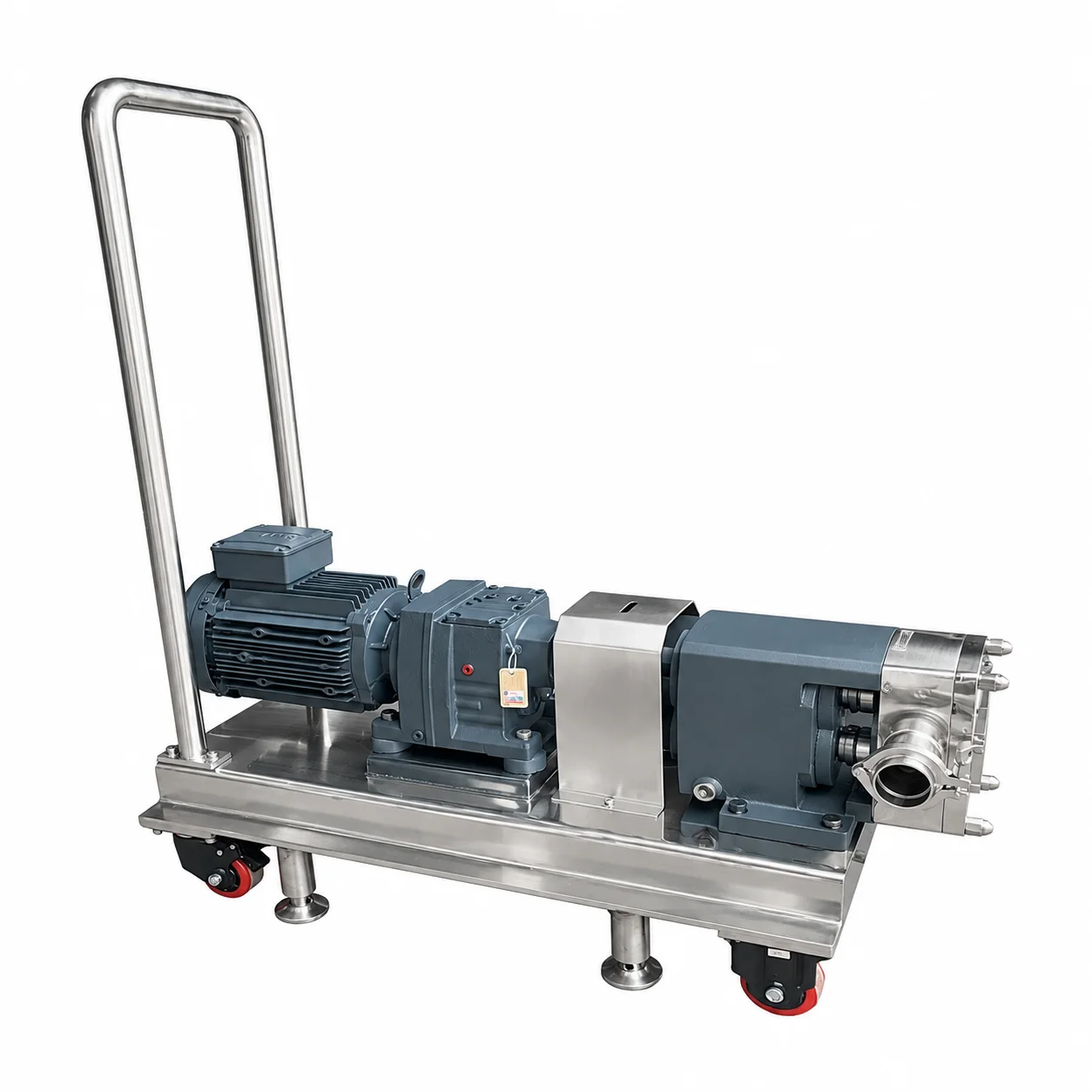
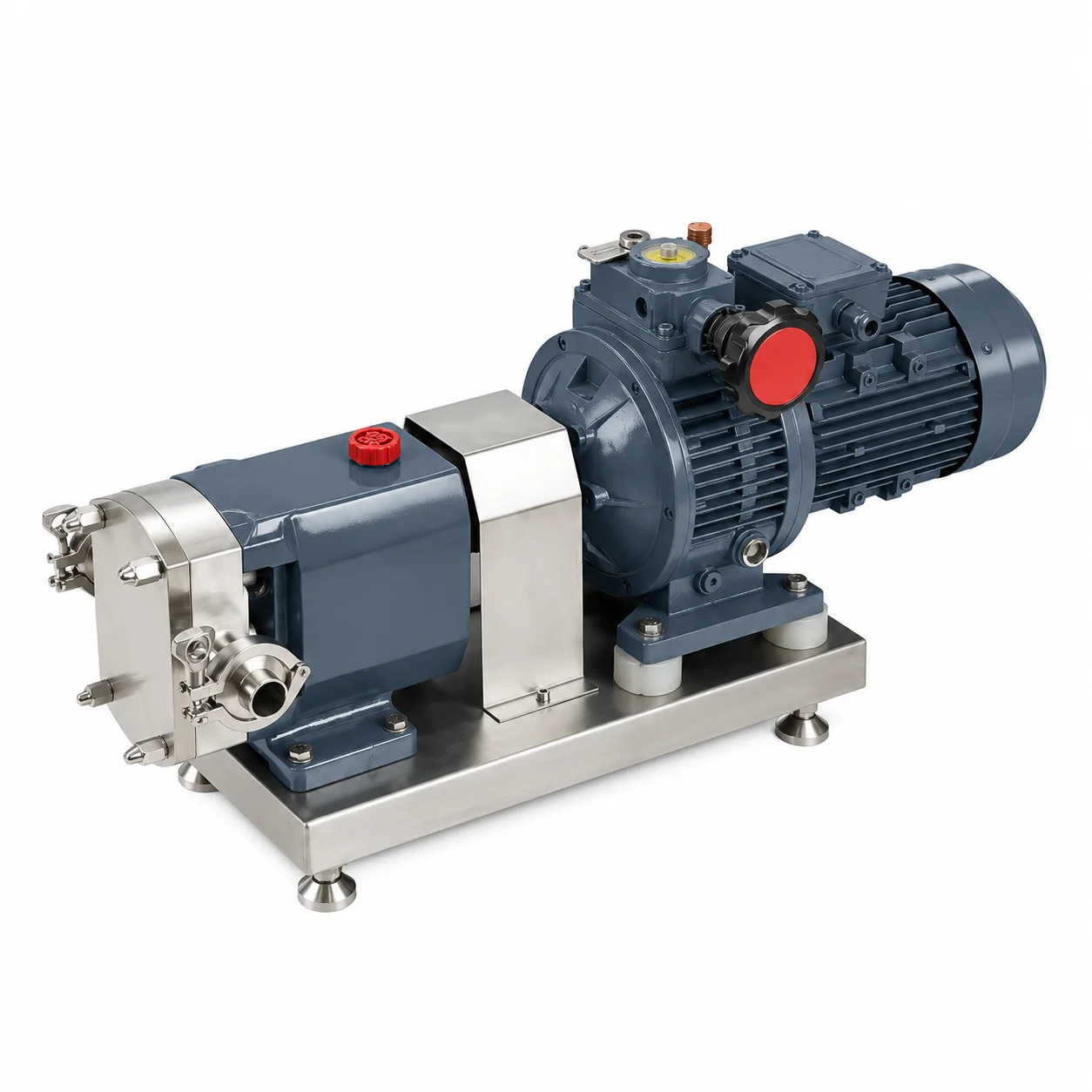
4 kW Sanitary Stainless Steel Lobe Pump for Thick Sauce
4 kW Sanitary Stainless Steel Lobe Pump for Thick Sauce 原价为:$2,402.49。当前价格为:$1,694.54。
返回产品
4 kW SS304/316L Rotary Lobe Pump for Food Processing
4 kW SS304/316L Rotary Lobe Pump for Food Processing 原价为:$2,635.65。当前价格为:$1,880.90。

4 kW Hygienic 304 Stainless Steel Rotary Lobe Cheese Pump

原价为:$2,621.66。当前价格为:$1,842.54。

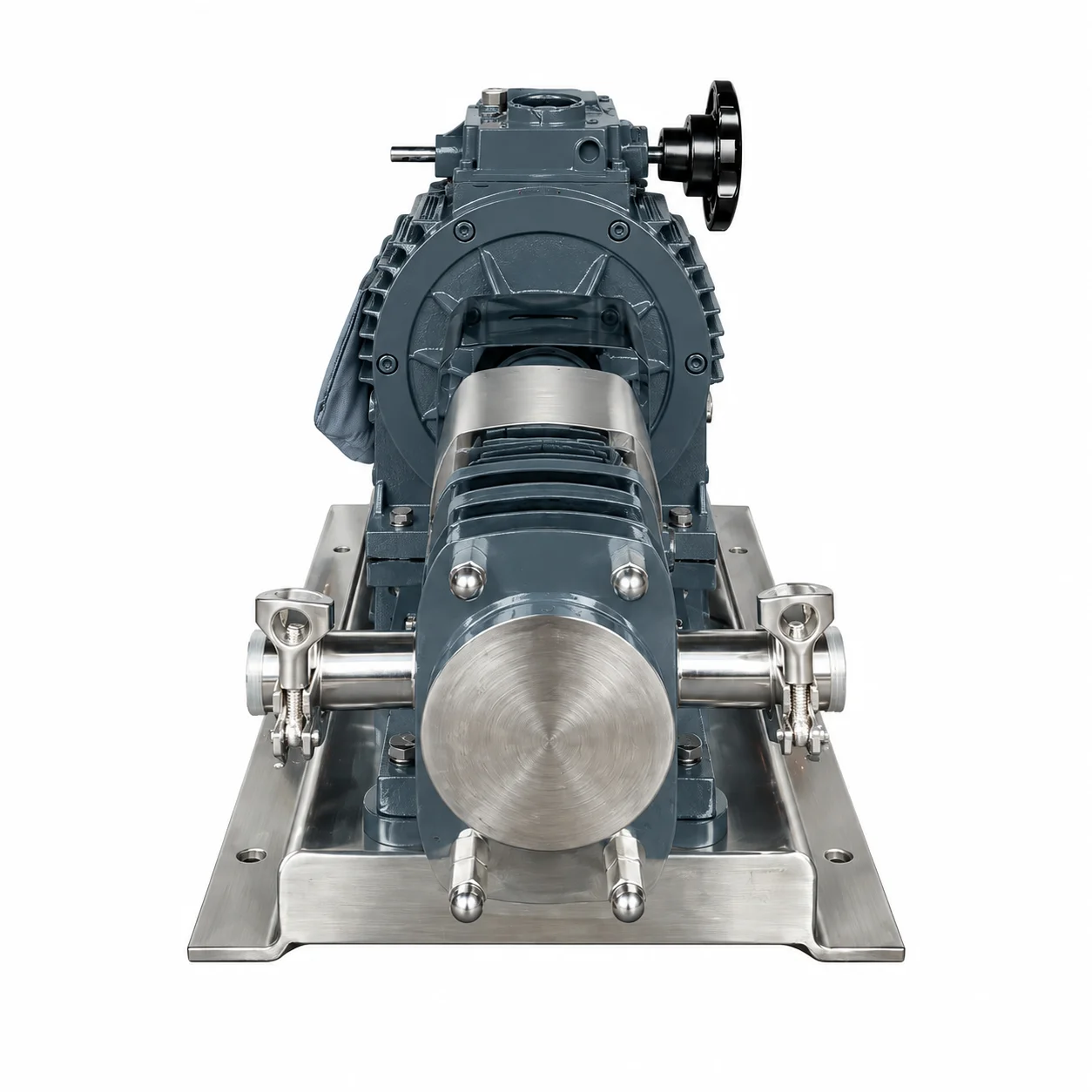
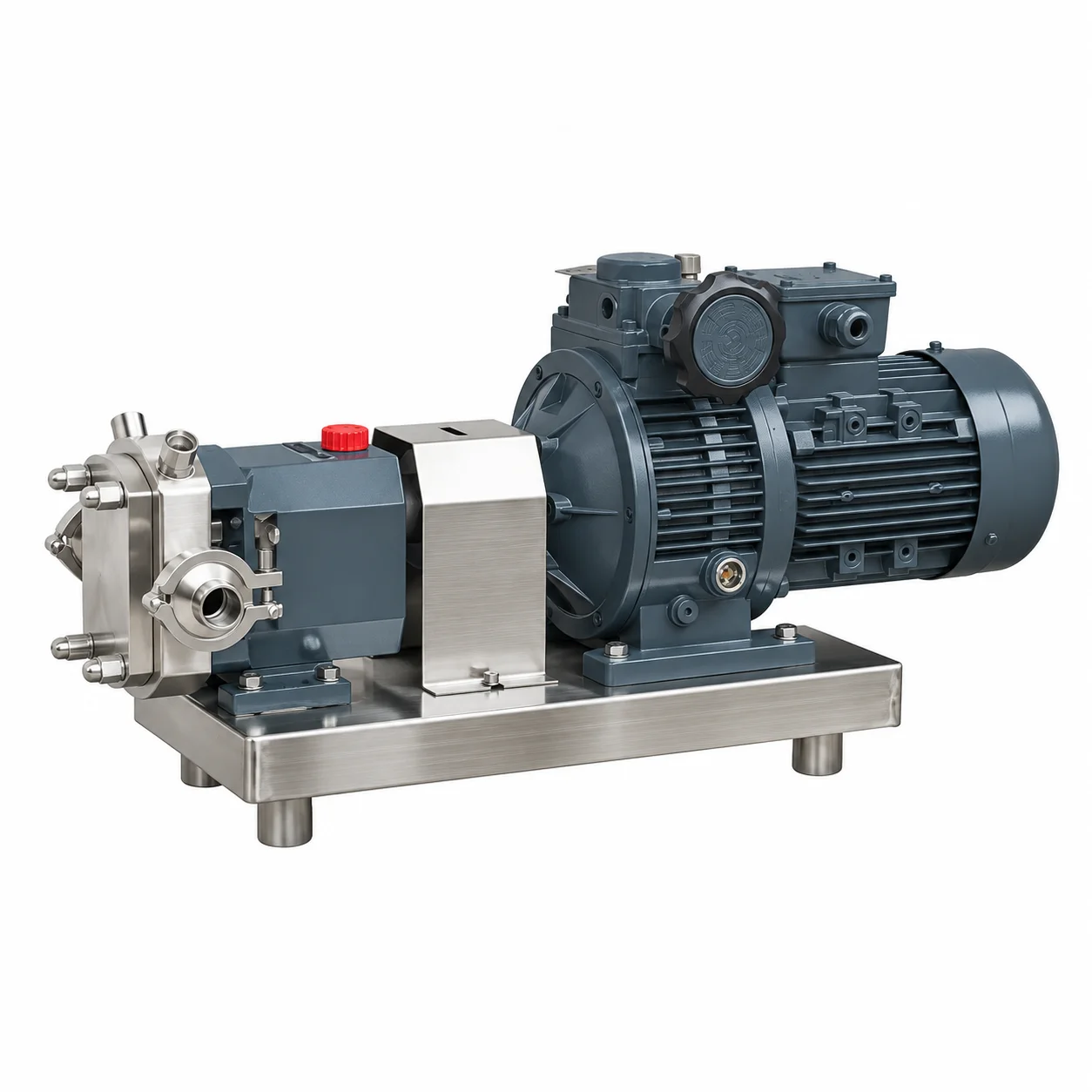
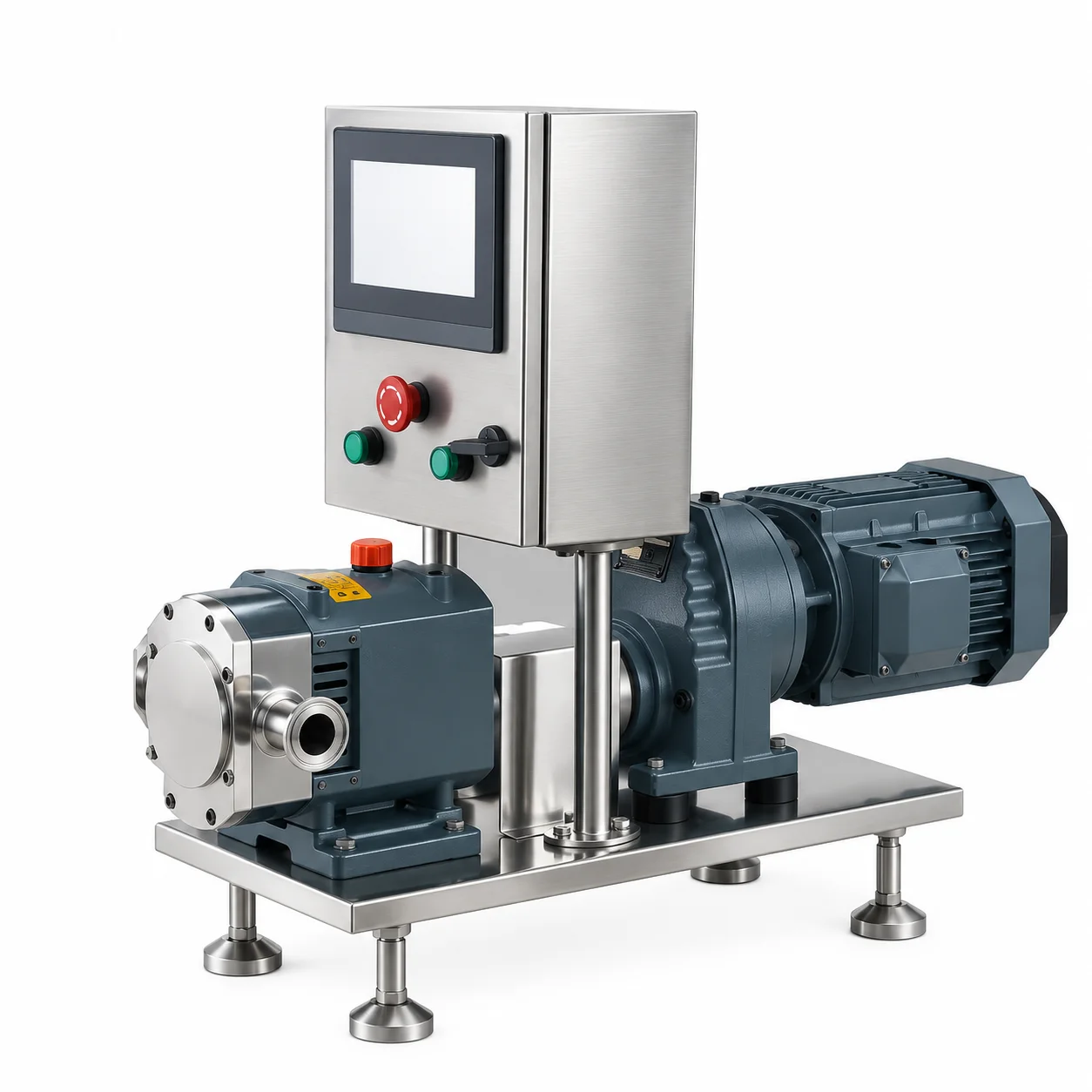
We have available a 4 kW hygienic rotary lobe pump for transfer of warm, processed cheese including cheese spreads and sauces, made of 304 stainless steel with butterfly rotors and female connections. This can be incorporated on a dairy processing or packing line.

库存 100 件

Rotor Optional

Three-Lobe Rotor

Applicable Liquids:

  • Suitable for creams, liquids and sauces with low, medium and high viscosity, uniform texture and no hard granules.
  • Example: Chocolate, honey, mashed potatoes and ice cream.
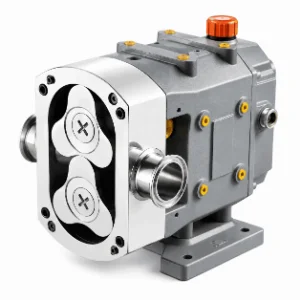
Three-Lobe Rotor

Butterfly Rotor

Applicable Liquids:

  • Suitable for shear-free, non-destructive transfer of soft-grained sauces and small-particle materials.
  • Example: Jam, pulp, juice, jelly and tomato sauce.
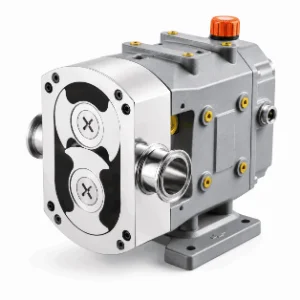
Butterfly Rotor

Single-Lobe Rotor

Applicable Liquids:

  • Suitable for conveying materials containing larger solid particles while maintaining stable transfer.
  • Example: Rock salt, chilli sauce and peanut butter.
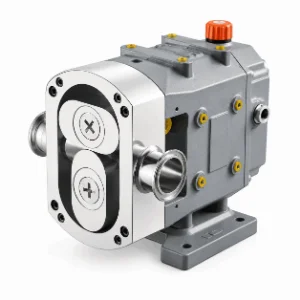
Single-Lobe Rotor

Multi-Lobe Rotor

Applicable Liquids:

  • Suitable for creams, liquids and sauces with low, medium and high viscosity where higher output accuracy and smooth flow are required.
  • Example: Chocolate, honey, cream, yoghurt, butter and grease.
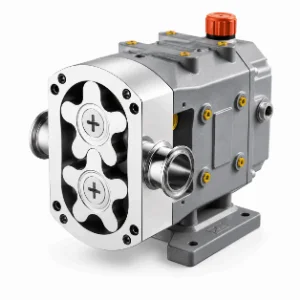
Multi-Lobe Rotor

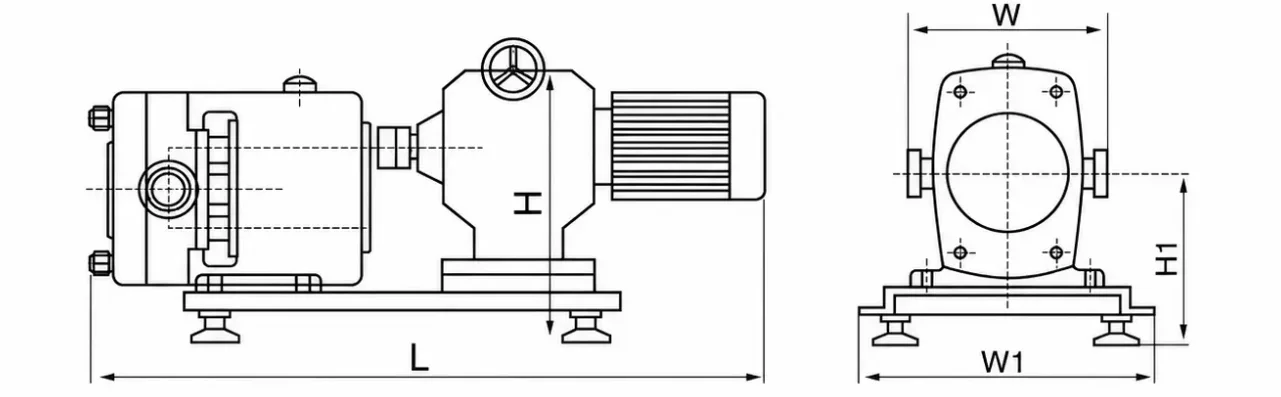
Parameter Chart

lobe pump Parameter Chart
← Swipe left or right to view all specifications →
Model Flow per
100 Rotation
Power
(kW)
Suggested
RPM
Capacity
(L/H)
Diameter L H H1 W W1 Connection Type
ZB3A-3 3L 0.55 200-500 300-800 Φ25×1.5 710 290 150 150 240 Clamp / Thread / Flange
ZB3A-6 6L 0.75 200-500 650-1600 Φ25×1.5 780 390 170 190 240 Clamp / Thread / Flange
ZB3A-8 8L 1.5 200-500 850-2160 Φ38×1.5 850 400 170 190 280 Clamp / Thread / Flange
ZB3A-12 12L 2.2 200-500 1300-3200 Φ38×1.5 980 450 185 220 330 Clamp / Thread / Flange
ZB3A-20 20L 3 200-500 2100-5400 Φ38×1.5 1000 450 190 250 330 Clamp / Thread / Flange
ZB3A-30 30L 4 200-500 3200-6400 Φ50.8×1.5 1050 480 220 270 350 Clamp / Thread / Flange
ZB3A-36 36L 4 200-400 3800-7600 Φ50.8×1.5 1100 490 220 270 360 Clamp / Thread / Flange
ZB3A-52 52L 5.5 200-400 5600-11000 Φ63×1.5 1250 580 260 270 480 Clamp / Thread / Flange
ZB3A-66 66L 7.5 200-400 7100-14000 Φ76×1.5 1350 600 260 270 480 Clamp / Thread / Flange
ZB3A-78 78L 7.5 200-400 9000-18000 Φ76×1.5 1260 600 295 370 480 Clamp / Thread / Flange
ZB3A-100 100L 11 200-400 11000-22000 Φ76×2 1320 670 295 370 480 Clamp / Thread / Flange
ZB3A-135 135L 15 200-400 15000-30000 Φ89×2 1500 670 295 370 480 Clamp / Thread / Flange
ZB3A-160 160L 18.5 200-400 17000-34000 Φ102×3 1500 720 320 420 560 Clamp / Thread / Flange
ZB3A-200 200L 22 200-400 21600-43000 Φ102×3 1500 720 320 420 560 Clamp / Thread / Flange
ZB3A-300 300L 30 200-400 32400-64800 Φ125×3 1650 800 400 480 620 Clamp / Thread / Flange
ZB3A-400 400L 37 200-400 43200-86400 Φ150×3 1700 800 400 480 620 Clamp / Thread / Flange
Dimensions are shown as L / H / H1 / W / W1. On mobile, you can swipe horizontally to view the full table.

Rotary Lobe Pump for Cheese Processing 4 kW

This pump is made of 304 stainless steel to handle various cheese products during processing and transfer to packaging. It uses butterfly rotors to move the product. We recommend using this pump to move cheese spreads from a blend tank to a holding tank to feed a depositor.

Butterfly Rotors

In a rotary lobe pump, the lobes of each rotor turn in opposite directions to one another to capture product. The lobes form a pocket which, upon separation, empty to take in more product to be transported around the outside of the pump to the outlet. The volume displaced per rotation remains constant; however the actual amount of fluid removed is affected by the degree to which the rotor pockets are filled and the clearances between the rotors.

Features Important to a Dairy Application

Butterfly Rotors

To move cheese with a high solids content and high viscosity we use a lower rotor speed and increase the size of the inlet to give the rotor more time to fill the pocket. Cheese with inclusions is assessed to determine if the inclusions will be damaged as the cheese is mixed and pumped.

Female Connectors

The female ports on the pump are closed by male fittings. Prior to specifying fittings to connect to these ports we verify the standard and the sealing element to assure a good seal is established.

During final inspection of the hygienic assembly line, we check to make sure that the connection drains are fully formed and in accordance with the client’s cleaning process.

304 Stainless Steel and Cleaning Agents

We confirm that the 304 Stainless Steel will be compatible with any cleaning agents used, as well as the temperature and duration of contact with the cleaning agents. We check the material of construction of all wetted components during the design review.

Cheese Processing and Packaging

Processed Cheese Transfer- Cheese must be transferred from a cooker or blender to a holding tank. The viscosity of the cheese at the transfer temperature must be taken into account to estimate line losses.

Cheese Spread Filling- Continuous flow of cheese spread must be transferred to a depositor to be loaded onto a packaging machine.

Cheese Sauce Transfer- Cheese sauce must be transferred from one vessel to another for further processing prior to packaging.

Product Specifications

Positive displacement pumps, of a rotary lobe design, have a rated power of 4 kW (5.5 hp) to transfer cheese products in the food industry. The rotors of these pumps are of butterfly design and have 304 Stainless Steel construction. Process connections are of the female threaded type.

Prior to purchase the customer must confirm with us the required size of the process connections. We must also review the location of use to confirm the type of electrical supply and control to be used on the pump.

When determining the size of the drive to be used on a cheese production line the most onerous condition of the process must be taken into consideration.

Restart torque increases with cooled cheese. Partial obstructions in the inlet reduce flow despite the motor’s power to push the fluid. During equipment change outs we evaluate potential interference with the removal of rotors and seals.

To size the pump to best meet your needs it is helpful for you to provide:

  • The normal and peak flow rate for each batch, or the time required to transfer each batch
  • The behavior of the product being pumped at both extremes of operating temperature
  • The elevation and restrictions of the system
  • The electrical supply available at the location of the pump
  • The method of washdown to be used on the pump

Which cheese products can this rotary lobe pump handle?

We would be able to pump products such as warm process cheese spreads and sauces. To determine pumpability of other cheese products we would need to assess the viscosity of the product across the operating temperature range to determine shear thinning. We would also need to evaluate the size and density of any solids or inclusions in the product.

What is the flow rate of the 4 kW cheese pump?

The flow rate of the pump is determined by the displacement volume of the rotors, the rotational speed of the shaft and the pressure at which the pump is operated.

What is the viscosity of your cheese? What is the flow rate?

From these we can determine if the pump is adequate.

Will the pump feed cheese to the filling machine?

To evaluate this we need to know how the system will minimize upstream pressure in the line while the valve closing to the fill hopper is open.

What fittings should be used on the female threaded connections?

To determine this we would need to know the thread standard and size of the ports. For example, BSP threads and NPT threads look similar but require different mating fittings.

Can this pump be cleaned in place?

To answer this we would have to examine the threads to see if they would withstand the process. Send us the flow, temperature and chemistry of the clean in place solution to evaluate compatibility with the pump and connections.

When the transfer flow of cheese decreases what are the temperatures of the starting and ending tanks?

Are there any restrictions in the inlet to the pump? Are the rotor blades worn? We would need to evaluate all these factors to determine the cause of reduced flow.

Send us the details of the cheese you are processing including the operating temperature and flow. Also tell us the time it takes to transfer a batch to determine the transfer rate. We will do a preliminary evaluation of your application and provide a quote for the equipment and system you need to complete your process.


描述

Rotary Lobe Pump for Cheese Processing 4 kW

This pump is made of 304 stainless steel to handle various cheese products during processing and transfer to packaging. It uses butterfly rotors to move the product. We recommend using this pump to move cheese spreads from a blend tank to a holding tank to feed a depositor.

Butterfly Rotors

In a rotary lobe pump, the lobes of each rotor turn in opposite directions to one another to capture product. The lobes form a pocket which, upon separation, empty to take in more product to be transported around the outside of the pump to the outlet. The volume displaced per rotation remains constant; however the actual amount of fluid removed is affected by the degree to which the rotor pockets are filled and the clearances between the rotors.

Features Important to a Dairy Application

Butterfly Rotors

To move cheese with a high solids content and high viscosity we use a lower rotor speed and increase the size of the inlet to give the rotor more time to fill the pocket. Cheese with inclusions is assessed to determine if the inclusions will be damaged as the cheese is mixed and pumped.

Female Connectors

The female ports on the pump are closed by male fittings. Prior to specifying fittings to connect to these ports we verify the standard and the sealing element to assure a good seal is established.

During final inspection of the hygienic assembly line, we check to make sure that the connection drains are fully formed and in accordance with the client’s cleaning process.

304 Stainless Steel and Cleaning Agents

We confirm that the 304 Stainless Steel will be compatible with any cleaning agents used, as well as the temperature and duration of contact with the cleaning agents. We check the material of construction of all wetted components during the design review.

Cheese Processing and Packaging

Processed Cheese Transfer- Cheese must be transferred from a cooker or blender to a holding tank. The viscosity of the cheese at the transfer temperature must be taken into account to estimate line losses.

Cheese Spread Filling- Continuous flow of cheese spread must be transferred to a depositor to be loaded onto a packaging machine.

Cheese Sauce Transfer- Cheese sauce must be transferred from one vessel to another for further processing prior to packaging.

Product Specifications

Positive displacement pumps, of a rotary lobe design, have a rated power of 4 kW (5.5 hp) to transfer cheese products in the food industry. The rotors of these pumps are of butterfly design and have 304 Stainless Steel construction. Process connections are of the female threaded type.

Prior to purchase the customer must confirm with us the required size of the process connections. We must also review the location of use to confirm the type of electrical supply and control to be used on the pump.

When determining the size of the drive to be used on a cheese production line the most onerous condition of the process must be taken into consideration.

Restart torque increases with cooled cheese. Partial obstructions in the inlet reduce flow despite the motor’s power to push the fluid. During equipment change outs we evaluate potential interference with the removal of rotors and seals.

To size the pump to best meet your needs it is helpful for you to provide:

  • The normal and peak flow rate for each batch, or the time required to transfer each batch
  • The behavior of the product being pumped at both extremes of operating temperature
  • The elevation and restrictions of the system
  • The electrical supply available at the location of the pump
  • The method of washdown to be used on the pump

Which cheese products can this rotary lobe pump handle?

We would be able to pump products such as warm process cheese spreads and sauces. To determine pumpability of other cheese products we would need to assess the viscosity of the product across the operating temperature range to determine shear thinning. We would also need to evaluate the size and density of any solids or inclusions in the product.

What is the flow rate of the 4 kW cheese pump?

The flow rate of the pump is determined by the displacement volume of the rotors, the rotational speed of the shaft and the pressure at which the pump is operated.

What is the viscosity of your cheese? What is the flow rate?

From these we can determine if the pump is adequate.

Will the pump feed cheese to the filling machine?

To evaluate this we need to know how the system will minimize upstream pressure in the line while the valve closing to the fill hopper is open.

What fittings should be used on the female threaded connections?

To determine this we would need to know the thread standard and size of the ports. For example, BSP threads and NPT threads look similar but require different mating fittings.

Can this pump be cleaned in place?

To answer this we would have to examine the threads to see if they would withstand the process. Send us the flow, temperature and chemistry of the clean in place solution to evaluate compatibility with the pump and connections.

When the transfer flow of cheese decreases what are the temperatures of the starting and ending tanks?

Are there any restrictions in the inlet to the pump? Are the rotor blades worn? We would need to evaluate all these factors to determine the cause of reduced flow.

Send us the details of the cheese you are processing including the operating temperature and flow. Also tell us the time it takes to transfer a batch to determine the transfer rate. We will do a preliminary evaluation of your application and provide a quote for the equipment and system you need to complete your process.

Shipping and Delivery

MAECENAS IACULIS

Vestibulum curae torquent diam diam commodo parturient penatibus nunc dui adipiscing convallis bulum parturient suspendisse parturient a.Parturient in parturient scelerisque nibh lectus quam a natoque adipiscing a vestibulum hendrerit et pharetra fames nunc natoque dui.

ADIPISCING CONVALLIS BULUM

  • Vestibulum penatibus nunc dui adipiscing convallis bulum parturient suspendisse.
  • Abitur parturient praesent lectus quam a natoque adipiscing a vestibulum hendre.
  • Diam parturient dictumst parturient scelerisque nibh lectus.

Scelerisque adipiscing bibendum sem vestibulum et in a a a purus lectus faucibus lobortis tincidunt purus lectus nisl class eros.Condimentum a et ullamcorper dictumst mus et tristique elementum nam inceptos hac parturient scelerisque vestibulum amet elit ut volutpat.