Stainless Steel Jacketed Cam Rotor Pump for Paste
$2,437.34 原价为:$2,437.34。$1,686.35当前价格为:$1,686.35。
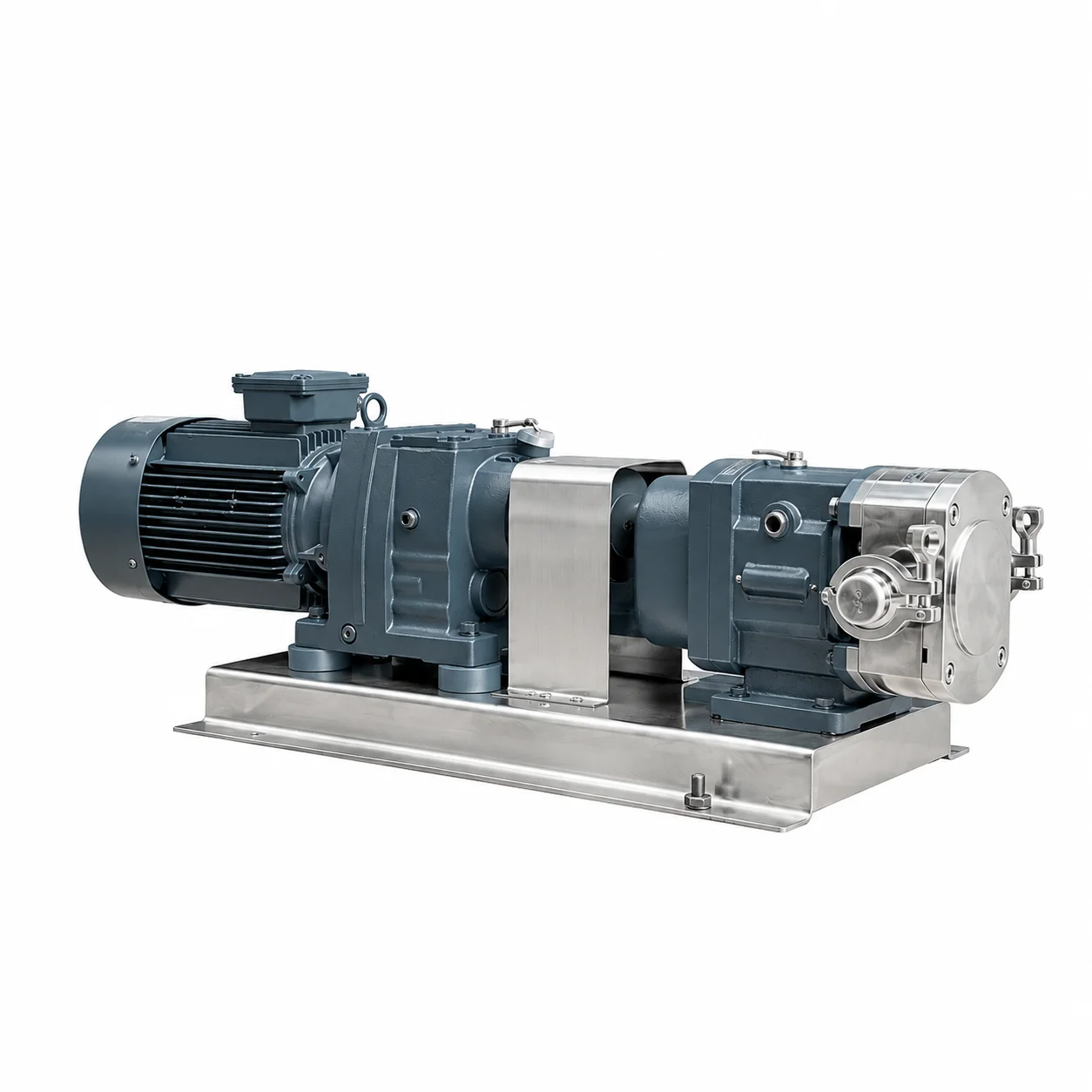
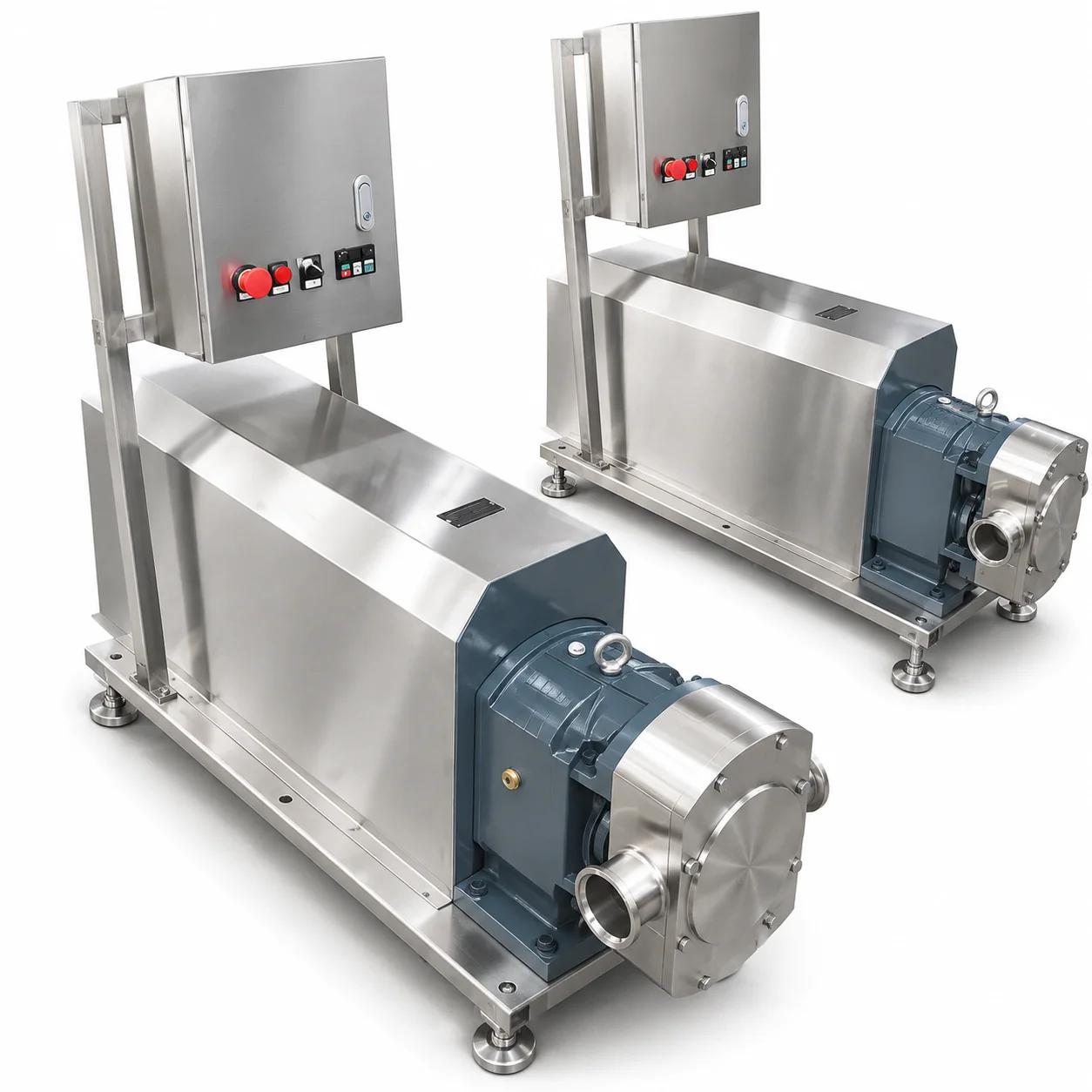
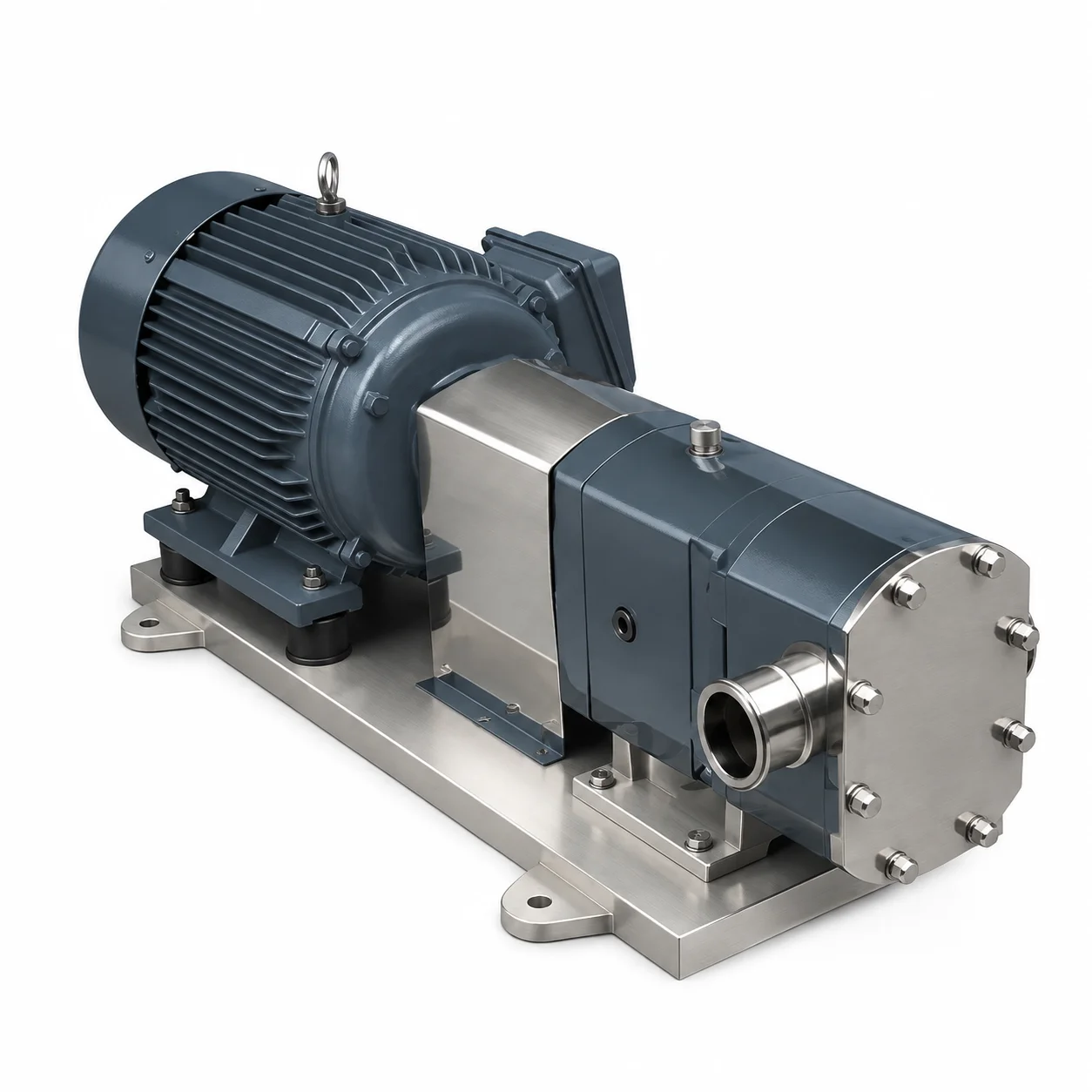
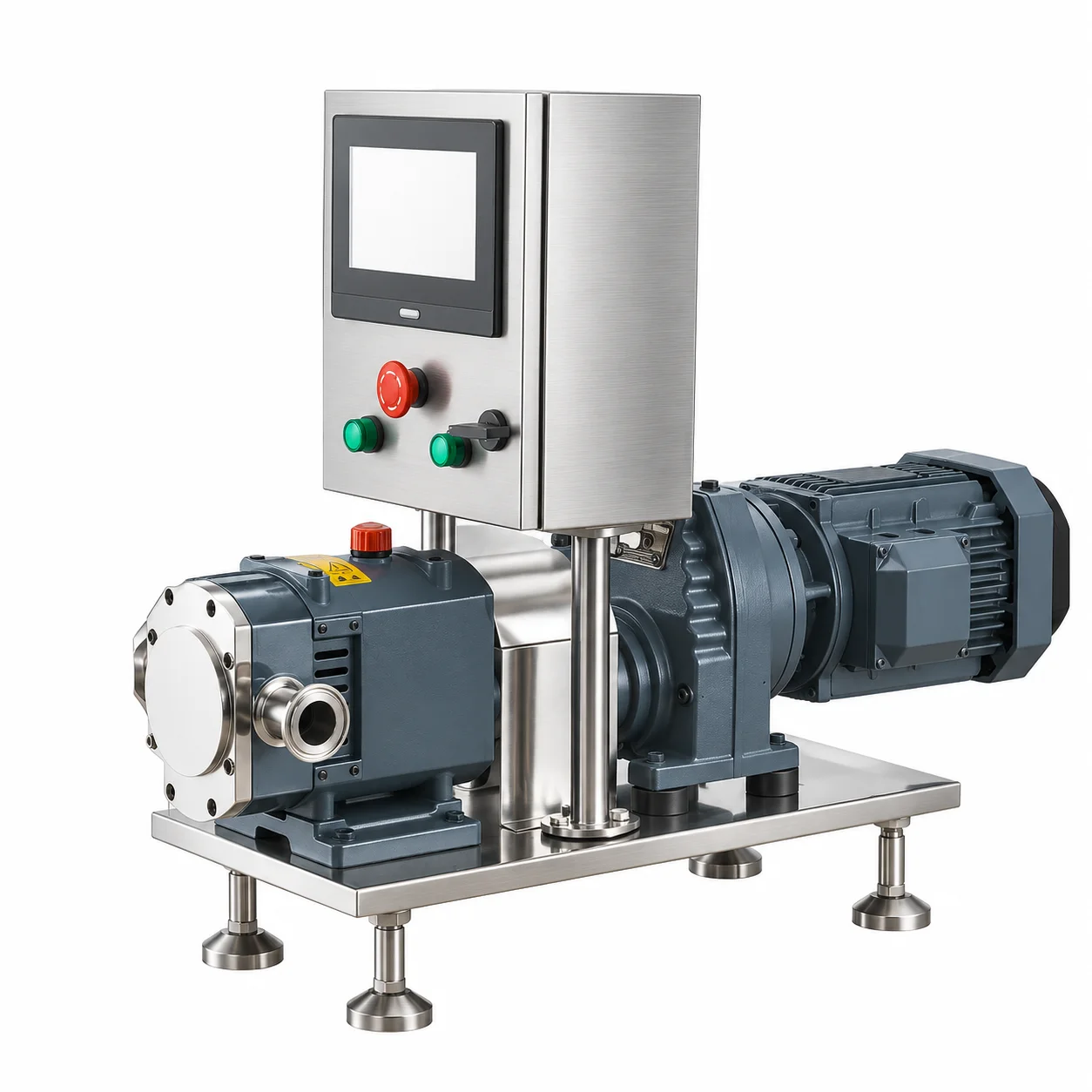
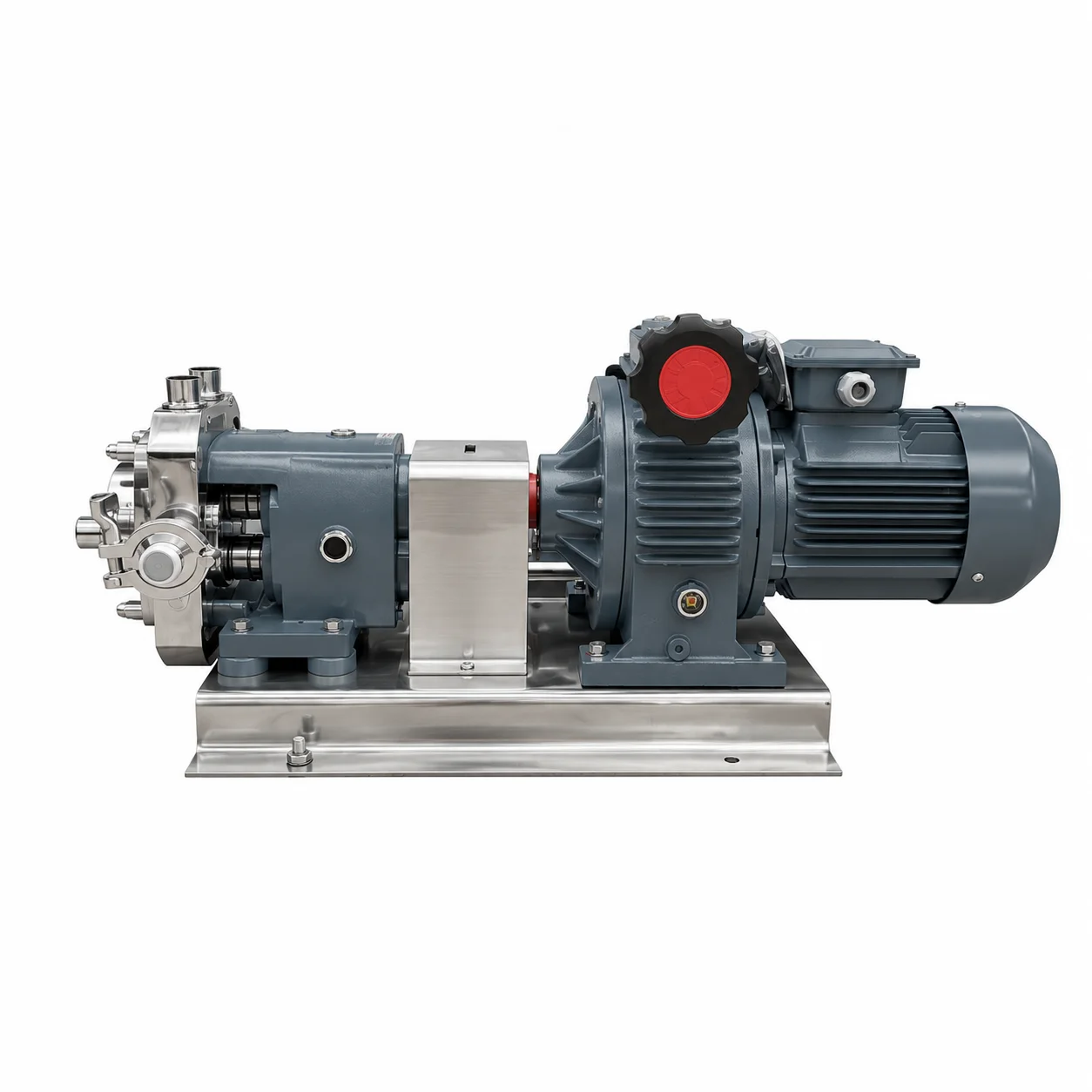
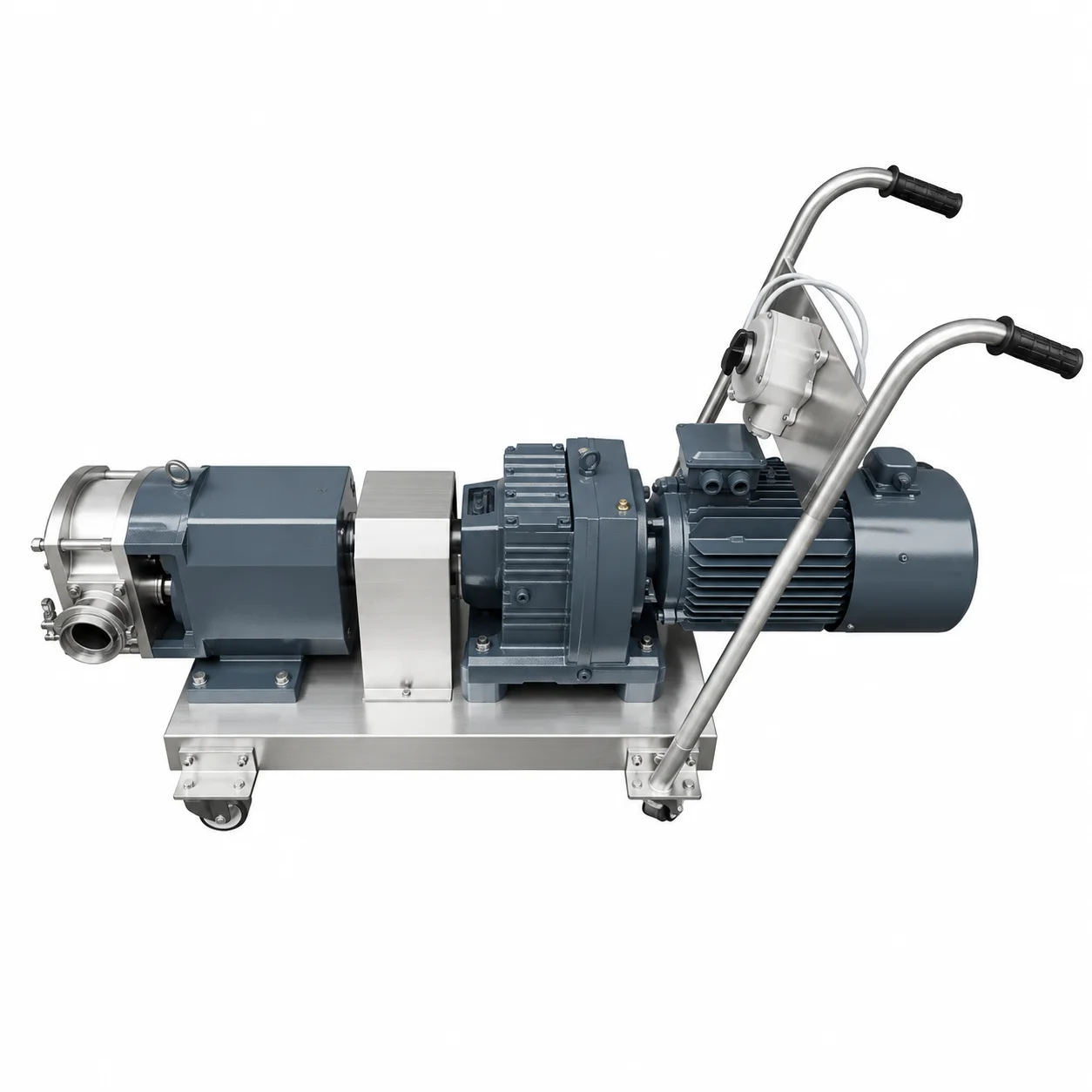
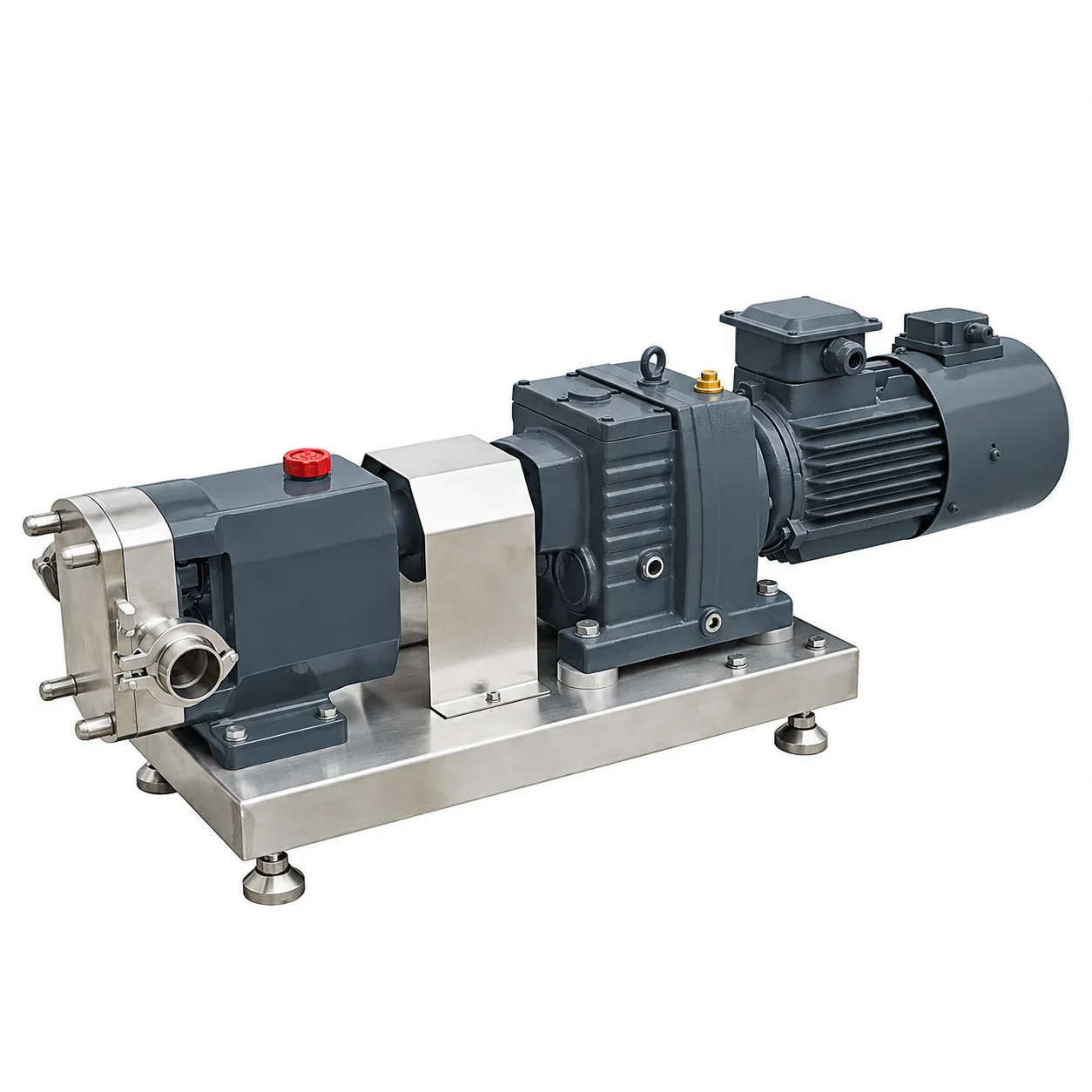
We provide a stainless steel jacketed cam rotor pump to transfer high viscosity paste between mixers, holding tanks and filling equipment. The pump has a positive displacement design to move the paste. The body of the pump is also insulated to further reduce the loss of heat to the environment.
库存 100 件
Rotor Optional
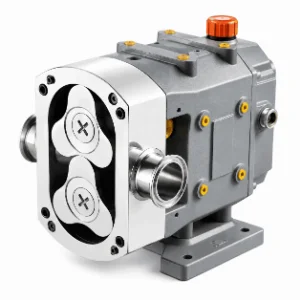
Three-Lobe Rotor
Applicable Liquids:
- Suitable for creams, liquids and sauces with low, medium and high viscosity, uniform texture and no hard granules.
- Example: Chocolate, honey, mashed potatoes and ice cream.
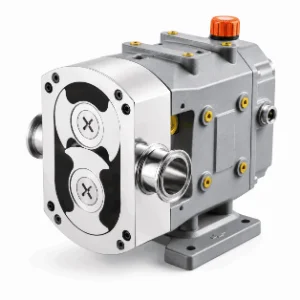
Butterfly Rotor
Applicable Liquids:
- Suitable for shear-free, non-destructive transfer of soft-grained sauces and small-particle materials.
- Example: Jam, pulp, juice, jelly and tomato sauce.
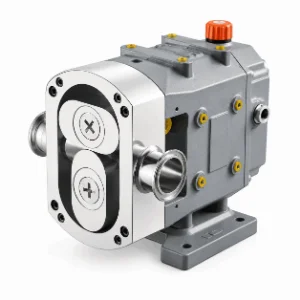
Single-Lobe Rotor
Applicable Liquids:
- Suitable for conveying materials containing larger solid particles while maintaining stable transfer.
- Example: Rock salt, chilli sauce and peanut butter.
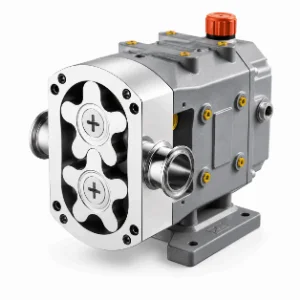
Multi-Lobe Rotor
Applicable Liquids:
- Suitable for creams, liquids and sauces with low, medium and high viscosity where higher output accuracy and smooth flow are required.
- Example: Chocolate, honey, cream, yoghurt, butter and grease.
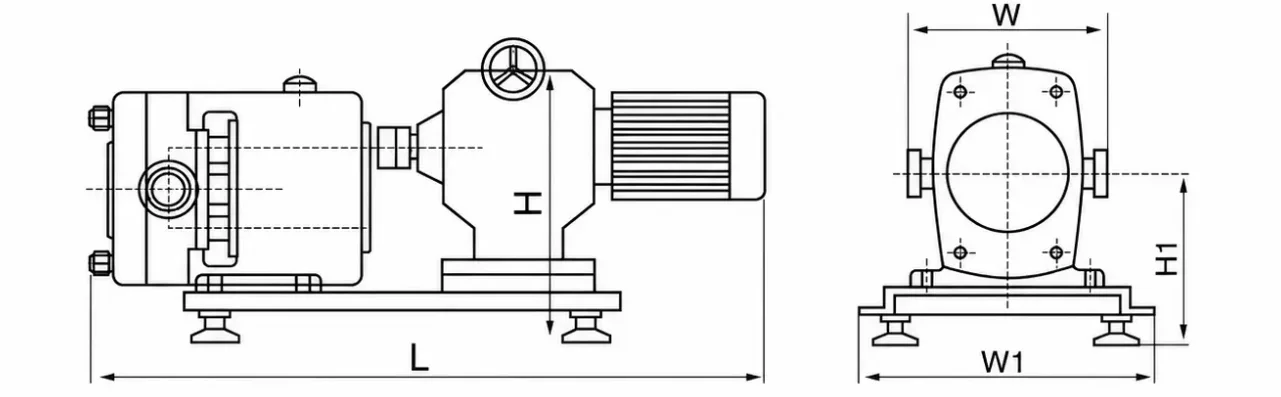
Parameter Chart
| Model | Flow per 100 Rotation |
Power (kW) |
Suggested RPM |
Capacity (L/H) |
Diameter | L | H | H1 | W | W1 | Connection Type |
|---|---|---|---|---|---|---|---|---|---|---|---|
| ZB3A-3 | 3L | 0.55 | 200-500 | 300-800 | Φ25×1.5 | 710 | 290 | 150 | 150 | 240 | Clamp / Thread / Flange |
| ZB3A-6 | 6L | 0.75 | 200-500 | 650-1600 | Φ25×1.5 | 780 | 390 | 170 | 190 | 240 | Clamp / Thread / Flange |
| ZB3A-8 | 8L | 1.5 | 200-500 | 850-2160 | Φ38×1.5 | 850 | 400 | 170 | 190 | 280 | Clamp / Thread / Flange |
| ZB3A-12 | 12L | 2.2 | 200-500 | 1300-3200 | Φ38×1.5 | 980 | 450 | 185 | 220 | 330 | Clamp / Thread / Flange |
| ZB3A-20 | 20L | 3 | 200-500 | 2100-5400 | Φ38×1.5 | 1000 | 450 | 190 | 250 | 330 | Clamp / Thread / Flange |
| ZB3A-30 | 30L | 4 | 200-500 | 3200-6400 | Φ50.8×1.5 | 1050 | 480 | 220 | 270 | 350 | Clamp / Thread / Flange |
| ZB3A-36 | 36L | 4 | 200-400 | 3800-7600 | Φ50.8×1.5 | 1100 | 490 | 220 | 270 | 360 | Clamp / Thread / Flange |
| ZB3A-52 | 52L | 5.5 | 200-400 | 5600-11000 | Φ63×1.5 | 1250 | 580 | 260 | 270 | 480 | Clamp / Thread / Flange |
| ZB3A-66 | 66L | 7.5 | 200-400 | 7100-14000 | Φ76×1.5 | 1350 | 600 | 260 | 270 | 480 | Clamp / Thread / Flange |
| ZB3A-78 | 78L | 7.5 | 200-400 | 9000-18000 | Φ76×1.5 | 1260 | 600 | 295 | 370 | 480 | Clamp / Thread / Flange |
| ZB3A-100 | 100L | 11 | 200-400 | 11000-22000 | Φ76×2 | 1320 | 670 | 295 | 370 | 480 | Clamp / Thread / Flange |
| ZB3A-135 | 135L | 15 | 200-400 | 15000-30000 | Φ89×2 | 1500 | 670 | 295 | 370 | 480 | Clamp / Thread / Flange |
| ZB3A-160 | 160L | 18.5 | 200-400 | 17000-34000 | Φ102×3 | 1500 | 720 | 320 | 420 | 560 | Clamp / Thread / Flange |
| ZB3A-200 | 200L | 22 | 200-400 | 21600-43000 | Φ102×3 | 1500 | 720 | 320 | 420 | 560 | Clamp / Thread / Flange |
| ZB3A-300 | 300L | 30 | 200-400 | 32400-64800 | Φ125×3 | 1650 | 800 | 400 | 480 | 620 | Clamp / Thread / Flange |
| ZB3A-400 | 400L | 37 | 200-400 | 43200-86400 | Φ150×3 | 1700 | 800 | 400 | 480 | 620 | Clamp / Thread / Flange |
We assess the jacket of the pump separately from the suction and discharge piping to establish the potential heat loss.
Transfer of Mixer Discharge
The cam rotor pump is used to transfer batches of product from a mixer to a holding vessel. We evaluate the method used to transport the product to the pump inlet as the batch level in the mixer decreases.
Transfer of Filler and Depositor Feed
Cam rotor pumps are employed to transfer dense, viscous products such as nut pastes and confectionery fillings.
Transfer of Sealant and Coating Pastes
Cam rotor pumps may be used to transfer these products between process vessels to perform coating or sealing operations, provided the product is compatible with the materials which come into contact with the product.
TECHNICAL PARAMETERS
| Pump Type: | Cam rotor positive displacement pump |
| Construction: | Stainless steel |
| Thermal Design: | Jacketed and insulated |
| Intended Medium: | High viscosity paste |
| Process conditions: | Review user specified flow rate and differential pressure to determine suitability for application. |
| Drive, seals and connections: | Review size of gearbox and motor to determine adequacy for the application. |
In certain situations the cost of owning a jacketed pump may be justified by the expected time savings during cold starts. We estimate the torque required to start the pump with the product at ambient temperature to determine if the site’s thermal utility is large enough to satisfy the jacket requirement.
Assessing the design of the port arrangement helps determine the best placement of components to be installed on a pump. This allows customers to determine the space requirements for access and cleaning of the components.
Paste flow is shear rate and shear thinning thickness dependent. It can also contain solid particulates of varying hardness and size. To completely describe the fluid to be pumped, one must provide the minimum flow, the differential pressure across the pump, the temperature of the fluid to be pumped and the temperature at which the fluid will be started. With this information we can determine if the pump is suitable to transfer the fluid.
To design a pump for the specific application, we must also understand how the fluid is removed from the reactor or process vessel. The longer and smaller the suction line the higher the speed of the rotor and torque on the gearbox that is required to move the fluid. Information on the power supply and controls available for the pump and the method of cleaning the pump during maintenance must also be provided.
Will the jacket of the pump body be sufficient to heat the paste?
A good design to prevent cooling of the paste in the pump body would be to create a separate heating circuit to be energized during a line stop.
We consider the required target temperature, expected hold times and pipe lengths to determine heat tracing and insulation needs.
Does the jacket fluid come in contact with the paste?
In normal operation the jacket fluid is separated from the paste by the pump wall.
Will the pump be able to withdraw the paste from the vessel?
To achieve suction of very viscous materials we would recommend using a flooded rotor inlet.
At what viscosity does the pump become unable to handle the paste?
To determine this we evaluate the paste temperature, the absolute pressure across the pump, and the torque available from the driver. If you have data showing the viscosity of the paste at cold start this would also be useful.
Would a stainless steel pump be acceptable for use on a food processing line?
This also would depend on the surface finish of the parts coming in contact with the food.
Is protection from over pressure required?
The design of the system should take into account the effects of a pressure relief valve on the paste.
Send us the viscosity of the paste you are transporting as well as the temperature of the paste at rest and during operation. Also, include a sketch of the piping showing the inlet and outlet of the system. Based on this information we can specify the pump to use in your application and provide a quote.

We assess the jacket of the pump separately from the suction and discharge piping to establish the potential heat loss.
Transfer of Mixer Discharge
The cam rotor pump is used to transfer batches of product from a mixer to a holding vessel. We evaluate the method used to transport the product to the pump inlet as the batch level in the mixer decreases.
Transfer of Filler and Depositor Feed
Cam rotor pumps are employed to transfer dense, viscous products such as nut pastes and confectionery fillings.
Transfer of Sealant and Coating Pastes
Cam rotor pumps may be used to transfer these products between process vessels to perform coating or sealing operations, provided the product is compatible with the materials which come into contact with the product.
TECHNICAL PARAMETERS
| Pump Type: | Cam rotor positive displacement pump |
| Construction: | Stainless steel |
| Thermal Design: | Jacketed and insulated |
| Intended Medium: | High viscosity paste |
| Process conditions: | Review user specified flow rate and differential pressure to determine suitability for application. |
| Drive, seals and connections: | Review size of gearbox and motor to determine adequacy for the application. |
In certain situations the cost of owning a jacketed pump may be justified by the expected time savings during cold starts. We estimate the torque required to start the pump with the product at ambient temperature to determine if the site’s thermal utility is large enough to satisfy the jacket requirement.
Assessing the design of the port arrangement helps determine the best placement of components to be installed on a pump. This allows customers to determine the space requirements for access and cleaning of the components.
Paste flow is shear rate and shear thinning thickness dependent. It can also contain solid particulates of varying hardness and size. To completely describe the fluid to be pumped, one must provide the minimum flow, the differential pressure across the pump, the temperature of the fluid to be pumped and the temperature at which the fluid will be started. With this information we can determine if the pump is suitable to transfer the fluid.
To design a pump for the specific application, we must also understand how the fluid is removed from the reactor or process vessel. The longer and smaller the suction line the higher the speed of the rotor and torque on the gearbox that is required to move the fluid. Information on the power supply and controls available for the pump and the method of cleaning the pump during maintenance must also be provided.
Will the jacket of the pump body be sufficient to heat the paste?
A good design to prevent cooling of the paste in the pump body would be to create a separate heating circuit to be energized during a line stop.
We consider the required target temperature, expected hold times and pipe lengths to determine heat tracing and insulation needs.
Does the jacket fluid come in contact with the paste?
In normal operation the jacket fluid is separated from the paste by the pump wall.
Will the pump be able to withdraw the paste from the vessel?
To achieve suction of very viscous materials we would recommend using a flooded rotor inlet.
At what viscosity does the pump become unable to handle the paste?
To determine this we evaluate the paste temperature, the absolute pressure across the pump, and the torque available from the driver. If you have data showing the viscosity of the paste at cold start this would also be useful.
Would a stainless steel pump be acceptable for use on a food processing line?
This also would depend on the surface finish of the parts coming in contact with the food.
Is protection from over pressure required?
The design of the system should take into account the effects of a pressure relief valve on the paste.
Send us the viscosity of the paste you are transporting as well as the temperature of the paste at rest and during operation. Also, include a sketch of the piping showing the inlet and outlet of the system. Based on this information we can specify the pump to use in your application and provide a quote.

MAECENAS IACULIS
Vestibulum curae torquent diam diam commodo parturient penatibus nunc dui adipiscing convallis bulum parturient suspendisse parturient a.Parturient in parturient scelerisque nibh lectus quam a natoque adipiscing a vestibulum hendrerit et pharetra fames nunc natoque dui.
ADIPISCING CONVALLIS BULUM
- Vestibulum penatibus nunc dui adipiscing convallis bulum parturient suspendisse.
- Abitur parturient praesent lectus quam a natoque adipiscing a vestibulum hendre.
- Diam parturient dictumst parturient scelerisque nibh lectus.
Scelerisque adipiscing bibendum sem vestibulum et in a a a purus lectus faucibus lobortis tincidunt purus lectus nisl class eros.Condimentum a et ullamcorper dictumst mus et tristique elementum nam inceptos hac parturient scelerisque vestibulum amet elit ut volutpat.