SS304 Hygienic Low-Pressure Syrup & Chocolate Pump
$2,322.19 原价为:$2,322.19。$1,559.00当前价格为:$1,559.00。
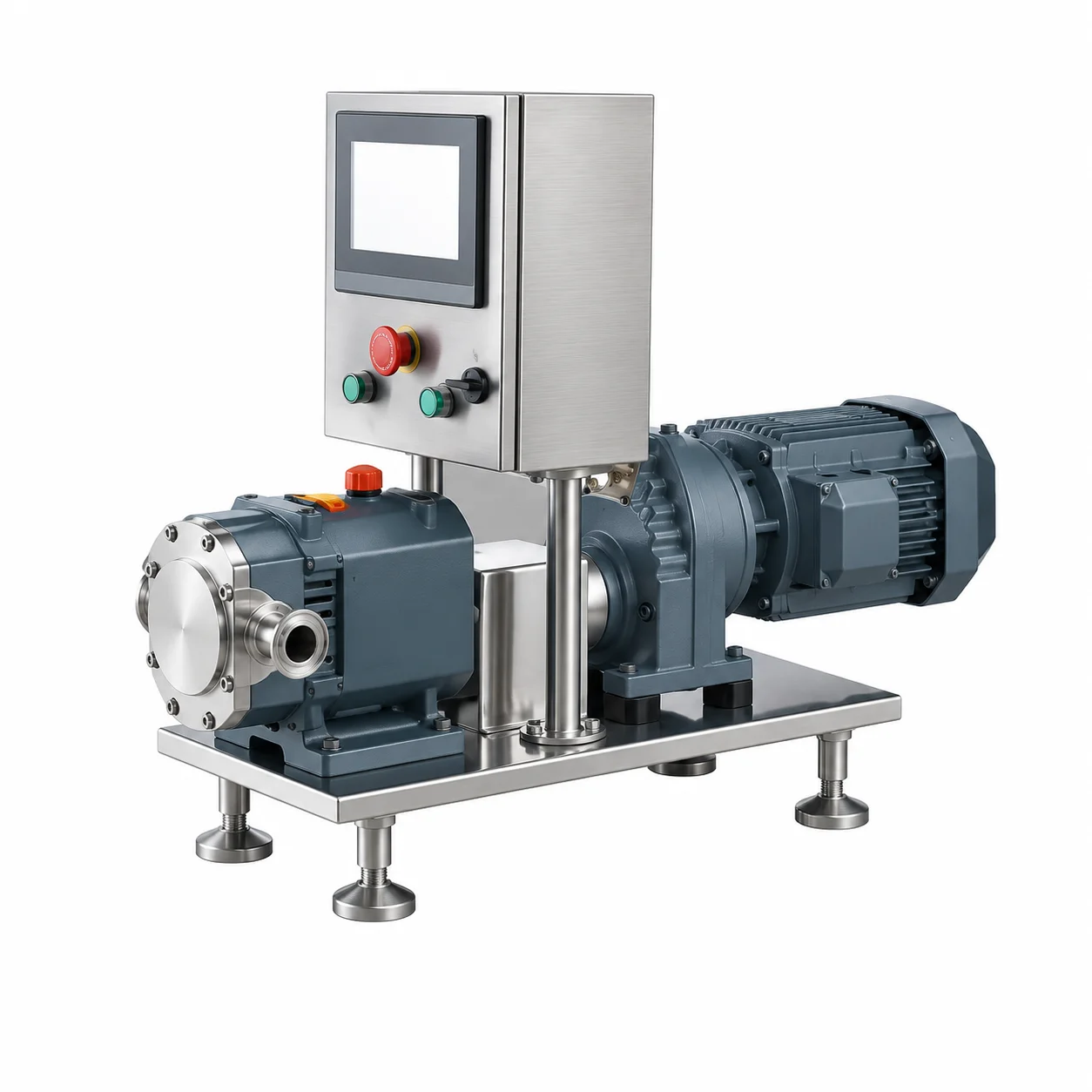
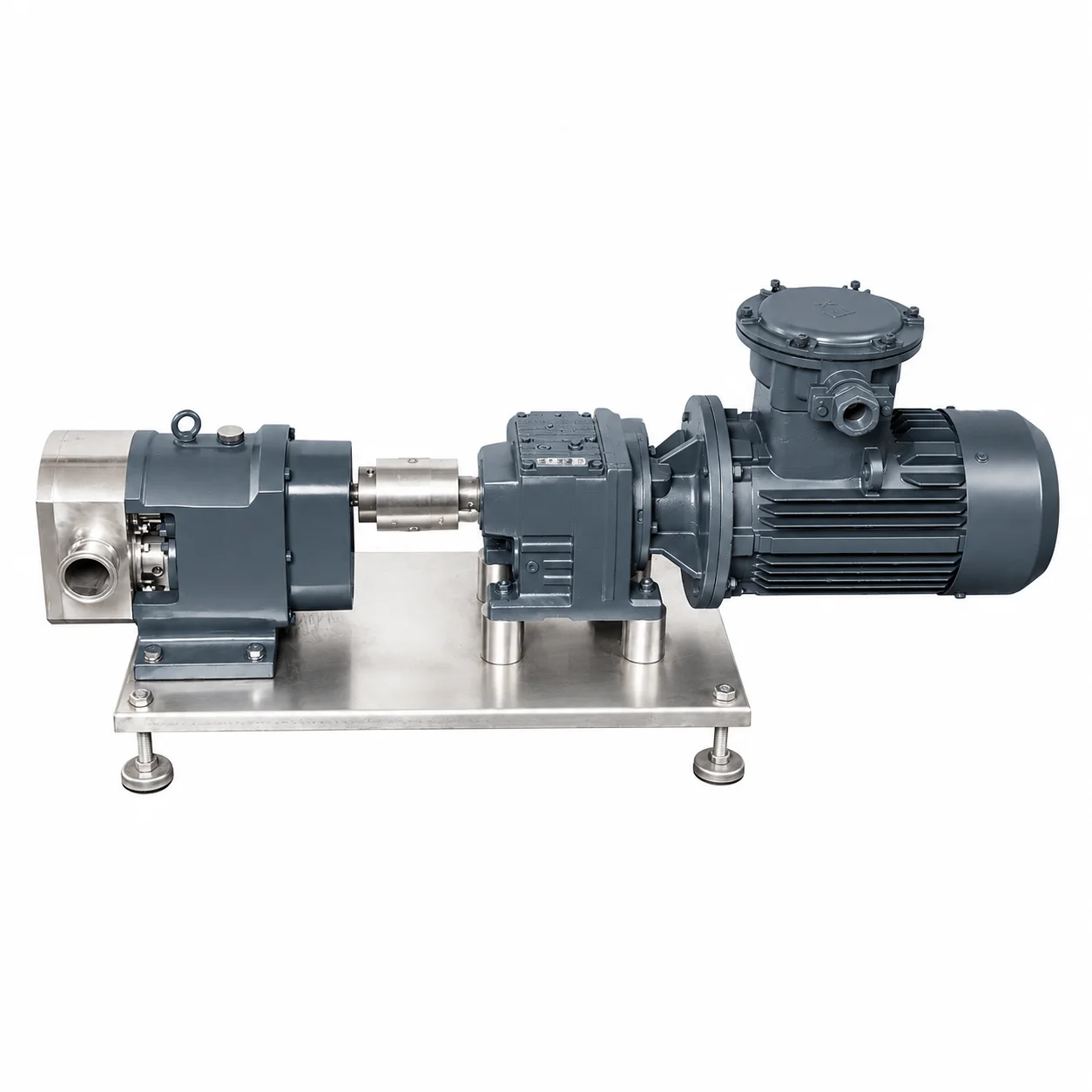
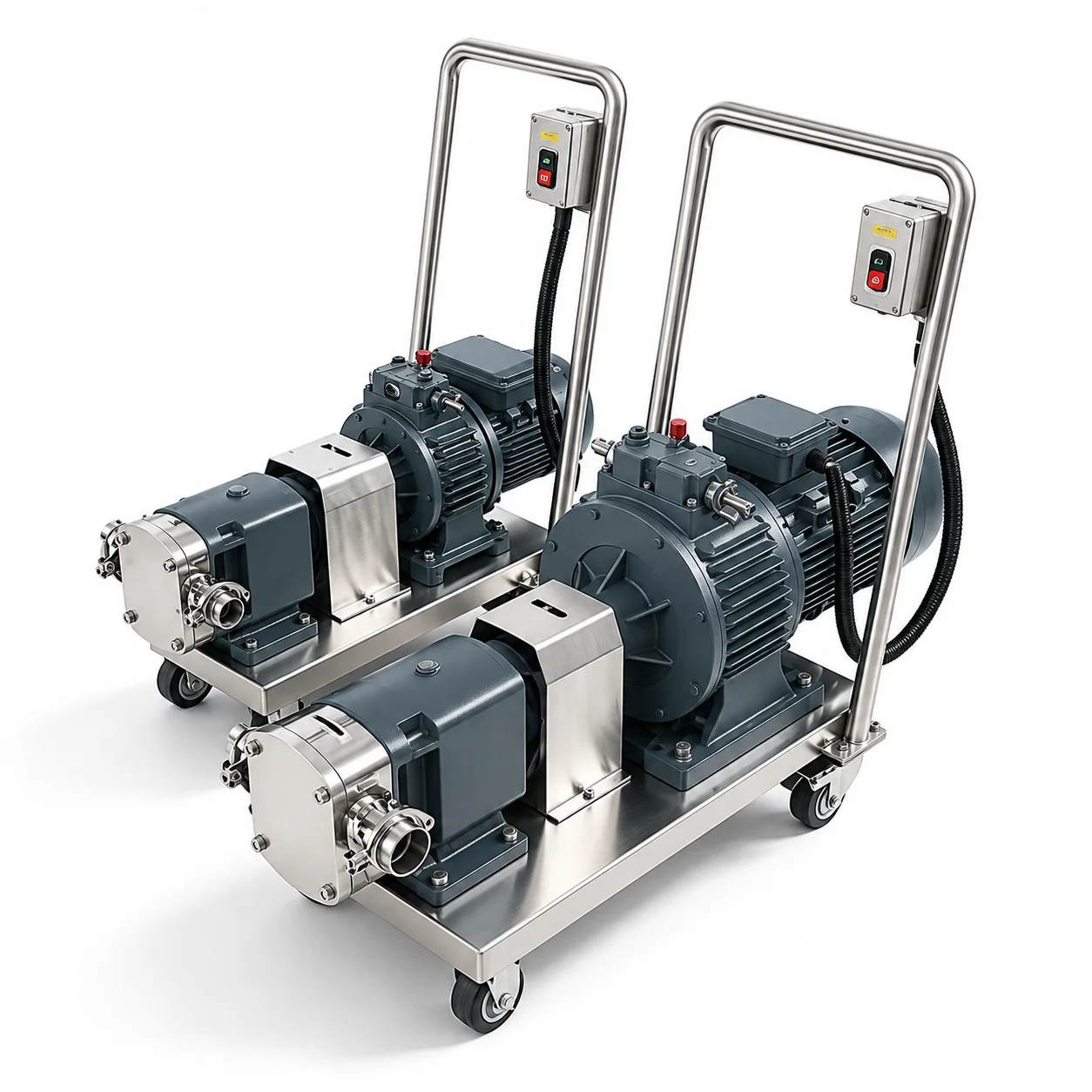
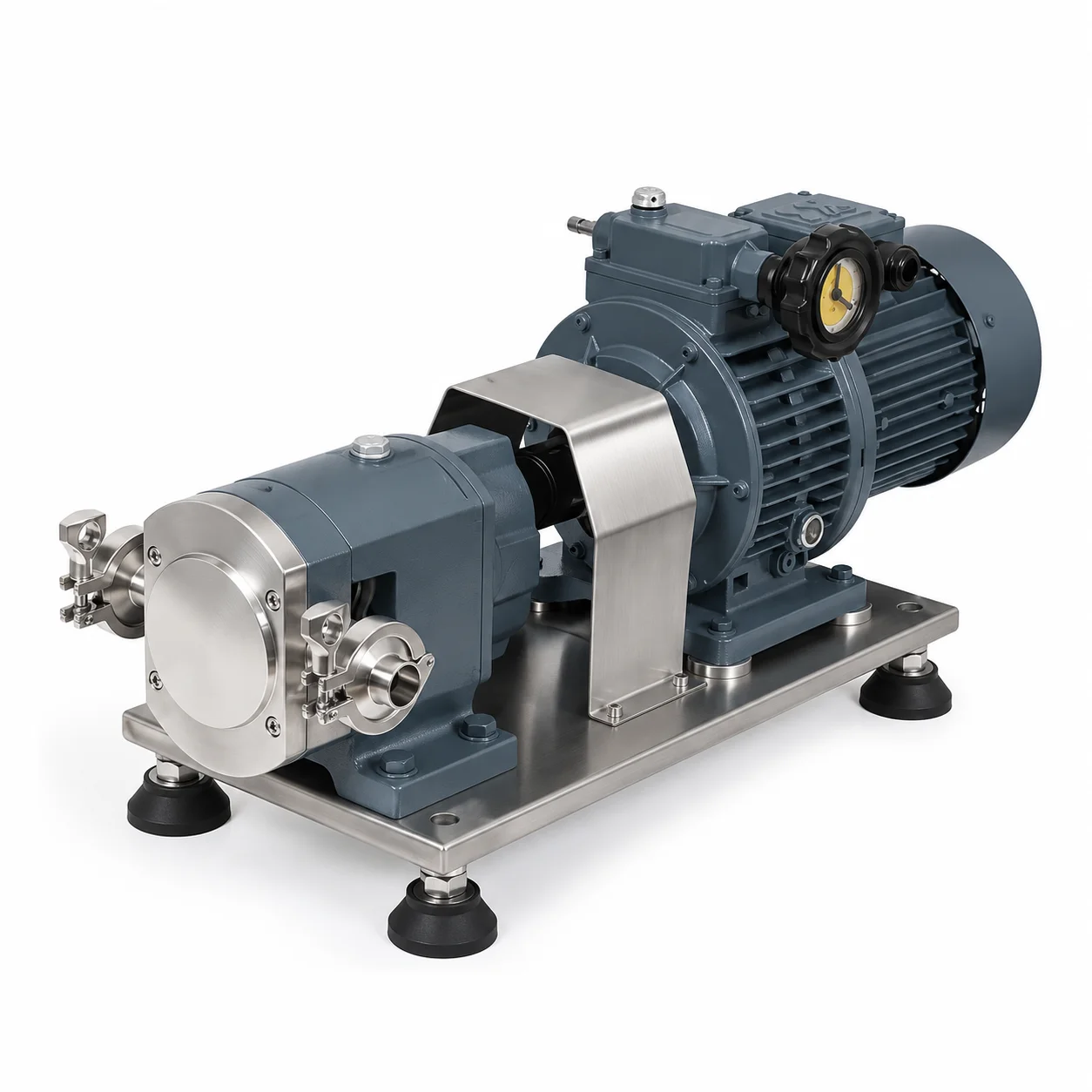
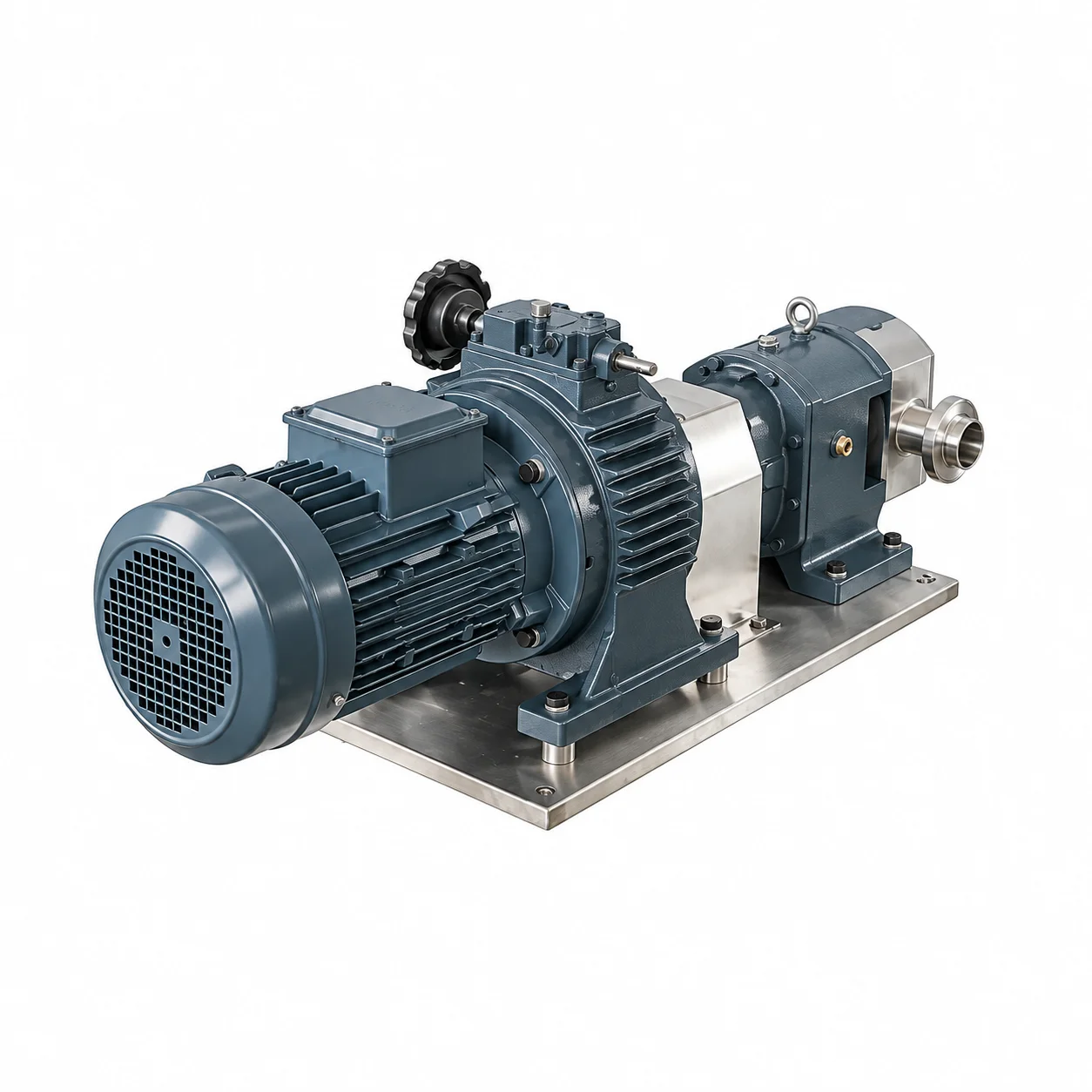
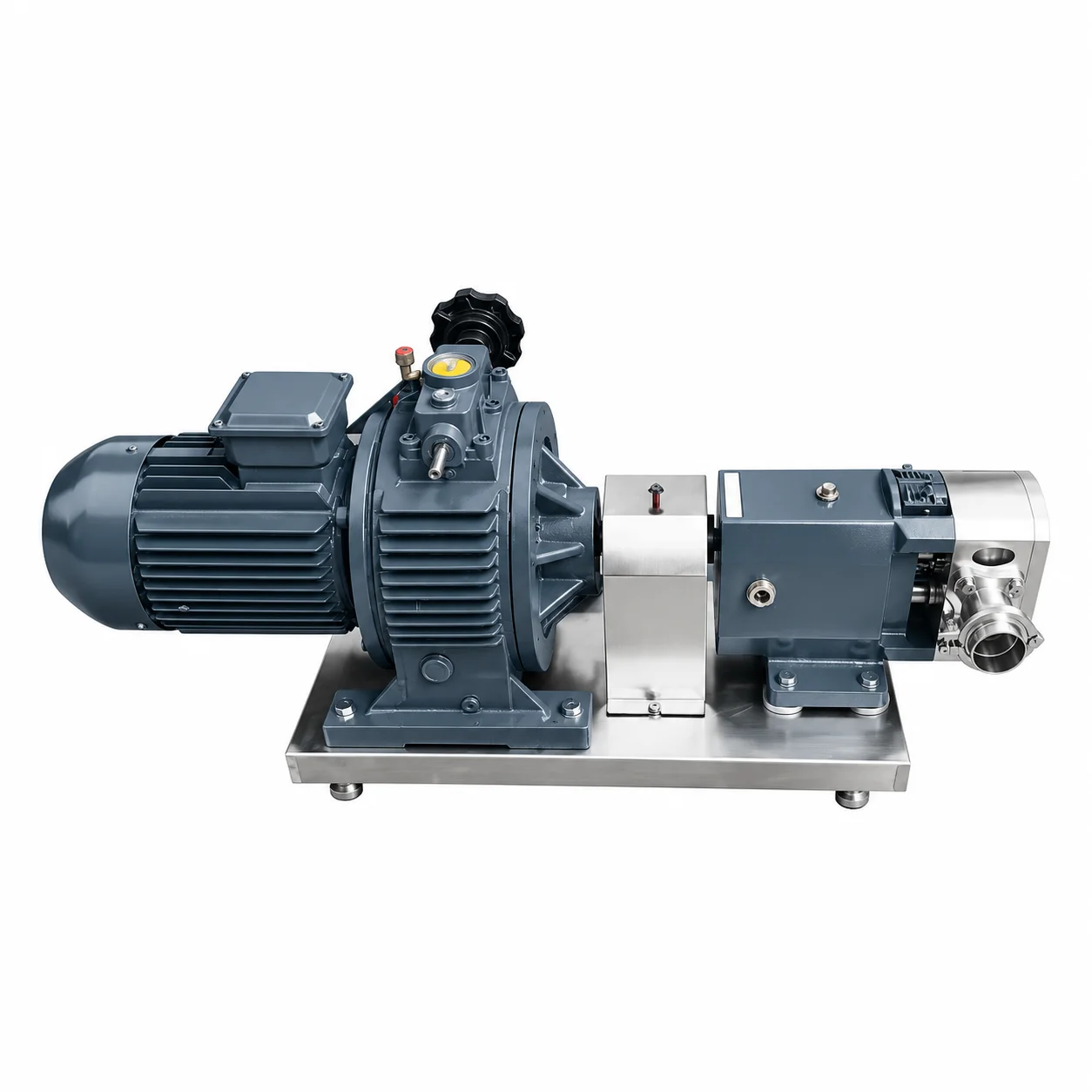
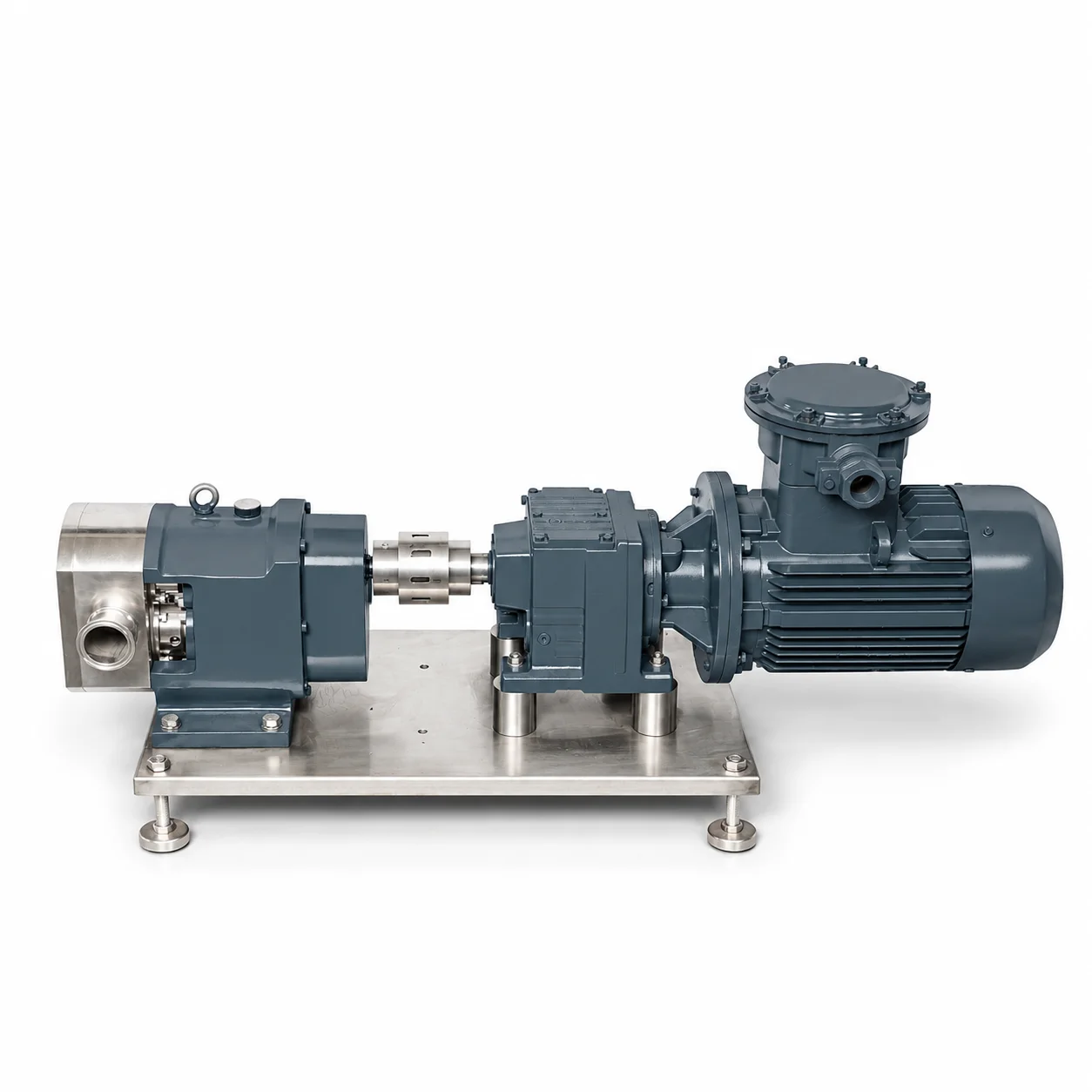
We offer an SS304 stainless steel, low pressure pump set to transfer high viscosity syrup and chocolate. Provide more information about the specifics of your process to allow us to determine the best pump set up and process connections to use.
库存 100 件
Rotor Optional
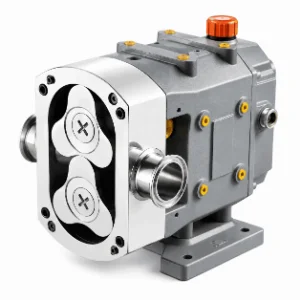
Three-Lobe Rotor
Applicable Liquids:
- Suitable for creams, liquids and sauces with low, medium and high viscosity, uniform texture and no hard granules.
- Example: Chocolate, honey, mashed potatoes and ice cream.
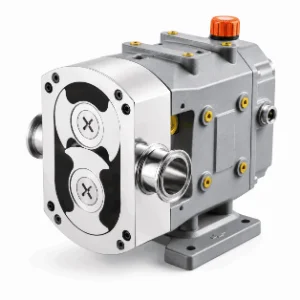
Butterfly Rotor
Applicable Liquids:
- Suitable for shear-free, non-destructive transfer of soft-grained sauces and small-particle materials.
- Example: Jam, pulp, juice, jelly and tomato sauce.
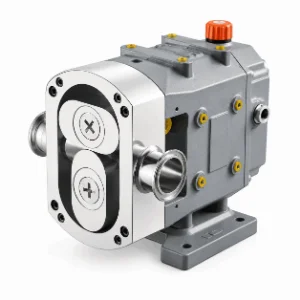
Single-Lobe Rotor
Applicable Liquids:
- Suitable for conveying materials containing larger solid particles while maintaining stable transfer.
- Example: Rock salt, chilli sauce and peanut butter.
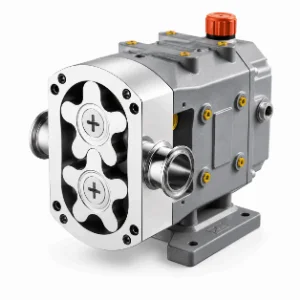
Multi-Lobe Rotor
Applicable Liquids:
- Suitable for creams, liquids and sauces with low, medium and high viscosity where higher output accuracy and smooth flow are required.
- Example: Chocolate, honey, cream, yoghurt, butter and grease.
Parameter Chart
| Model | Flow per 100 Rotation |
Power (kW) |
Suggested RPM |
Capacity (L/H) |
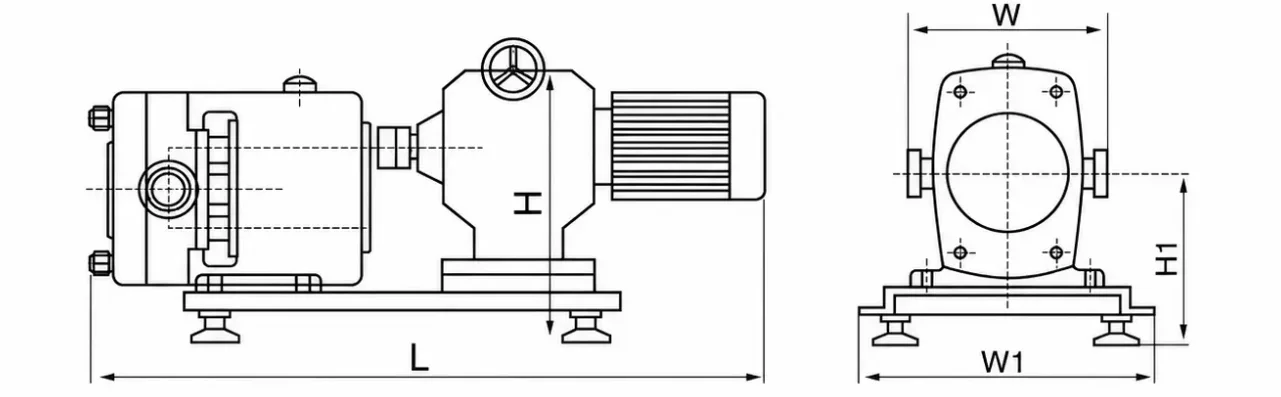
Diameter | L | H | H1 | W | W1 | Connection Type |
|---|---|---|---|---|---|---|---|---|---|---|---|
| ZB3A-3 | 3L | 0.55 | 200-500 | 300-800 | Φ25×1.5 | 710 | 290 | 150 | 150 | 240 | Clamp / Thread / Flange |
| ZB3A-6 | 6L | 0.75 | 200-500 | 650-1600 | Φ25×1.5 | 780 | 390 | 170 | 190 | 240 | Clamp / Thread / Flange |
| ZB3A-8 | 8L | 1.5 | 200-500 | 850-2160 | Φ38×1.5 | 850 | 400 | 170 | 190 | 280 | Clamp / Thread / Flange |
| ZB3A-12 | 12L | 2.2 | 200-500 | 1300-3200 | Φ38×1.5 | 980 | 450 | 185 | 220 | 330 | Clamp / Thread / Flange |
| ZB3A-20 | 20L | 3 | 200-500 | 2100-5400 | Φ38×1.5 | 1000 | 450 | 190 | 250 | 330 | Clamp / Thread / Flange |
| ZB3A-30 | 30L | 4 | 200-500 | 3200-6400 | Φ50.8×1.5 | 1050 | 480 | 220 | 270 | 350 | Clamp / Thread / Flange |
| ZB3A-36 | 36L | 4 | 200-400 | 3800-7600 | Φ50.8×1.5 | 1100 | 490 | 220 | 270 | 360 | Clamp / Thread / Flange |
| ZB3A-52 | 52L | 5.5 | 200-400 | 5600-11000 | Φ63×1.5 | 1250 | 580 | 260 | 270 | 480 | Clamp / Thread / Flange |
| ZB3A-66 | 66L | 7.5 | 200-400 | 7100-14000 | Φ76×1.5 | 1350 | 600 | 260 | 270 | 480 | Clamp / Thread / Flange |
| ZB3A-78 | 78L | 7.5 | 200-400 | 9000-18000 | Φ76×1.5 | 1260 | 600 | 295 | 370 | 480 | Clamp / Thread / Flange |
| ZB3A-100 | 100L | 11 | 200-400 | 11000-22000 | Φ76×2 | 1320 | 670 | 295 | 370 | 480 | Clamp / Thread / Flange |
| ZB3A-135 | 135L | 15 | 200-400 | 15000-30000 | Φ89×2 | 1500 | 670 | 295 | 370 | 480 | Clamp / Thread / Flange |
| ZB3A-160 | 160L | 18.5 | 200-400 | 17000-34000 | Φ102×3 | 1500 | 720 | 320 | 420 | 560 | Clamp / Thread / Flange |
| ZB3A-200 | 200L | 22 | 200-400 | 21600-43000 | Φ102×3 | 1500 | 720 | 320 | 420 | 560 | Clamp / Thread / Flange |
| ZB3A-300 | 300L | 30 | 200-400 | 32400-64800 | Φ125×3 | 1650 | 800 | 400 | 480 | 620 | Clamp / Thread / Flange |
| ZB3A-400 | 400L | 37 | 200-400 | 43200-86400 | Φ150×3 | 1700 | 800 | 400 | 480 | 620 | Clamp / Thread / Flange |
To transfer higher viscosity products such as syrup or chocolate we offer a geared pump or a suction lobe pump as shown on the product title.
The design and operation of both of these types of pumps should be verified to ensure they are compatible with the end users application to transfer product from one stage to the next on a production line.
Challenges in Pumping Syrups and Chocolates
While syrups and chocolates are relatively fluid products compared to most, they still present challenges to pump manufacturers to transfer them in a continuous manner especially if they vary in viscosity and consistency.
When determining the suitability of a pump to transfer a given product it is necessary to assess the true requirements of the product including its temperature.
Gear Pump Construction
A gear pump is constructed of two meshing gears which rotate within a housing to move liquid through the space between the gears and the housing.
Product is drawn into the pump via a low pressure area formed by the separation of the meshing gears at the inlet of the pump.
Liquid is then displaced to the outlet of the pump by the meshing gears.
Positive displacement pumps are used to transfer fluid with higher viscosity.
Suction Lobe Pump Operation
A suction lobe pump, as used in the configuration shown on the title, employs rotating lobes to draw product into the pump.
The title does not show how this pump is coupled to other components or controlled.
Before purchase the end user should determine the flow path of the system to fully evaluate this pump’s application.
Material Considerations
Stainless steel construction of SS304 provides ease of clean up and conforms to the requirements of many food processing applications.
Examine the materials of each component that comes into contact with process fluid and establish the cleaning procedure to be used.
Operating Pressure Requirements
Pumps, in general, require very low operating pressure.
Select the pump that will meet the requirements of the process to transfer the fluid to the next piece of equipment in the process.
Pumping Challenges
Pumping syrup and chocolate presents no particular difficulty.
Problems can arise when trying to initiate the flow of the product to begin pump operation.
Similarities Between Pump Types
Lobe pumps and gear pumps are similar in operation and both may be used in the configuration shown on the drawings.
Determine the operation of each pump in the system prior to specifying controls and connections.
Temperature Considerations
Syrup flow can be improved by lowering its temperature.
For a given syrup concentration, the lower the temperature, the easier it is to pump.
Chocolate must also be pumped at a temperature low enough to permit flow.
Factors to Consider When Pumping
When pumping chocolate or syrup consider the temperature of the product, the viscosity of the fluid, the elevation difference between the tank and the pump (suction lift) and the restrictions in the line and in downstream equipment.
The pump may be fabricated of 304 stainless steel.
The seals and connections to the pump are to be determined.
Information Required for Pump Recommendation
To accurately recommend a pump, provide the following information: temperature of the product to be pumped; flow rate and pressure required; suction and discharge connection size; method of cleaning the pump; and the space available for installation of the pump.
Testing Components
Test seals and other components against chemical aggressivity of the process and clean up chemicals.
Why This Configuration?
Pump users wishing to transfer chocolate or syrup of the type described in this document would benefit from using this configuration since a low pressure pump would be used to do so.
To achieve optimal performance the user must check the complete system to ensure compatibility with the other components of the system, i.e. tanks, piping, and processing equipment.
How to Use
State the desired flow rate and the operating pressure of the system.
Indicate the type and viscosity of the syrup or chocolate to be transferred and the operating temperature.
Give particulars of the tank from which the syrup or chocolate is to be pumped including level and suction lift.
Indicate the standard of connections to be used on the pump and the space available for installation.
State the scope of SS304 wetted parts of the pump and the sealing arrangement to be used.
Request the pump and controls used in each case of the gear pump and suction lobe pump.
What Syrup or Chocolate is to be Pumped?
Chocolate or syrup of your choice to be transferred to the system at the specified flow rate and pressure.
What does SS304 mean?
Stainless steel 304 is stated, this does not verify that all wetted parts of the system are of this material.
Why are both a gear and suction lobe pump mentioned?
To transfer chocolate or syrup of the viscosity described in this case a configuration using both types of pumps may be employed.
Request a configuration drawing to ensure compatibility before ordering.
Can the pump handle chocolate at varying temperatures?
The product doesn’t include an operating temperature range, so the best way to determine suitability is to provide the temperature of the chocolate you wish to pump.
What pressure and flow rate can the pump operate at?
Information for these parameters is not included in the product title.
Provide full details of the operating conditions along with the model number to ensure the performance data is given for the pump most suitable for your application.
What material are the seals made from? What are the pump connections at the inlet and outlet? What type of motor does it use?
This information is not included in the product title.
When requesting a quote, include the information mentioned above along with your requirements for control of the pump.
Request a Configuration Review
Provide us with as much detail as you can about the chocolate you wish to transport including the flow rate and pressure requirements, the temperature of the chocolate, and how far it needs to be transported.
We can let you know what pump would be most appropriate to use and provide you with a quote.

To transfer higher viscosity products such as syrup or chocolate we offer a geared pump or a suction lobe pump as shown on the product title.
The design and operation of both of these types of pumps should be verified to ensure they are compatible with the end users application to transfer product from one stage to the next on a production line.
Challenges in Pumping Syrups and Chocolates
While syrups and chocolates are relatively fluid products compared to most, they still present challenges to pump manufacturers to transfer them in a continuous manner especially if they vary in viscosity and consistency.
When determining the suitability of a pump to transfer a given product it is necessary to assess the true requirements of the product including its temperature.
Gear Pump Construction
A gear pump is constructed of two meshing gears which rotate within a housing to move liquid through the space between the gears and the housing.
Product is drawn into the pump via a low pressure area formed by the separation of the meshing gears at the inlet of the pump.
Liquid is then displaced to the outlet of the pump by the meshing gears.
Positive displacement pumps are used to transfer fluid with higher viscosity.
Suction Lobe Pump Operation
A suction lobe pump, as used in the configuration shown on the title, employs rotating lobes to draw product into the pump.
The title does not show how this pump is coupled to other components or controlled.
Before purchase the end user should determine the flow path of the system to fully evaluate this pump’s application.
Material Considerations
Stainless steel construction of SS304 provides ease of clean up and conforms to the requirements of many food processing applications.
Examine the materials of each component that comes into contact with process fluid and establish the cleaning procedure to be used.
Operating Pressure Requirements
Pumps, in general, require very low operating pressure.
Select the pump that will meet the requirements of the process to transfer the fluid to the next piece of equipment in the process.
Pumping Challenges
Pumping syrup and chocolate presents no particular difficulty.
Problems can arise when trying to initiate the flow of the product to begin pump operation.
Similarities Between Pump Types
Lobe pumps and gear pumps are similar in operation and both may be used in the configuration shown on the drawings.
Determine the operation of each pump in the system prior to specifying controls and connections.
Temperature Considerations
Syrup flow can be improved by lowering its temperature.
For a given syrup concentration, the lower the temperature, the easier it is to pump.
Chocolate must also be pumped at a temperature low enough to permit flow.
Factors to Consider When Pumping
When pumping chocolate or syrup consider the temperature of the product, the viscosity of the fluid, the elevation difference between the tank and the pump (suction lift) and the restrictions in the line and in downstream equipment.
The pump may be fabricated of 304 stainless steel.
The seals and connections to the pump are to be determined.
Information Required for Pump Recommendation
To accurately recommend a pump, provide the following information: temperature of the product to be pumped; flow rate and pressure required; suction and discharge connection size; method of cleaning the pump; and the space available for installation of the pump.
Testing Components
Test seals and other components against chemical aggressivity of the process and clean up chemicals.
Why This Configuration?
Pump users wishing to transfer chocolate or syrup of the type described in this document would benefit from using this configuration since a low pressure pump would be used to do so.
To achieve optimal performance the user must check the complete system to ensure compatibility with the other components of the system, i.e. tanks, piping, and processing equipment.
How to Use
State the desired flow rate and the operating pressure of the system.
Indicate the type and viscosity of the syrup or chocolate to be transferred and the operating temperature.
Give particulars of the tank from which the syrup or chocolate is to be pumped including level and suction lift.
Indicate the standard of connections to be used on the pump and the space available for installation.
State the scope of SS304 wetted parts of the pump and the sealing arrangement to be used.
Request the pump and controls used in each case of the gear pump and suction lobe pump.
What Syrup or Chocolate is to be Pumped?
Chocolate or syrup of your choice to be transferred to the system at the specified flow rate and pressure.
What does SS304 mean?
Stainless steel 304 is stated, this does not verify that all wetted parts of the system are of this material.
Why are both a gear and suction lobe pump mentioned?
To transfer chocolate or syrup of the viscosity described in this case a configuration using both types of pumps may be employed.
Request a configuration drawing to ensure compatibility before ordering.
Can the pump handle chocolate at varying temperatures?
The product doesn’t include an operating temperature range, so the best way to determine suitability is to provide the temperature of the chocolate you wish to pump.
What pressure and flow rate can the pump operate at?
Information for these parameters is not included in the product title.
Provide full details of the operating conditions along with the model number to ensure the performance data is given for the pump most suitable for your application.
What material are the seals made from? What are the pump connections at the inlet and outlet? What type of motor does it use?
This information is not included in the product title.
When requesting a quote, include the information mentioned above along with your requirements for control of the pump.
Request a Configuration Review
Provide us with as much detail as you can about the chocolate you wish to transport including the flow rate and pressure requirements, the temperature of the chocolate, and how far it needs to be transported.
We can let you know what pump would be most appropriate to use and provide you with a quote.

MAECENAS IACULIS
Vestibulum curae torquent diam diam commodo parturient penatibus nunc dui adipiscing convallis bulum parturient suspendisse parturient a.Parturient in parturient scelerisque nibh lectus quam a natoque adipiscing a vestibulum hendrerit et pharetra fames nunc natoque dui.
ADIPISCING CONVALLIS BULUM
- Vestibulum penatibus nunc dui adipiscing convallis bulum parturient suspendisse.
- Abitur parturient praesent lectus quam a natoque adipiscing a vestibulum hendre.
- Diam parturient dictumst parturient scelerisque nibh lectus.
Scelerisque adipiscing bibendum sem vestibulum et in a a a purus lectus faucibus lobortis tincidunt purus lectus nisl class eros.Condimentum a et ullamcorper dictumst mus et tristique elementum nam inceptos hac parturient scelerisque vestibulum amet elit ut volutpat.