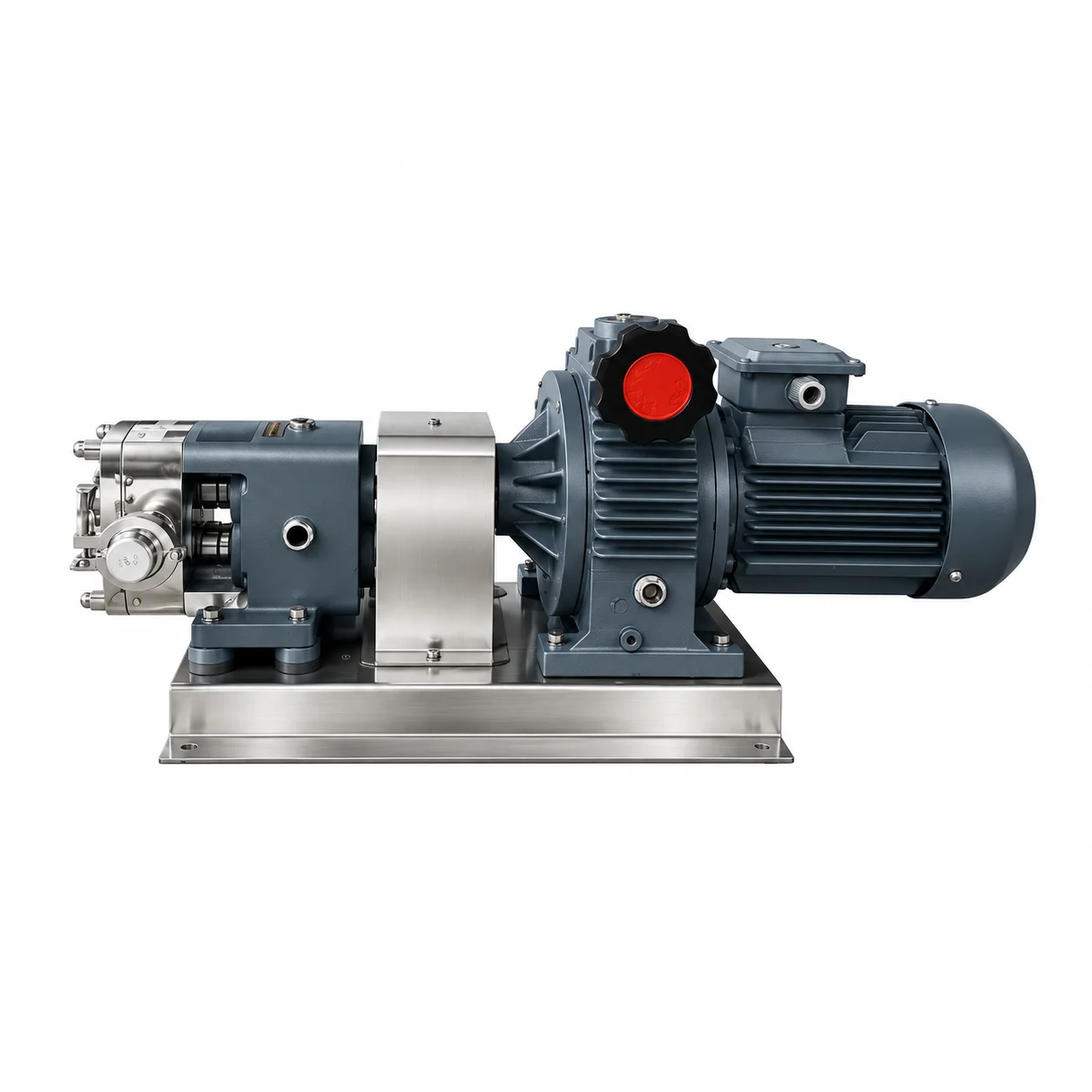
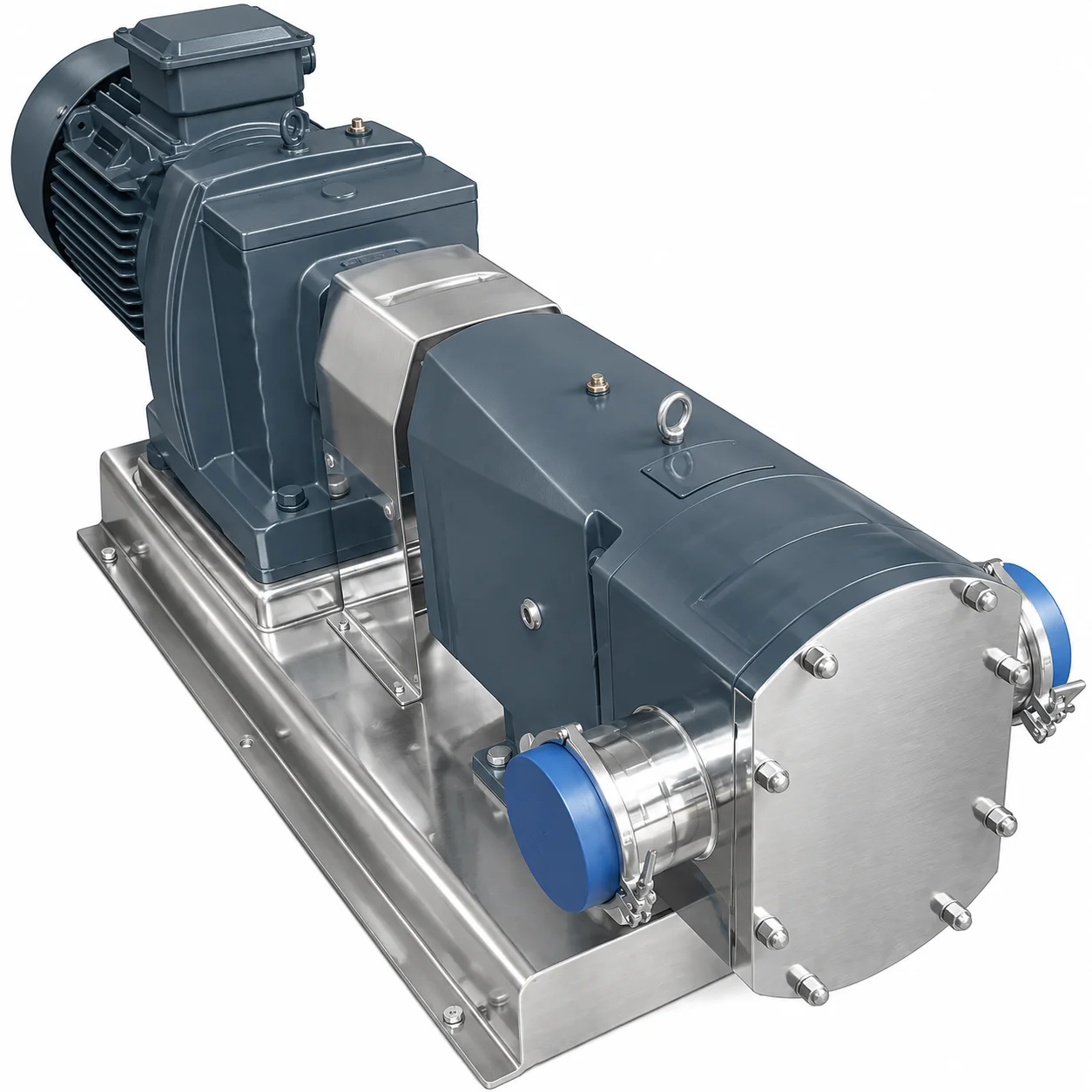
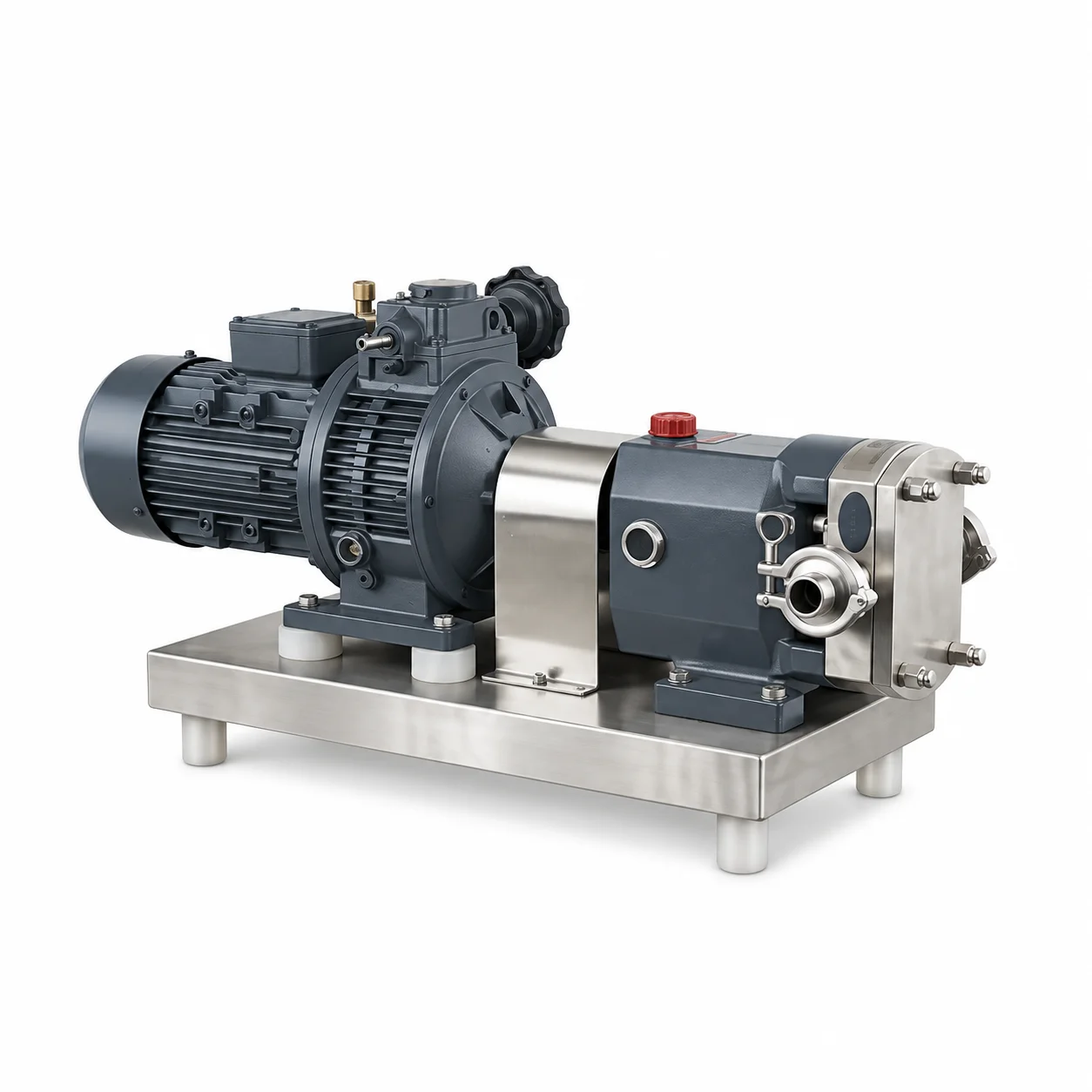
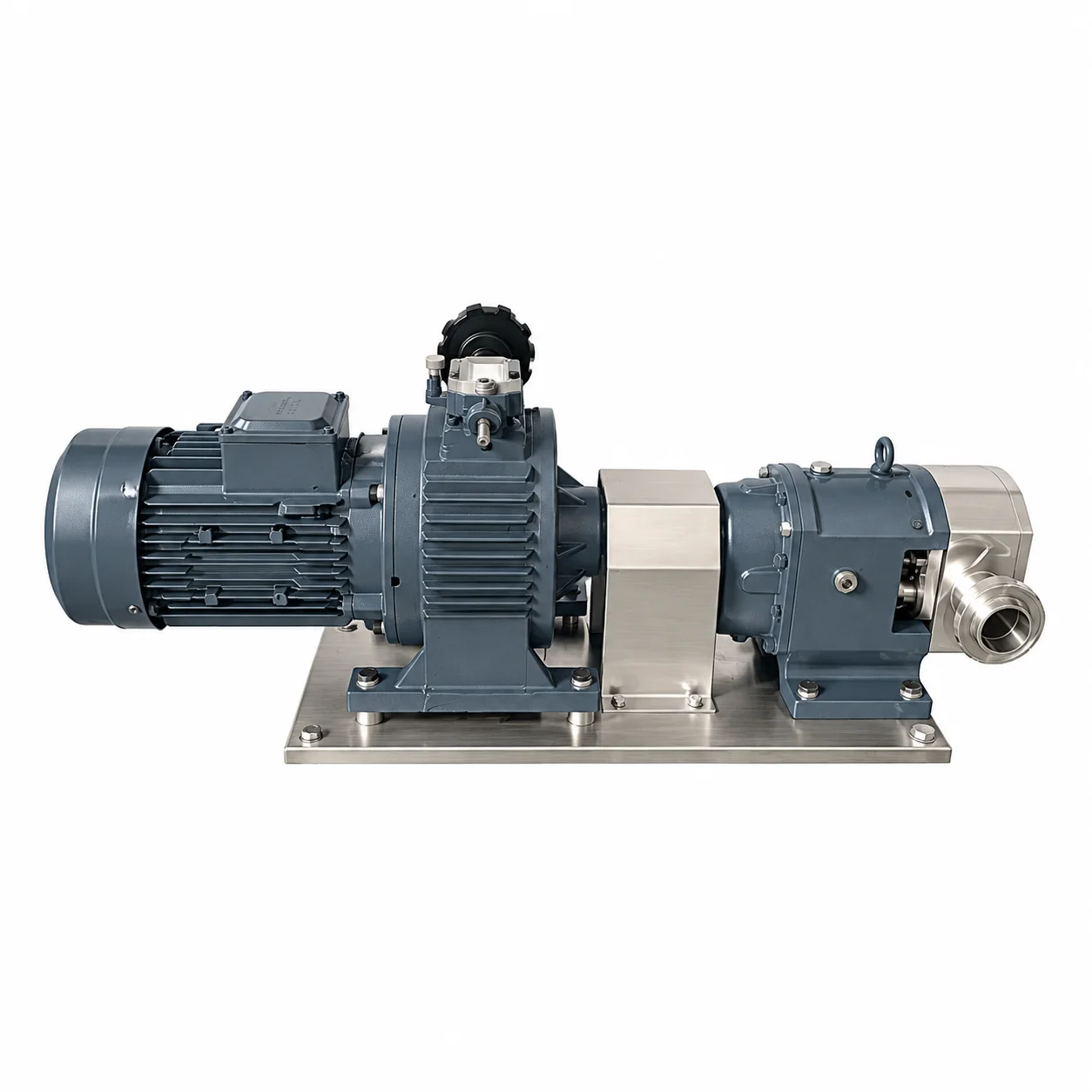
Tri-Lobe Pump for Jam, Peanut Butter, and Thick Sauces
$2,618.14 原价为:$2,618.14。$1,895.30当前价格为:$1,895.30。
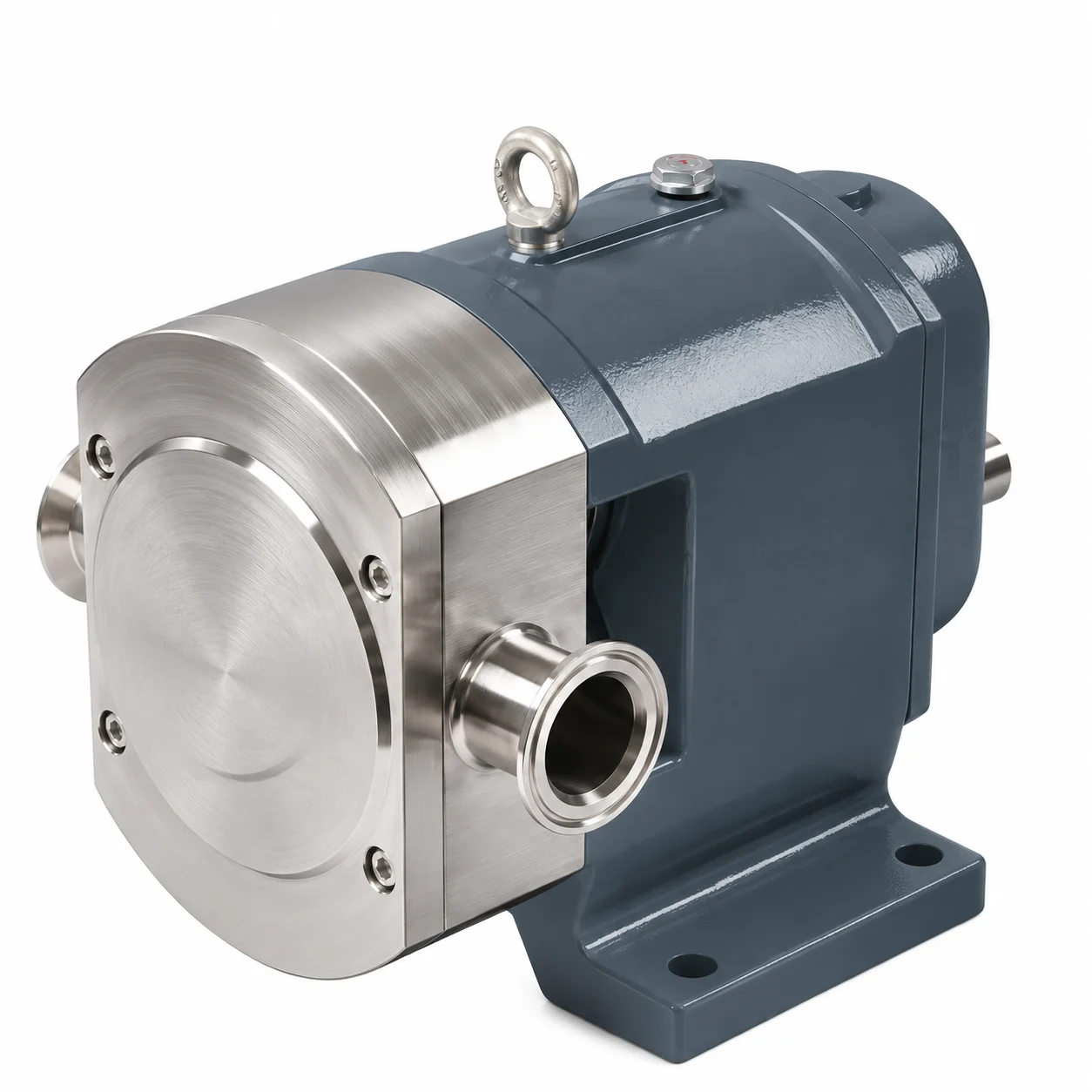
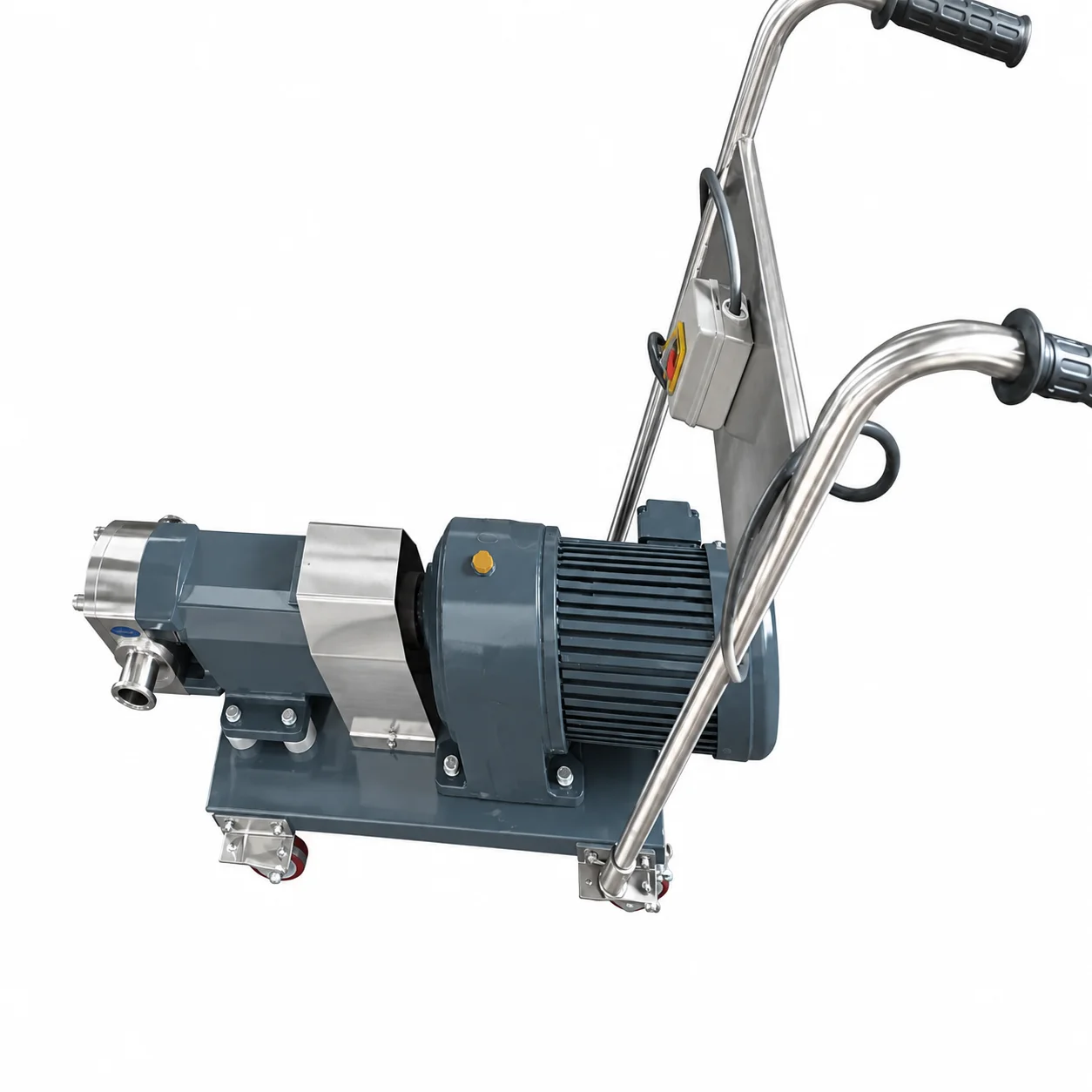
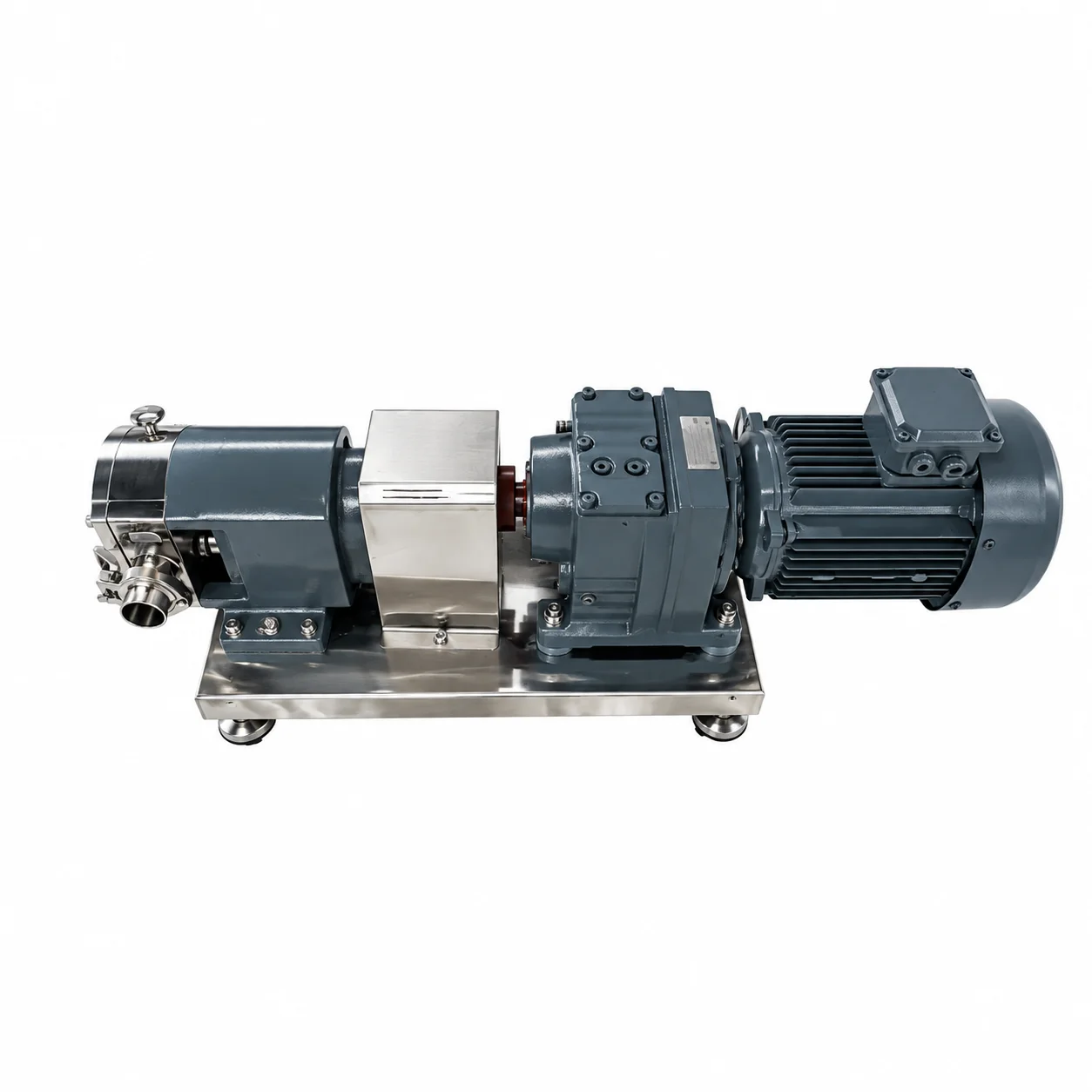
We provide a tri-lobe pump for transferring thick foods like jam, peanut butter, mayonnaise and mustard to and from processing equipment. We will assist you in sizing this pump to the particular product being processed, the temperature of that product and the flow requirements of your processing line.
库存 100 件
Rotor Optional
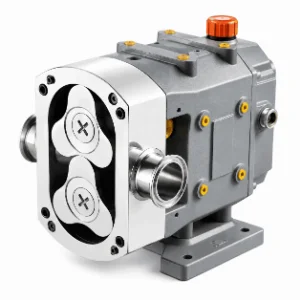
Three-Lobe Rotor
Applicable Liquids:
- Suitable for creams, liquids and sauces with low, medium and high viscosity, uniform texture and no hard granules.
- Example: Chocolate, honey, mashed potatoes and ice cream.
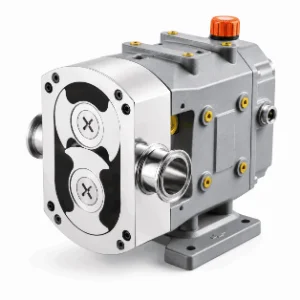
Butterfly Rotor
Applicable Liquids:
- Suitable for shear-free, non-destructive transfer of soft-grained sauces and small-particle materials.
- Example: Jam, pulp, juice, jelly and tomato sauce.
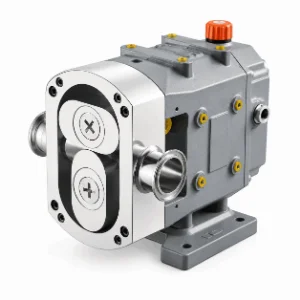
Single-Lobe Rotor
Applicable Liquids:
- Suitable for conveying materials containing larger solid particles while maintaining stable transfer.
- Example: Rock salt, chilli sauce and peanut butter.
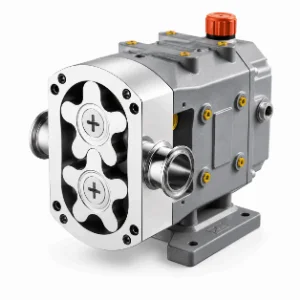
Multi-Lobe Rotor
Applicable Liquids:
- Suitable for creams, liquids and sauces with low, medium and high viscosity where higher output accuracy and smooth flow are required.
- Example: Chocolate, honey, cream, yoghurt, butter and grease.
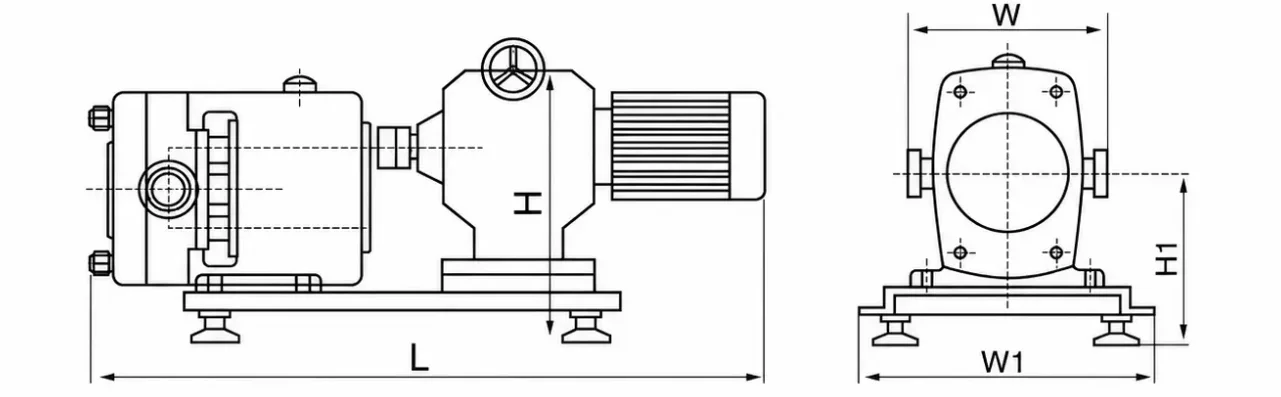
Parameter Chart
| Model | Flow per 100 Rotation |
Power (kW) |
Suggested RPM |
Capacity (L/H) |
Diameter | L | H | H1 | W | W1 | Connection Type |
|---|---|---|---|---|---|---|---|---|---|---|---|
| ZB3A-3 | 3L | 0.55 | 200-500 | 300-800 | Φ25×1.5 | 710 | 290 | 150 | 150 | 240 | Clamp / Thread / Flange |
| ZB3A-6 | 6L | 0.75 | 200-500 | 650-1600 | Φ25×1.5 | 780 | 390 | 170 | 190 | 240 | Clamp / Thread / Flange |
| ZB3A-8 | 8L | 1.5 | 200-500 | 850-2160 | Φ38×1.5 | 850 | 400 | 170 | 190 | 280 | Clamp / Thread / Flange |
| ZB3A-12 | 12L | 2.2 | 200-500 | 1300-3200 | Φ38×1.5 | 980 | 450 | 185 | 220 | 330 | Clamp / Thread / Flange |
| ZB3A-20 | 20L | 3 | 200-500 | 2100-5400 | Φ38×1.5 | 1000 | 450 | 190 | 250 | 330 | Clamp / Thread / Flange |
| ZB3A-30 | 30L | 4 | 200-500 | 3200-6400 | Φ50.8×1.5 | 1050 | 480 | 220 | 270 | 350 | Clamp / Thread / Flange |
| ZB3A-36 | 36L | 4 | 200-400 | 3800-7600 | Φ50.8×1.5 | 1100 | 490 | 220 | 270 | 360 | Clamp / Thread / Flange |
| ZB3A-52 | 52L | 5.5 | 200-400 | 5600-11000 | Φ63×1.5 | 1250 | 580 | 260 | 270 | 480 | Clamp / Thread / Flange |
| ZB3A-66 | 66L | 7.5 | 200-400 | 7100-14000 | Φ76×1.5 | 1350 | 600 | 260 | 270 | 480 | Clamp / Thread / Flange |
| ZB3A-78 | 78L | 7.5 | 200-400 | 9000-18000 | Φ76×1.5 | 1260 | 600 | 295 | 370 | 480 | Clamp / Thread / Flange |
| ZB3A-100 | 100L | 11 | 200-400 | 11000-22000 | Φ76×2 | 1320 | 670 | 295 | 370 | 480 | Clamp / Thread / Flange |
| ZB3A-135 | 135L | 15 | 200-400 | 15000-30000 | Φ89×2 | 1500 | 670 | 295 | 370 | 480 | Clamp / Thread / Flange |
| ZB3A-160 | 160L | 18.5 | 200-400 | 17000-34000 | Φ102×3 | 1500 | 720 | 320 | 420 | 560 | Clamp / Thread / Flange |
| ZB3A-200 | 200L | 22 | 200-400 | 21600-43000 | Φ102×3 | 1500 | 720 | 320 | 420 | 560 | Clamp / Thread / Flange |
| ZB3A-300 | 300L | 30 | 200-400 | 32400-64800 | Φ125×3 | 1650 | 800 | 400 | 480 | 620 | Clamp / Thread / Flange |
| ZB3A-400 | 400L | 37 | 200-400 | 43200-86400 | Φ150×3 | 1700 | 800 | 400 | 480 | 620 | Clamp / Thread / Flange |
We have available a twin rotor pump with three lobes to transfer high viscosity food products such as jams, peanut butter and mayonnaise.
Transferring some foods can be difficult as peanut butter can stick to the walls of the tube and jam may contain whole fruit pieces which should not be broken down. Mayonnaise is easily damaged by shear stress. We consider many factors to determine which pump will work best for the transfer of high viscosity foods and not treat them generically as a group.
In a rotary lobe pump, the two rotors turn in opposite directions to one another.
As the lobes separate product enters the space between the rotor and the housing of the pump to the other side of the chamber to be transported to the outlet and discharged to the pipeline. To prevent the lobes from touching one another timing gears are used to synchronize the rotation of the two rotors.
To increase the flow rate of the product through the pump the rotor speed may be increased.
Increasing the rotor speed of the pump may actually decrease the flow rate of the product through the inlet of the pump. We evaluate inlet conditions to determine an optimal rotor speed.
Jams can be pumped from a cooking vessel to a staging tank or to a filling hopper to feed a flowing pack machine.
We look at maximum size of fruit pieces to determine the type and size of strainers to use.
Peanut butter: We transfer both smooth and chunky peanut butter using heat to soften the product.
After pump is stopped the product hardens and becomes much more difficult to pump.
Mustard sauce and other thick food pastes: We move these products to a packaging machine.
Recirculation through the pump can be used to reduce shear in the product.
Depending on the type of ingredients used to make the sauce, we may have to determine if there will be increased wear on the pump.
We select pumps of the type rotary lobe with 2 three lobe rotors for transfer of food products mentioned above. The type of alloy used in the cams of the rotors needs to be confirmed to the specific product contact surfaces.
The operating conditions of the pump need to be determined to confirm the differential pressure across the pump to select the appropriate size drive.
For food contact surfaces, elastomers used for seals also need to be selected to be in contact with the food.
Some plants utilize CIP procedures to clean the lines between batches.
Others may require documentation showing that equipment is made of food grade materials with appropriate surface finishes. Confirm these requirements with us prior to order, to verify the design meets your needs.
Why select a Tri-Lobe pump for this application?
When a pump is oversized to accommodate the easiest product to transfer on the line, it may not be able to transfer more viscous, or higher volume products. We suggest sizing the pump to accommodate the most difficult product to transfer on the line. Additionally, easy access to the pump seals and head may also be desirable to minimize product build up and also aid in the removal of possible allergens.
How do we determine the size of the pump for transfer?
Provide the characteristics of the product to be transferred including viscosity, size and consistency of any solids present.
Provide information on the elevation of the product vessels and transfer distances, piping size, fittings and the equipment to be fed.
Indicate the volume to be transferred, so we can estimate the vacuum required and the pressure the pump will need to generate.
Indicate the method to be used for cleaning the pump and the voltage of the power supply.
Based on this information we will provide the size of the gear box and motor to meet the requirements of the application.
You will need to implement appropriate overpressure protection measures to account for the potential rapid pressure buildup by the positive displacement pump against a closed discharge.
Frequently Asked Questions
Does this pump have the potential to jam with fruit pieces?
Probabilities of jamming increase with larger and more fragile pieces of fruit. To definitively answer this question, you would have to test the pump with a sample of the product you wish to transport.
Could the pump initially prime with cold peanut butter?
To answer this question we would need to know the type and size of the equipment that you would be using to transport the product as well as the minimum starting temperature of the product.
How can shear be minimized when transferring mayonnaise?
Check that the piping system and fittings are large enough to accommodate the volume of mayonnaise that needs to be transferred to reduce the number of times the product is handled.
Would this pump be able to transfer product to a jar filling machine?
If the inlet pressure of the filler machine is less than the pressure generated by the pump it should be able to transfer product to the filler.
If the filler withdraws product intermittently, a buffer hopper may be needed along with a control valve to synchronize the operation of the filler and the pump.
Would the use of a tri-lobe rotor in the pump head ensure compliance with food contact?
No. As described, the rotor may come in contact with various alloys and finishes which could be detrimental to food safety. Therefore, the entire pump assembly should be evaluated to ensure that it meets food contact safety requirements for the application.
Would the pump be compatible for use in a continuous cleaning in place process to clear product build-up between different recipes?
Probably not, unless the pump head and seal arrangement allows for the complete removal of the product. Even then, the design of the pump and valves should allow complete product to be flushed from the piping.
Request a Configuration and Quote
If you supply more information on the product to be transferred (temperature, flow rate, viscosity, etc.) along with a line diagram showing the piping and fittings, we may be able to suggest modifications to the pump and provide a price quote.

We have available a twin rotor pump with three lobes to transfer high viscosity food products such as jams, peanut butter and mayonnaise.
Transferring some foods can be difficult as peanut butter can stick to the walls of the tube and jam may contain whole fruit pieces which should not be broken down. Mayonnaise is easily damaged by shear stress. We consider many factors to determine which pump will work best for the transfer of high viscosity foods and not treat them generically as a group.
In a rotary lobe pump, the two rotors turn in opposite directions to one another.
As the lobes separate product enters the space between the rotor and the housing of the pump to the other side of the chamber to be transported to the outlet and discharged to the pipeline. To prevent the lobes from touching one another timing gears are used to synchronize the rotation of the two rotors.
To increase the flow rate of the product through the pump the rotor speed may be increased.
Increasing the rotor speed of the pump may actually decrease the flow rate of the product through the inlet of the pump. We evaluate inlet conditions to determine an optimal rotor speed.
Jams can be pumped from a cooking vessel to a staging tank or to a filling hopper to feed a flowing pack machine.
We look at maximum size of fruit pieces to determine the type and size of strainers to use.
Peanut butter: We transfer both smooth and chunky peanut butter using heat to soften the product.
After pump is stopped the product hardens and becomes much more difficult to pump.
Mustard sauce and other thick food pastes: We move these products to a packaging machine.
Recirculation through the pump can be used to reduce shear in the product.
Depending on the type of ingredients used to make the sauce, we may have to determine if there will be increased wear on the pump.
We select pumps of the type rotary lobe with 2 three lobe rotors for transfer of food products mentioned above. The type of alloy used in the cams of the rotors needs to be confirmed to the specific product contact surfaces.
The operating conditions of the pump need to be determined to confirm the differential pressure across the pump to select the appropriate size drive.
For food contact surfaces, elastomers used for seals also need to be selected to be in contact with the food.
Some plants utilize CIP procedures to clean the lines between batches.
Others may require documentation showing that equipment is made of food grade materials with appropriate surface finishes. Confirm these requirements with us prior to order, to verify the design meets your needs.
Why select a Tri-Lobe pump for this application?
When a pump is oversized to accommodate the easiest product to transfer on the line, it may not be able to transfer more viscous, or higher volume products. We suggest sizing the pump to accommodate the most difficult product to transfer on the line. Additionally, easy access to the pump seals and head may also be desirable to minimize product build up and also aid in the removal of possible allergens.
How do we determine the size of the pump for transfer?
Provide the characteristics of the product to be transferred including viscosity, size and consistency of any solids present.
Provide information on the elevation of the product vessels and transfer distances, piping size, fittings and the equipment to be fed.
Indicate the volume to be transferred, so we can estimate the vacuum required and the pressure the pump will need to generate.
Indicate the method to be used for cleaning the pump and the voltage of the power supply.
Based on this information we will provide the size of the gear box and motor to meet the requirements of the application.
You will need to implement appropriate overpressure protection measures to account for the potential rapid pressure buildup by the positive displacement pump against a closed discharge.
Frequently Asked Questions
Does this pump have the potential to jam with fruit pieces?
Probabilities of jamming increase with larger and more fragile pieces of fruit. To definitively answer this question, you would have to test the pump with a sample of the product you wish to transport.
Could the pump initially prime with cold peanut butter?
To answer this question we would need to know the type and size of the equipment that you would be using to transport the product as well as the minimum starting temperature of the product.
How can shear be minimized when transferring mayonnaise?
Check that the piping system and fittings are large enough to accommodate the volume of mayonnaise that needs to be transferred to reduce the number of times the product is handled.
Would this pump be able to transfer product to a jar filling machine?
If the inlet pressure of the filler machine is less than the pressure generated by the pump it should be able to transfer product to the filler.
If the filler withdraws product intermittently, a buffer hopper may be needed along with a control valve to synchronize the operation of the filler and the pump.
Would the use of a tri-lobe rotor in the pump head ensure compliance with food contact?
No. As described, the rotor may come in contact with various alloys and finishes which could be detrimental to food safety. Therefore, the entire pump assembly should be evaluated to ensure that it meets food contact safety requirements for the application.
Would the pump be compatible for use in a continuous cleaning in place process to clear product build-up between different recipes?
Probably not, unless the pump head and seal arrangement allows for the complete removal of the product. Even then, the design of the pump and valves should allow complete product to be flushed from the piping.
Request a Configuration and Quote
If you supply more information on the product to be transferred (temperature, flow rate, viscosity, etc.) along with a line diagram showing the piping and fittings, we may be able to suggest modifications to the pump and provide a price quote.

MAECENAS IACULIS
Vestibulum curae torquent diam diam commodo parturient penatibus nunc dui adipiscing convallis bulum parturient suspendisse parturient a.Parturient in parturient scelerisque nibh lectus quam a natoque adipiscing a vestibulum hendrerit et pharetra fames nunc natoque dui.
ADIPISCING CONVALLIS BULUM
- Vestibulum penatibus nunc dui adipiscing convallis bulum parturient suspendisse.
- Abitur parturient praesent lectus quam a natoque adipiscing a vestibulum hendre.
- Diam parturient dictumst parturient scelerisque nibh lectus.
Scelerisque adipiscing bibendum sem vestibulum et in a a a purus lectus faucibus lobortis tincidunt purus lectus nisl class eros.Condimentum a et ullamcorper dictumst mus et tristique elementum nam inceptos hac parturient scelerisque vestibulum amet elit ut volutpat.