Stainless Steel Sinusoidal Pump for Thick Foods
Stainless Steel Sinusoidal Pump for Thick Foods 原价为:$2,750.24。当前价格为:$1,842.35。
返回产品
Low-RPM Food-Grade Rotary Lobe Pump for Honey & Syrup
Low-RPM Food-Grade Rotary Lobe Pump for Honey & Syrup 原价为:$2,217.66。当前价格为:$1,558.74。

316L Low-Pressure Sanitary Cam Pump for Food & Beverages

原价为:$2,910.61。当前价格为:$1,970.37。

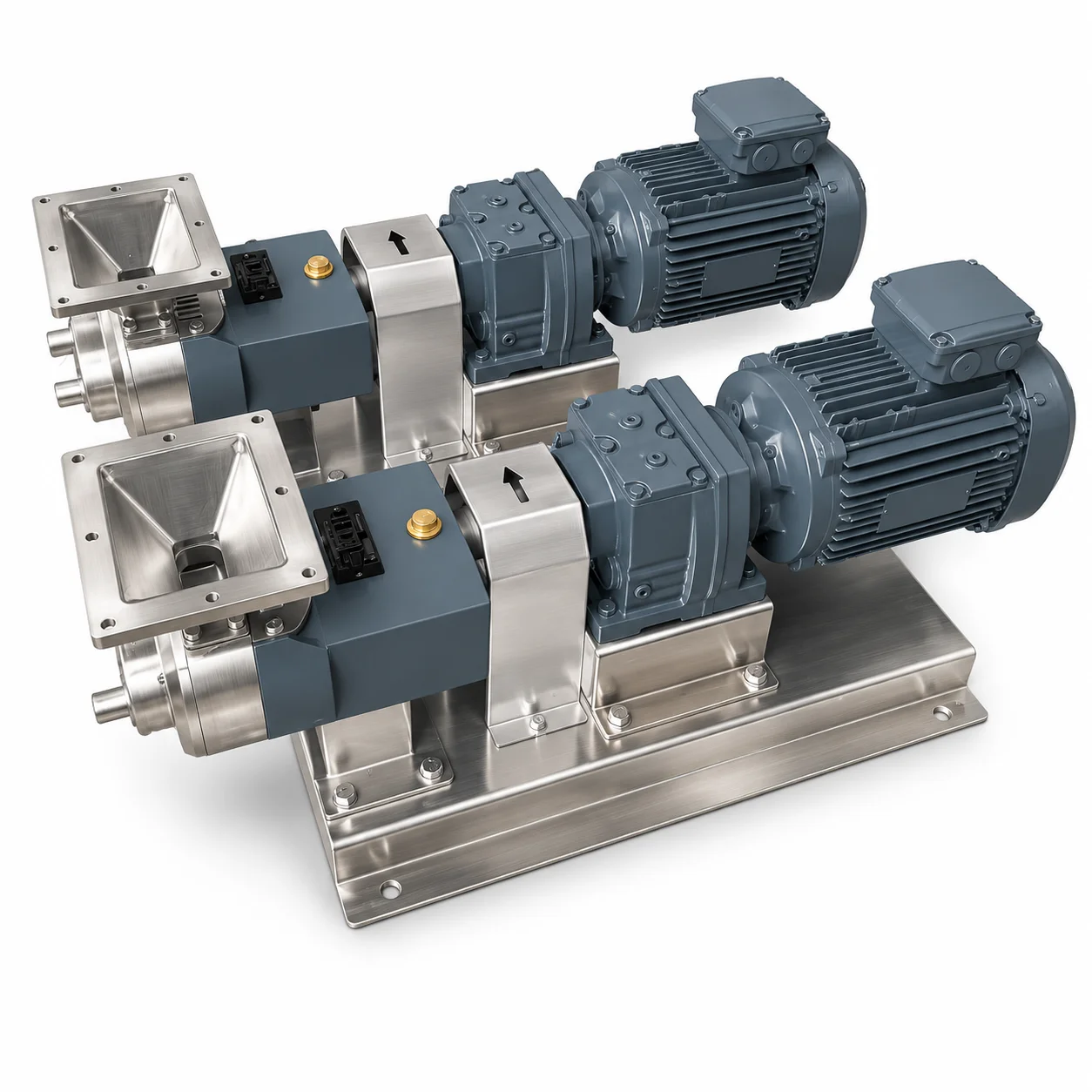
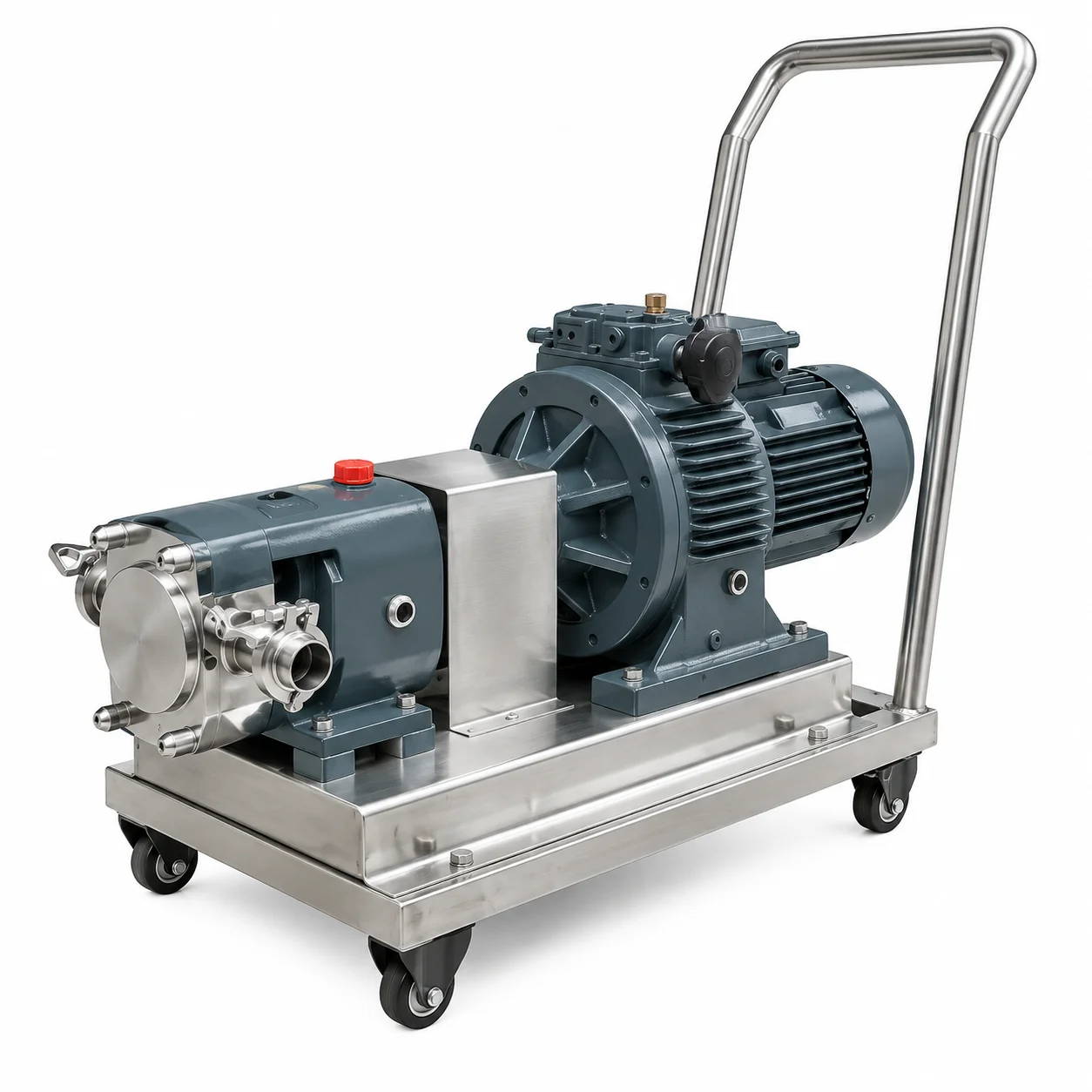
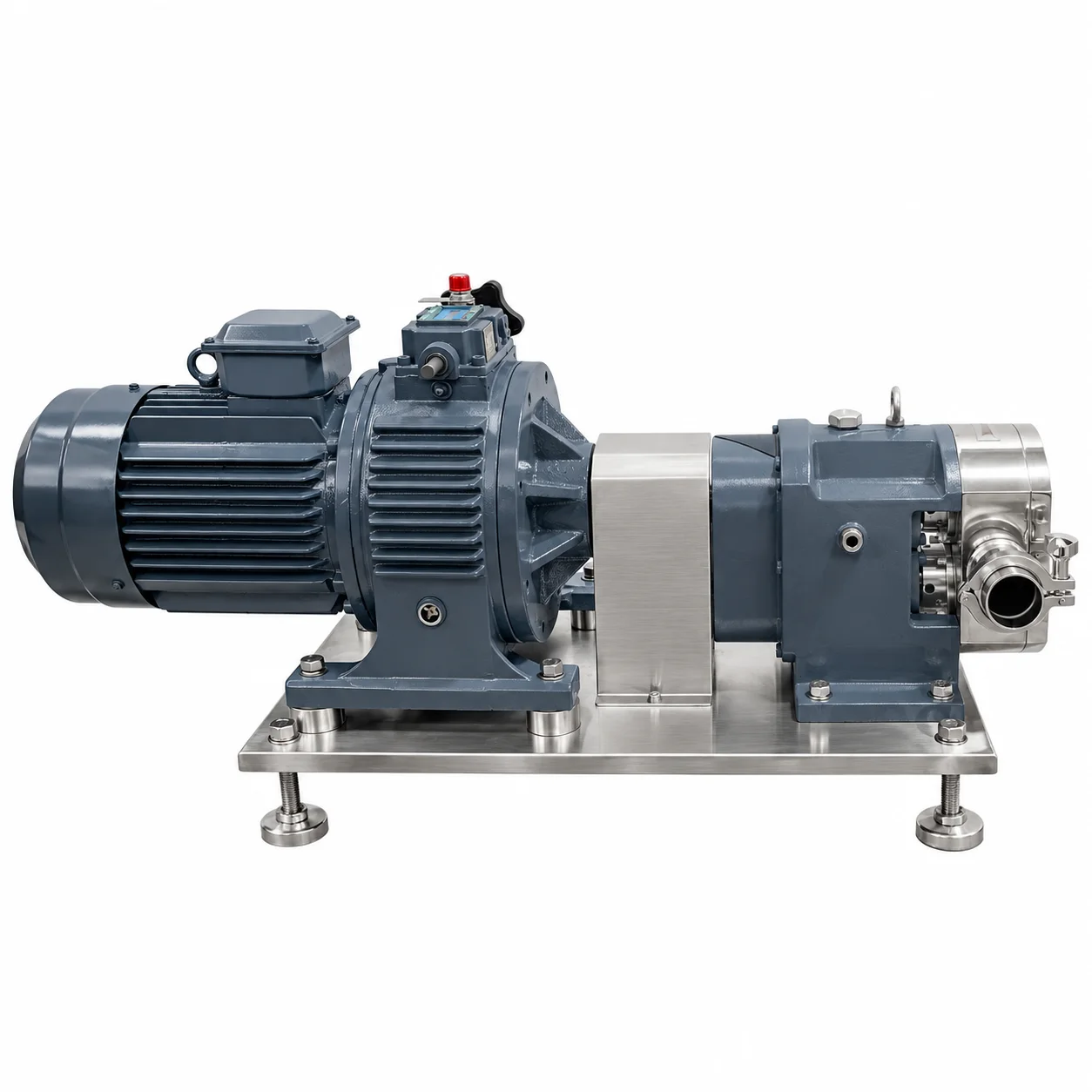
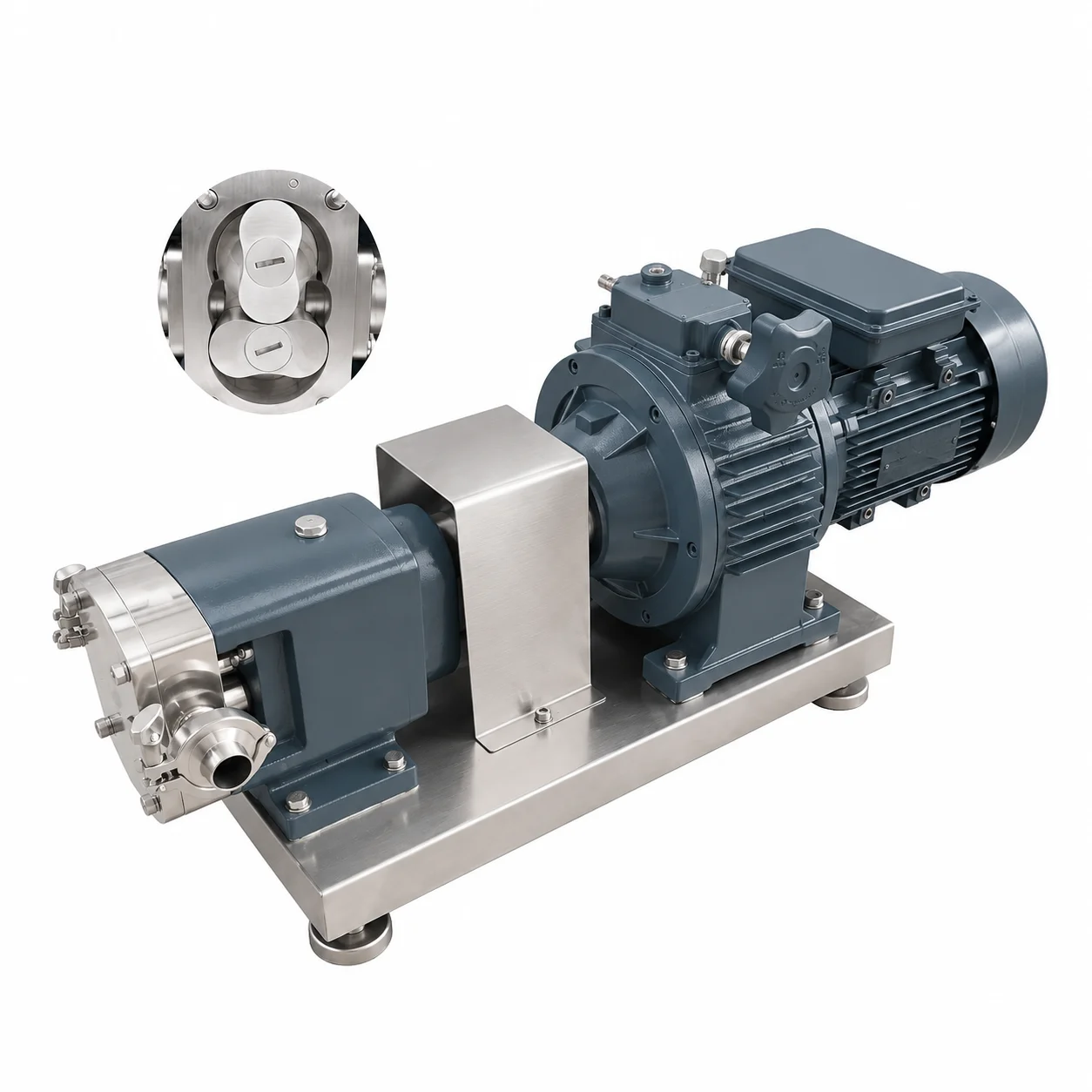
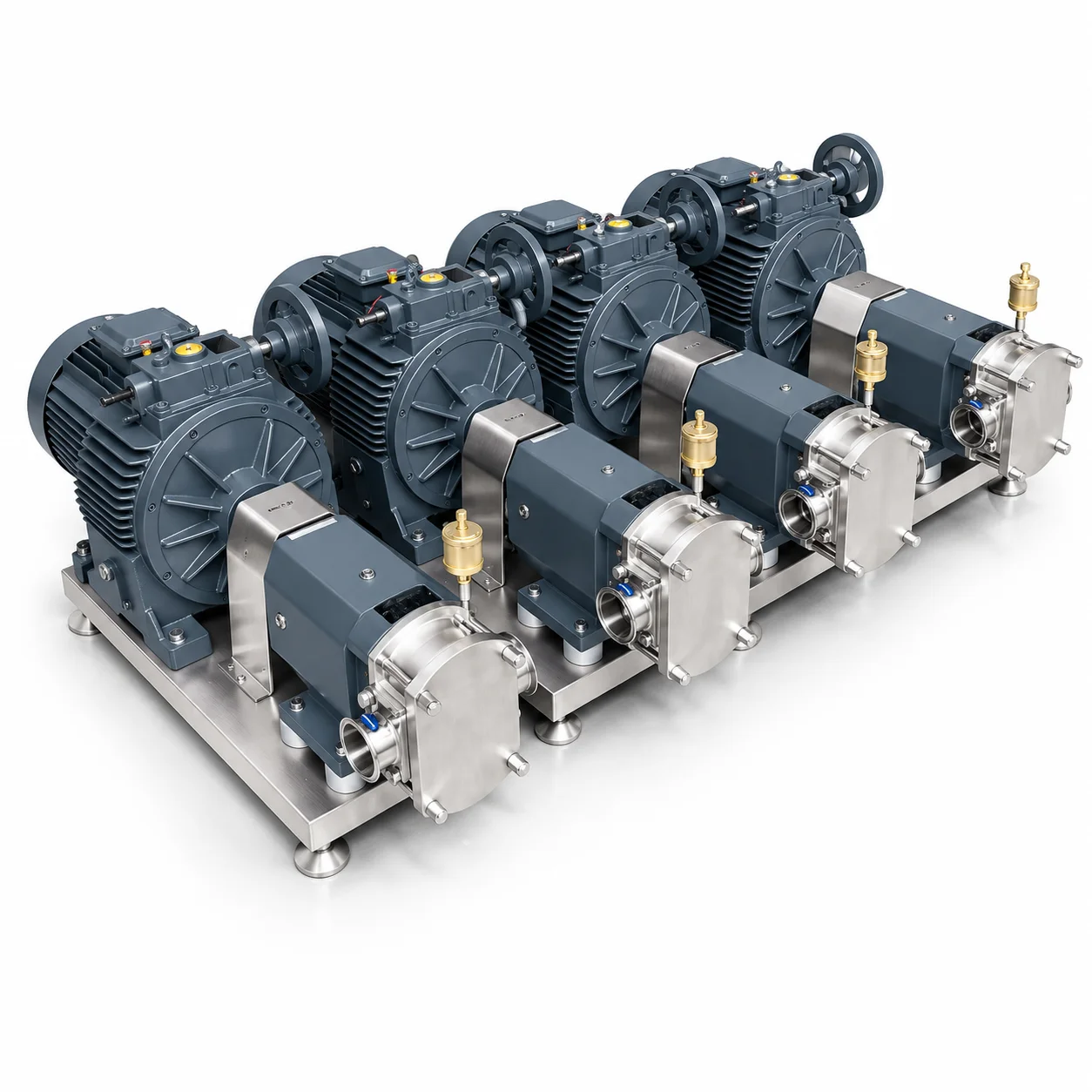
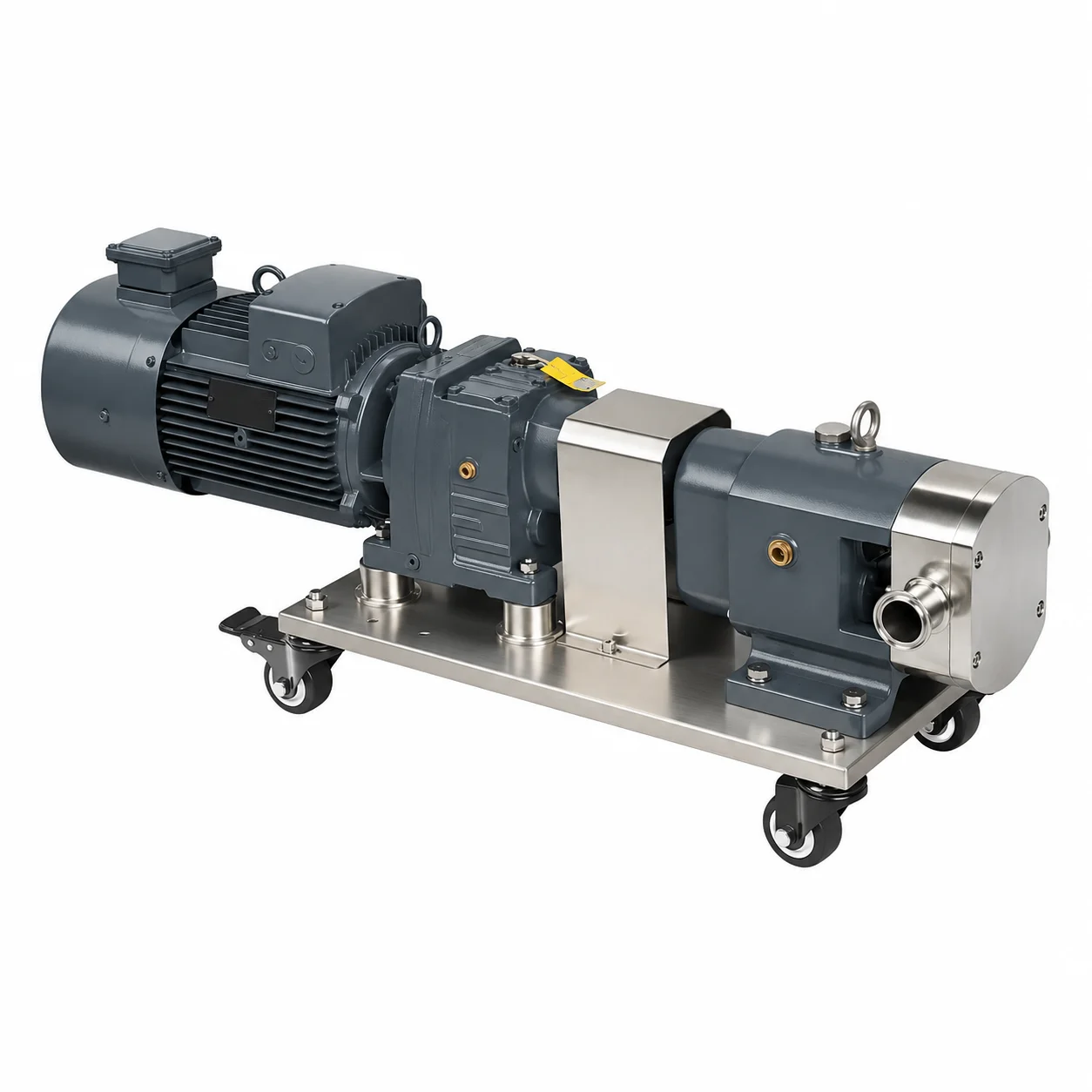
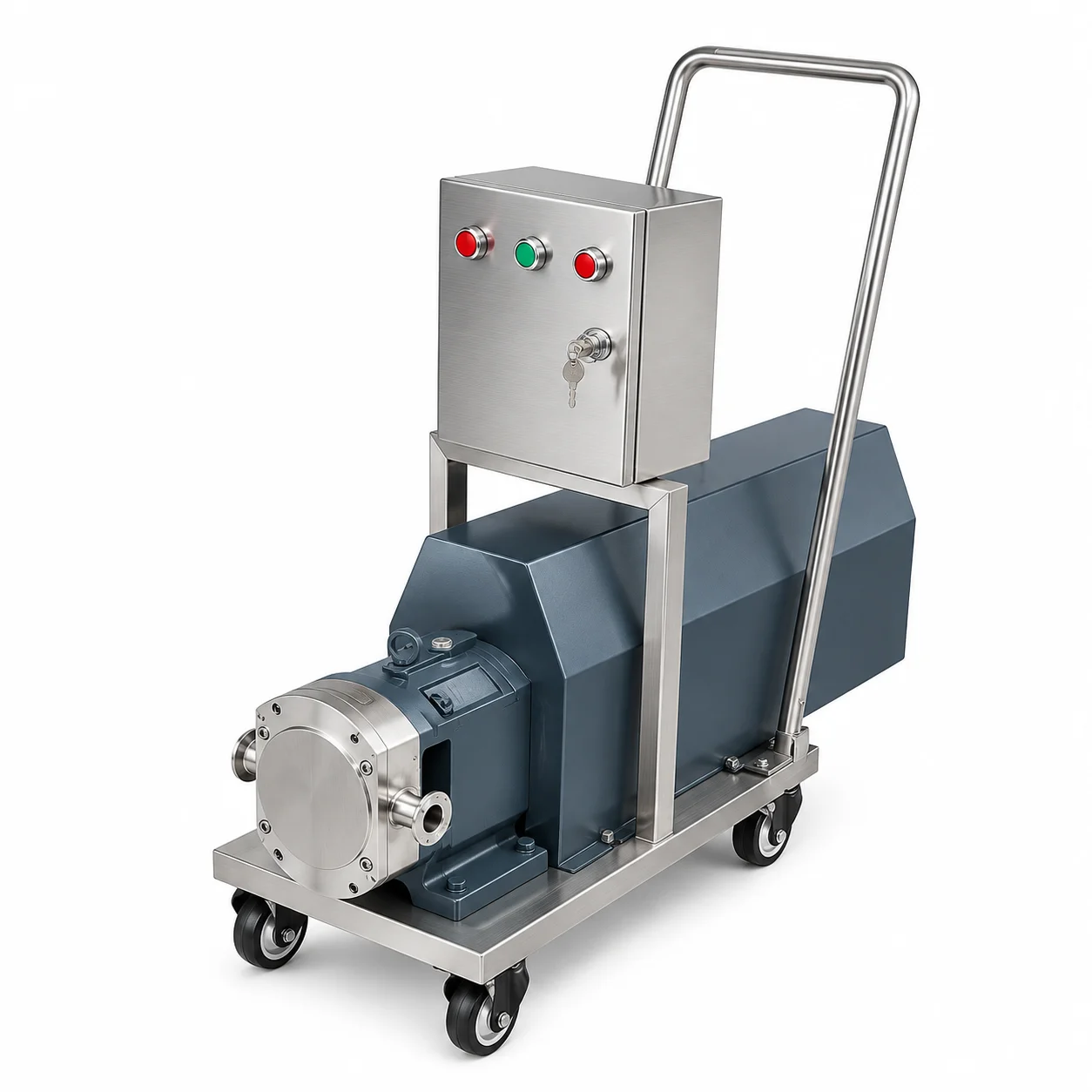
We have a 316L stainless steel sanitary cam pump that is used for transferring chocolate, honey and other beverages at low pressure. Before using this pump it is essential to check the product temperature, viscosity and the condition of the liquid to be pumped. Based on these factors an appropriate design of the pumping system can be determined.

库存 100 件

Rotor Optional

Three-Lobe Rotor

Applicable Liquids:

  • Suitable for creams, liquids and sauces with low, medium and high viscosity, uniform texture and no hard granules.
  • Example: Chocolate, honey, mashed potatoes and ice cream.
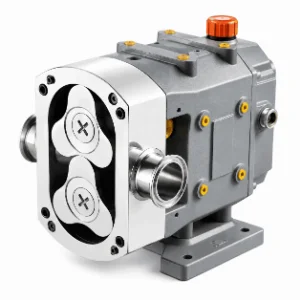
Three-Lobe Rotor

Butterfly Rotor

Applicable Liquids:

  • Suitable for shear-free, non-destructive transfer of soft-grained sauces and small-particle materials.
  • Example: Jam, pulp, juice, jelly and tomato sauce.
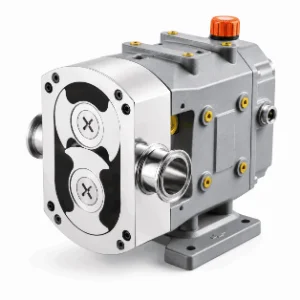
Butterfly Rotor

Single-Lobe Rotor

Applicable Liquids:

  • Suitable for conveying materials containing larger solid particles while maintaining stable transfer.
  • Example: Rock salt, chilli sauce and peanut butter.
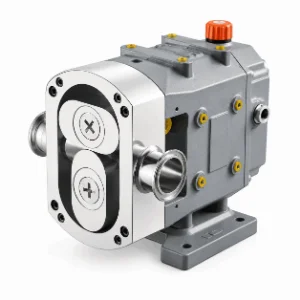
Single-Lobe Rotor

Multi-Lobe Rotor

Applicable Liquids:

  • Suitable for creams, liquids and sauces with low, medium and high viscosity where higher output accuracy and smooth flow are required.
  • Example: Chocolate, honey, cream, yoghurt, butter and grease.
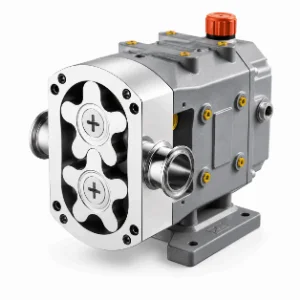
Multi-Lobe Rotor

Parameter Chart

lobe pump Parameter Chart
← Swipe left or right to view all specifications →
Model Flow per
100 Rotation
Power
(kW)
Suggested
RPM
Capacity
(L/H)
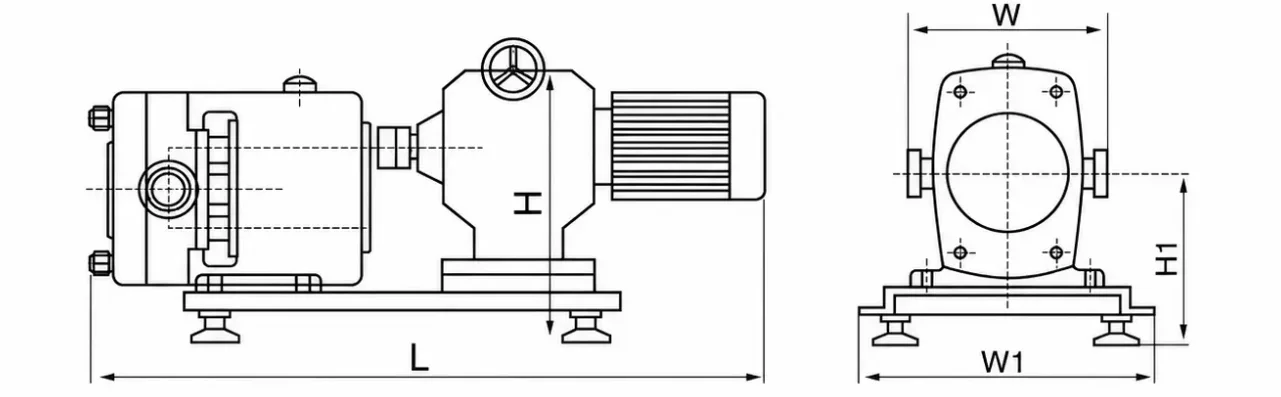
Diameter L H H1 W W1 Connection Type
ZB3A-3 3L 0.55 200-500 300-800 Φ25×1.5 710 290 150 150 240 Clamp / Thread / Flange
ZB3A-6 6L 0.75 200-500 650-1600 Φ25×1.5 780 390 170 190 240 Clamp / Thread / Flange
ZB3A-8 8L 1.5 200-500 850-2160 Φ38×1.5 850 400 170 190 280 Clamp / Thread / Flange
ZB3A-12 12L 2.2 200-500 1300-3200 Φ38×1.5 980 450 185 220 330 Clamp / Thread / Flange
ZB3A-20 20L 3 200-500 2100-5400 Φ38×1.5 1000 450 190 250 330 Clamp / Thread / Flange
ZB3A-30 30L 4 200-500 3200-6400 Φ50.8×1.5 1050 480 220 270 350 Clamp / Thread / Flange
ZB3A-36 36L 4 200-400 3800-7600 Φ50.8×1.5 1100 490 220 270 360 Clamp / Thread / Flange
ZB3A-52 52L 5.5 200-400 5600-11000 Φ63×1.5 1250 580 260 270 480 Clamp / Thread / Flange
ZB3A-66 66L 7.5 200-400 7100-14000 Φ76×1.5 1350 600 260 270 480 Clamp / Thread / Flange
ZB3A-78 78L 7.5 200-400 9000-18000 Φ76×1.5 1260 600 295 370 480 Clamp / Thread / Flange
ZB3A-100 100L 11 200-400 11000-22000 Φ76×2 1320 670 295 370 480 Clamp / Thread / Flange
ZB3A-135 135L 15 200-400 15000-30000 Φ89×2 1500 670 295 370 480 Clamp / Thread / Flange
ZB3A-160 160L 18.5 200-400 17000-34000 Φ102×3 1500 720 320 420 560 Clamp / Thread / Flange
ZB3A-200 200L 22 200-400 21600-43000 Φ102×3 1500 720 320 420 560 Clamp / Thread / Flange
ZB3A-300 300L 30 200-400 32400-64800 Φ125×3 1650 800 400 480 620 Clamp / Thread / Flange
ZB3A-400 400L 37 200-400 43200-86400 Φ150×3 1700 800 400 480 620 Clamp / Thread / Flange
Dimensions are shown as L / H / H1 / W / W1. On mobile, you can swipe horizontally to view the full table.

This cam pump is constructed of 316L stainless steel to provide sanitary transfer of foods and beverages.

Beer in particular tends to create foam when transferred. Honey can thicken and become hard to pump. Chocolate needs to be pumped at the correct temperature to remain fluid. For these reasons we customize the cam pumps for each particular product.

A cam pump is of the type of positive displacement pump where a rotor creates an internal cavity which upon rotation vacuums liquid to the pump inlet and discharges it to the outlet.

The rotational speed of the shaft determines the volume of liquid flow through the pump. Internal slip also affects the fluid flow. To obtain more information on the expected performance of this pump, a more detailed analysis of the cam profile should be done.

Transfer of chocolate to holding tanks and depositor machines is common.

Chocolate thickens on cooling and can increase the resistance to flow. If the chocolate has cooled and hardened in the feeding line to the pump it is extremely difficult to get it to start flowing.

Confirm whether the application requires a pump jacket or heated line.

Honey Transfer to Filling Equipment

Honey has a relatively low viscosity compared to other products. When setting up this transfer, consider the coldest temperature honey will be exposed to during processing. A longer and larger diameter inlet line to the pump will assist in drawing honey into the pump.

Beer Transfer Between Vessels

During beer transfer it’s important to minimize the introduction of air into the system and the change in pressure to prevent CO2 from coming out of solution. Use of a closed system with the correct vacuum will minimize the introduction of air to the system. If the beer is already carbonated set the vessel backpressure to the recommended level prior to pump selection.

Specification and Configuration Checks

Pump: A sanitary cam (or gear) pump will be used in this application. Verify the design of the rotor and the cross section of the pump will accommodate the product to be transferred.

316L Stainless Steel: Confirm which elements of the pump are 316L and check the material of the seals.

Low Pressure Service: Confirm the differential pressure the pump is rated to handle as well as the pressure at which it will protect against.

Intended Media: Verify the viscosity and operating temperature range of the product to be transferred and confirm it’s compatibility with the process and cleaning solutions used in the system.

Motor: Verify the operating voltage and frequency of the motor and the speed over which the pump can be varied.

Certain facilities have specific procurement processes to determine if a product meets their sanitary standards. If your facility has these procedures, request sample documentation to ensure the cleaning and drainage procedures satisfy your requirements. Determine as well if the seals used on the pump can be easily accessed by personnel for service.

Why use this pump?

To determine the appropriate size of this pump for your application, you need to decide on the desired flow rate and determine if the system can accommodate variations in pump speed. This pump would be best used in a system where the pump is speed controlled to vary the flow to match a process.

Prior to purchasing this pump, determine if the connections on the pump will integrate with the piping on the system. This is just as important as the flow capacity of the pump in determining if the pump is suitable for the application.

To appropriately size this pump for your application provide us with the flow rate, viscosity of the fluid to be pumped, the elevation of the two ends of the system, the length and size of the piping and the pressures in the system.

Once this information is provided we can evaluate if there is sufficient suction to remove the fluid from the source and recommend the appropriate size and speed of the motor to drive the pump. Positive displacement pumps used in low pressure systems can create hazardous overpressure downstream if process controls do not account for this.

What type of internal geometry does a \’low pressure\’ cam pump employ?

To determine this you will need to analyze a cross section of the pump rotor.

What is the maximum pressure that this pump can handle?

No pressure rating is given for this pump.

What is the rated differential pressure and the maximum allowable pressure for this pump configuration?

Is this pump capable of transferring honey at room temperature?

Honey can vary in viscosity and may not always be homogeneous. Depending on these factors the pump may not be able to transfer honey at all. The pump should be sized to accommodate the product at the highest expected viscosity.

Does the chocolate pump have a heating jacket?

Heating jackets are not provided on this particular model. If your process requires heating to transfer chocolate you should confirm the jacket is able to operate within the process temperature and time limitations.

Will this pump transfer carbonated beer?

To determine if this pump will transfer carbonated beer you will need to take into account the pressure required to keep the CO2 in solution as well as the pressure rating of the pump.

Will 316L stainless steel components allow the pump to come into contact with food?

No. 316L stainless steel, or any other stainless steel for that matter, does not ensure the pump is approved to come into contact with food or to be cleaned in place.

Request a Configuration and Quote

To assist you in determining the appropriate pump to use in your application please provide us with the characteristics of the product you wish to transfer including the flow rate and operating temperature. Also provide the minimum and maximum pressures required for transfer as well as the type of connections used.

描述

This cam pump is constructed of 316L stainless steel to provide sanitary transfer of foods and beverages.

Beer in particular tends to create foam when transferred. Honey can thicken and become hard to pump. Chocolate needs to be pumped at the correct temperature to remain fluid. For these reasons we customize the cam pumps for each particular product.

A cam pump is of the type of positive displacement pump where a rotor creates an internal cavity which upon rotation vacuums liquid to the pump inlet and discharges it to the outlet.

The rotational speed of the shaft determines the volume of liquid flow through the pump. Internal slip also affects the fluid flow. To obtain more information on the expected performance of this pump, a more detailed analysis of the cam profile should be done.

Transfer of chocolate to holding tanks and depositor machines is common.

Chocolate thickens on cooling and can increase the resistance to flow. If the chocolate has cooled and hardened in the feeding line to the pump it is extremely difficult to get it to start flowing.

Confirm whether the application requires a pump jacket or heated line.

Honey Transfer to Filling Equipment

Honey has a relatively low viscosity compared to other products. When setting up this transfer, consider the coldest temperature honey will be exposed to during processing. A longer and larger diameter inlet line to the pump will assist in drawing honey into the pump.

Beer Transfer Between Vessels

During beer transfer it’s important to minimize the introduction of air into the system and the change in pressure to prevent CO2 from coming out of solution. Use of a closed system with the correct vacuum will minimize the introduction of air to the system. If the beer is already carbonated set the vessel backpressure to the recommended level prior to pump selection.

Specification and Configuration Checks

Pump: A sanitary cam (or gear) pump will be used in this application. Verify the design of the rotor and the cross section of the pump will accommodate the product to be transferred.

316L Stainless Steel: Confirm which elements of the pump are 316L and check the material of the seals.

Low Pressure Service: Confirm the differential pressure the pump is rated to handle as well as the pressure at which it will protect against.

Intended Media: Verify the viscosity and operating temperature range of the product to be transferred and confirm it’s compatibility with the process and cleaning solutions used in the system.

Motor: Verify the operating voltage and frequency of the motor and the speed over which the pump can be varied.

Certain facilities have specific procurement processes to determine if a product meets their sanitary standards. If your facility has these procedures, request sample documentation to ensure the cleaning and drainage procedures satisfy your requirements. Determine as well if the seals used on the pump can be easily accessed by personnel for service.

Why use this pump?

To determine the appropriate size of this pump for your application, you need to decide on the desired flow rate and determine if the system can accommodate variations in pump speed. This pump would be best used in a system where the pump is speed controlled to vary the flow to match a process.

Prior to purchasing this pump, determine if the connections on the pump will integrate with the piping on the system. This is just as important as the flow capacity of the pump in determining if the pump is suitable for the application.

To appropriately size this pump for your application provide us with the flow rate, viscosity of the fluid to be pumped, the elevation of the two ends of the system, the length and size of the piping and the pressures in the system.

Once this information is provided we can evaluate if there is sufficient suction to remove the fluid from the source and recommend the appropriate size and speed of the motor to drive the pump. Positive displacement pumps used in low pressure systems can create hazardous overpressure downstream if process controls do not account for this.

What type of internal geometry does a \’low pressure\’ cam pump employ?

To determine this you will need to analyze a cross section of the pump rotor.

What is the maximum pressure that this pump can handle?

No pressure rating is given for this pump.

What is the rated differential pressure and the maximum allowable pressure for this pump configuration?

Is this pump capable of transferring honey at room temperature?

Honey can vary in viscosity and may not always be homogeneous. Depending on these factors the pump may not be able to transfer honey at all. The pump should be sized to accommodate the product at the highest expected viscosity.

Does the chocolate pump have a heating jacket?

Heating jackets are not provided on this particular model. If your process requires heating to transfer chocolate you should confirm the jacket is able to operate within the process temperature and time limitations.

Will this pump transfer carbonated beer?

To determine if this pump will transfer carbonated beer you will need to take into account the pressure required to keep the CO2 in solution as well as the pressure rating of the pump.

Will 316L stainless steel components allow the pump to come into contact with food?

No. 316L stainless steel, or any other stainless steel for that matter, does not ensure the pump is approved to come into contact with food or to be cleaned in place.

Request a Configuration and Quote

To assist you in determining the appropriate pump to use in your application please provide us with the characteristics of the product you wish to transfer including the flow rate and operating temperature. Also provide the minimum and maximum pressures required for transfer as well as the type of connections used.

Shipping and Delivery

MAECENAS IACULIS

Vestibulum curae torquent diam diam commodo parturient penatibus nunc dui adipiscing convallis bulum parturient suspendisse parturient a.Parturient in parturient scelerisque nibh lectus quam a natoque adipiscing a vestibulum hendrerit et pharetra fames nunc natoque dui.

ADIPISCING CONVALLIS BULUM

  • Vestibulum penatibus nunc dui adipiscing convallis bulum parturient suspendisse.
  • Abitur parturient praesent lectus quam a natoque adipiscing a vestibulum hendre.
  • Diam parturient dictumst parturient scelerisque nibh lectus.

Scelerisque adipiscing bibendum sem vestibulum et in a a a purus lectus faucibus lobortis tincidunt purus lectus nisl class eros.Condimentum a et ullamcorper dictumst mus et tristique elementum nam inceptos hac parturient scelerisque vestibulum amet elit ut volutpat.