Compact Sanitary Lobe Pump for Chocolate and Peanut Butter
Compact Sanitary Lobe Pump for Chocolate and Peanut Butter 原价为:$2,154.13。当前价格为:$1,504.06。
返回产品
Sanitary Stainless Steel Lobe Pump for Honey & Chocolate
Sanitary Stainless Steel Lobe Pump for Honey & Chocolate 原价为:$2,494.78。当前价格为:$1,810.26。

Food-Grade Horizontal Rotary Pump for High-Viscosity Foods

原价为:$2,260.19。当前价格为:$1,526.03。

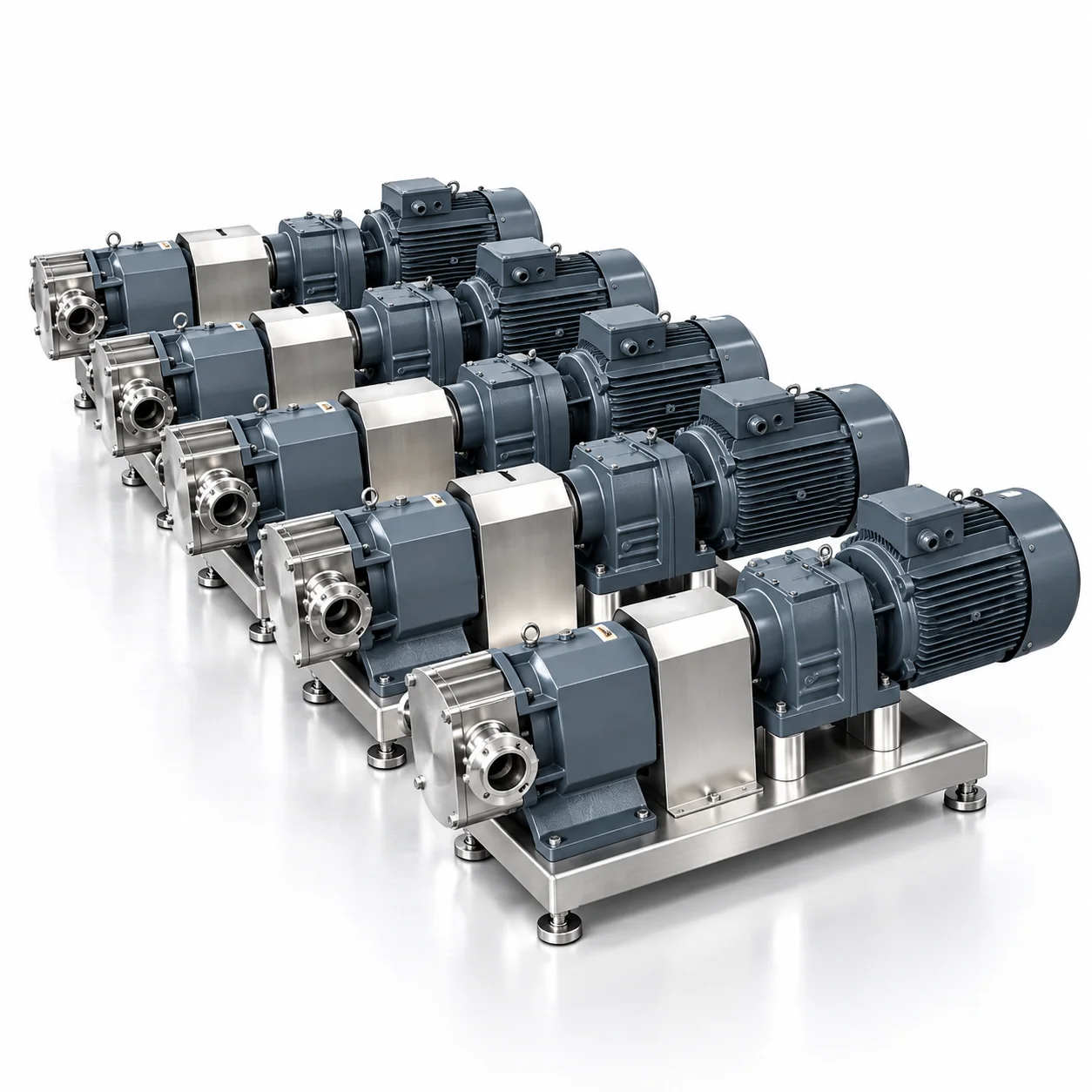
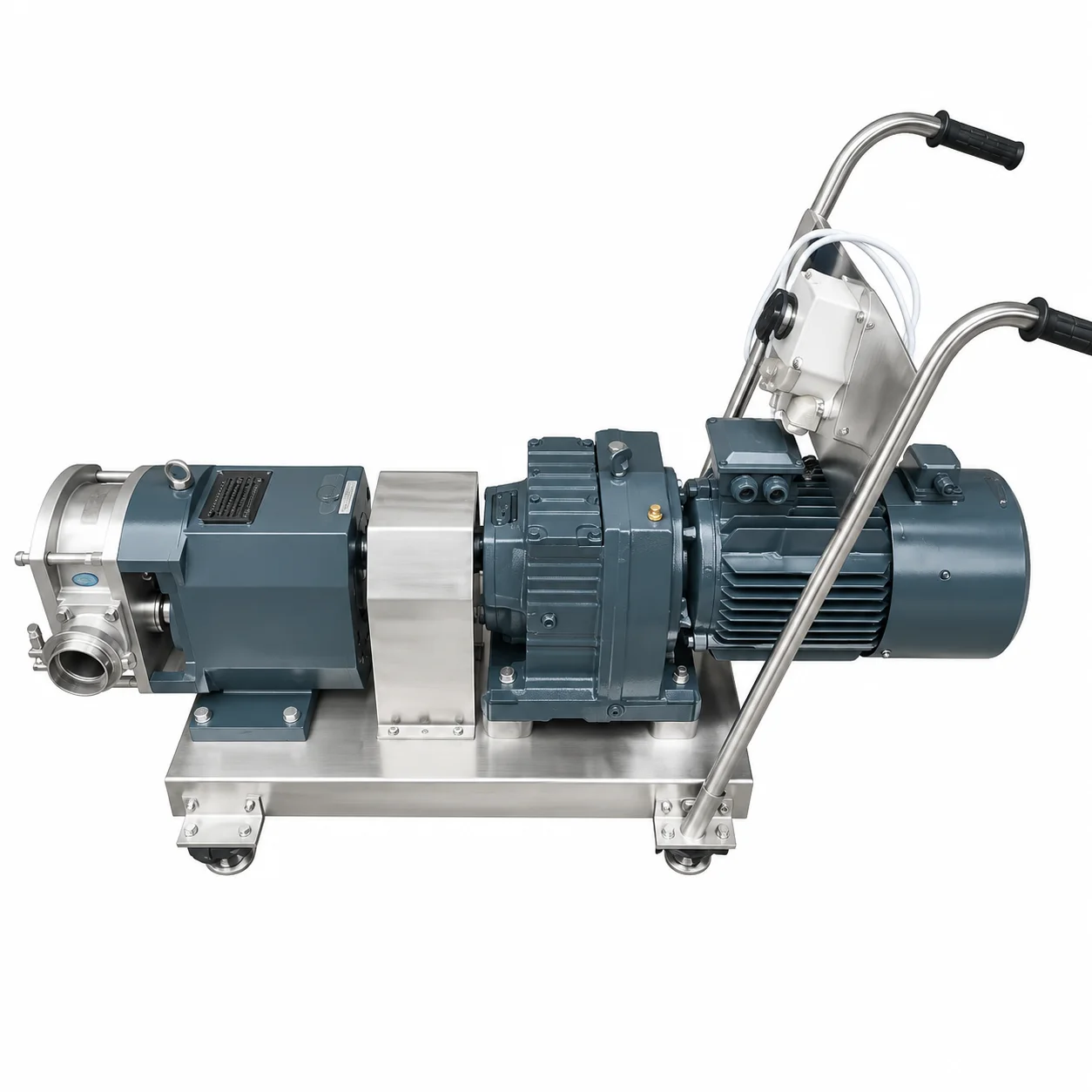
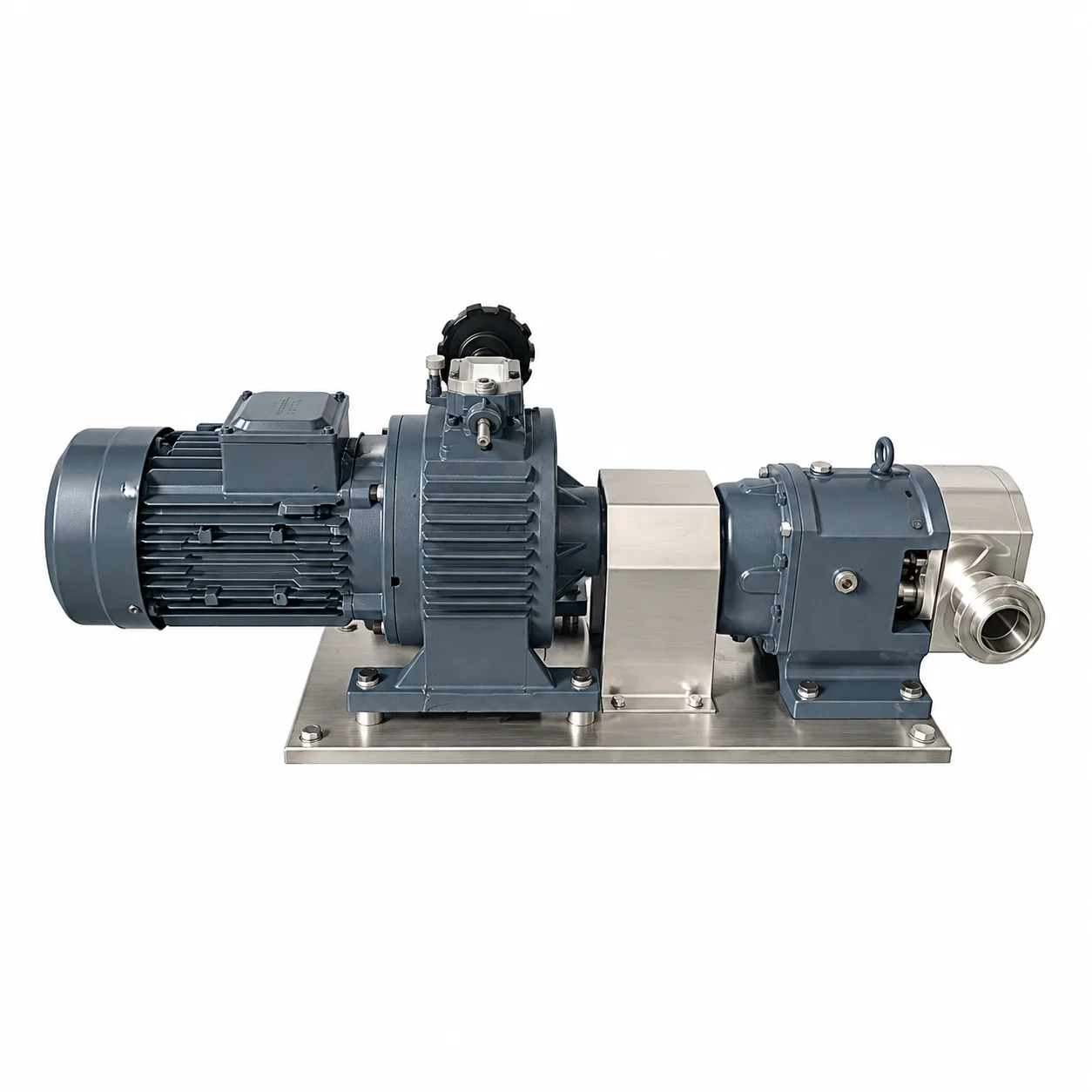
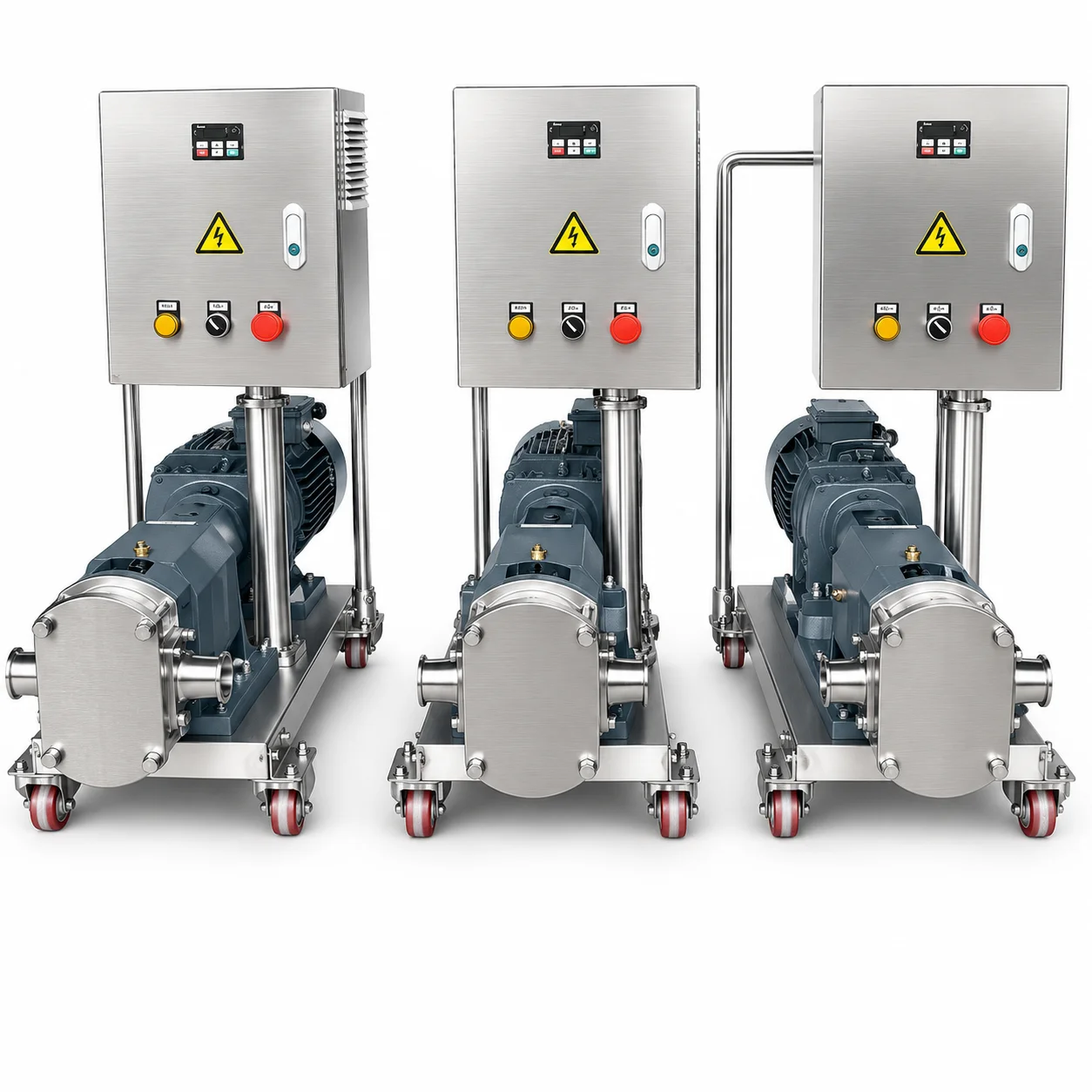
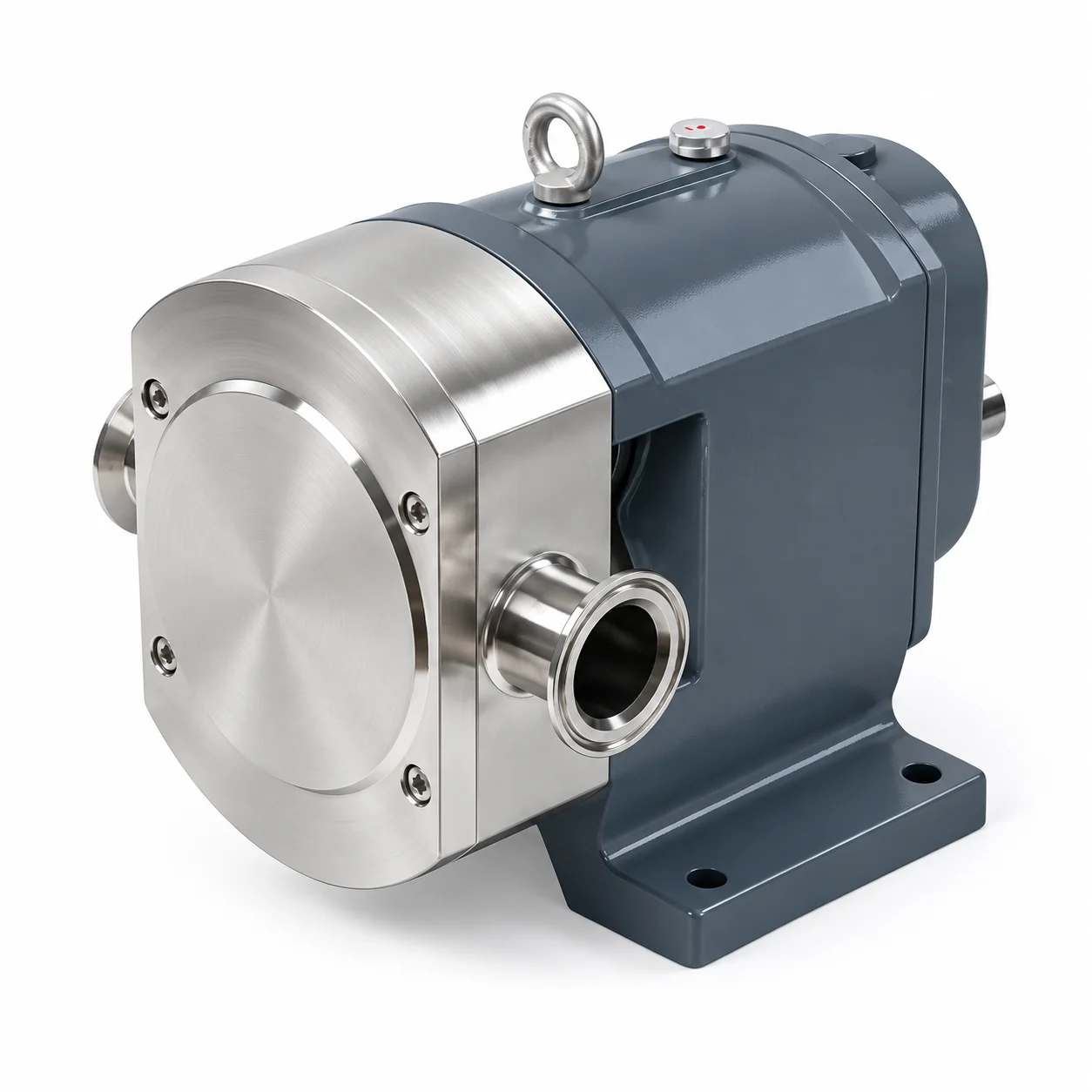
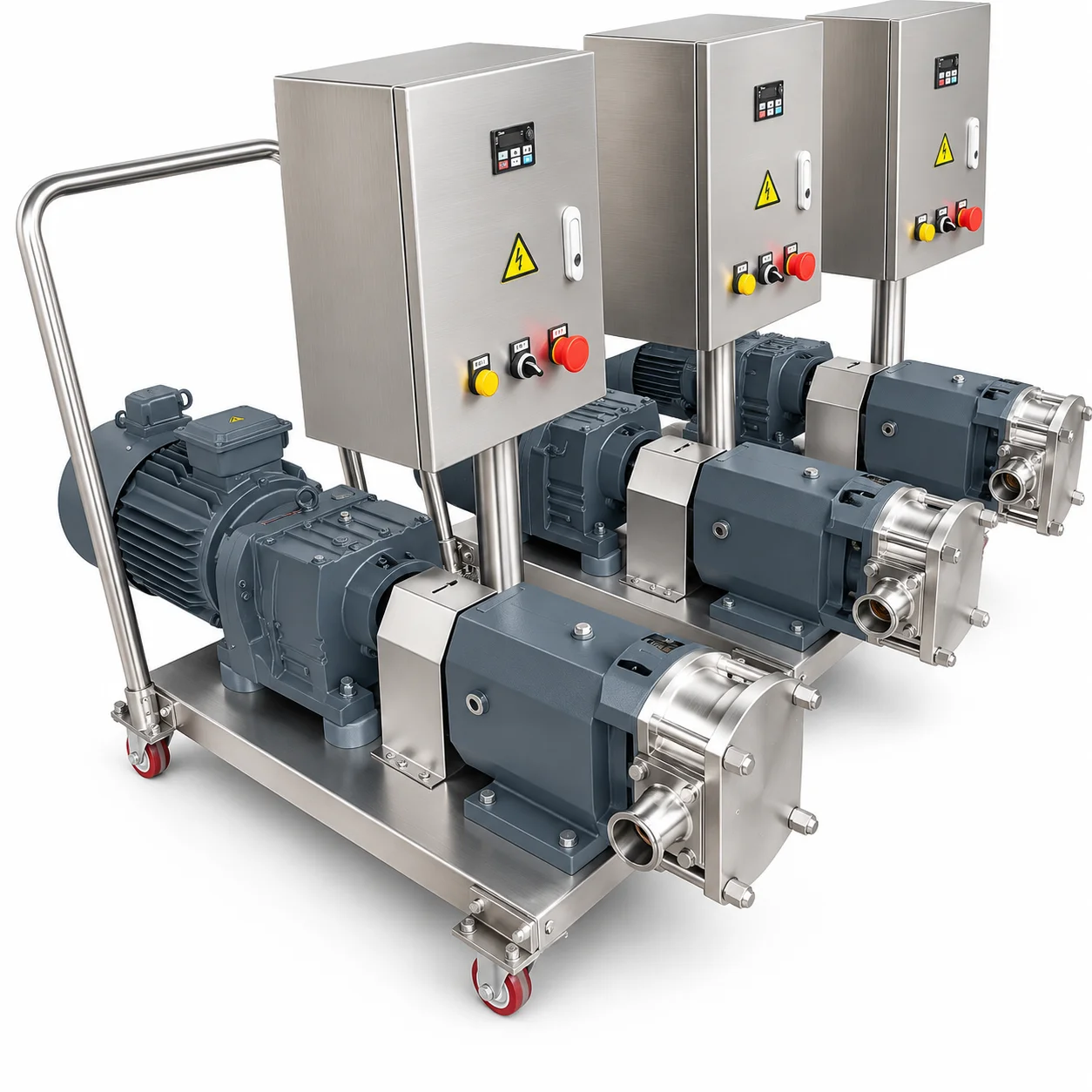
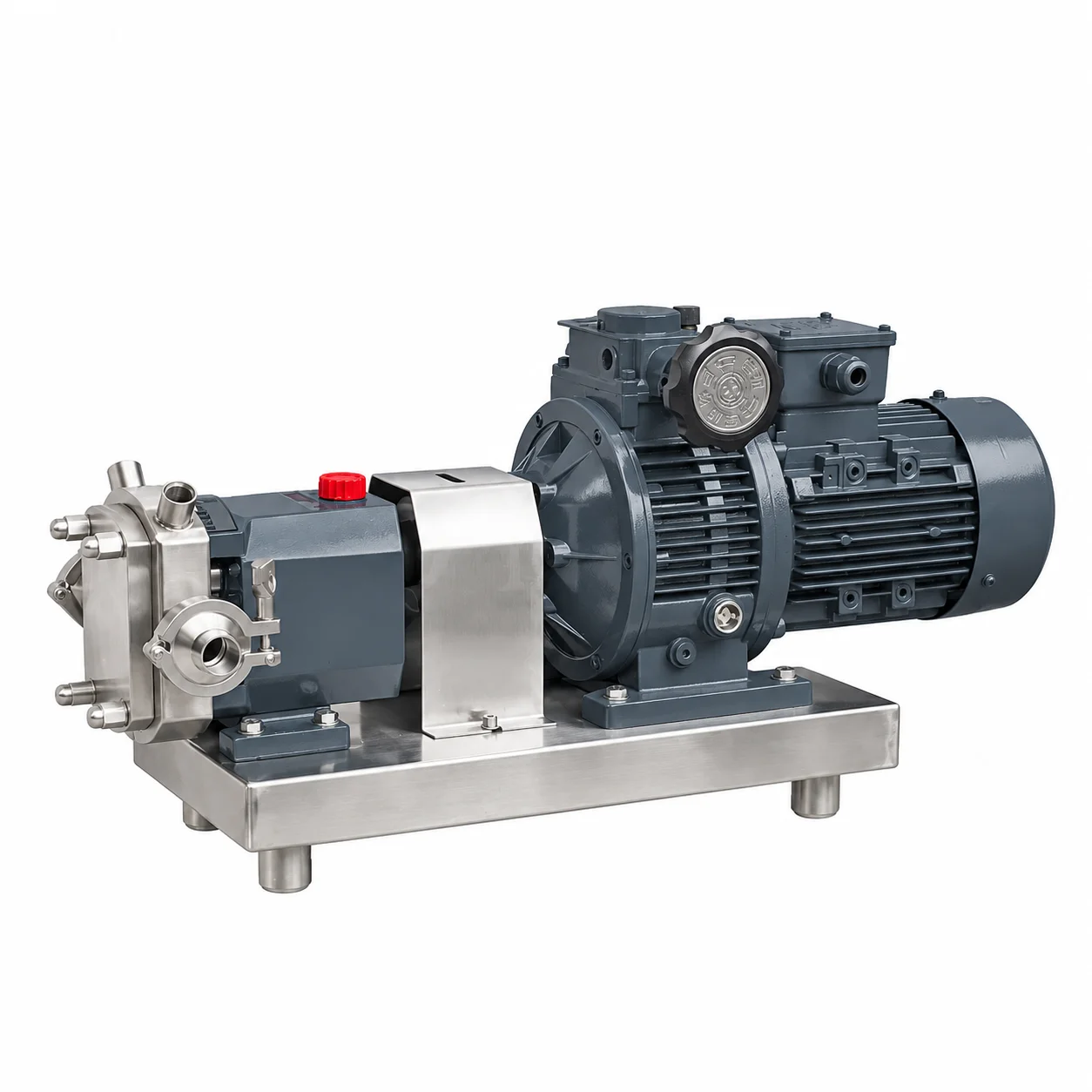
We manufacture food grade horizontal rotary positive displacement pumps to transfer milk, cream and shakes, and more viscous products like honey, jam and tomato paste. We can customize the design according to the flow rate required, the temperature of the product and the configuration of the piping.

库存 100 件

Rotor Optional

Three-Lobe Rotor

Applicable Liquids:

  • Suitable for creams, liquids and sauces with low, medium and high viscosity, uniform texture and no hard granules.
  • Example: Chocolate, honey, mashed potatoes and ice cream.
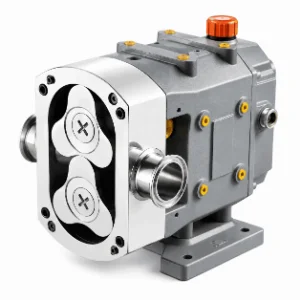
Three-Lobe Rotor

Butterfly Rotor

Applicable Liquids:

  • Suitable for shear-free, non-destructive transfer of soft-grained sauces and small-particle materials.
  • Example: Jam, pulp, juice, jelly and tomato sauce.
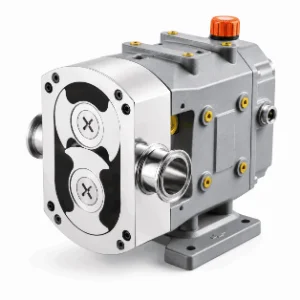
Butterfly Rotor

Single-Lobe Rotor

Applicable Liquids:

  • Suitable for conveying materials containing larger solid particles while maintaining stable transfer.
  • Example: Rock salt, chilli sauce and peanut butter.
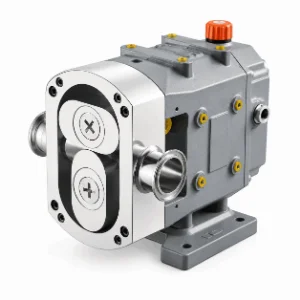
Single-Lobe Rotor

Multi-Lobe Rotor

Applicable Liquids:

  • Suitable for creams, liquids and sauces with low, medium and high viscosity where higher output accuracy and smooth flow are required.
  • Example: Chocolate, honey, cream, yoghurt, butter and grease.
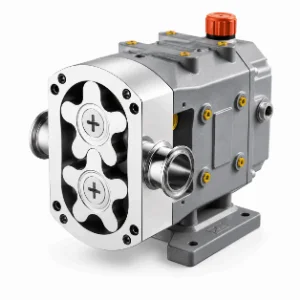
Multi-Lobe Rotor

Parameter Chart

lobe pump Parameter Chart
← Swipe left or right to view all specifications →
Model Flow per
100 Rotation
Power
(kW)
Suggested
RPM
Capacity
(L/H)
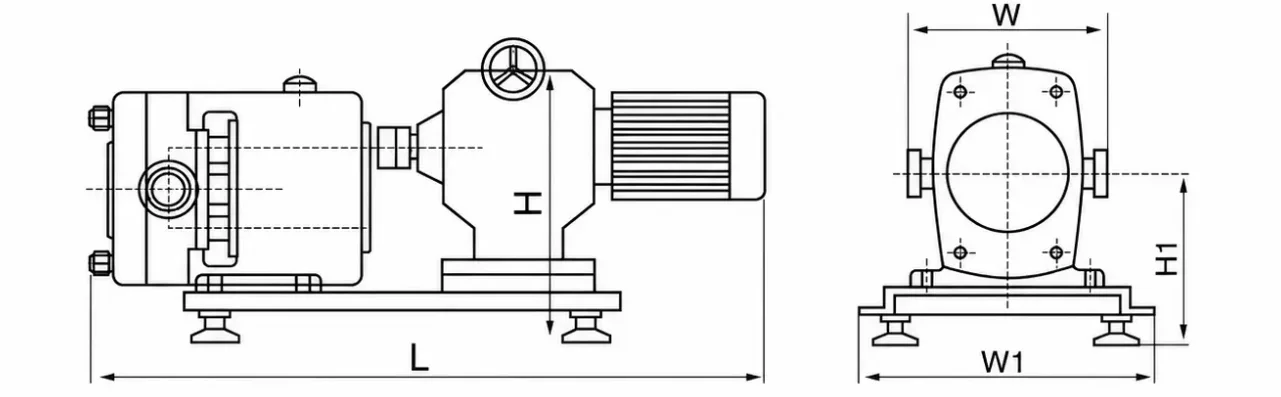
Diameter L H H1 W W1 Connection Type
ZB3A-3 3L 0.55 200-500 300-800 Φ25×1.5 710 290 150 150 240 Clamp / Thread / Flange
ZB3A-6 6L 0.75 200-500 650-1600 Φ25×1.5 780 390 170 190 240 Clamp / Thread / Flange
ZB3A-8 8L 1.5 200-500 850-2160 Φ38×1.5 850 400 170 190 280 Clamp / Thread / Flange
ZB3A-12 12L 2.2 200-500 1300-3200 Φ38×1.5 980 450 185 220 330 Clamp / Thread / Flange
ZB3A-20 20L 3 200-500 2100-5400 Φ38×1.5 1000 450 190 250 330 Clamp / Thread / Flange
ZB3A-30 30L 4 200-500 3200-6400 Φ50.8×1.5 1050 480 220 270 350 Clamp / Thread / Flange
ZB3A-36 36L 4 200-400 3800-7600 Φ50.8×1.5 1100 490 220 270 360 Clamp / Thread / Flange
ZB3A-52 52L 5.5 200-400 5600-11000 Φ63×1.5 1250 580 260 270 480 Clamp / Thread / Flange
ZB3A-66 66L 7.5 200-400 7100-14000 Φ76×1.5 1350 600 260 270 480 Clamp / Thread / Flange
ZB3A-78 78L 7.5 200-400 9000-18000 Φ76×1.5 1260 600 295 370 480 Clamp / Thread / Flange
ZB3A-100 100L 11 200-400 11000-22000 Φ76×2 1320 670 295 370 480 Clamp / Thread / Flange
ZB3A-135 135L 15 200-400 15000-30000 Φ89×2 1500 670 295 370 480 Clamp / Thread / Flange
ZB3A-160 160L 18.5 200-400 17000-34000 Φ102×3 1500 720 320 420 560 Clamp / Thread / Flange
ZB3A-200 200L 22 200-400 21600-43000 Φ102×3 1500 720 320 420 560 Clamp / Thread / Flange
ZB3A-300 300L 30 200-400 32400-64800 Φ125×3 1650 800 400 480 620 Clamp / Thread / Flange
ZB3A-400 400L 37 200-400 43200-86400 Φ150×3 1700 800 400 480 620 Clamp / Thread / Flange
Dimensions are shown as L / H / H1 / W / W1. On mobile, you can swipe horizontally to view the full table.

This horizontal rotary pump can be used for transferring liquids with varying viscosity and density such as milk, cream, honey, jam, tomato paste and shakes. To handle these different products, we adjust the speed and air volume of the pump. Honey and tomato paste can be concentrated, thick and hard to move, requiring higher torque to push them through. We size the pump according to the product’s density and viscosity at the temperature at which it is transferred to ensure optimum performance.

Product is drawn in by the rotating element of the pump and transported to the discharge outlet. The volume of liquid transported is determined by the speed of rotation of the element. If the liquid is very thin, like milk, a greater percentage of the liquid may not be transported to the discharge outlet resulting in loss of efficiency of the pump. Conversely if the liquid is very viscous, like jam, it may not fully enter the element to be transported resulting in blockage. For optimum performance of the pump, the discharge outlet should not be obstructed.

This pump can be used to move milk and cream from balance tanks to blending tanks prior to transfer to finishing equipment. When used to transfer shakes, we also consider the potential for the foam to be formed in the product and adjust the speed of the pump to prevent foaming.

We check the firmness and size of any additives in a shake to determine suitability.

Honey, Fruit Jam and Tomato Paste

We check the honey to evaluate the startup load and the potential for the honey to crystallize. For fruit jams we confirm that the ingredient does not break down to a level that would impact the integrity of the product. Tomato paste has a high solids content and long discharge time which may necessitate a larger pump. In all three cases it is important that the inlet line be sized adequately to ensure the pump chamber is fully filled.

Product Configuration and Selection Data

Pump type: Positive Displacement, Rotary
Mounting orientation: Horizontal
Intended Media: Milk, cream, honey, fruit jam, tomato paste and shakes
Flow and differential pressure: As specified for the application
Viscosity and temperature: Provide operating limits to include extremes during start up.
Wetted parts and shaft seal: Specify materials to ensure compatibility with the media to be pumped.
Drive and connections: Specify power of the motor and the means of drive to the pump.
Cleaning: Confirm method of cleaning to validate compliance with food contact requirements.

Given the interpretation of food grade to mean that a product conforms to food contact requirements, we conduct additional analysis to confirm that the pump is suitable to withstand the cleaning agents used to sanitize the lines.

Horizontal mounting of a centrifugal pump does not determine if the pump and associated piping drains fully.

Why use a Horizontal Rotary Pump?

In a batch transfer operation, it may be desirable to adjust the speed of the centrifugal pump to match the requirements of the receiving vessel. We analyze the space available to determine if the pump and drivetrain can be mounted in a suitable arrangement to allow for the seals to be reached for maintenance. If a pump is difficult to clean it may increase the down time of the production facility more than the cost of the pump justification is worth.

How do we determine the size of the pump for your application?

To size the pump for your application provide the flow rate, viscosity, and temperature of the product to be transferred, as well as any solids or other items in the stream. Also provide the level of the liquid in the suction tank, diameter and length of the suction piping, elevation differences and any restrictions or valves in the line. We will calculate the vacuum and differential pressure across the pump to determine the torque required to turn the pump. For milk and other products transferred through the same line we would size the pump to handle the higher end of the range.

Can one pump be used to transfer both honey and milk?

Most likely. We would adjust the pump speed to transport the milk, check the vacuum to see if honey would flow at the same speed, and evaluate the ease of cleaning the pump between batches.

Honey in its liquid state would flow through the line if the vacuum created by the drive is greater than the torque and inlet resistance of the system.

Warning: Do not overheat the pump.

Will the pump be able to transfer the solids in jam or shakes?

This would depend on the size of the solids as well as their concentration and firmness in relation to the passage and rotor dimensions of the pump.

Would the pump be able to transfer the product to a filling machine?

We would need to assess the demand and the pressure at the inlet of the filling machine to evaluate if this pump would work. The transfer pump would not be acting as the dosing mechanism of the filling machine.

Is it possible to perform clean in place with this particular pump?

Again this would depend on several factors like the design of the pump seal and internal passages as well as the cleaning cycle used.

When requesting a quote to transfer tomato paste what information should be included?

The working temperature and viscosity of the paste, flow rate and the length and size of the discharge line. If you do not know the viscosity of the paste describe to us how the paste is handled.

To request a configuration of a pump to transfer your product and quote the cost of this pump, supply us with information on your product and the process it is currently used in to compare against.


描述

This horizontal rotary pump can be used for transferring liquids with varying viscosity and density such as milk, cream, honey, jam, tomato paste and shakes. To handle these different products, we adjust the speed and air volume of the pump. Honey and tomato paste can be concentrated, thick and hard to move, requiring higher torque to push them through. We size the pump according to the product’s density and viscosity at the temperature at which it is transferred to ensure optimum performance.

Product is drawn in by the rotating element of the pump and transported to the discharge outlet. The volume of liquid transported is determined by the speed of rotation of the element. If the liquid is very thin, like milk, a greater percentage of the liquid may not be transported to the discharge outlet resulting in loss of efficiency of the pump. Conversely if the liquid is very viscous, like jam, it may not fully enter the element to be transported resulting in blockage. For optimum performance of the pump, the discharge outlet should not be obstructed.

This pump can be used to move milk and cream from balance tanks to blending tanks prior to transfer to finishing equipment. When used to transfer shakes, we also consider the potential for the foam to be formed in the product and adjust the speed of the pump to prevent foaming.

We check the firmness and size of any additives in a shake to determine suitability.

Honey, Fruit Jam and Tomato Paste

We check the honey to evaluate the startup load and the potential for the honey to crystallize. For fruit jams we confirm that the ingredient does not break down to a level that would impact the integrity of the product. Tomato paste has a high solids content and long discharge time which may necessitate a larger pump. In all three cases it is important that the inlet line be sized adequately to ensure the pump chamber is fully filled.

Product Configuration and Selection Data

Pump type: Positive Displacement, Rotary
Mounting orientation: Horizontal
Intended Media: Milk, cream, honey, fruit jam, tomato paste and shakes
Flow and differential pressure: As specified for the application
Viscosity and temperature: Provide operating limits to include extremes during start up.
Wetted parts and shaft seal: Specify materials to ensure compatibility with the media to be pumped.
Drive and connections: Specify power of the motor and the means of drive to the pump.
Cleaning: Confirm method of cleaning to validate compliance with food contact requirements.

Given the interpretation of food grade to mean that a product conforms to food contact requirements, we conduct additional analysis to confirm that the pump is suitable to withstand the cleaning agents used to sanitize the lines.

Horizontal mounting of a centrifugal pump does not determine if the pump and associated piping drains fully.

Why use a Horizontal Rotary Pump?

In a batch transfer operation, it may be desirable to adjust the speed of the centrifugal pump to match the requirements of the receiving vessel. We analyze the space available to determine if the pump and drivetrain can be mounted in a suitable arrangement to allow for the seals to be reached for maintenance. If a pump is difficult to clean it may increase the down time of the production facility more than the cost of the pump justification is worth.

How do we determine the size of the pump for your application?

To size the pump for your application provide the flow rate, viscosity, and temperature of the product to be transferred, as well as any solids or other items in the stream. Also provide the level of the liquid in the suction tank, diameter and length of the suction piping, elevation differences and any restrictions or valves in the line. We will calculate the vacuum and differential pressure across the pump to determine the torque required to turn the pump. For milk and other products transferred through the same line we would size the pump to handle the higher end of the range.

Can one pump be used to transfer both honey and milk?

Most likely. We would adjust the pump speed to transport the milk, check the vacuum to see if honey would flow at the same speed, and evaluate the ease of cleaning the pump between batches.

Honey in its liquid state would flow through the line if the vacuum created by the drive is greater than the torque and inlet resistance of the system.

Warning: Do not overheat the pump.

Will the pump be able to transfer the solids in jam or shakes?

This would depend on the size of the solids as well as their concentration and firmness in relation to the passage and rotor dimensions of the pump.

Would the pump be able to transfer the product to a filling machine?

We would need to assess the demand and the pressure at the inlet of the filling machine to evaluate if this pump would work. The transfer pump would not be acting as the dosing mechanism of the filling machine.

Is it possible to perform clean in place with this particular pump?

Again this would depend on several factors like the design of the pump seal and internal passages as well as the cleaning cycle used.

When requesting a quote to transfer tomato paste what information should be included?

The working temperature and viscosity of the paste, flow rate and the length and size of the discharge line. If you do not know the viscosity of the paste describe to us how the paste is handled.

To request a configuration of a pump to transfer your product and quote the cost of this pump, supply us with information on your product and the process it is currently used in to compare against.

Shipping and Delivery

MAECENAS IACULIS

Vestibulum curae torquent diam diam commodo parturient penatibus nunc dui adipiscing convallis bulum parturient suspendisse parturient a.Parturient in parturient scelerisque nibh lectus quam a natoque adipiscing a vestibulum hendrerit et pharetra fames nunc natoque dui.

ADIPISCING CONVALLIS BULUM

  • Vestibulum penatibus nunc dui adipiscing convallis bulum parturient suspendisse.
  • Abitur parturient praesent lectus quam a natoque adipiscing a vestibulum hendre.
  • Diam parturient dictumst parturient scelerisque nibh lectus.

Scelerisque adipiscing bibendum sem vestibulum et in a a a purus lectus faucibus lobortis tincidunt purus lectus nisl class eros.Condimentum a et ullamcorper dictumst mus et tristique elementum nam inceptos hac parturient scelerisque vestibulum amet elit ut volutpat.