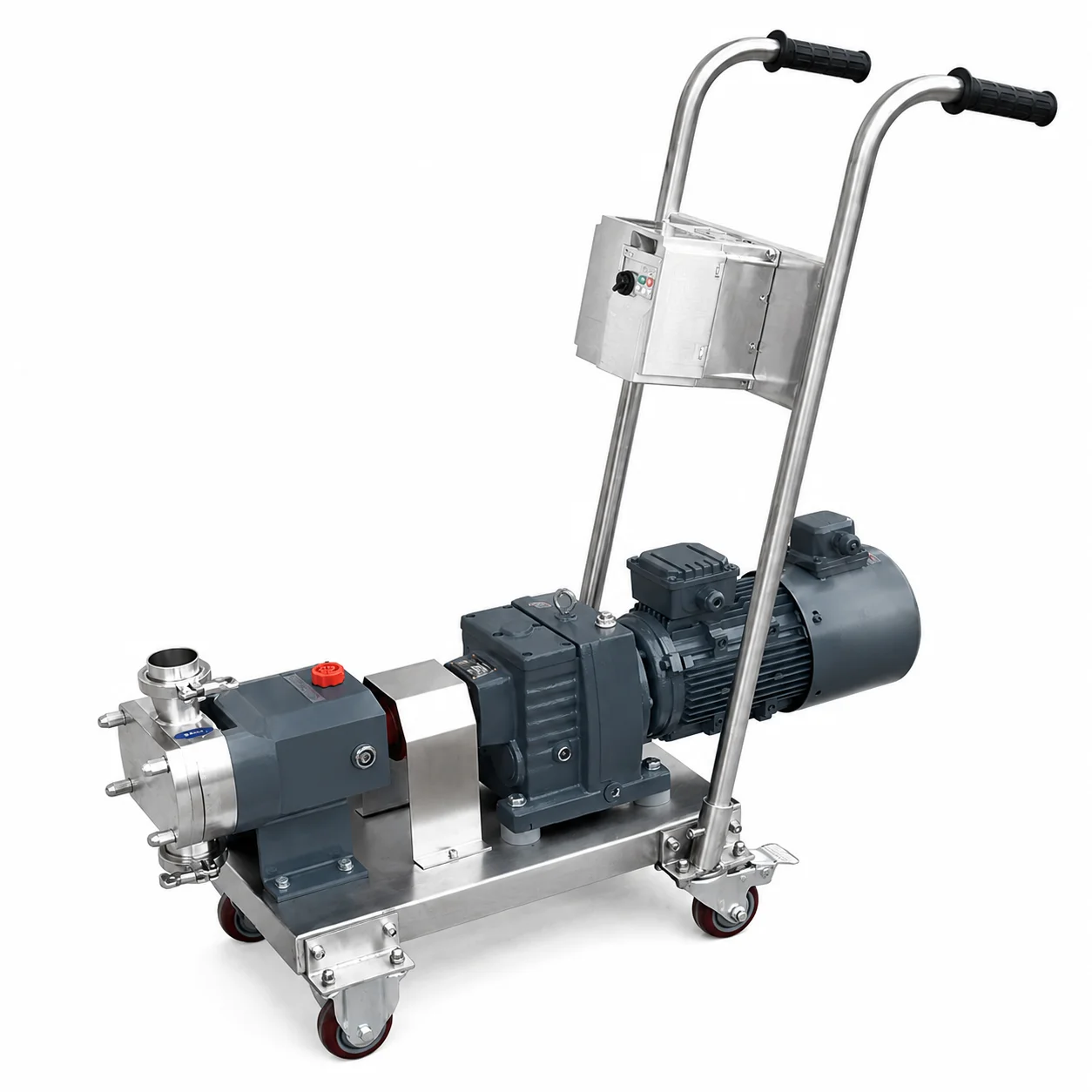
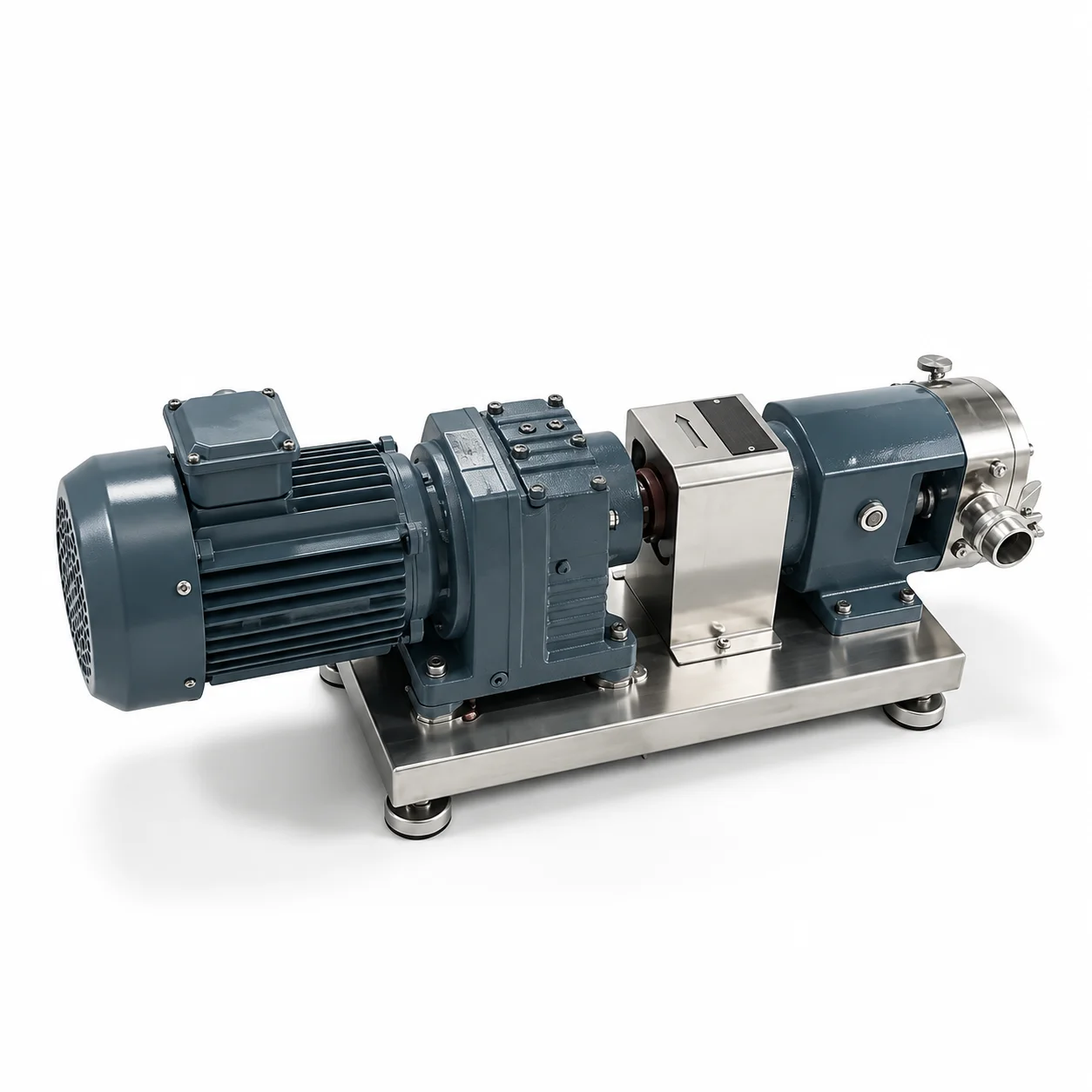
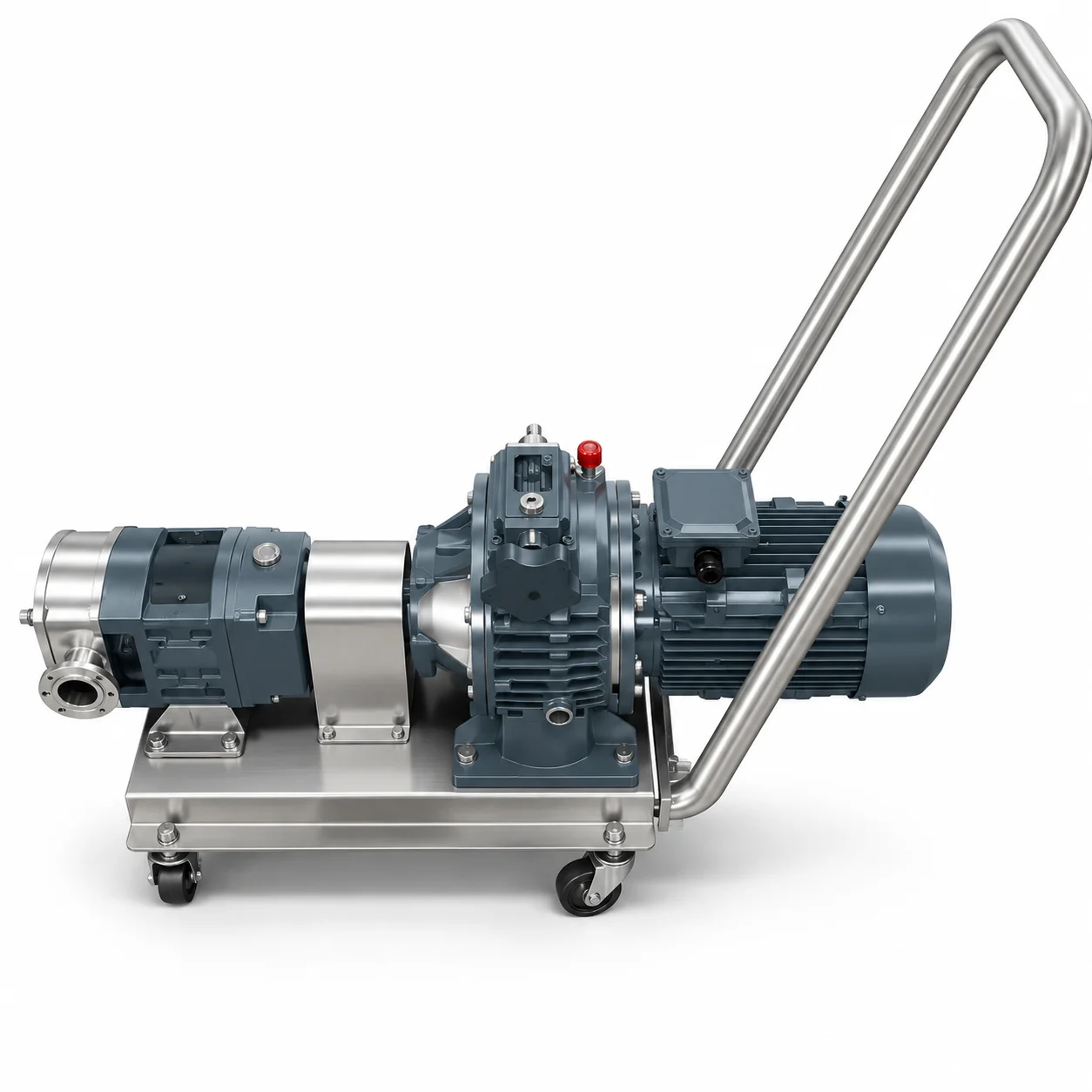
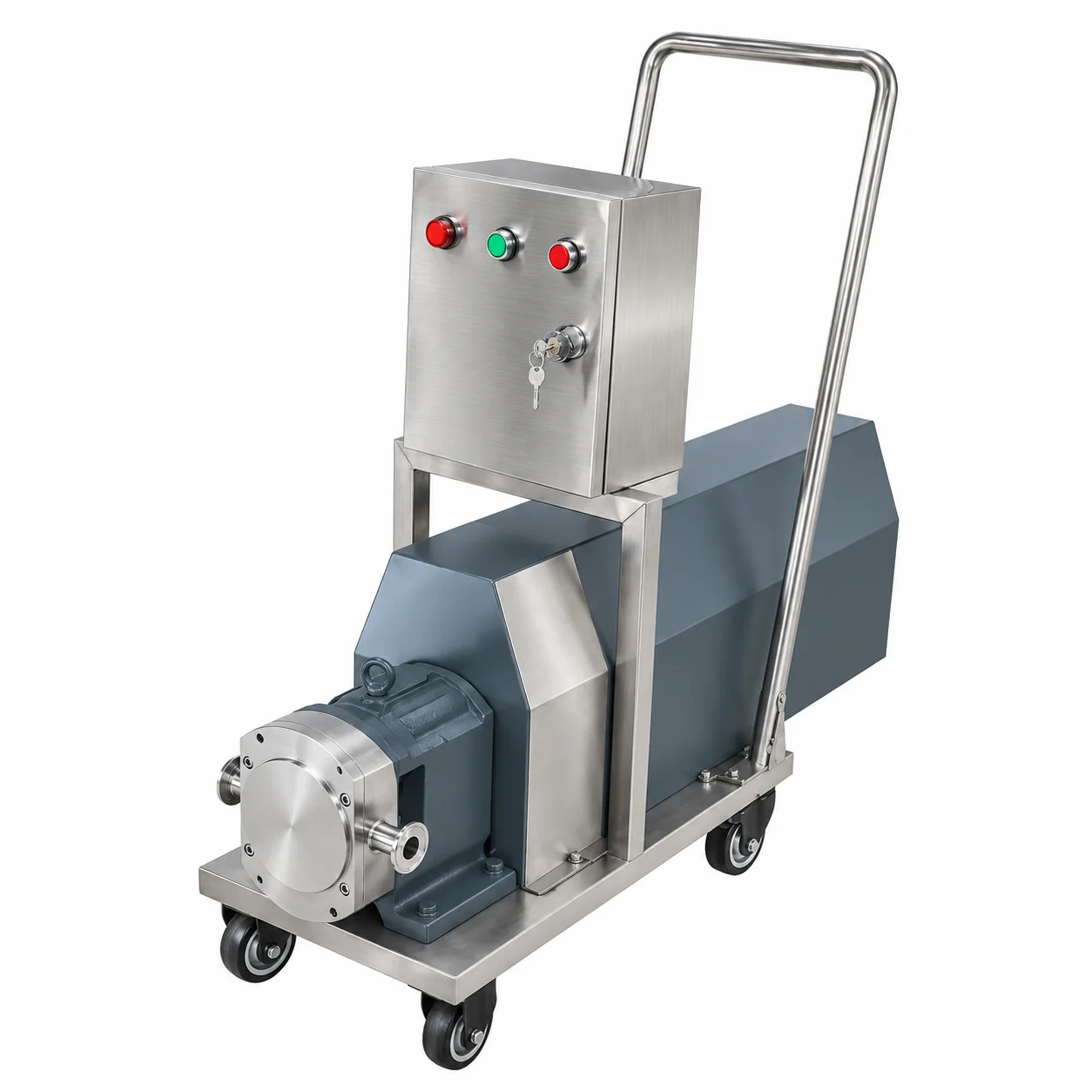
Mobile Sanitary Cam Rotor Pump for Chocolate Paste
Mobile Sanitary Cam Rotor Pump for Chocolate Paste 原价为:$2,504.84。当前价格为:$1,683.09。
返回产品
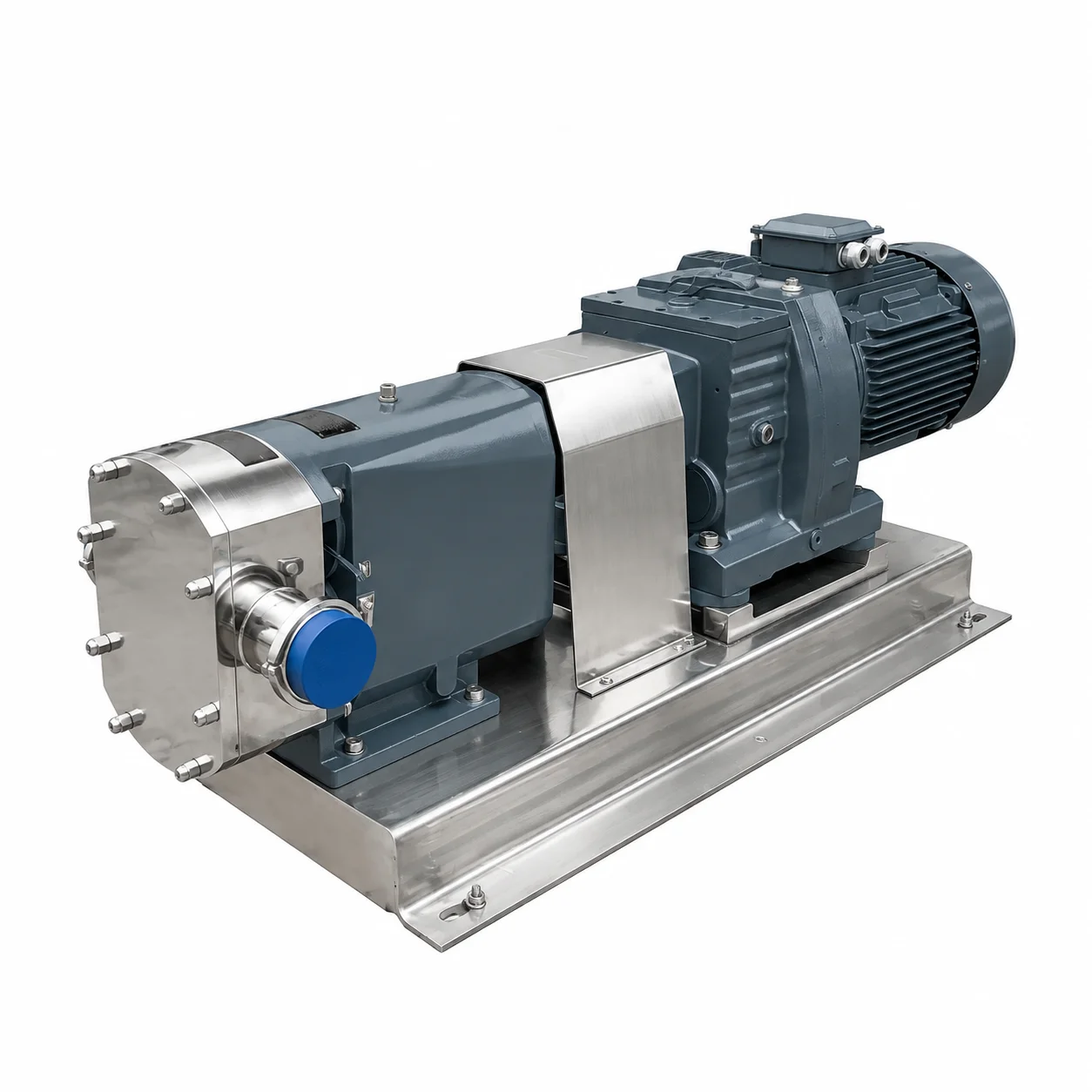
SS316 Stainless Steel High-Viscosity Rotary Lobe Pump
SS316 Stainless Steel High-Viscosity Rotary Lobe Pump 原价为:$2,154.39。当前价格为:$1,507.80。

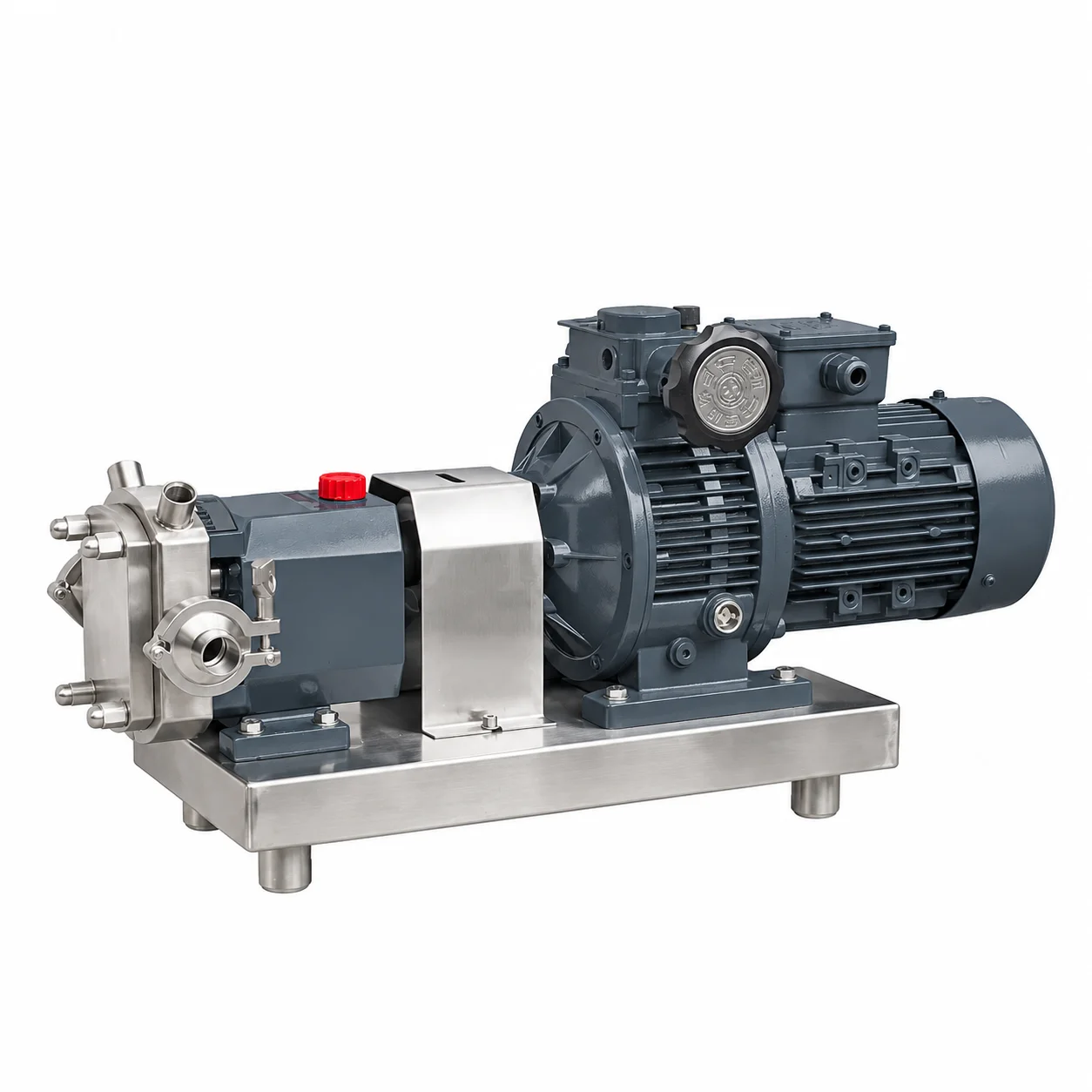
Sanitary Stainless Steel Tri-Clamp Rotary Lobe Pump

原价为:$2,927.53。当前价格为:$1,965.05。

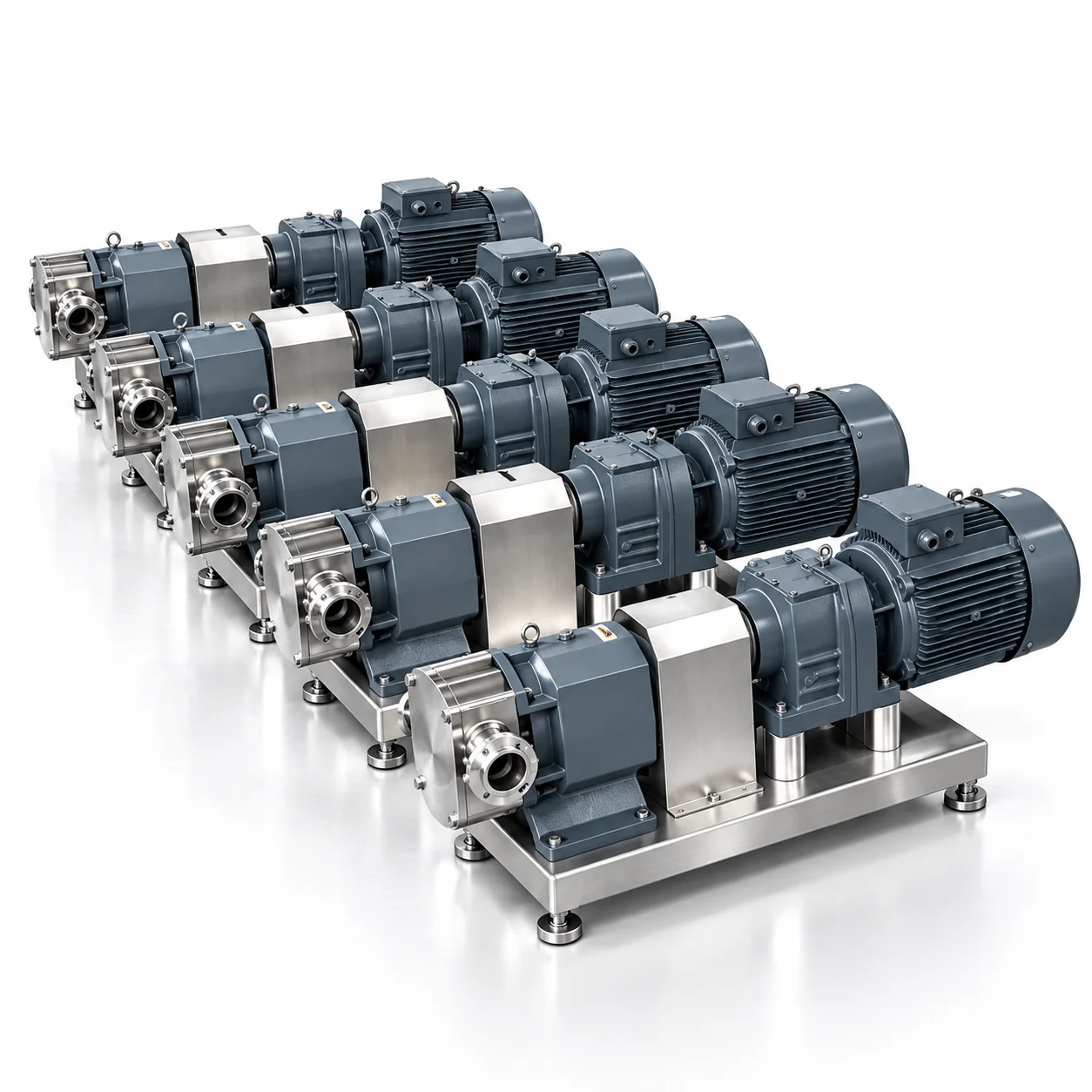
We have available a sanitary rotary lobe pump with tri-clamp fittings to move chocolate syrup, molasses, and honey to transfer between tanks and to connect to filling equipment. We also have the ability to custom size the pump to the specific flow requirements and line pressure of your system.

库存 100 件

Rotor Optional

Three-Lobe Rotor

Applicable Liquids:

  • Suitable for creams, liquids and sauces with low, medium and high viscosity, uniform texture and no hard granules.
  • Example: Chocolate, honey, mashed potatoes and ice cream.
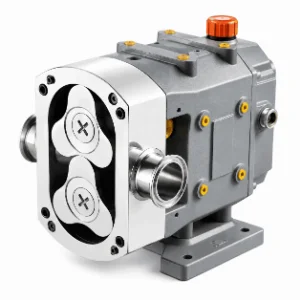
Three-Lobe Rotor

Butterfly Rotor

Applicable Liquids:

  • Suitable for shear-free, non-destructive transfer of soft-grained sauces and small-particle materials.
  • Example: Jam, pulp, juice, jelly and tomato sauce.
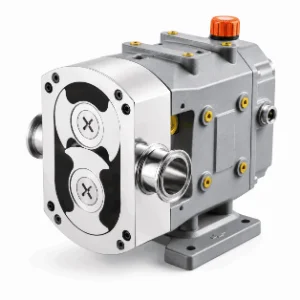
Butterfly Rotor

Single-Lobe Rotor

Applicable Liquids:

  • Suitable for conveying materials containing larger solid particles while maintaining stable transfer.
  • Example: Rock salt, chilli sauce and peanut butter.
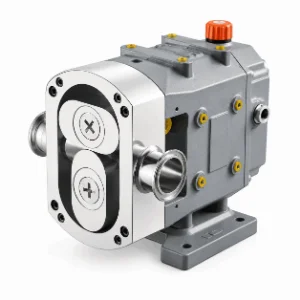
Single-Lobe Rotor

Multi-Lobe Rotor

Applicable Liquids:

  • Suitable for creams, liquids and sauces with low, medium and high viscosity where higher output accuracy and smooth flow are required.
  • Example: Chocolate, honey, cream, yoghurt, butter and grease.
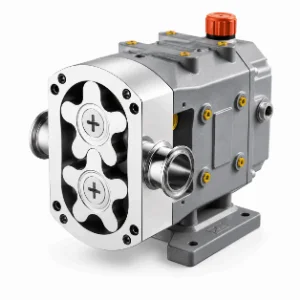
Multi-Lobe Rotor

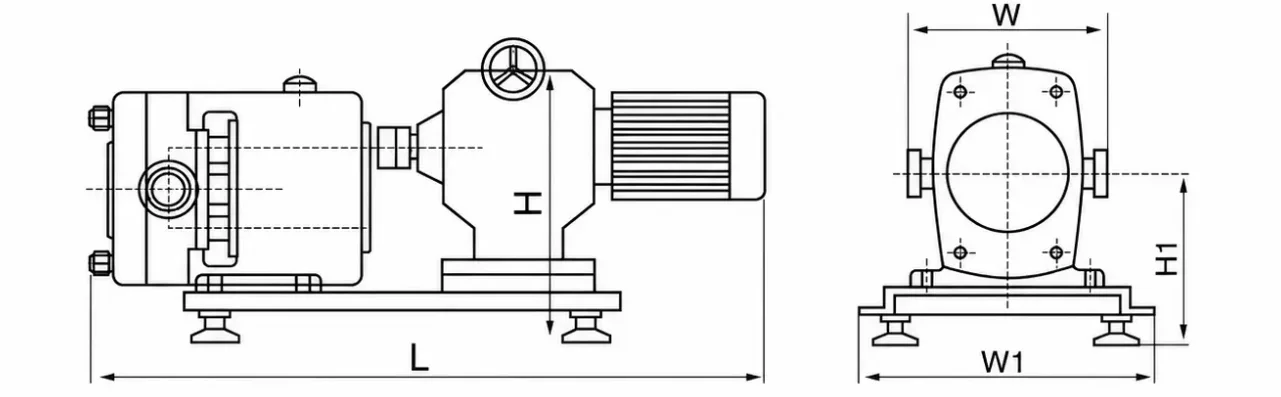
Parameter Chart

lobe pump Parameter Chart
← Swipe left or right to view all specifications →
Model Flow per
100 Rotation
Power
(kW)
Suggested
RPM
Capacity
(L/H)
Diameter L H H1 W W1 Connection Type
ZB3A-3 3L 0.55 200-500 300-800 Φ25×1.5 710 290 150 150 240 Clamp / Thread / Flange
ZB3A-6 6L 0.75 200-500 650-1600 Φ25×1.5 780 390 170 190 240 Clamp / Thread / Flange
ZB3A-8 8L 1.5 200-500 850-2160 Φ38×1.5 850 400 170 190 280 Clamp / Thread / Flange
ZB3A-12 12L 2.2 200-500 1300-3200 Φ38×1.5 980 450 185 220 330 Clamp / Thread / Flange
ZB3A-20 20L 3 200-500 2100-5400 Φ38×1.5 1000 450 190 250 330 Clamp / Thread / Flange
ZB3A-30 30L 4 200-500 3200-6400 Φ50.8×1.5 1050 480 220 270 350 Clamp / Thread / Flange
ZB3A-36 36L 4 200-400 3800-7600 Φ50.8×1.5 1100 490 220 270 360 Clamp / Thread / Flange
ZB3A-52 52L 5.5 200-400 5600-11000 Φ63×1.5 1250 580 260 270 480 Clamp / Thread / Flange
ZB3A-66 66L 7.5 200-400 7100-14000 Φ76×1.5 1350 600 260 270 480 Clamp / Thread / Flange
ZB3A-78 78L 7.5 200-400 9000-18000 Φ76×1.5 1260 600 295 370 480 Clamp / Thread / Flange
ZB3A-100 100L 11 200-400 11000-22000 Φ76×2 1320 670 295 370 480 Clamp / Thread / Flange
ZB3A-135 135L 15 200-400 15000-30000 Φ89×2 1500 670 295 370 480 Clamp / Thread / Flange
ZB3A-160 160L 18.5 200-400 17000-34000 Φ102×3 1500 720 320 420 560 Clamp / Thread / Flange
ZB3A-200 200L 22 200-400 21600-43000 Φ102×3 1500 720 320 420 560 Clamp / Thread / Flange
ZB3A-300 300L 30 200-400 32400-64800 Φ125×3 1650 800 400 480 620 Clamp / Thread / Flange
ZB3A-400 400L 37 200-400 43200-86400 Φ150×3 1700 800 400 480 620 Clamp / Thread / Flange
Dimensions are shown as L / H / H1 / W / W1. On mobile, you can swipe horizontally to view the full table.

This pump is constructed of stainless steel with tri-clamp fittings and is designed to move viscous products such as molasses and honey. It has potential use to move ingredients from a storage tank to a batch mixer. It can also be used to feed product to a filler supply hopper. When using this pump to transfer syrup from one location to another, it is important that the syrup flows easily to the pump inlet to allow product to enter the pump during startup and when the supply tank is nearly empty.

Rotary lobe pumps consist of two rotors mounted on the same shaft with one rotor located above the other. The lobes create a pocket to capture the product to be transferred when they move apart. The pocket of product is transferred to the wall of the pump and released when the lobes come back together. To increase the volume of product transferred, the rotor speed of the pump needs to increase.

There must be an inlet in the system to supply the required quantity of product to the pump at the desired rate.

Transfer Rate and Inlet Supply

For products of greater viscosity we suggest starting the pump at reduced speed to avoid cavitation. It’s ideal to have the inlet to the pump fully submerged in the product, if system design allows it. If not, use a large diameter suction line. Positive displacement pumps can increase pressure until failure. Therefore it is important to know the downstream process and valve control to avoid over pressure.

Applications of Chocolate Syrup, Molasses and Honey

Chocolate Syrup: Use to transfer to a buffer tank or supply hopper to the filling machine. For syrup to flow easily to the pump it should be at or slightly above its transfer temperature.

Molasses: Use to transfer molasses from a storage tank to a vessel in which the product is added to batches of other ingredients. Take into account the effect of long, vertical transfers on the system.

Honey: Transfer to a holding tank to be further processed or transported to a filling machine.

List the average crystal size and concentration to allow us to verify rotor clearances.

Product Configuration and Technical Details

  • Type of Pump: Rotary lobe, positive displacement
  • Design: Sanitary Stainless Steel
  • Inlet and outlet: Tri-clamp

The pump is intended for transfer of products such as chocolate syrup, molasses and honey, which may have varying levels of crystallization. Confirm the average viscosity of the product to be handled as this will affect the operating limits of the pump.

During selection of this particular pump, consider the following: type of mechanical seal and elastomer to be used, type and speed of the motor and gearbox.

Pump operating limits must also be verified with the pump supplier.

Why use this Pump with an Existing Food Processing Line?

A positive displacement pump is well suited for transferring thick food products. To decrease the time and effort needed to connect and disconnect lines during product changeover, it is advisable to use pumps with the same connection type as those already in use in the food processing line. When space permits, we will design the pump to be easily removable from the processing line to facilitate changeover of the service parts.

When determining the size of the pump to use, provide the product’s viscosity at operating temperature, the positive and negative pressures across the pump. If line pressures are unknown, provide information pertaining to the elevation of the liquids in the tank, lengths and diameters of the piping to the equipment.

Give us the details of the power supply, the mounting space available, your preferred method of cleaning the system, and any other material or information requirements to create a complete proposal.

FAQ

Can one pump do the job with chocolate syrup, molasses and honey?

A pump can transfer multiple products as long as the configuration covers the requirements of each product. We need to verify compatibility of the seals with the product to be transferred and ensure that the product is adequately removed from the pump between transfers of each product.

Why does the viscosity of the molasses effect the size of the motor?

Molasses becomes thicker and more viscous when it is cooled. Increased viscosity creates increased loss in the inlet to the pump, therefore requiring more torque to initiate pump rotation.

Can the flow rate of the syrup be adjusted to match that of the filler?

Yes, a variable speed drive on the pump could control the flow to the filler. We would have to assess the piping system to determine if the inlet to the pump would be able to supply the product to the filler at the speed required to meet demand.

Are tri-clamp fittings compatible with other sanitary fittings?

Provide us with the nominal size of the tri clamp fittings to determine compatibility with your piping system.

We can confirm the compatibility of the quoted configuration with the gaskets, chemicals and temperatures used in the application.

Can this pump be cleaned in place?

To confirm if a pump can be cleaned in place we need to review several parameters of the application. These include the geometry of the pump, type of seals used, and how easy it is to drain the pump. If there is a process to clean the line, provide the details to us and we will verify if the pump can meet these requirements.

What flow rate and pressure should I expect?

We will quote the flow rate and differential pressure associated with the specified pump and drive at the specified duty point.

If the fluid being pumped changes significant during operation, provide us these values as well to more accurately evaluate the pump required.

Request a Quote

To get a quote for a complete system, let us know the fluid you need pumped, the transfer temperature and the flow rate required. Provide the size of the tri-clamp fittings to be used to connect the system as well.


描述

This pump is constructed of stainless steel with tri-clamp fittings and is designed to move viscous products such as molasses and honey. It has potential use to move ingredients from a storage tank to a batch mixer. It can also be used to feed product to a filler supply hopper. When using this pump to transfer syrup from one location to another, it is important that the syrup flows easily to the pump inlet to allow product to enter the pump during startup and when the supply tank is nearly empty.

Rotary lobe pumps consist of two rotors mounted on the same shaft with one rotor located above the other. The lobes create a pocket to capture the product to be transferred when they move apart. The pocket of product is transferred to the wall of the pump and released when the lobes come back together. To increase the volume of product transferred, the rotor speed of the pump needs to increase.

There must be an inlet in the system to supply the required quantity of product to the pump at the desired rate.

Transfer Rate and Inlet Supply

For products of greater viscosity we suggest starting the pump at reduced speed to avoid cavitation. It’s ideal to have the inlet to the pump fully submerged in the product, if system design allows it. If not, use a large diameter suction line. Positive displacement pumps can increase pressure until failure. Therefore it is important to know the downstream process and valve control to avoid over pressure.

Applications of Chocolate Syrup, Molasses and Honey

Chocolate Syrup: Use to transfer to a buffer tank or supply hopper to the filling machine. For syrup to flow easily to the pump it should be at or slightly above its transfer temperature.

Molasses: Use to transfer molasses from a storage tank to a vessel in which the product is added to batches of other ingredients. Take into account the effect of long, vertical transfers on the system.

Honey: Transfer to a holding tank to be further processed or transported to a filling machine.

List the average crystal size and concentration to allow us to verify rotor clearances.

Product Configuration and Technical Details

  • Type of Pump: Rotary lobe, positive displacement
  • Design: Sanitary Stainless Steel
  • Inlet and outlet: Tri-clamp

The pump is intended for transfer of products such as chocolate syrup, molasses and honey, which may have varying levels of crystallization. Confirm the average viscosity of the product to be handled as this will affect the operating limits of the pump.

During selection of this particular pump, consider the following: type of mechanical seal and elastomer to be used, type and speed of the motor and gearbox.

Pump operating limits must also be verified with the pump supplier.

Why use this Pump with an Existing Food Processing Line?

A positive displacement pump is well suited for transferring thick food products. To decrease the time and effort needed to connect and disconnect lines during product changeover, it is advisable to use pumps with the same connection type as those already in use in the food processing line. When space permits, we will design the pump to be easily removable from the processing line to facilitate changeover of the service parts.

When determining the size of the pump to use, provide the product’s viscosity at operating temperature, the positive and negative pressures across the pump. If line pressures are unknown, provide information pertaining to the elevation of the liquids in the tank, lengths and diameters of the piping to the equipment.

Give us the details of the power supply, the mounting space available, your preferred method of cleaning the system, and any other material or information requirements to create a complete proposal.

FAQ

Can one pump do the job with chocolate syrup, molasses and honey?

A pump can transfer multiple products as long as the configuration covers the requirements of each product. We need to verify compatibility of the seals with the product to be transferred and ensure that the product is adequately removed from the pump between transfers of each product.

Why does the viscosity of the molasses effect the size of the motor?

Molasses becomes thicker and more viscous when it is cooled. Increased viscosity creates increased loss in the inlet to the pump, therefore requiring more torque to initiate pump rotation.

Can the flow rate of the syrup be adjusted to match that of the filler?

Yes, a variable speed drive on the pump could control the flow to the filler. We would have to assess the piping system to determine if the inlet to the pump would be able to supply the product to the filler at the speed required to meet demand.

Are tri-clamp fittings compatible with other sanitary fittings?

Provide us with the nominal size of the tri clamp fittings to determine compatibility with your piping system.

We can confirm the compatibility of the quoted configuration with the gaskets, chemicals and temperatures used in the application.

Can this pump be cleaned in place?

To confirm if a pump can be cleaned in place we need to review several parameters of the application. These include the geometry of the pump, type of seals used, and how easy it is to drain the pump. If there is a process to clean the line, provide the details to us and we will verify if the pump can meet these requirements.

What flow rate and pressure should I expect?

We will quote the flow rate and differential pressure associated with the specified pump and drive at the specified duty point.

If the fluid being pumped changes significant during operation, provide us these values as well to more accurately evaluate the pump required.

Request a Quote

To get a quote for a complete system, let us know the fluid you need pumped, the transfer temperature and the flow rate required. Provide the size of the tri-clamp fittings to be used to connect the system as well.

Shipping and Delivery

MAECENAS IACULIS

Vestibulum curae torquent diam diam commodo parturient penatibus nunc dui adipiscing convallis bulum parturient suspendisse parturient a.Parturient in parturient scelerisque nibh lectus quam a natoque adipiscing a vestibulum hendrerit et pharetra fames nunc natoque dui.

ADIPISCING CONVALLIS BULUM

  • Vestibulum penatibus nunc dui adipiscing convallis bulum parturient suspendisse.
  • Abitur parturient praesent lectus quam a natoque adipiscing a vestibulum hendre.
  • Diam parturient dictumst parturient scelerisque nibh lectus.

Scelerisque adipiscing bibendum sem vestibulum et in a a a purus lectus faucibus lobortis tincidunt purus lectus nisl class eros.Condimentum a et ullamcorper dictumst mus et tristique elementum nam inceptos hac parturient scelerisque vestibulum amet elit ut volutpat.