316L Sanitary Lobe Pump with CIP Cleaning System
$2,799.84 原价为:$2,799.84。$1,999.55当前价格为:$1,999.55。
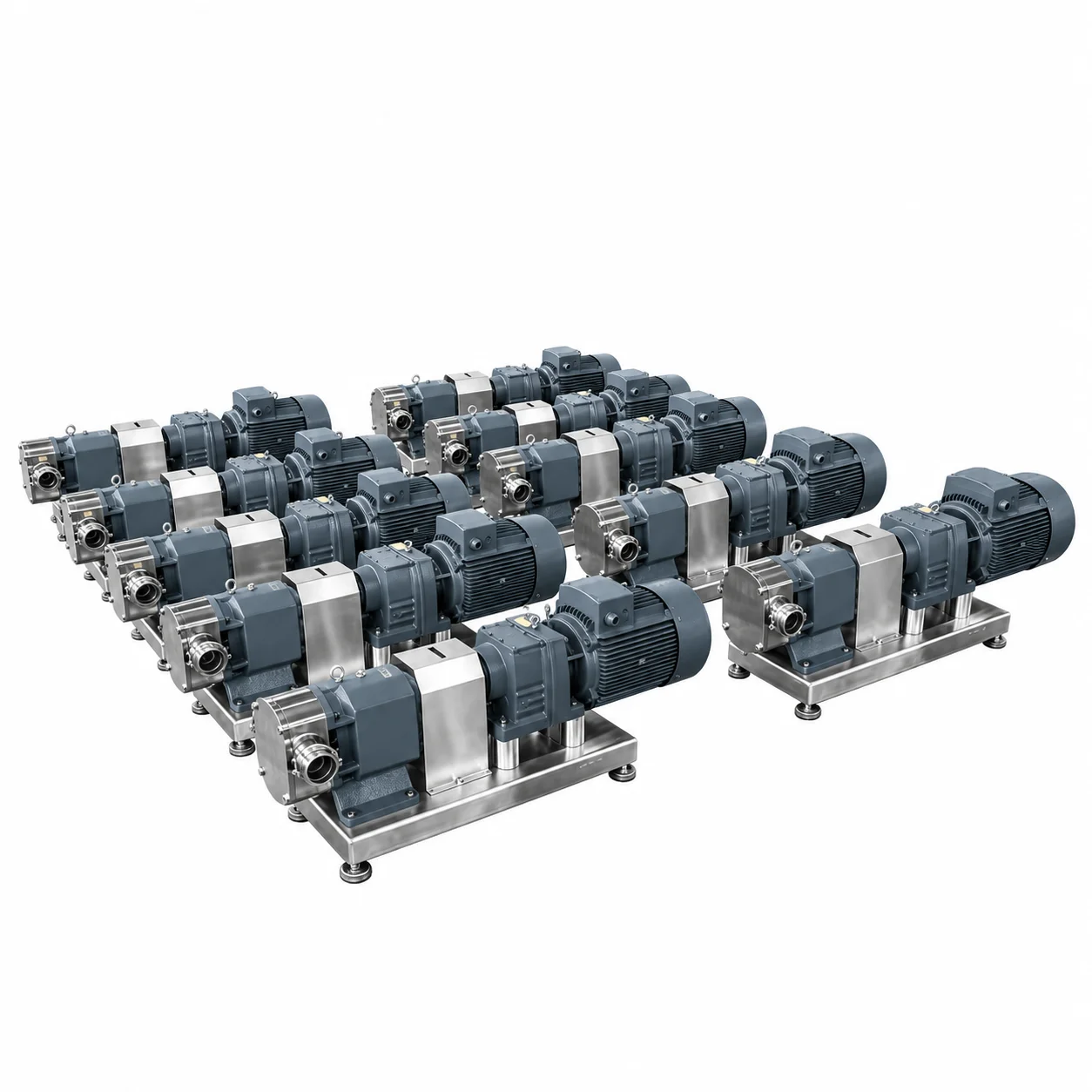
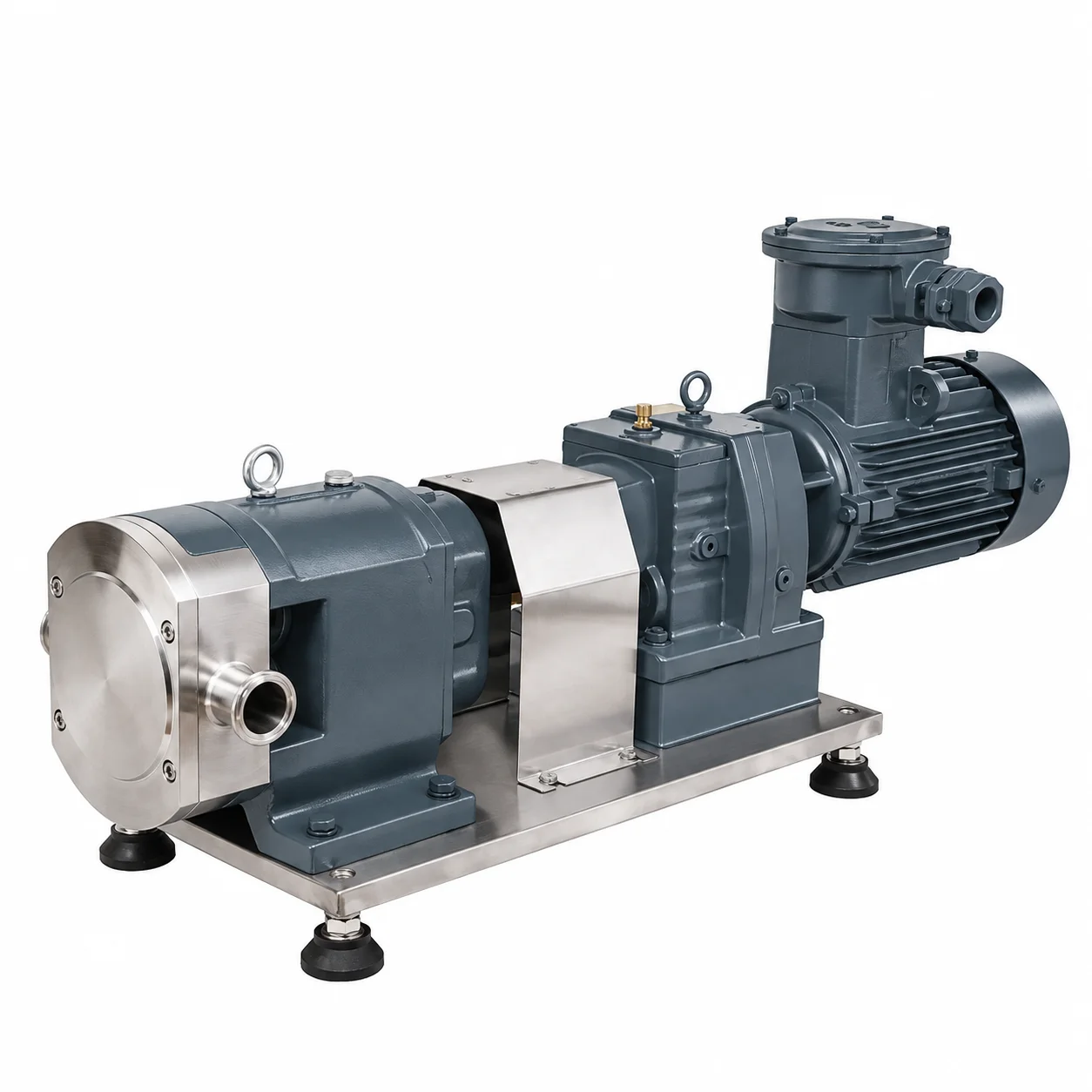
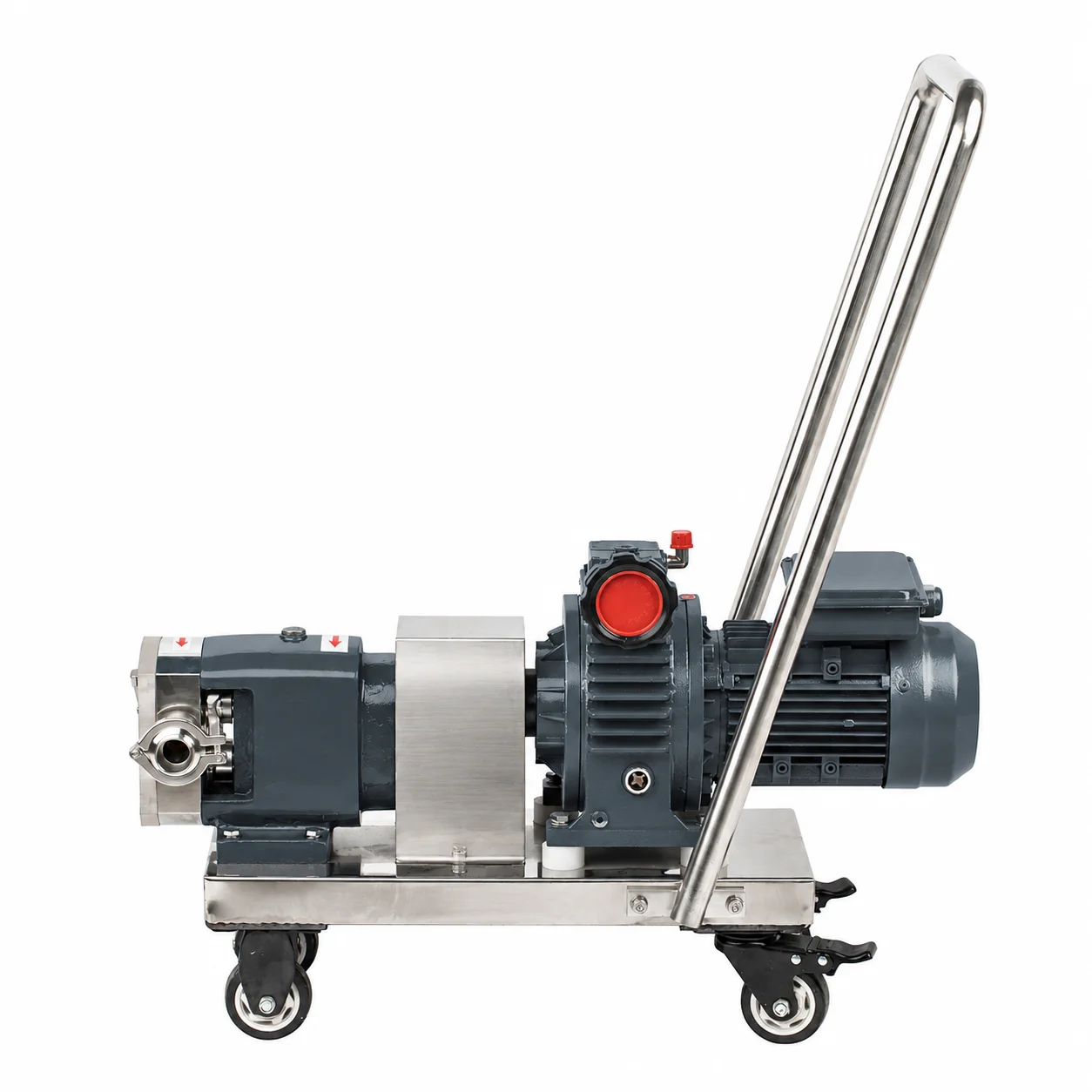
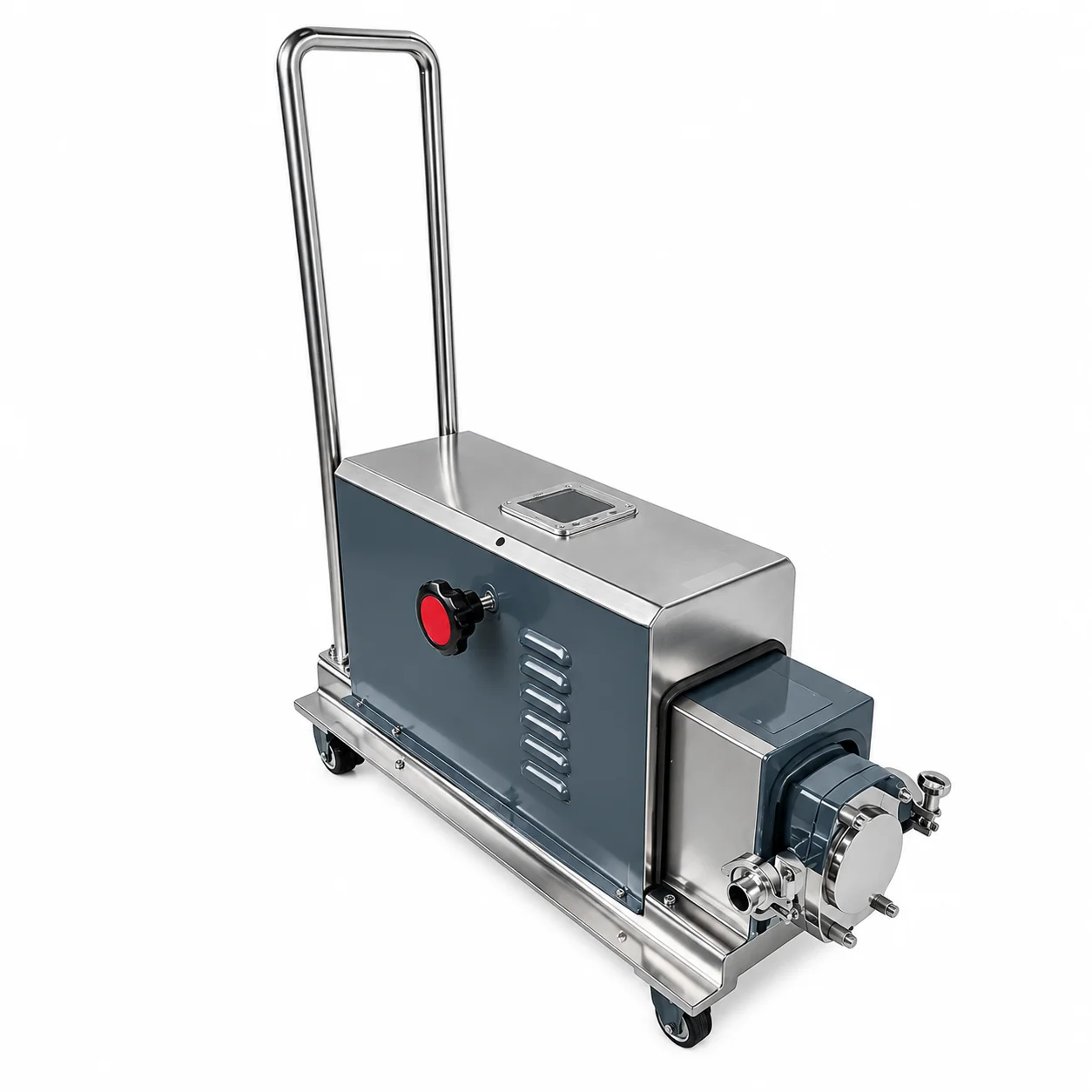
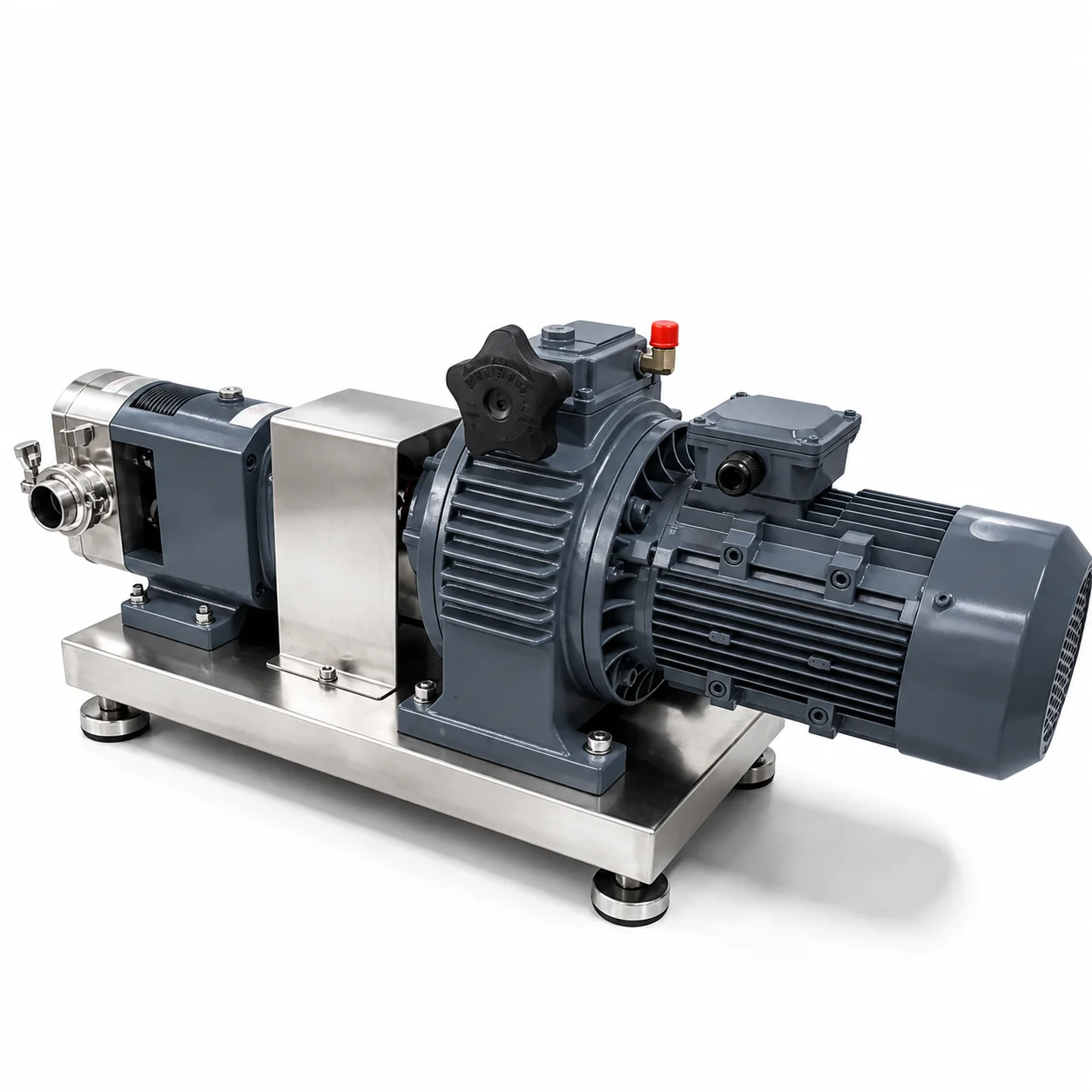
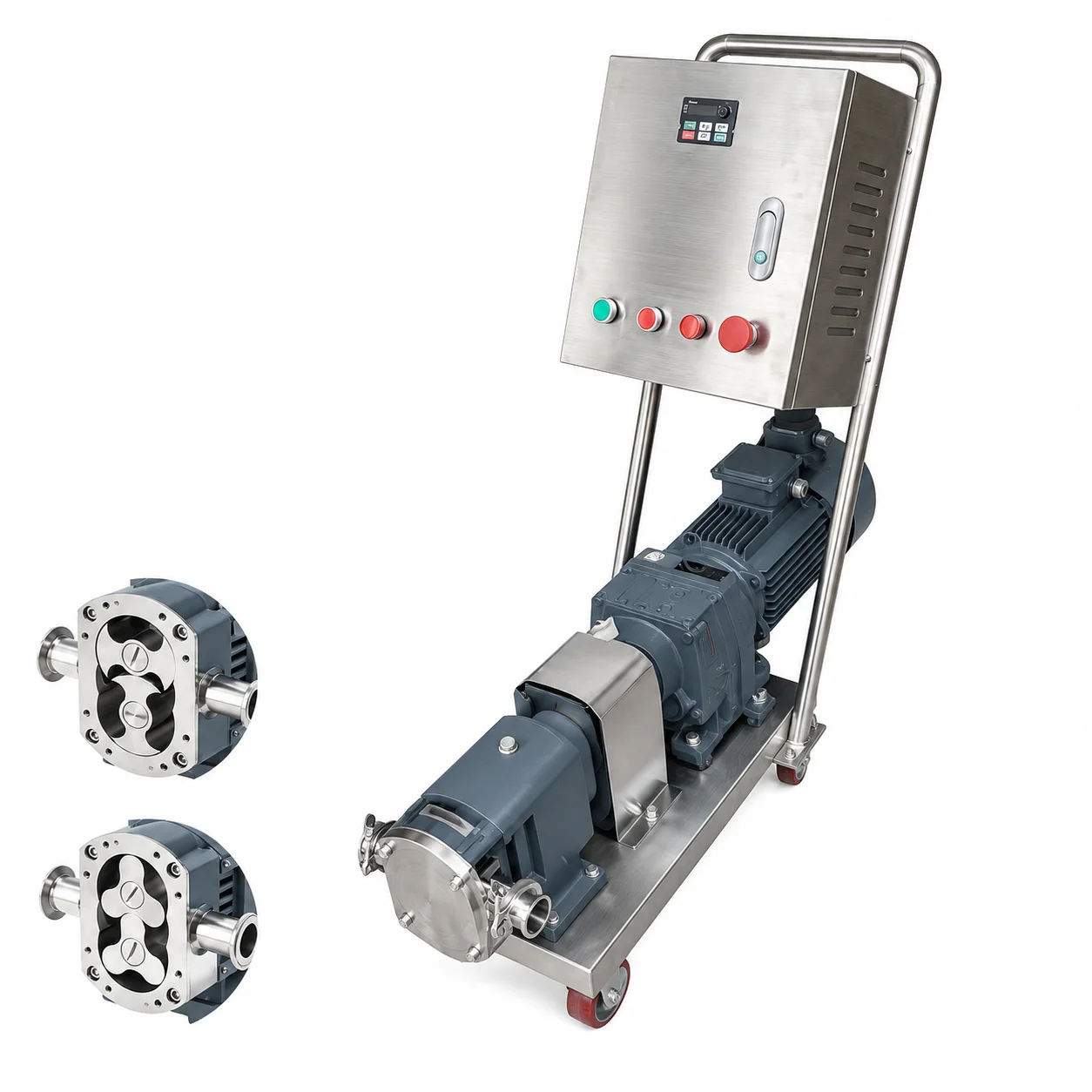
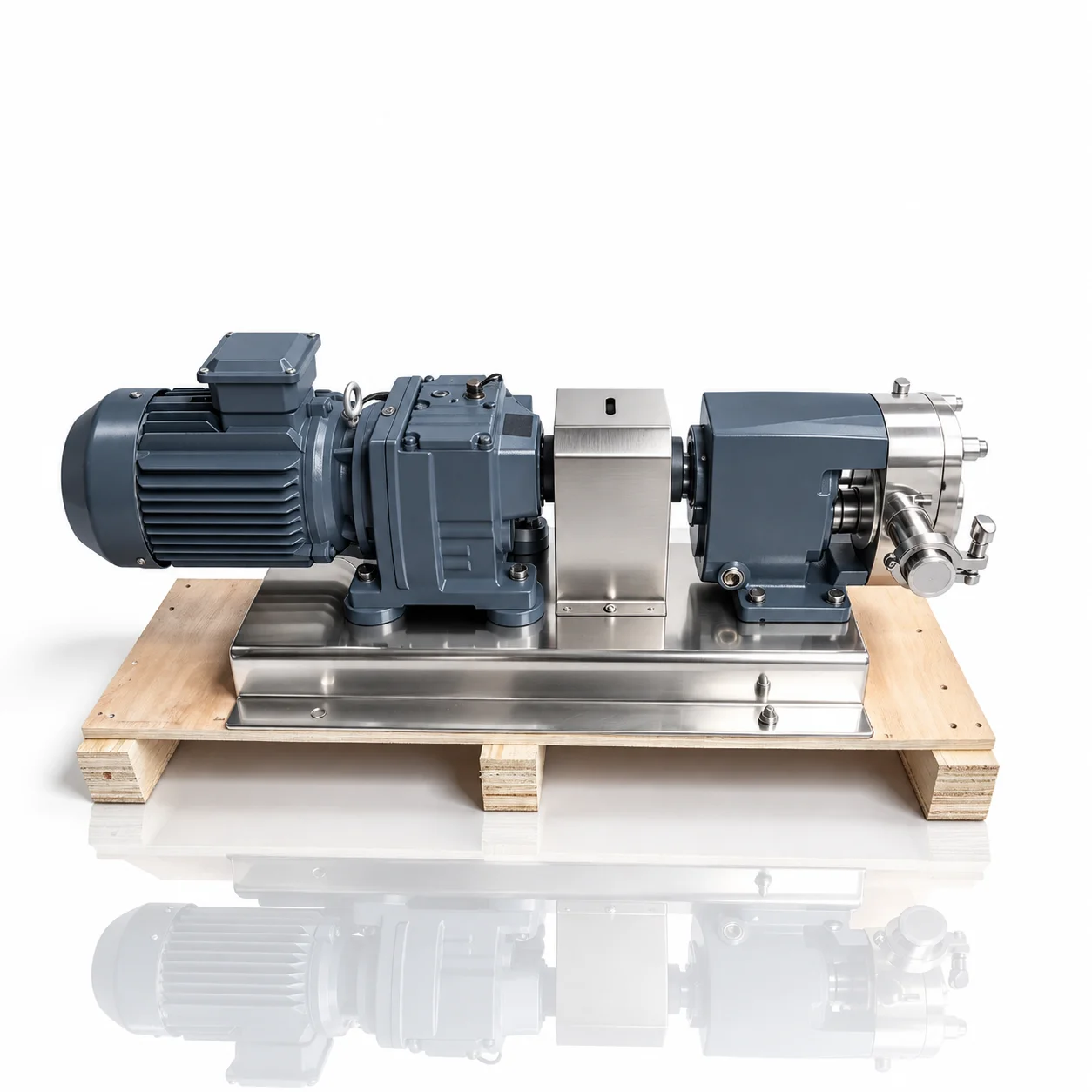
We have available a sanitary lobe pump for transfer of juice and milk products made of stainless steel 316L. The rotary lobe mechanism transports liquid in a positive displacement manner to provide product transfer. For clean in place it is recommended that the system be connected to a CIP system to perform the cleaning cycle. Provide us with the relevant process data to validate that the pump will satisfy your requirements.
库存 100 件
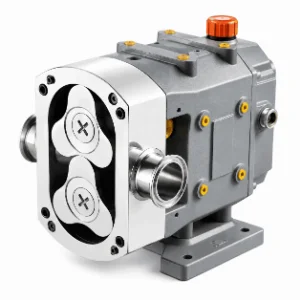
Rotor Optional
Three-Lobe Rotor
Applicable Liquids:
- Suitable for creams, liquids and sauces with low, medium and high viscosity, uniform texture and no hard granules.
- Example: Chocolate, honey, mashed potatoes and ice cream.
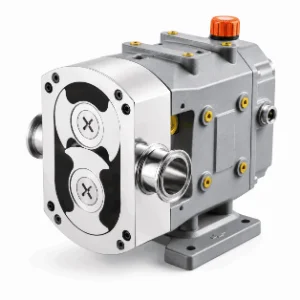
Butterfly Rotor
Applicable Liquids:
- Suitable for shear-free, non-destructive transfer of soft-grained sauces and small-particle materials.
- Example: Jam, pulp, juice, jelly and tomato sauce.
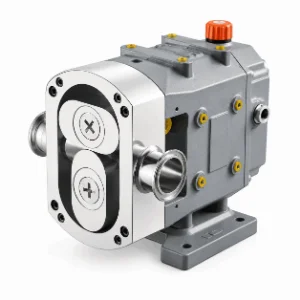
Single-Lobe Rotor
Applicable Liquids:
- Suitable for conveying materials containing larger solid particles while maintaining stable transfer.
- Example: Rock salt, chilli sauce and peanut butter.
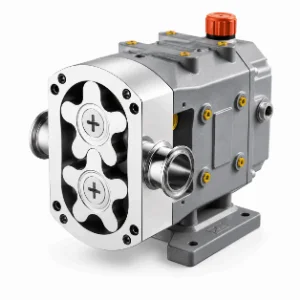
Multi-Lobe Rotor
Applicable Liquids:
- Suitable for creams, liquids and sauces with low, medium and high viscosity where higher output accuracy and smooth flow are required.
- Example: Chocolate, honey, cream, yoghurt, butter and grease.
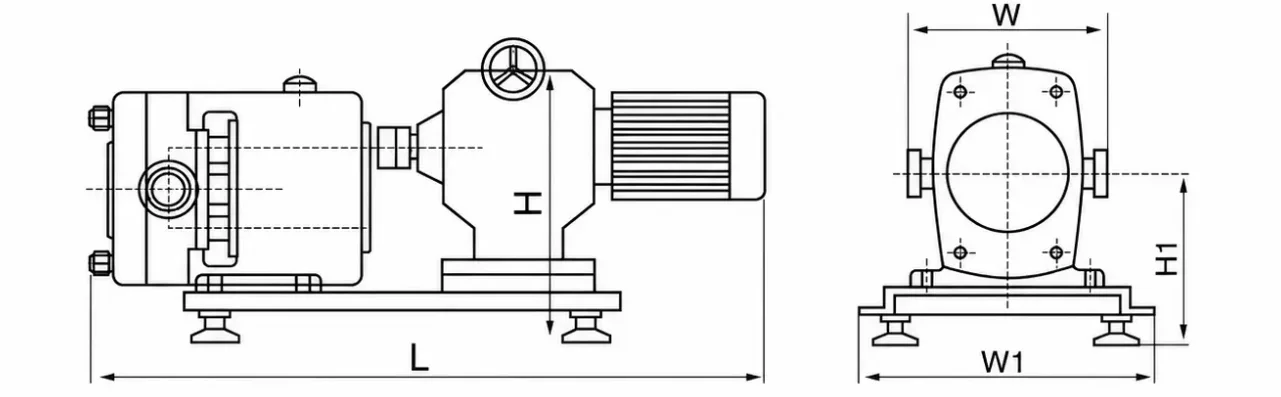
Parameter Chart
| Model | Flow per 100 Rotation |
Power (kW) |
Suggested RPM |
Capacity (L/H) |
Diameter | L | H | H1 | W | W1 | Connection Type |
|---|---|---|---|---|---|---|---|---|---|---|---|
| ZB3A-3 | 3L | 0.55 | 200-500 | 300-800 | Φ25×1.5 | 710 | 290 | 150 | 150 | 240 | Clamp / Thread / Flange |
| ZB3A-6 | 6L | 0.75 | 200-500 | 650-1600 | Φ25×1.5 | 780 | 390 | 170 | 190 | 240 | Clamp / Thread / Flange |
| ZB3A-8 | 8L | 1.5 | 200-500 | 850-2160 | Φ38×1.5 | 850 | 400 | 170 | 190 | 280 | Clamp / Thread / Flange |
| ZB3A-12 | 12L | 2.2 | 200-500 | 1300-3200 | Φ38×1.5 | 980 | 450 | 185 | 220 | 330 | Clamp / Thread / Flange |
| ZB3A-20 | 20L | 3 | 200-500 | 2100-5400 | Φ38×1.5 | 1000 | 450 | 190 | 250 | 330 | Clamp / Thread / Flange |
| ZB3A-30 | 30L | 4 | 200-500 | 3200-6400 | Φ50.8×1.5 | 1050 | 480 | 220 | 270 | 350 | Clamp / Thread / Flange |
| ZB3A-36 | 36L | 4 | 200-400 | 3800-7600 | Φ50.8×1.5 | 1100 | 490 | 220 | 270 | 360 | Clamp / Thread / Flange |
| ZB3A-52 | 52L | 5.5 | 200-400 | 5600-11000 | Φ63×1.5 | 1250 | 580 | 260 | 270 | 480 | Clamp / Thread / Flange |
| ZB3A-66 | 66L | 7.5 | 200-400 | 7100-14000 | Φ76×1.5 | 1350 | 600 | 260 | 270 | 480 | Clamp / Thread / Flange |
| ZB3A-78 | 78L | 7.5 | 200-400 | 9000-18000 | Φ76×1.5 | 1260 | 600 | 295 | 370 | 480 | Clamp / Thread / Flange |
| ZB3A-100 | 100L | 11 | 200-400 | 11000-22000 | Φ76×2 | 1320 | 670 | 295 | 370 | 480 | Clamp / Thread / Flange |
| ZB3A-135 | 135L | 15 | 200-400 | 15000-30000 | Φ89×2 | 1500 | 670 | 295 | 370 | 480 | Clamp / Thread / Flange |
| ZB3A-160 | 160L | 18.5 | 200-400 | 17000-34000 | Φ102×3 | 1500 | 720 | 320 | 420 | 560 | Clamp / Thread / Flange |
| ZB3A-200 | 200L | 22 | 200-400 | 21600-43000 | Φ102×3 | 1500 | 720 | 320 | 420 | 560 | Clamp / Thread / Flange |
| ZB3A-300 | 300L | 30 | 200-400 | 32400-64800 | Φ125×3 | 1650 | 800 | 400 | 480 | 620 | Clamp / Thread / Flange |
| ZB3A-400 | 400L | 37 | 200-400 | 43200-86400 | Φ150×3 | 1700 | 800 | 400 | 480 | 620 | Clamp / Thread / Flange |
Sanitary Lobe Pump for Juice and Milk Transfer
We provide this Sanitary Lobe pump in stainless steel 316L for transfer of juice and milk. The CIP design permits cleaning of the pump within the process system to which it is connected. This eliminates the need to take the pump apart to perform routine cleaning. CE is indicated on the data sheet supplied with the product and should be confirmed with us to determine the country of conformity of the product supplied.
Operation
Two lobes on the shaft of the pump rotate to draw liquid into the pump and force it through the outlet. The specific flow and pressure attainable by this type of pump is determined by many factors including speed of rotation of the shaft and size of the cavities formed by the lobes.
CIP and Design
In conjunction with the cleaning cycle selected, the CIP design permits circulation of the cleaning solution through the pump and connected piping to effect cleaning of the entire system. To achieve adequate cleaning of the system, many factors including the nature of the product being processed and the flow conditions must be optimized. The 316L stainless steel construction lends itself well to the transfer of juice and milk.
Principles of Operation
- Positive displacement pump
- Rotary lobe design.
- CE marking should be verified along with the other country of conformity.
The pump may be used to transfer juice between process tanks or to transport milk to a filling machine on a hygienic production line.
Depending on the liquid being transferred, various considerations come into play when choosing the appropriate pump. These include the flow rate and pressure required, the liquid’s viscosity and temperature, as well as the method used to clean the pump. The more detail you can provide us on your system the better we can advise on the most appropriate model to use.
Selection Criteria
| Type | Sanitary rotary lobe pump |
| Material of construction | Body and impeller of the pump is of stainless steel 316L. |
| Method of cleaning | CIP. |
| Intended use | Transfer of juices and milk. |
| Other information to be provided prior to use | To be determined based on the application. |
To select the correct pump for your application you will also have to determine the flow rate and pressure required to transfer the liquid being transferred in your process, viscosity and temperature of the liquid as well as the chemicals to be used for cleaning. The type of seal and motor to be used on the pump should also be determined based on the service conditions to which the pump will be exposed.
What is the sanitary lobe pump used to transfer?
The pump has been developed to transfer juices and milk. To ascertain if it can be used to transfer other products please contact us.
What does CIP mean?
CIP means that the pump can be cleaned with a solution circulated through it without the need to disassemble it.
The cleaning cycle has to work in conjunction with the pump installation to remove product residue.
How does a rotary lobe pump operate?
Lobes, which resemble little triangular paddles, facilitate the formation of a vacuum which draws the liquid into the casing and pushes it out at the other end.
Is the pump made of 316L stainless steel?
Stainless steel 316L is mentioned in the product description. Please verify with us to determine the actual material of construction of the pump in the specified configuration.
What should I provide to get a quotation?
To determine the ideal pump for your application provide us with the fluid flow and pressure requirements, characteristics of the liquid to be transferred, the operating temperature, the type of connection available at both ends of the system and the location of the installation.
Does the product come with CE certification?
The product has ‘CE’ mentioned in the title. Request verification to confirm documentation is included with the product for the configuration of your interest.
To request more details on this product to assist in the design of your juice or milk transfer system contact us directly.

Sanitary Lobe Pump for Juice and Milk Transfer
We provide this Sanitary Lobe pump in stainless steel 316L for transfer of juice and milk. The CIP design permits cleaning of the pump within the process system to which it is connected. This eliminates the need to take the pump apart to perform routine cleaning. CE is indicated on the data sheet supplied with the product and should be confirmed with us to determine the country of conformity of the product supplied.
Operation
Two lobes on the shaft of the pump rotate to draw liquid into the pump and force it through the outlet. The specific flow and pressure attainable by this type of pump is determined by many factors including speed of rotation of the shaft and size of the cavities formed by the lobes.
CIP and Design
In conjunction with the cleaning cycle selected, the CIP design permits circulation of the cleaning solution through the pump and connected piping to effect cleaning of the entire system. To achieve adequate cleaning of the system, many factors including the nature of the product being processed and the flow conditions must be optimized. The 316L stainless steel construction lends itself well to the transfer of juice and milk.
Principles of Operation
- Positive displacement pump
- Rotary lobe design.
- CE marking should be verified along with the other country of conformity.
The pump may be used to transfer juice between process tanks or to transport milk to a filling machine on a hygienic production line.
Depending on the liquid being transferred, various considerations come into play when choosing the appropriate pump. These include the flow rate and pressure required, the liquid’s viscosity and temperature, as well as the method used to clean the pump. The more detail you can provide us on your system the better we can advise on the most appropriate model to use.
Selection Criteria
| Type | Sanitary rotary lobe pump |
| Material of construction | Body and impeller of the pump is of stainless steel 316L. |
| Method of cleaning | CIP. |
| Intended use | Transfer of juices and milk. |
| Other information to be provided prior to use | To be determined based on the application. |
To select the correct pump for your application you will also have to determine the flow rate and pressure required to transfer the liquid being transferred in your process, viscosity and temperature of the liquid as well as the chemicals to be used for cleaning. The type of seal and motor to be used on the pump should also be determined based on the service conditions to which the pump will be exposed.
What is the sanitary lobe pump used to transfer?
The pump has been developed to transfer juices and milk. To ascertain if it can be used to transfer other products please contact us.
What does CIP mean?
CIP means that the pump can be cleaned with a solution circulated through it without the need to disassemble it.
The cleaning cycle has to work in conjunction with the pump installation to remove product residue.
How does a rotary lobe pump operate?
Lobes, which resemble little triangular paddles, facilitate the formation of a vacuum which draws the liquid into the casing and pushes it out at the other end.
Is the pump made of 316L stainless steel?
Stainless steel 316L is mentioned in the product description. Please verify with us to determine the actual material of construction of the pump in the specified configuration.
What should I provide to get a quotation?
To determine the ideal pump for your application provide us with the fluid flow and pressure requirements, characteristics of the liquid to be transferred, the operating temperature, the type of connection available at both ends of the system and the location of the installation.
Does the product come with CE certification?
The product has ‘CE’ mentioned in the title. Request verification to confirm documentation is included with the product for the configuration of your interest.
To request more details on this product to assist in the design of your juice or milk transfer system contact us directly.

MAECENAS IACULIS
Vestibulum curae torquent diam diam commodo parturient penatibus nunc dui adipiscing convallis bulum parturient suspendisse parturient a.Parturient in parturient scelerisque nibh lectus quam a natoque adipiscing a vestibulum hendrerit et pharetra fames nunc natoque dui.
ADIPISCING CONVALLIS BULUM
- Vestibulum penatibus nunc dui adipiscing convallis bulum parturient suspendisse.
- Abitur parturient praesent lectus quam a natoque adipiscing a vestibulum hendre.
- Diam parturient dictumst parturient scelerisque nibh lectus.
Scelerisque adipiscing bibendum sem vestibulum et in a a a purus lectus faucibus lobortis tincidunt purus lectus nisl class eros.Condimentum a et ullamcorper dictumst mus et tristique elementum nam inceptos hac parturient scelerisque vestibulum amet elit ut volutpat.