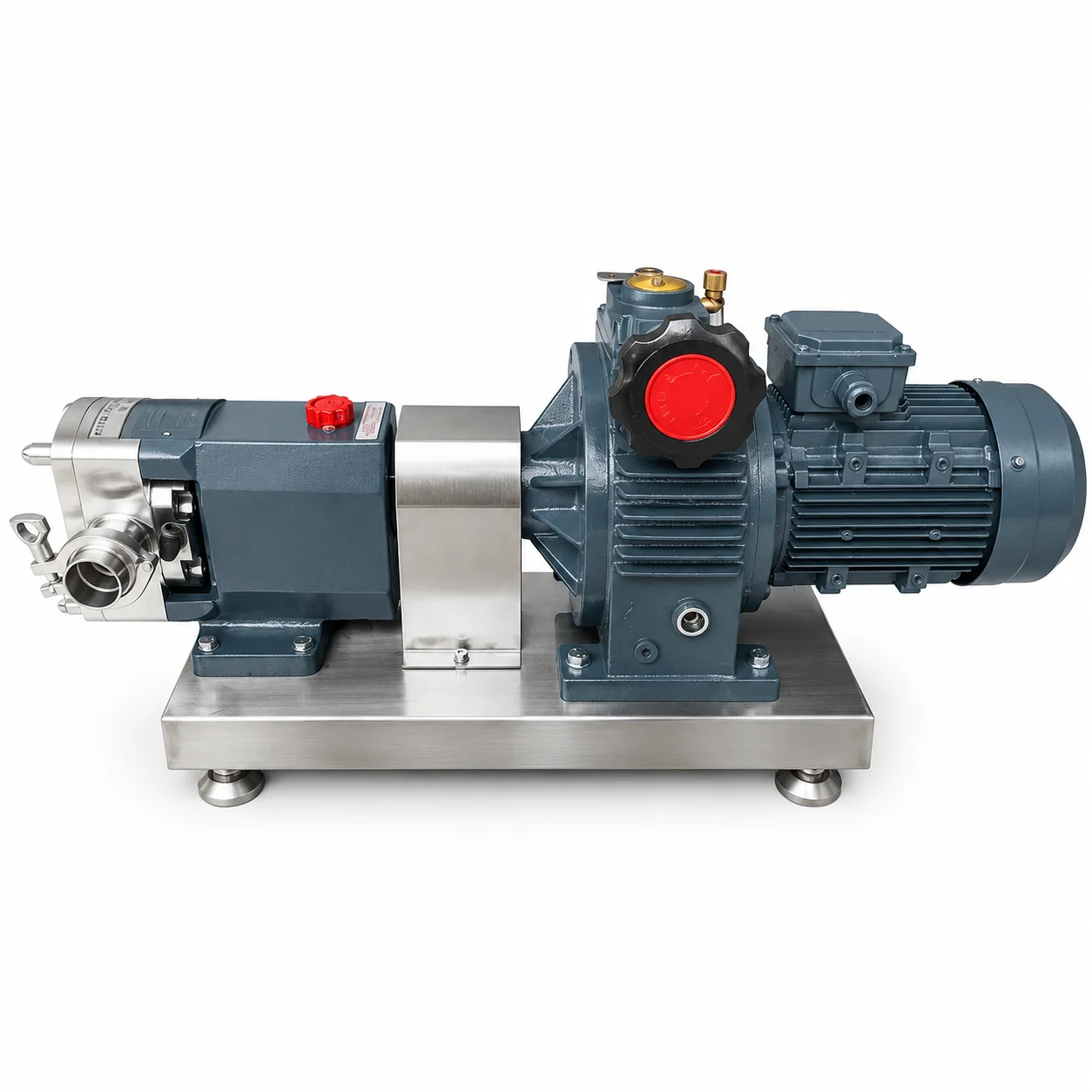
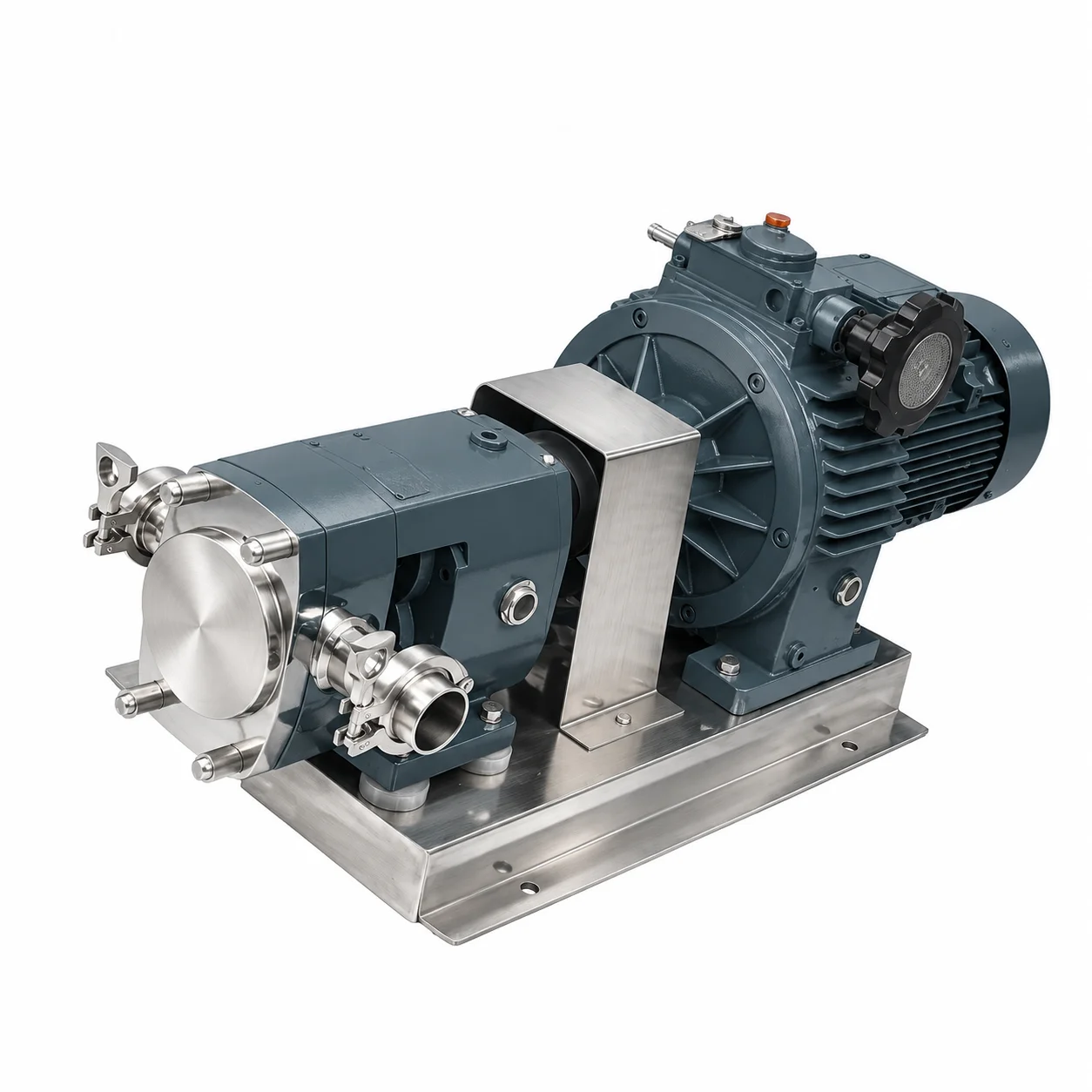
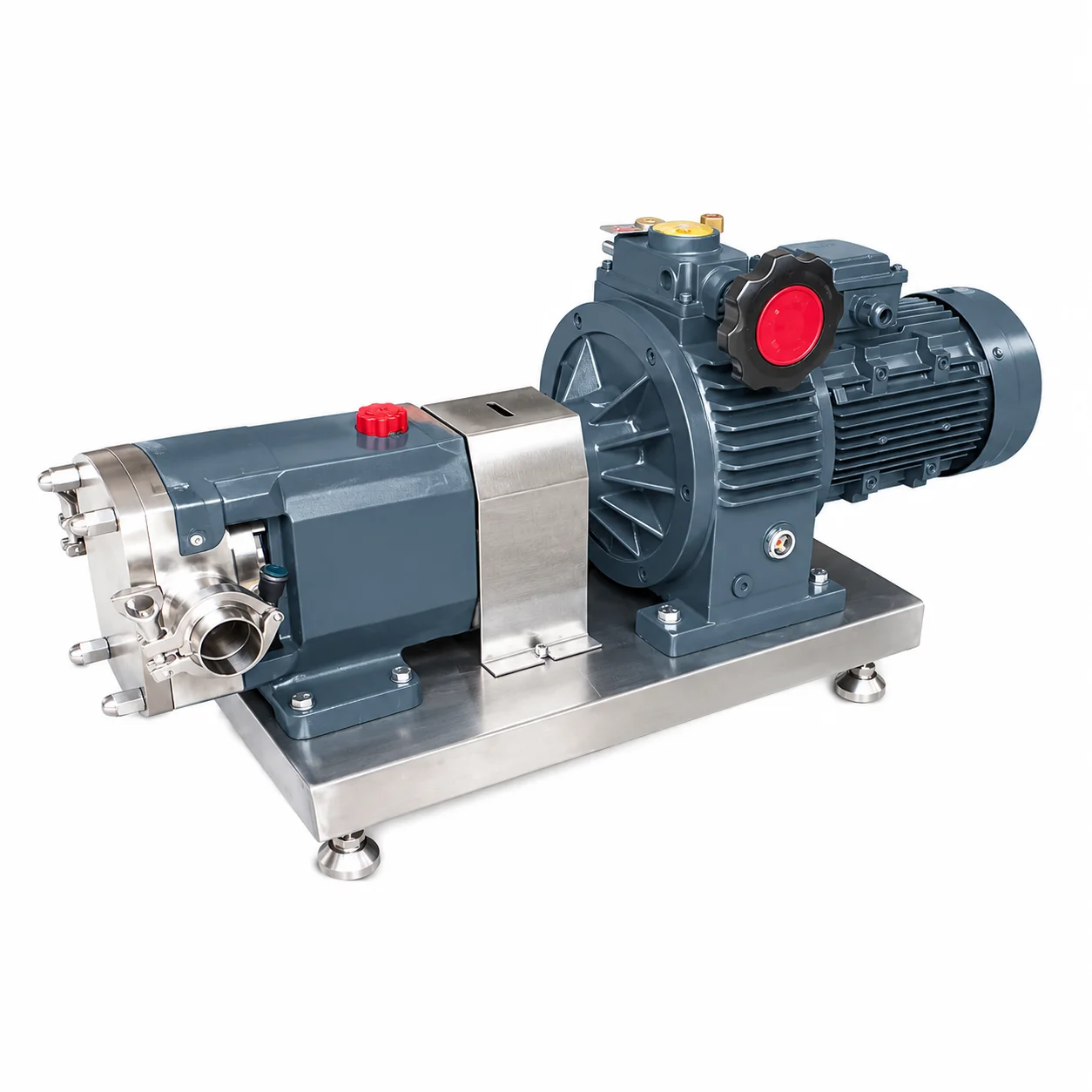
Variable-Speed Rotary Lobe Pump for Viscous Foods
Variable-Speed Rotary Lobe Pump for Viscous Foods 原价为:$2,832.26。当前价格为:$1,978.08。
返回产品
15 kW 304/316L Rotary Pump for Lubricants & Coatings
15 kW 304/316L Rotary Pump for Lubricants & Coatings 原价为:$2,423.91。当前价格为:$1,674.19。

Sanitary Stainless Steel Lobe Pump for Viscous Foods

原价为:$2,559.65。当前价格为:$1,874.49。

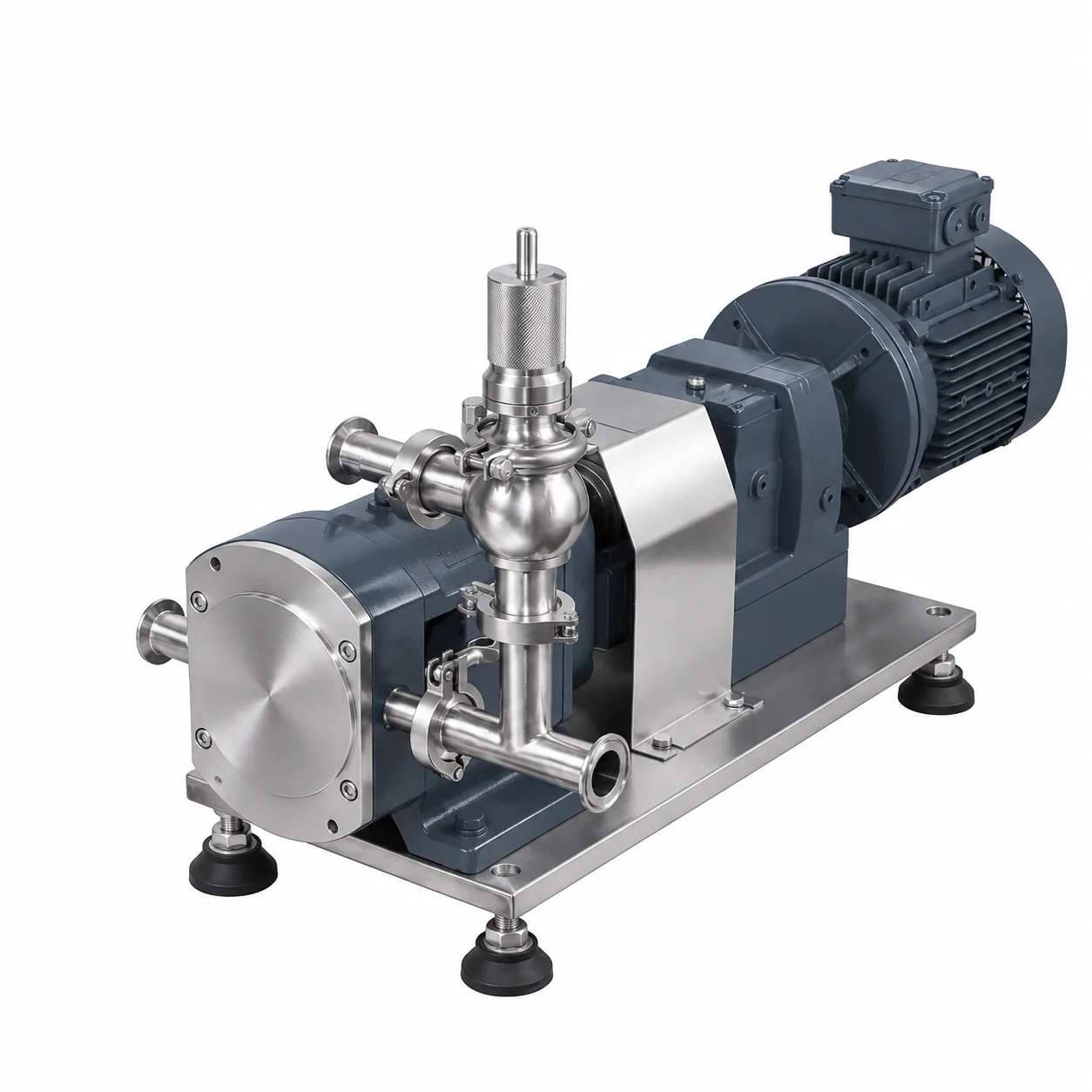
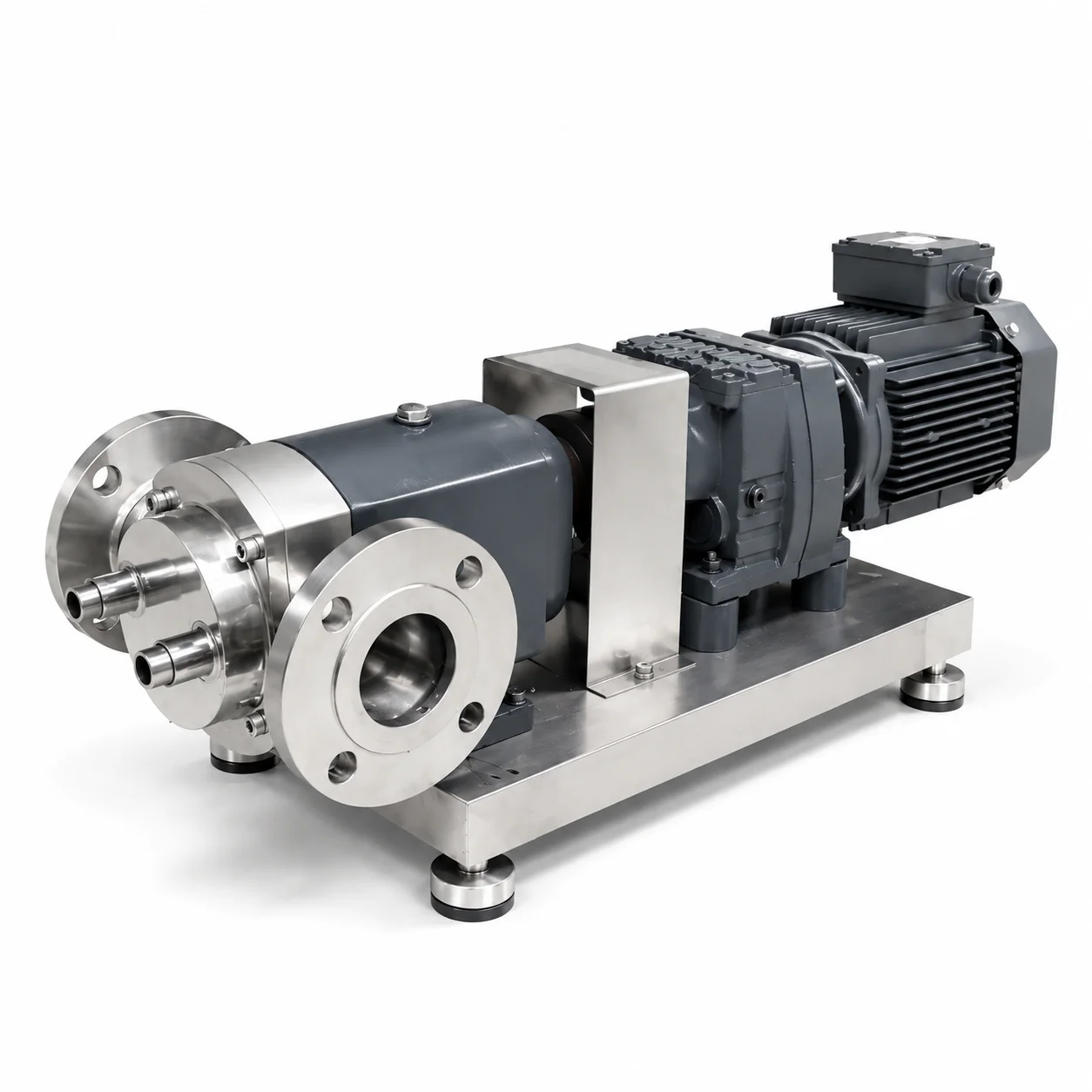
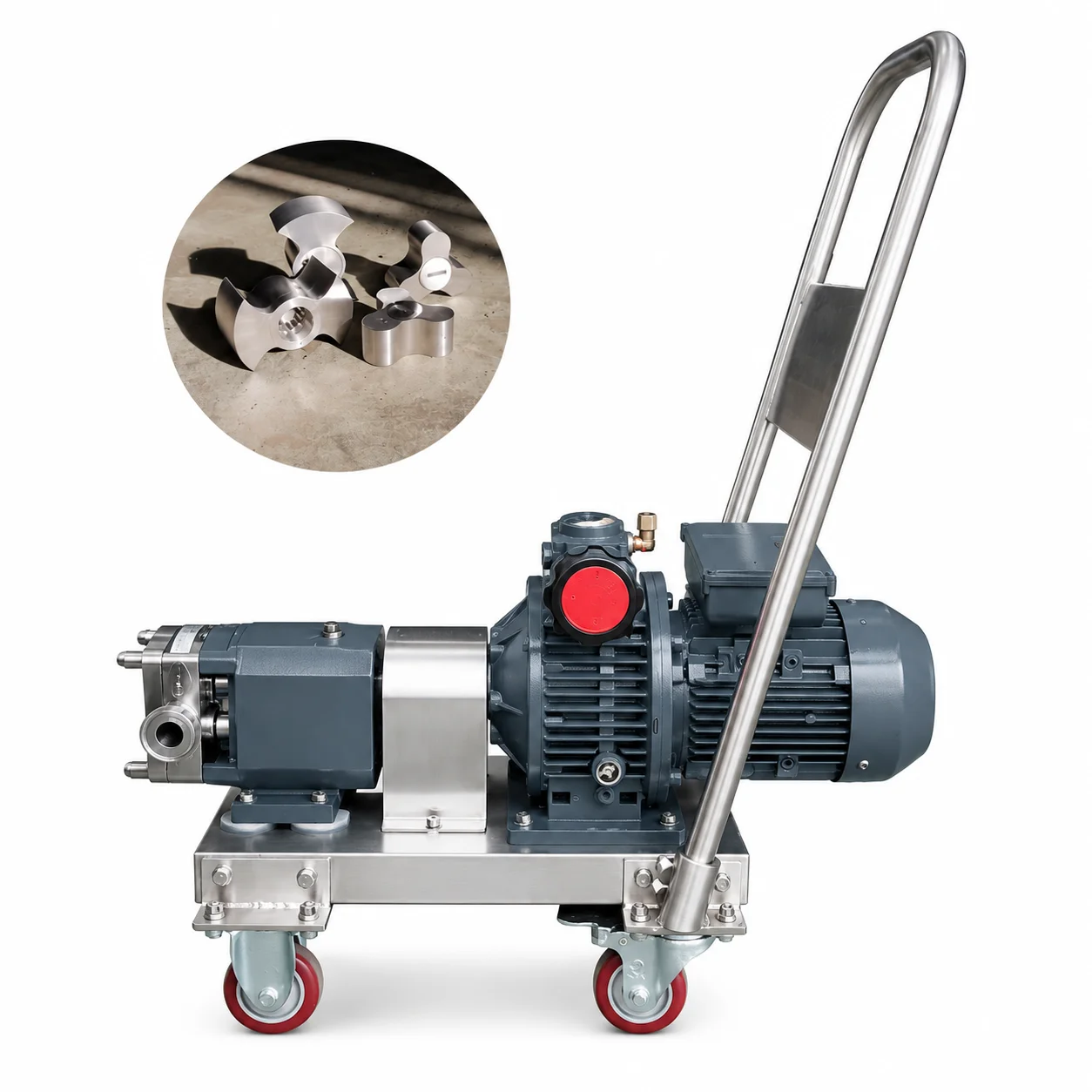
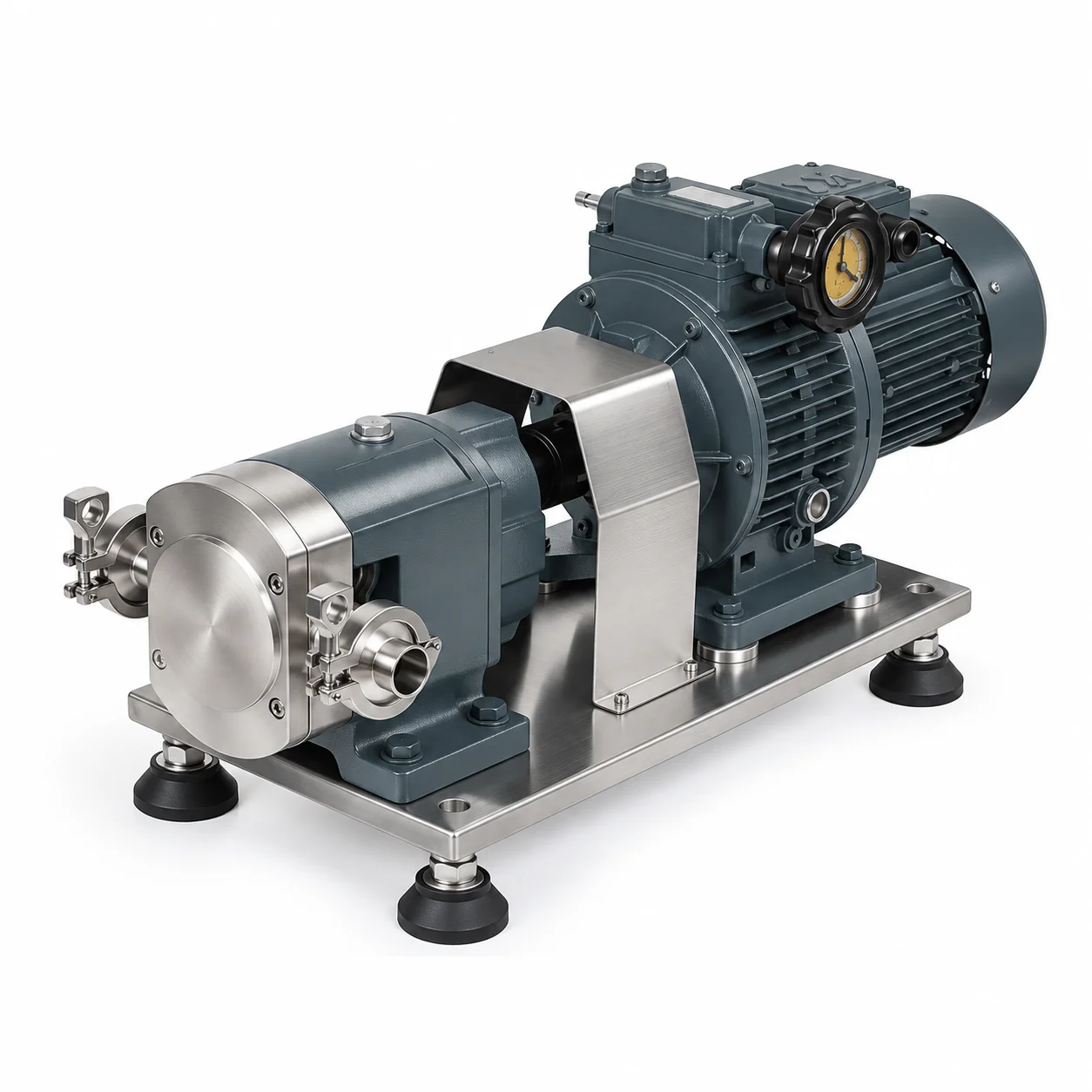
We provide a stainless steel rotary lobe pump that is designed to transfer viscous food products including sauces, purees and syrups. Upon request we will assist you in choosing the appropriate size and drive of the pump to best fit the properties of your product.

库存 100 件

Rotor Optional

Three-Lobe Rotor

Applicable Liquids:

  • Suitable for creams, liquids and sauces with low, medium and high viscosity, uniform texture and no hard granules.
  • Example: Chocolate, honey, mashed potatoes and ice cream.
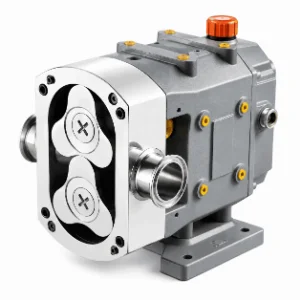
Three-Lobe Rotor

Butterfly Rotor

Applicable Liquids:

  • Suitable for shear-free, non-destructive transfer of soft-grained sauces and small-particle materials.
  • Example: Jam, pulp, juice, jelly and tomato sauce.
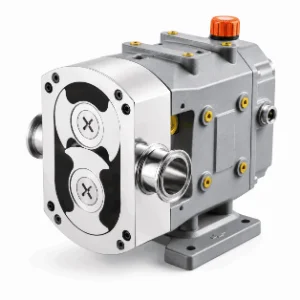
Butterfly Rotor

Single-Lobe Rotor

Applicable Liquids:

  • Suitable for conveying materials containing larger solid particles while maintaining stable transfer.
  • Example: Rock salt, chilli sauce and peanut butter.
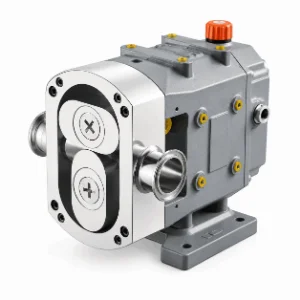
Single-Lobe Rotor

Multi-Lobe Rotor

Applicable Liquids:

  • Suitable for creams, liquids and sauces with low, medium and high viscosity where higher output accuracy and smooth flow are required.
  • Example: Chocolate, honey, cream, yoghurt, butter and grease.
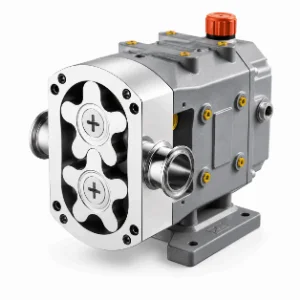
Multi-Lobe Rotor

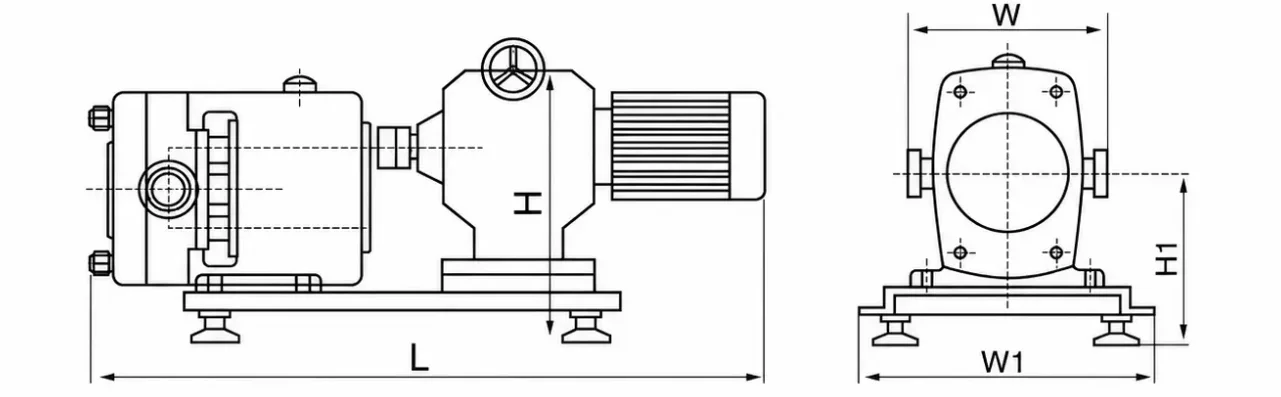
Parameter Chart

lobe pump Parameter Chart
← Swipe left or right to view all specifications →
Model Flow per
100 Rotation
Power
(kW)
Suggested
RPM
Capacity
(L/H)
Diameter L H H1 W W1 Connection Type
ZB3A-3 3L 0.55 200-500 300-800 Φ25×1.5 710 290 150 150 240 Clamp / Thread / Flange
ZB3A-6 6L 0.75 200-500 650-1600 Φ25×1.5 780 390 170 190 240 Clamp / Thread / Flange
ZB3A-8 8L 1.5 200-500 850-2160 Φ38×1.5 850 400 170 190 280 Clamp / Thread / Flange
ZB3A-12 12L 2.2 200-500 1300-3200 Φ38×1.5 980 450 185 220 330 Clamp / Thread / Flange
ZB3A-20 20L 3 200-500 2100-5400 Φ38×1.5 1000 450 190 250 330 Clamp / Thread / Flange
ZB3A-30 30L 4 200-500 3200-6400 Φ50.8×1.5 1050 480 220 270 350 Clamp / Thread / Flange
ZB3A-36 36L 4 200-400 3800-7600 Φ50.8×1.5 1100 490 220 270 360 Clamp / Thread / Flange
ZB3A-52 52L 5.5 200-400 5600-11000 Φ63×1.5 1250 580 260 270 480 Clamp / Thread / Flange
ZB3A-66 66L 7.5 200-400 7100-14000 Φ76×1.5 1350 600 260 270 480 Clamp / Thread / Flange
ZB3A-78 78L 7.5 200-400 9000-18000 Φ76×1.5 1260 600 295 370 480 Clamp / Thread / Flange
ZB3A-100 100L 11 200-400 11000-22000 Φ76×2 1320 670 295 370 480 Clamp / Thread / Flange
ZB3A-135 135L 15 200-400 15000-30000 Φ89×2 1500 670 295 370 480 Clamp / Thread / Flange
ZB3A-160 160L 18.5 200-400 17000-34000 Φ102×3 1500 720 320 420 560 Clamp / Thread / Flange
ZB3A-200 200L 22 200-400 21600-43000 Φ102×3 1500 720 320 420 560 Clamp / Thread / Flange
ZB3A-300 300L 30 200-400 32400-64800 Φ125×3 1650 800 400 480 620 Clamp / Thread / Flange
ZB3A-400 400L 37 200-400 43200-86400 Φ150×3 1700 800 400 480 620 Clamp / Thread / Flange
Dimensions are shown as L / H / H1 / W / W1. On mobile, you can swipe horizontally to view the full table.

This pump is constructed of sanitary stainless steel to provide positive displacement transfer of viscous foods.

The pump may be used for transfer between tanks of syrups and sauces that may thicken during processing and cooling. Positive displacement pumps used for these types of products should be sized taking into consideration the properties of both the product and the piping. Food products may be very difficult to draw into the inlet of the pump.

Two rotors, one on each side of the pump housing, turn in opposite directions to create an expanding pocket of product which is transported to the discharge side of the pump.

To achieve full displacement, the lobes of the rotors must come into contact with each other. Timing gears on the outside of the pump housing are used to synchronize the rotors. Flow through a rotary lobe pump may vary and is dependent on the internal clearances of the rotors.

To increase the flow rate of the pump the speed of rotation may be increased; however flow through the pump may not increase if the product is not being fed to the pump quickly enough. For continuous operation of the pump the product being transferred should have a viscosity which allows it to flow easily to the inlet of the pump.

We recommend this type of pump for transfer of sauces and purees from mixing tanks or kettles to holding tanks.

To reduce suction losses during operation of the pump, a short inlet can be added to the pump to ensure that the liquid level does not become too low during operation. This is particularly important at the end of each batch to minimize the amount of product that is left in the batch. When product becomes too viscous during process hold up, we assess the conditions for restart of the process.

When the filler cycles stop, we will have to determine how the pump is designed to slow or stop. We also need to determine how to protect the discharge line from overpressure.

Before we finalize the purchase we will review the following information.

Type of pump: Sanitary rotary lobe pump
Construction: Stainless steel
Medium to be pumped: Viscous food liquid
Flow and differential pressure: Operating condition of the system at which the pump is to operate.
Seals and elastomers: Check compatibility with the process fluid and cleaning agents.
Controls and motor: Check if the motor is of the correct voltage and speed to be used with the gearbox.
Connections and mounts: Check size of connections, standard and clearances.
Cleaning: Determine the method of cleaning to be used.

For this service we recommend use of a rotary lobe pump to move the food product because they are capable of moving food products with higher viscosity compared to centrifugal pumps, without the need for a high impeller speed. Rotary lobe pumps may also be used to handle food products with higher solids content compared to centrifugal pumps.

We require extra space around the pump to account for expansion during thermal cycling.

Size Selection Process

Our initial evaluation includes the flow rate and pressure differences across the pump, the viscosity of the product being processed, and the operating temperature range. Ideally we would also like to know the diameter of the piping through which the product is transferred. This would allow us to determine loss of head across downstream restrictions. Once this information is compiled we select the appropriate pump model and, if necessary, adjust the profile of the rotating element to accommodate the viscosity of the product being processed to achieve the required flow. Positive displacement pumps have the potential to over pressurize the system if the outlet is obstructed. To avoid this it is advisable to install a pressure relief valve on the outlet.

Can this sanitary lobe pump be used to transfer thick syrups and purees?

Yes, we would need to verify the product temperature, flow, and viscosity to determine the appropriate size of the pump and rotor element.

What is the maximum viscosity of the product this pump can transfer?

There is no stated limit to the viscosity of the product this pump can transfer. The user would need to determine the limit for the specific application to determine if the pump can be used.

Can this pump transfer sauces containing solid pieces?

The length and firmness of the solid pieces would determine if the product would be damaged beyond acceptable limits during transfer.

Is this pump compatible with clean in place (CIP) systems?

This pump should not be used in a CIP application.

We will evaluate the design of the seal, drainability and means of cleaning the selected pump against the customer’s process for sanitation to determine adequacy for the application.

Is use of stainless steel in contact with food product sufficient to prove compliance with food contact regulations?

No. Further assessment of the type of stainless steel used, surface finish of the wetted parts, elastomers used and supporting documentation should be performed to validate with the customer’s specification and regulation pertaining to the application.

To troubleshoot why flow through the pump may have stopped, first determine if the intake of the pump has been obstructed. If the level in the pump tank has dropped, check to see if some of the product has solidified. If these are not the case, the rotor may have been damaged. Inspect these during the next scheduled shutdown.

Contact us to request a quote and pump selection to best meet your requirements using the following information: type of food to be processed, flow rate and value of viscosity and temperature of the food to be processed, pressure in the line, standard of pipe fittings, and type of sanitation the process employs. If you are replacing a pump provide us nameplate data and a sketch of the piping to further assist us in recommendation and quote.


描述

This pump is constructed of sanitary stainless steel to provide positive displacement transfer of viscous foods.

The pump may be used for transfer between tanks of syrups and sauces that may thicken during processing and cooling. Positive displacement pumps used for these types of products should be sized taking into consideration the properties of both the product and the piping. Food products may be very difficult to draw into the inlet of the pump.

Two rotors, one on each side of the pump housing, turn in opposite directions to create an expanding pocket of product which is transported to the discharge side of the pump.

To achieve full displacement, the lobes of the rotors must come into contact with each other. Timing gears on the outside of the pump housing are used to synchronize the rotors. Flow through a rotary lobe pump may vary and is dependent on the internal clearances of the rotors.

To increase the flow rate of the pump the speed of rotation may be increased; however flow through the pump may not increase if the product is not being fed to the pump quickly enough. For continuous operation of the pump the product being transferred should have a viscosity which allows it to flow easily to the inlet of the pump.

We recommend this type of pump for transfer of sauces and purees from mixing tanks or kettles to holding tanks.

To reduce suction losses during operation of the pump, a short inlet can be added to the pump to ensure that the liquid level does not become too low during operation. This is particularly important at the end of each batch to minimize the amount of product that is left in the batch. When product becomes too viscous during process hold up, we assess the conditions for restart of the process.

When the filler cycles stop, we will have to determine how the pump is designed to slow or stop. We also need to determine how to protect the discharge line from overpressure.

Before we finalize the purchase we will review the following information.

Type of pump: Sanitary rotary lobe pump
Construction: Stainless steel
Medium to be pumped: Viscous food liquid
Flow and differential pressure: Operating condition of the system at which the pump is to operate.
Seals and elastomers: Check compatibility with the process fluid and cleaning agents.
Controls and motor: Check if the motor is of the correct voltage and speed to be used with the gearbox.
Connections and mounts: Check size of connections, standard and clearances.
Cleaning: Determine the method of cleaning to be used.

For this service we recommend use of a rotary lobe pump to move the food product because they are capable of moving food products with higher viscosity compared to centrifugal pumps, without the need for a high impeller speed. Rotary lobe pumps may also be used to handle food products with higher solids content compared to centrifugal pumps.

We require extra space around the pump to account for expansion during thermal cycling.

Size Selection Process

Our initial evaluation includes the flow rate and pressure differences across the pump, the viscosity of the product being processed, and the operating temperature range. Ideally we would also like to know the diameter of the piping through which the product is transferred. This would allow us to determine loss of head across downstream restrictions. Once this information is compiled we select the appropriate pump model and, if necessary, adjust the profile of the rotating element to accommodate the viscosity of the product being processed to achieve the required flow. Positive displacement pumps have the potential to over pressurize the system if the outlet is obstructed. To avoid this it is advisable to install a pressure relief valve on the outlet.

Can this sanitary lobe pump be used to transfer thick syrups and purees?

Yes, we would need to verify the product temperature, flow, and viscosity to determine the appropriate size of the pump and rotor element.

What is the maximum viscosity of the product this pump can transfer?

There is no stated limit to the viscosity of the product this pump can transfer. The user would need to determine the limit for the specific application to determine if the pump can be used.

Can this pump transfer sauces containing solid pieces?

The length and firmness of the solid pieces would determine if the product would be damaged beyond acceptable limits during transfer.

Is this pump compatible with clean in place (CIP) systems?

This pump should not be used in a CIP application.

We will evaluate the design of the seal, drainability and means of cleaning the selected pump against the customer’s process for sanitation to determine adequacy for the application.

Is use of stainless steel in contact with food product sufficient to prove compliance with food contact regulations?

No. Further assessment of the type of stainless steel used, surface finish of the wetted parts, elastomers used and supporting documentation should be performed to validate with the customer’s specification and regulation pertaining to the application.

To troubleshoot why flow through the pump may have stopped, first determine if the intake of the pump has been obstructed. If the level in the pump tank has dropped, check to see if some of the product has solidified. If these are not the case, the rotor may have been damaged. Inspect these during the next scheduled shutdown.

Contact us to request a quote and pump selection to best meet your requirements using the following information: type of food to be processed, flow rate and value of viscosity and temperature of the food to be processed, pressure in the line, standard of pipe fittings, and type of sanitation the process employs. If you are replacing a pump provide us nameplate data and a sketch of the piping to further assist us in recommendation and quote.

Shipping and Delivery

MAECENAS IACULIS

Vestibulum curae torquent diam diam commodo parturient penatibus nunc dui adipiscing convallis bulum parturient suspendisse parturient a.Parturient in parturient scelerisque nibh lectus quam a natoque adipiscing a vestibulum hendrerit et pharetra fames nunc natoque dui.

ADIPISCING CONVALLIS BULUM

  • Vestibulum penatibus nunc dui adipiscing convallis bulum parturient suspendisse.
  • Abitur parturient praesent lectus quam a natoque adipiscing a vestibulum hendre.
  • Diam parturient dictumst parturient scelerisque nibh lectus.

Scelerisque adipiscing bibendum sem vestibulum et in a a a purus lectus faucibus lobortis tincidunt purus lectus nisl class eros.Condimentum a et ullamcorper dictumst mus et tristique elementum nam inceptos hac parturient scelerisque vestibulum amet elit ut volutpat.