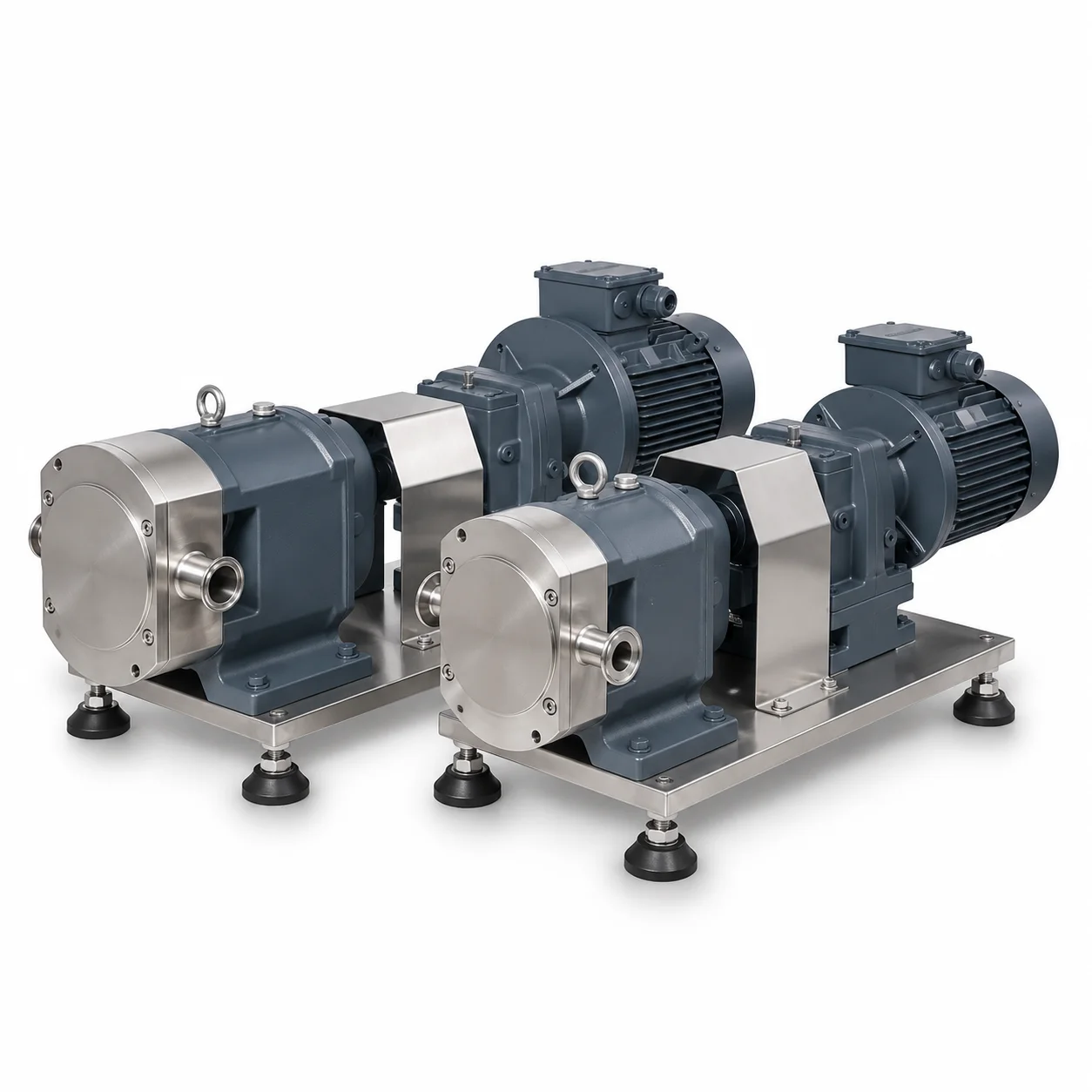
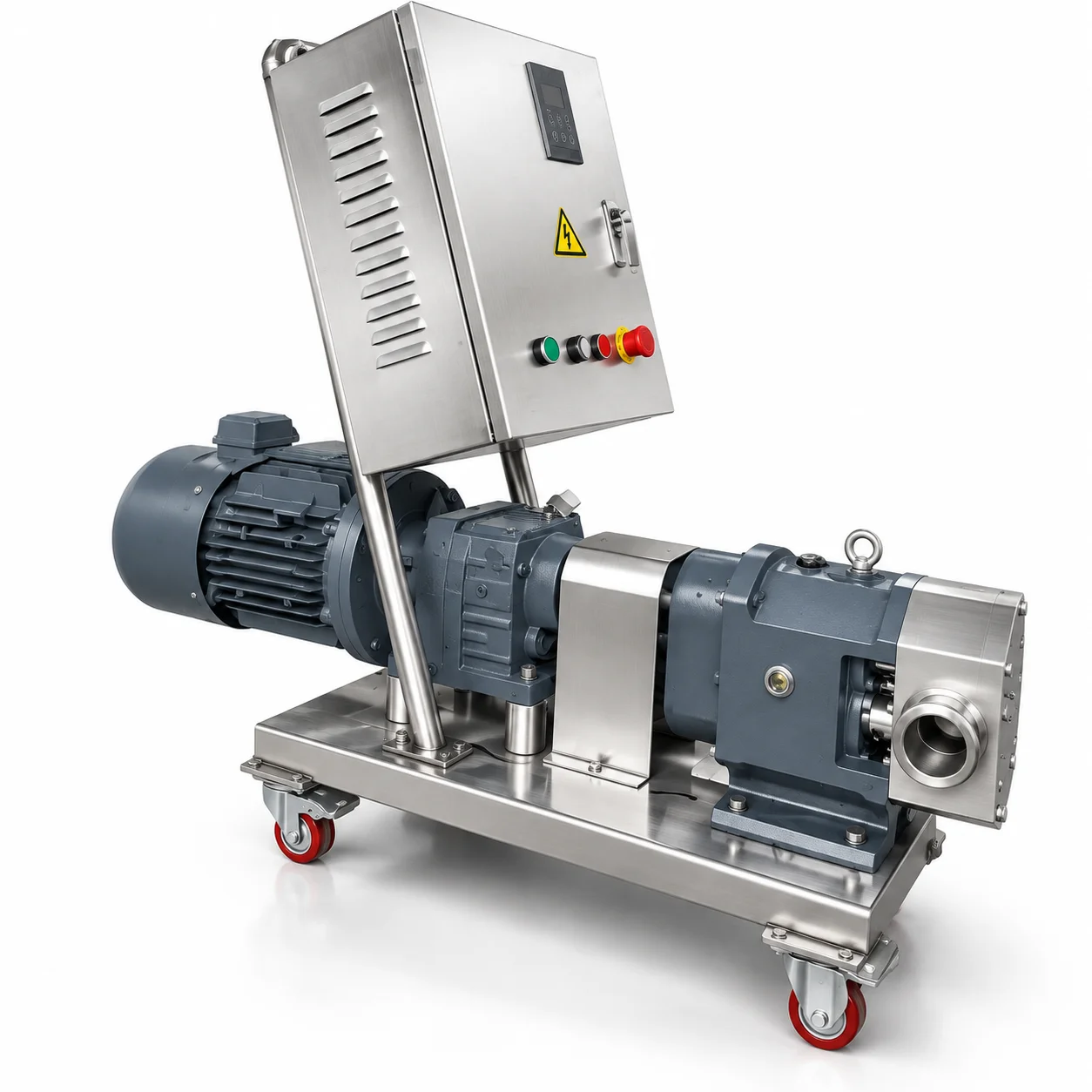
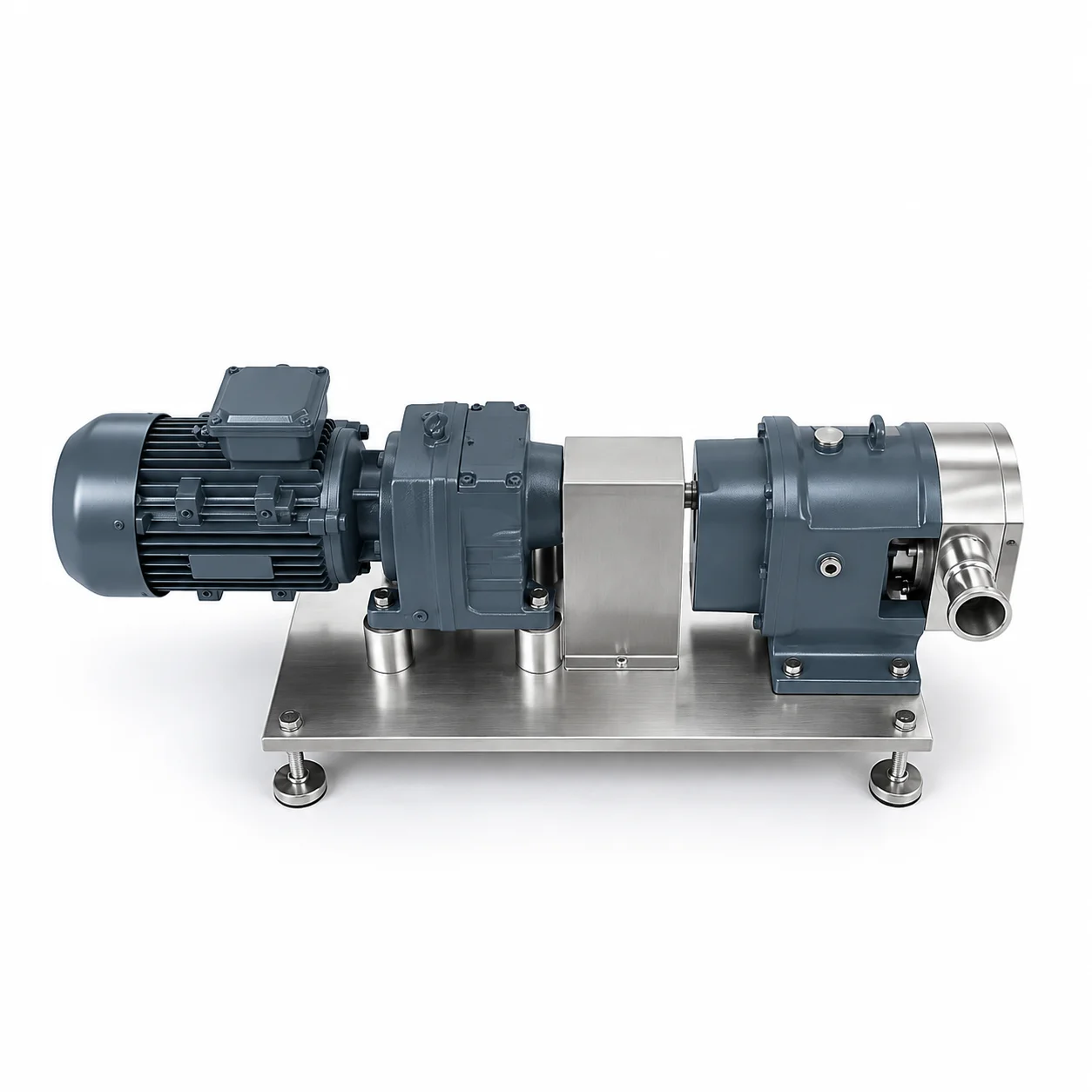
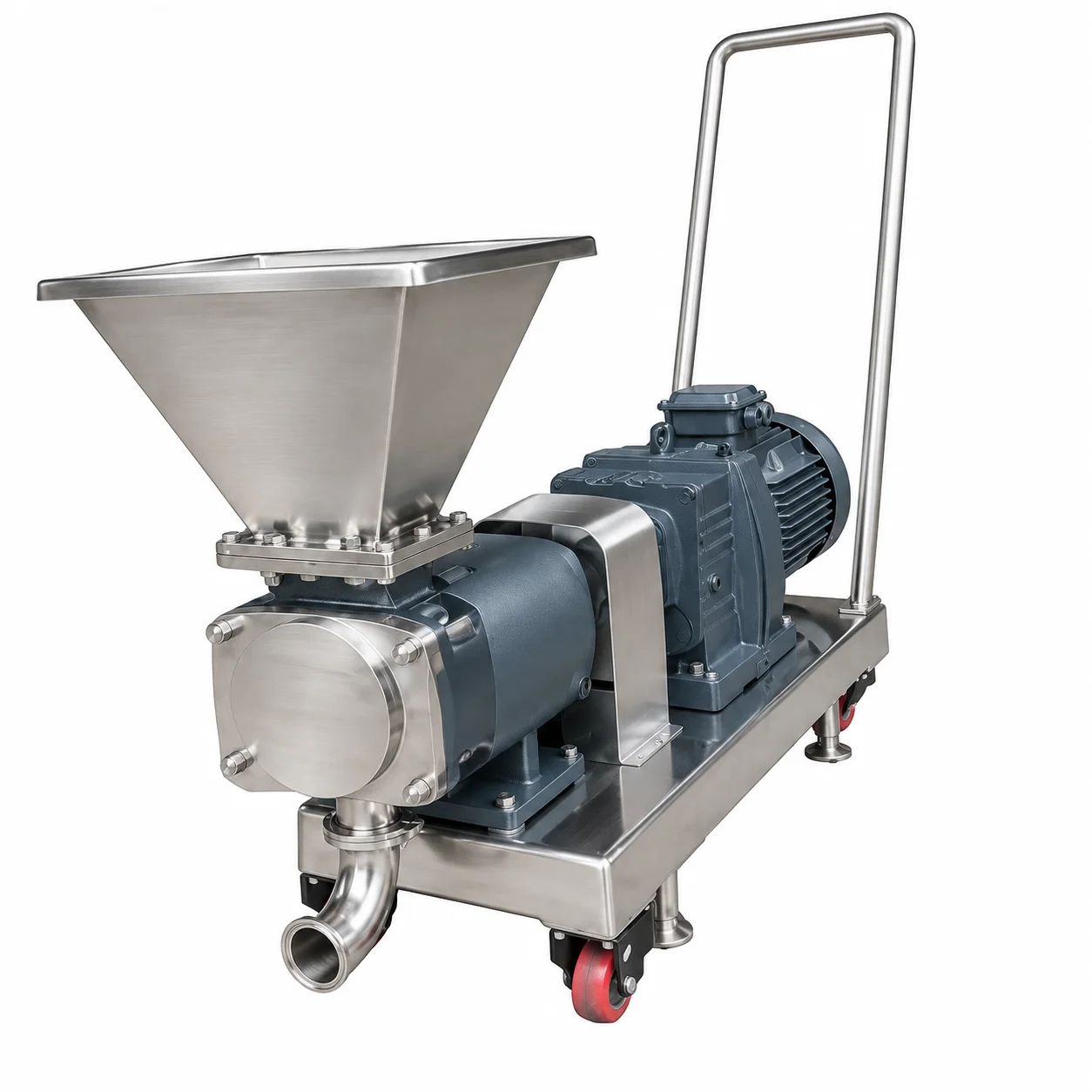
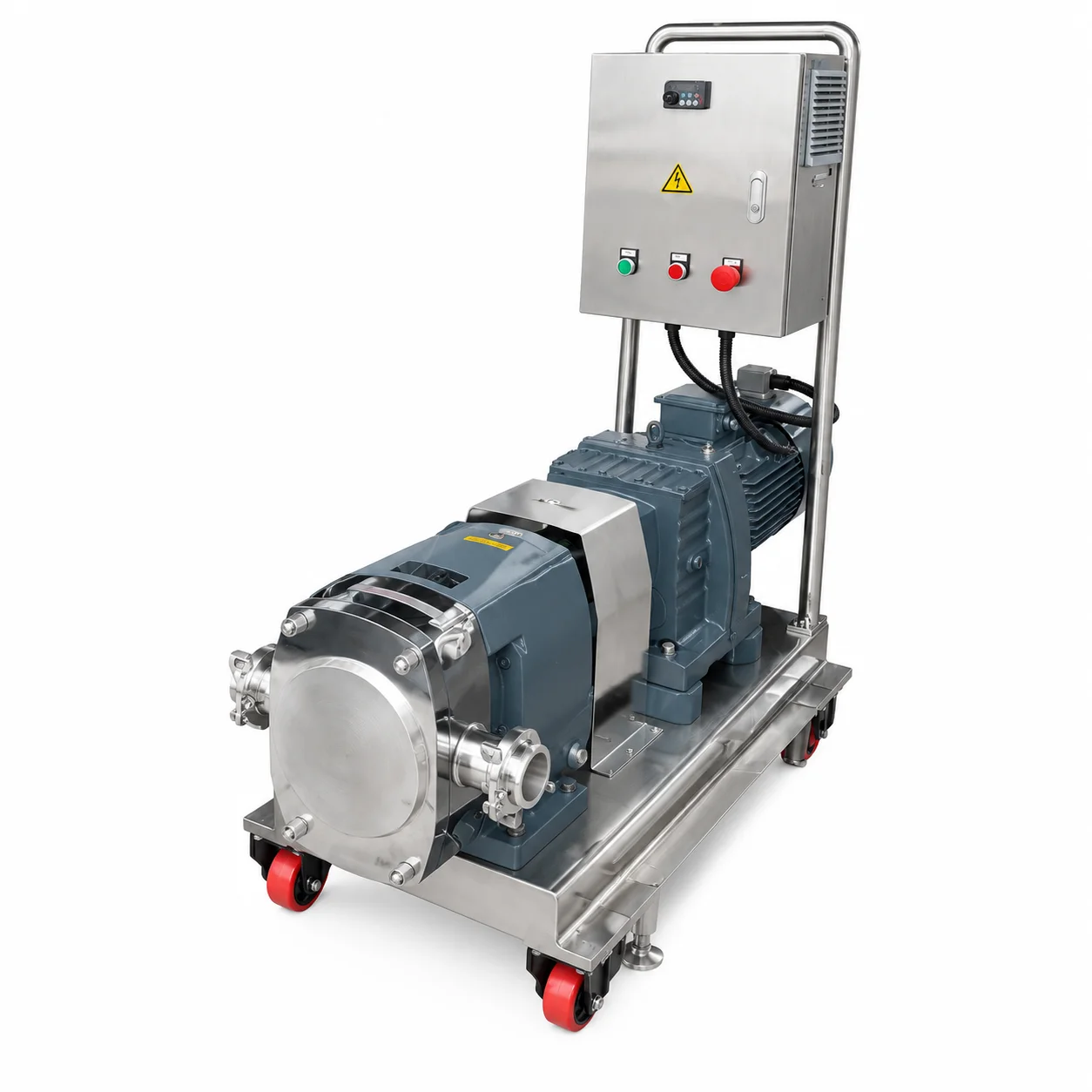
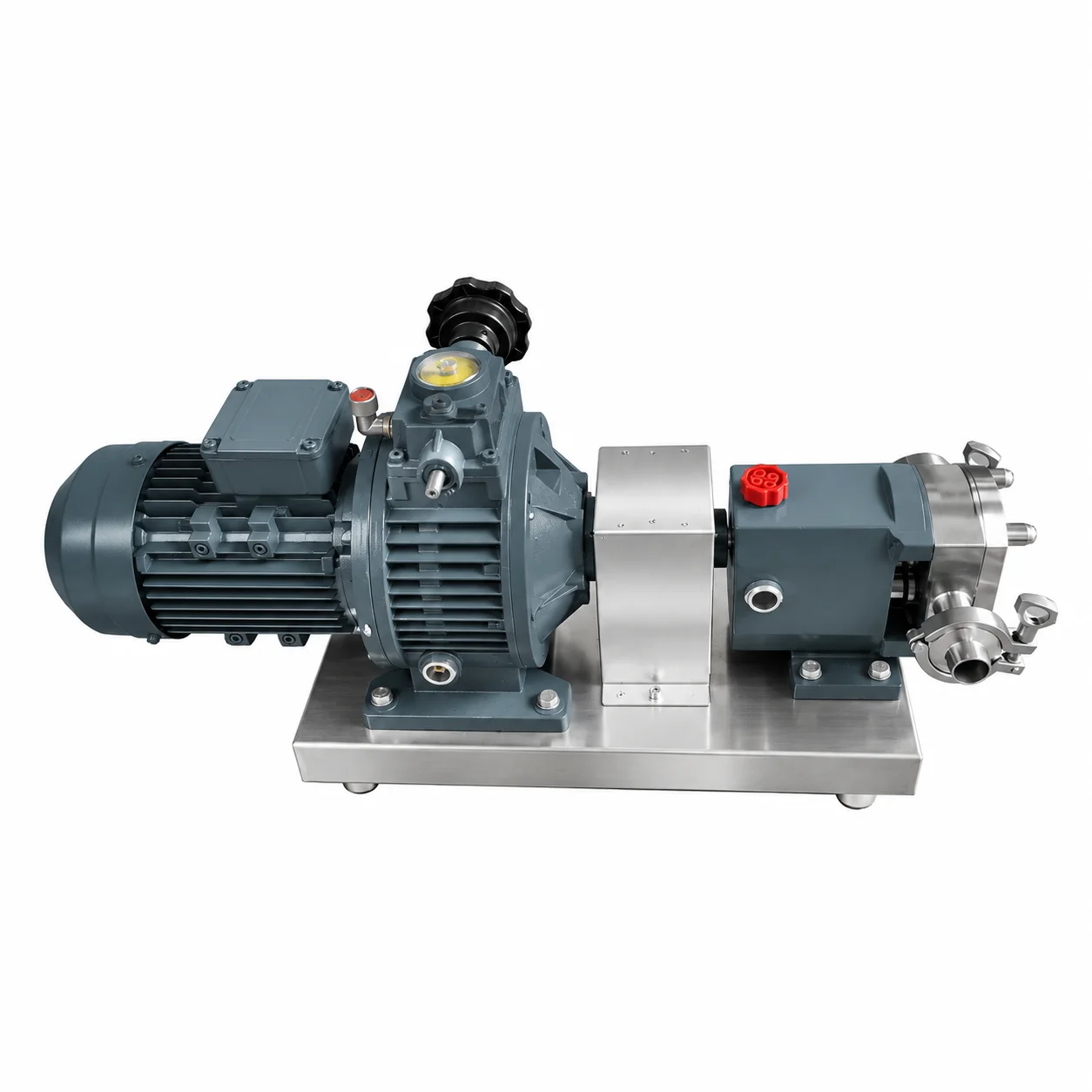
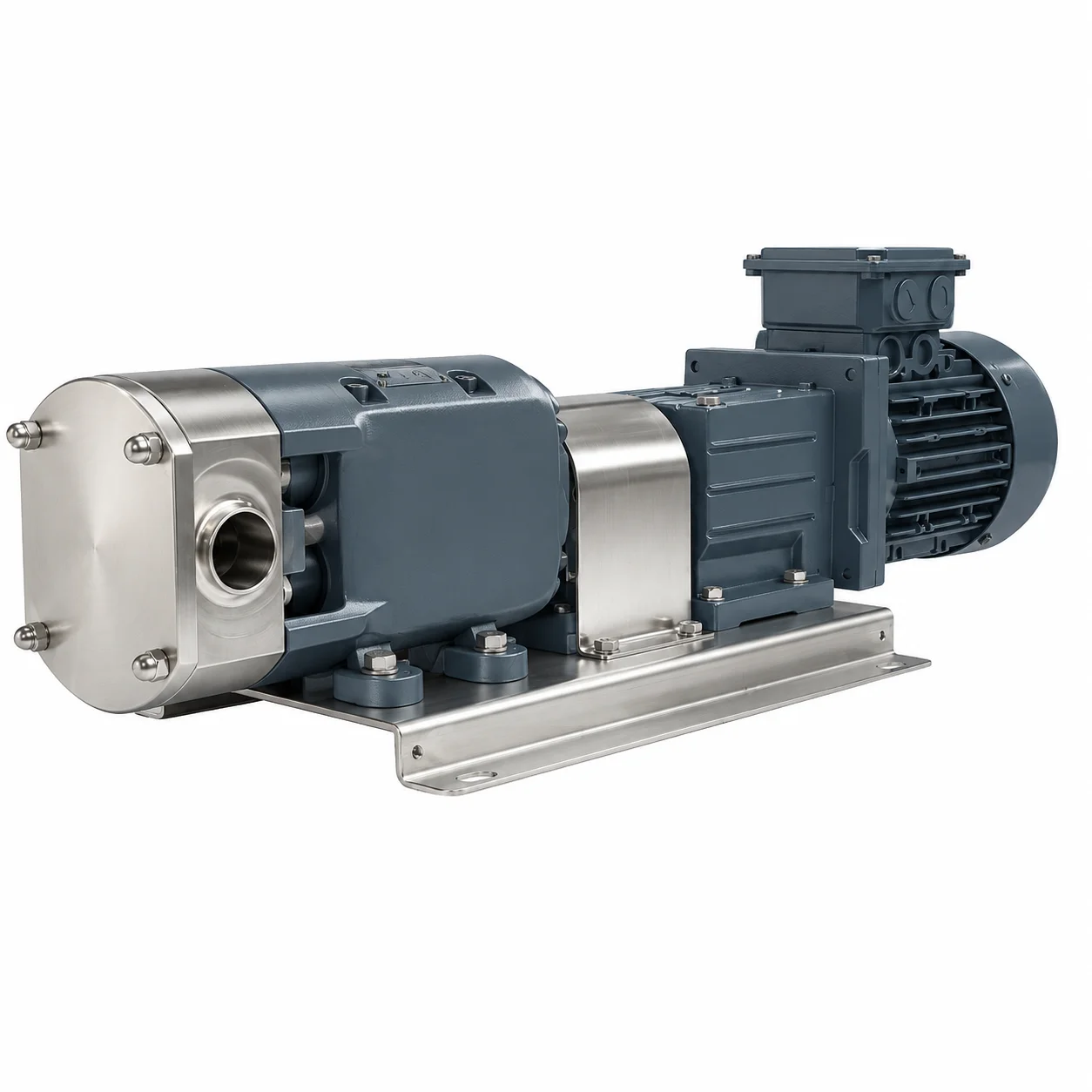
Sanitary Stainless Steel Lobe Pump for Dairy Products
Sanitary Stainless Steel Lobe Pump for Dairy Products 原价为:$2,261.78。当前价格为:$1,547.07。
返回产品
CE-Certified Rotary Lobe Pump for Brewery Wort & Wine
CE-Certified Rotary Lobe Pump for Brewery Wort & Wine 原价为:$2,680.81。当前价格为:$1,876.40。

Lubricated Twin Lobe Air Blower for Low-Pressure Use

原价为:$2,858.48。当前价格为:$1,935.59。

Our twin lobe air blower can provide air to various low pressure processes in industry. For more information on air flow and operating pressure, contact us with the parameters of your application. Once we have this information we can decide on the optimal model to use and the type of lubrication to employ to integrate the blower into your system.

库存 100 件

Rotor Optional

Three-Lobe Rotor

Applicable Liquids:

  • Suitable for creams, liquids and sauces with low, medium and high viscosity, uniform texture and no hard granules.
  • Example: Chocolate, honey, mashed potatoes and ice cream.
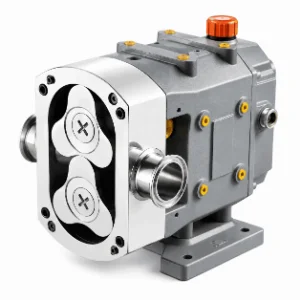
Three-Lobe Rotor

Butterfly Rotor

Applicable Liquids:

  • Suitable for shear-free, non-destructive transfer of soft-grained sauces and small-particle materials.
  • Example: Jam, pulp, juice, jelly and tomato sauce.
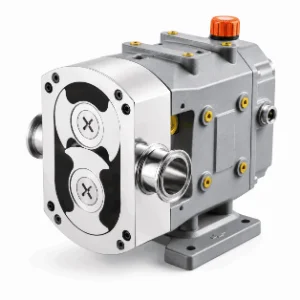
Butterfly Rotor

Single-Lobe Rotor

Applicable Liquids:

  • Suitable for conveying materials containing larger solid particles while maintaining stable transfer.
  • Example: Rock salt, chilli sauce and peanut butter.
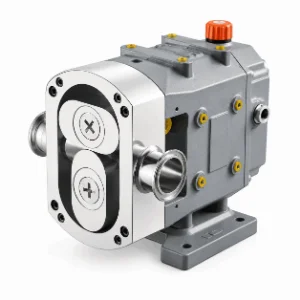
Single-Lobe Rotor

Multi-Lobe Rotor

Applicable Liquids:

  • Suitable for creams, liquids and sauces with low, medium and high viscosity where higher output accuracy and smooth flow are required.
  • Example: Chocolate, honey, cream, yoghurt, butter and grease.
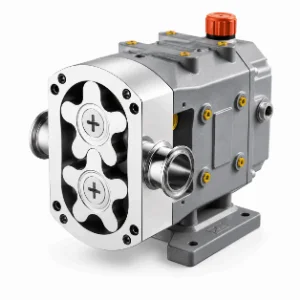
Multi-Lobe Rotor

Parameter Chart

lobe pump Parameter Chart
← Swipe left or right to view all specifications →
Model Flow per
100 Rotation
Power
(kW)
Suggested
RPM
Capacity
(L/H)
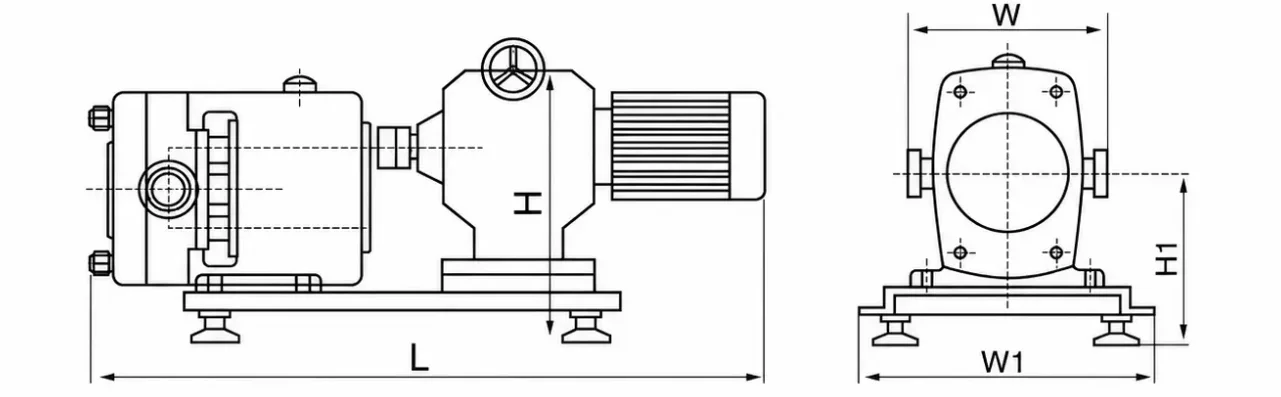
Diameter L H H1 W W1 Connection Type
ZB3A-3 3L 0.55 200-500 300-800 Φ25×1.5 710 290 150 150 240 Clamp / Thread / Flange
ZB3A-6 6L 0.75 200-500 650-1600 Φ25×1.5 780 390 170 190 240 Clamp / Thread / Flange
ZB3A-8 8L 1.5 200-500 850-2160 Φ38×1.5 850 400 170 190 280 Clamp / Thread / Flange
ZB3A-12 12L 2.2 200-500 1300-3200 Φ38×1.5 980 450 185 220 330 Clamp / Thread / Flange
ZB3A-20 20L 3 200-500 2100-5400 Φ38×1.5 1000 450 190 250 330 Clamp / Thread / Flange
ZB3A-30 30L 4 200-500 3200-6400 Φ50.8×1.5 1050 480 220 270 350 Clamp / Thread / Flange
ZB3A-36 36L 4 200-400 3800-7600 Φ50.8×1.5 1100 490 220 270 360 Clamp / Thread / Flange
ZB3A-52 52L 5.5 200-400 5600-11000 Φ63×1.5 1250 580 260 270 480 Clamp / Thread / Flange
ZB3A-66 66L 7.5 200-400 7100-14000 Φ76×1.5 1350 600 260 270 480 Clamp / Thread / Flange
ZB3A-78 78L 7.5 200-400 9000-18000 Φ76×1.5 1260 600 295 370 480 Clamp / Thread / Flange
ZB3A-100 100L 11 200-400 11000-22000 Φ76×2 1320 670 295 370 480 Clamp / Thread / Flange
ZB3A-135 135L 15 200-400 15000-30000 Φ89×2 1500 670 295 370 480 Clamp / Thread / Flange
ZB3A-160 160L 18.5 200-400 17000-34000 Φ102×3 1500 720 320 420 560 Clamp / Thread / Flange
ZB3A-200 200L 22 200-400 21600-43000 Φ102×3 1500 720 320 420 560 Clamp / Thread / Flange
ZB3A-300 300L 30 200-400 32400-64800 Φ125×3 1650 800 400 480 620 Clamp / Thread / Flange
ZB3A-400 400L 37 200-400 43200-86400 Φ150×3 1700 800 400 480 620 Clamp / Thread / Flange
Dimensions are shown as L / H / H1 / W / W1. On mobile, you can swipe horizontally to view the full table.

Product Overview

Our lubricated twin lobe air blower is to be used in industrial processes to move low pressure air. A twin lobe air blower consists of a housing with two rotors that turn to draw air in through an inlet and force it out through the outlet. For more information on the air blower’s construction, operating pressure and air flow, consult the manufacturer.

Working Principle

Twin lobe blowers are positive displacement machines. The rotors used in these machines, in the absence of clearances, will touch each other. Lubrication of these components allows for operation without contact. Users should check the manufacturer’s drawings and instructions to determine the location of lubrication in relation to the air flow through the blower.

Key Features and Benefits

  • Twin lobe rotors: produce airflow suitable for low pressure service.
  • Lubricated components: to reduce wear. Determine the type of lubricant used, and the frequency of service to isolate the lubricant from the air stream.
  • Industrial use: May be used to supply process air to equipment in the plant.

Applications

Twin lobe blowers may be used to supply process air to equipment and to convey pneumatically powdered and granular materials. Prior to specifying this product in a given application the user should assess air flow and pressure requirements to confirm the blower is suitable. This device should not be used to transport liquids.

Configuration and Technical

More detailed information on the construction and performance of this blower should be obtained from the manufacturer.

Request the model datasheet to verify the blower’s specifications including capacity, pressure, motor and drive configuration, inlet and outlet dimensions, lubrication requirements, noise level and installation. Don’t make assumptions about seals, materials, controls or certifications.

How to Choose the Appropriate Blower

Calculate the airflow required to overcome the pressure loss across the system to determine the airflow rate at the inlet of the blower. Consider pressure losses across piping, valves and fittings as well as the equipment to be fed by the blower. Consider the ambient temperature and altitude. Determine whether the blower will be run continuously or intermittently.

For a process to be aerated, the air supplied by the blower should be of the appropriate quality to ensure efficient transfer. Aeration systems may require the use of silencers, filters or other accessories.

What is a twin lobe air blower used for?

A twin lobe air blower is used to supply air for low pressure processes such as aeration or pneumatic conveying.

Is this a liquid transfer pump?

No. This product is an air blower and should not be used to transfer liquids.

Make sure to verify equipment type prior to purchase if liquid transport is required.

Twin lobe blowers transport air using pairs of rotors. To determine the performance of the blower for a particular application, the system requirement for flow and pressure must be known.

Lubricated in this context means that bearings have grease or oil seals to reduce friction and wear. Not all designs utilize the same means to provide lubrication. To ascertain the air quality of the blower, you should consult the supplier.

For specification requests you should ask for data associated with the air flow and pressure generated by the blower, the characteristics of the electric motor used to drive the blower, size of the connections to the system, the type of lubrication used, the operating limits of the blower and the means of attaching the blower to the system.

Continuous operation of the blower will depend on the design of the blower and the conditions to which it is exposed. To determine if a particular model is suitable for continuous operation contact the blower manufacturer.

Send us the air flow and pressure specifications that you require. Also include the power source available to you. Based on this information we can confirm the appropriateness of the blower and give you a quote.


描述

Product Overview

Our lubricated twin lobe air blower is to be used in industrial processes to move low pressure air. A twin lobe air blower consists of a housing with two rotors that turn to draw air in through an inlet and force it out through the outlet. For more information on the air blower’s construction, operating pressure and air flow, consult the manufacturer.

Working Principle

Twin lobe blowers are positive displacement machines. The rotors used in these machines, in the absence of clearances, will touch each other. Lubrication of these components allows for operation without contact. Users should check the manufacturer’s drawings and instructions to determine the location of lubrication in relation to the air flow through the blower.

Key Features and Benefits

  • Twin lobe rotors: produce airflow suitable for low pressure service.
  • Lubricated components: to reduce wear. Determine the type of lubricant used, and the frequency of service to isolate the lubricant from the air stream.
  • Industrial use: May be used to supply process air to equipment in the plant.

Applications

Twin lobe blowers may be used to supply process air to equipment and to convey pneumatically powdered and granular materials. Prior to specifying this product in a given application the user should assess air flow and pressure requirements to confirm the blower is suitable. This device should not be used to transport liquids.

Configuration and Technical

More detailed information on the construction and performance of this blower should be obtained from the manufacturer.

Request the model datasheet to verify the blower’s specifications including capacity, pressure, motor and drive configuration, inlet and outlet dimensions, lubrication requirements, noise level and installation. Don’t make assumptions about seals, materials, controls or certifications.

How to Choose the Appropriate Blower

Calculate the airflow required to overcome the pressure loss across the system to determine the airflow rate at the inlet of the blower. Consider pressure losses across piping, valves and fittings as well as the equipment to be fed by the blower. Consider the ambient temperature and altitude. Determine whether the blower will be run continuously or intermittently.

For a process to be aerated, the air supplied by the blower should be of the appropriate quality to ensure efficient transfer. Aeration systems may require the use of silencers, filters or other accessories.

What is a twin lobe air blower used for?

A twin lobe air blower is used to supply air for low pressure processes such as aeration or pneumatic conveying.

Is this a liquid transfer pump?

No. This product is an air blower and should not be used to transfer liquids.

Make sure to verify equipment type prior to purchase if liquid transport is required.

Twin lobe blowers transport air using pairs of rotors. To determine the performance of the blower for a particular application, the system requirement for flow and pressure must be known.

Lubricated in this context means that bearings have grease or oil seals to reduce friction and wear. Not all designs utilize the same means to provide lubrication. To ascertain the air quality of the blower, you should consult the supplier.

For specification requests you should ask for data associated with the air flow and pressure generated by the blower, the characteristics of the electric motor used to drive the blower, size of the connections to the system, the type of lubrication used, the operating limits of the blower and the means of attaching the blower to the system.

Continuous operation of the blower will depend on the design of the blower and the conditions to which it is exposed. To determine if a particular model is suitable for continuous operation contact the blower manufacturer.

Send us the air flow and pressure specifications that you require. Also include the power source available to you. Based on this information we can confirm the appropriateness of the blower and give you a quote.

Shipping and Delivery

MAECENAS IACULIS

Vestibulum curae torquent diam diam commodo parturient penatibus nunc dui adipiscing convallis bulum parturient suspendisse parturient a.Parturient in parturient scelerisque nibh lectus quam a natoque adipiscing a vestibulum hendrerit et pharetra fames nunc natoque dui.

ADIPISCING CONVALLIS BULUM

  • Vestibulum penatibus nunc dui adipiscing convallis bulum parturient suspendisse.
  • Abitur parturient praesent lectus quam a natoque adipiscing a vestibulum hendre.
  • Diam parturient dictumst parturient scelerisque nibh lectus.

Scelerisque adipiscing bibendum sem vestibulum et in a a a purus lectus faucibus lobortis tincidunt purus lectus nisl class eros.Condimentum a et ullamcorper dictumst mus et tristique elementum nam inceptos hac parturient scelerisque vestibulum amet elit ut volutpat.