Sanitary Stainless Steel Rotary Lobe Pump for Food Processing
Sanitary Stainless Steel Rotary Lobe Pump for Food Processing 原价为:$2,619.47。当前价格为:$1,877.19。
返回产品
Food-Grade Stainless Steel Lobe Pump for Viscous Foods
Food-Grade Stainless Steel Lobe Pump for Viscous Foods 原价为:$2,707.21。当前价格为:$1,813.52。

High-Pressure Rotary Lobe Pump for Syrup and Tomato Paste

原价为:$2,347.05。当前价格为:$1,691.42。

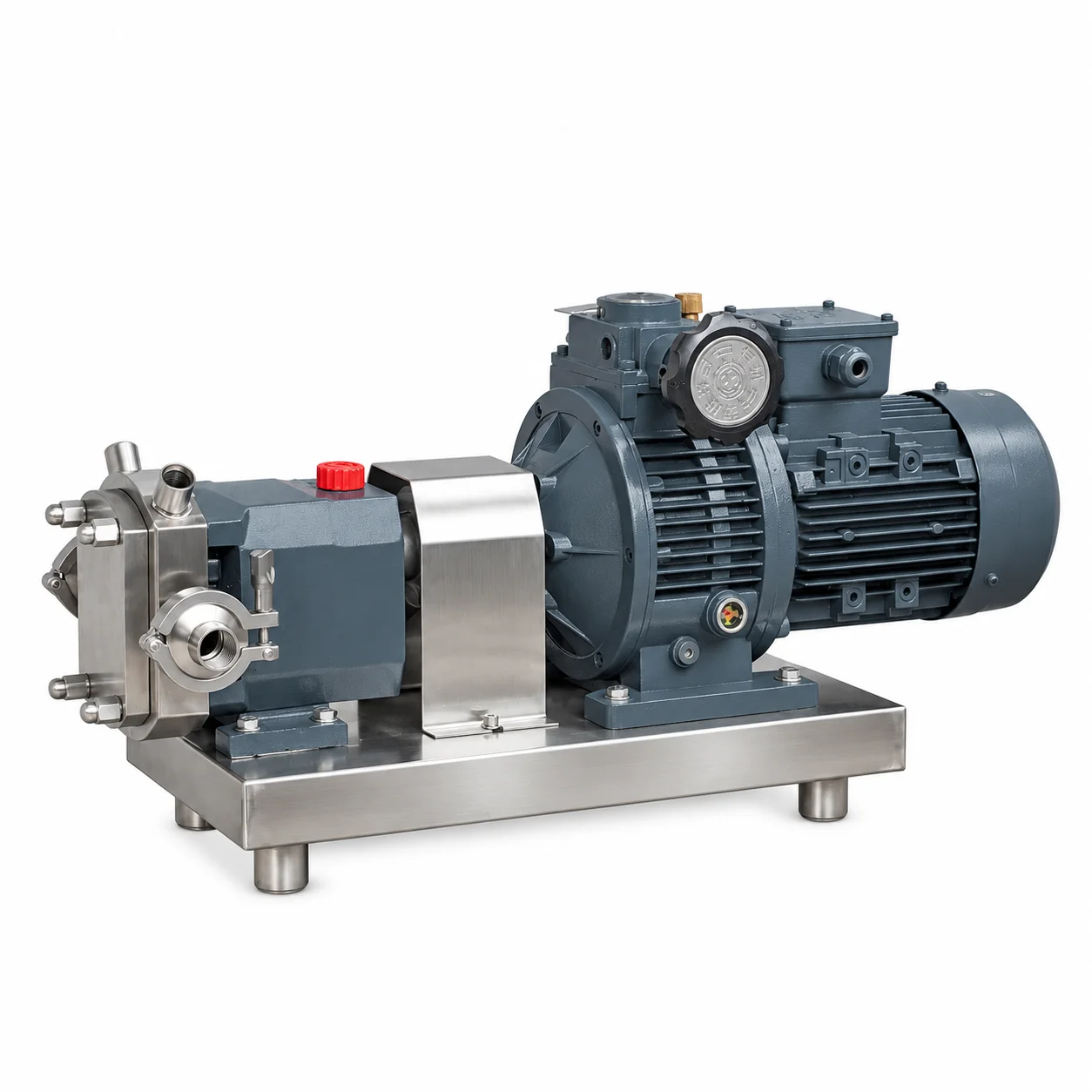
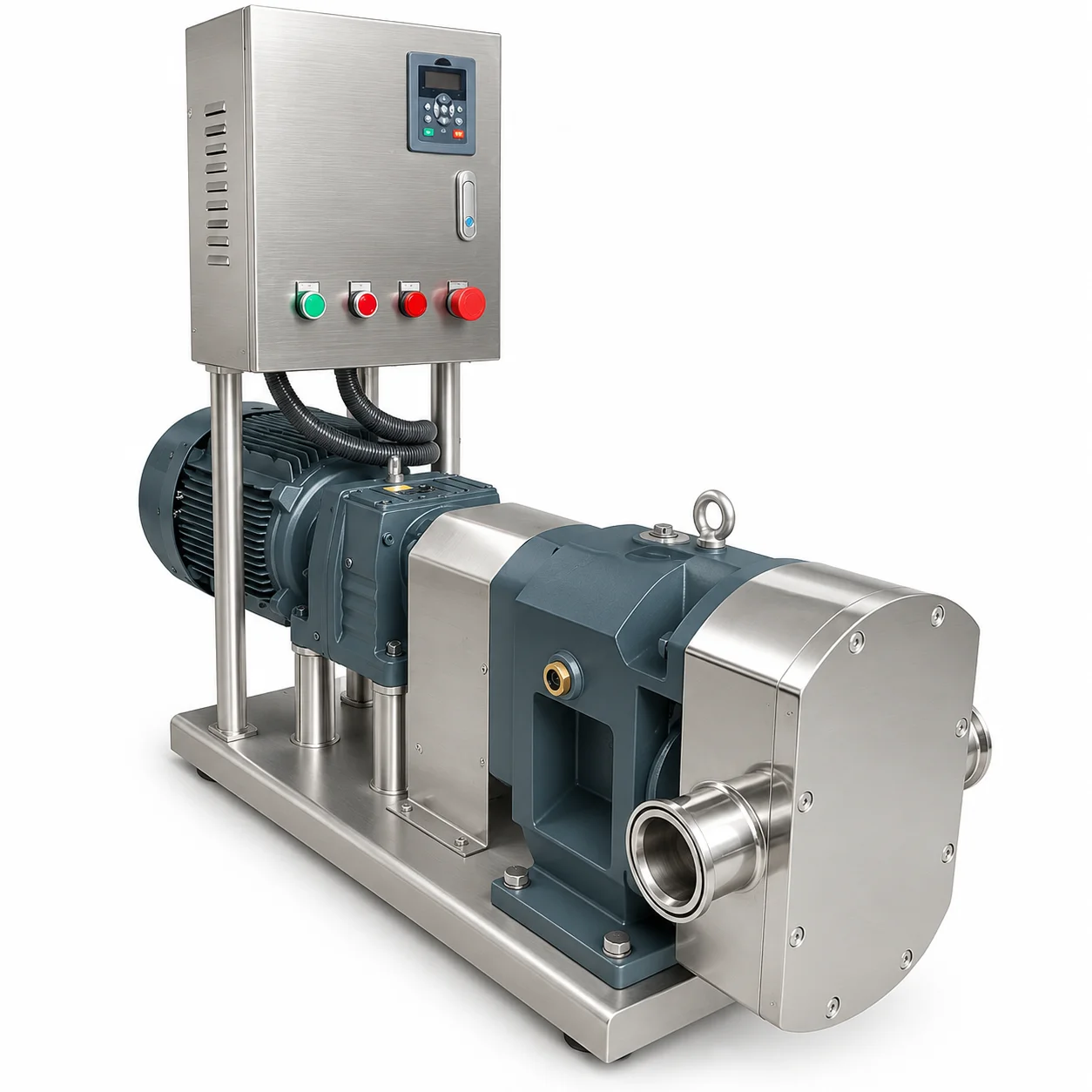
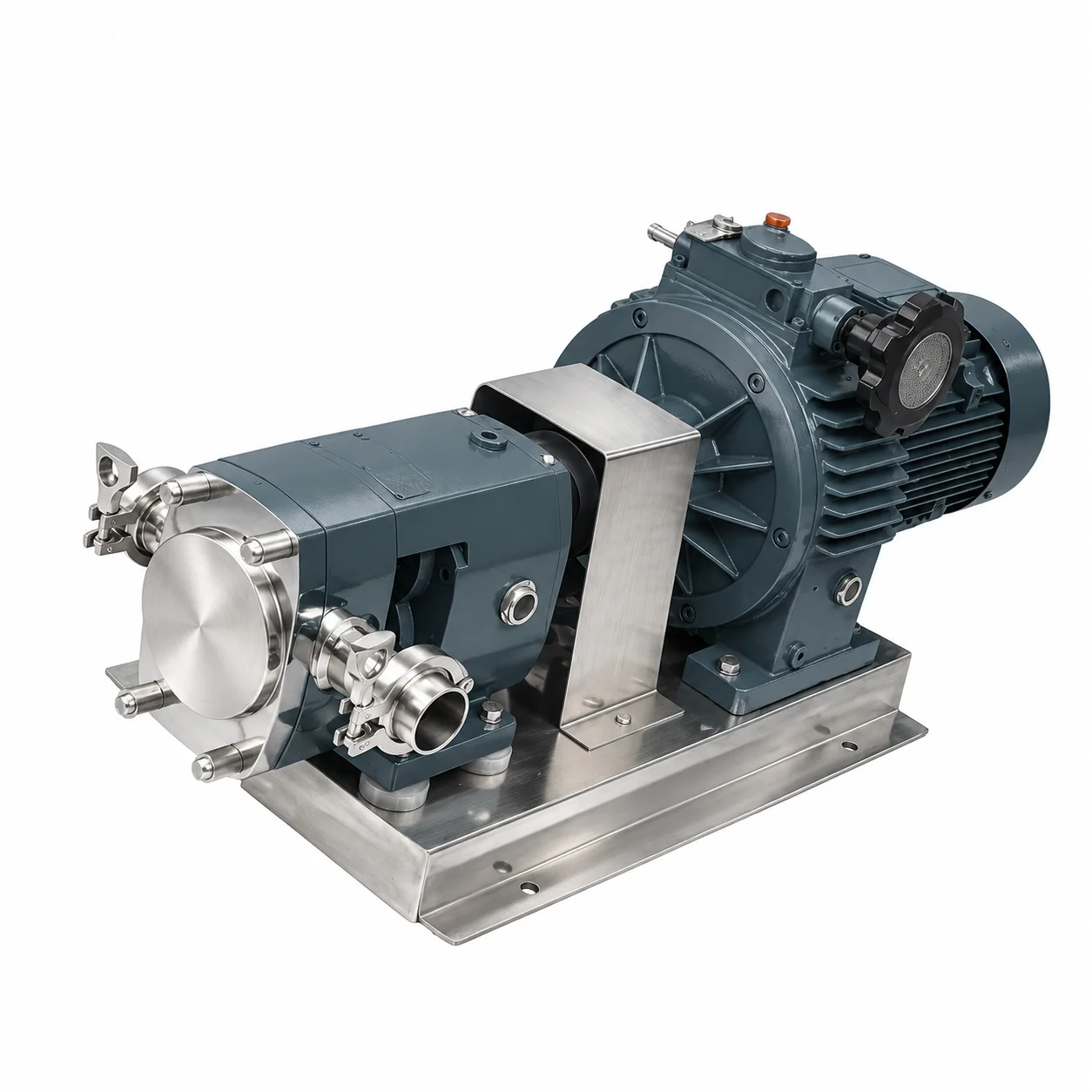
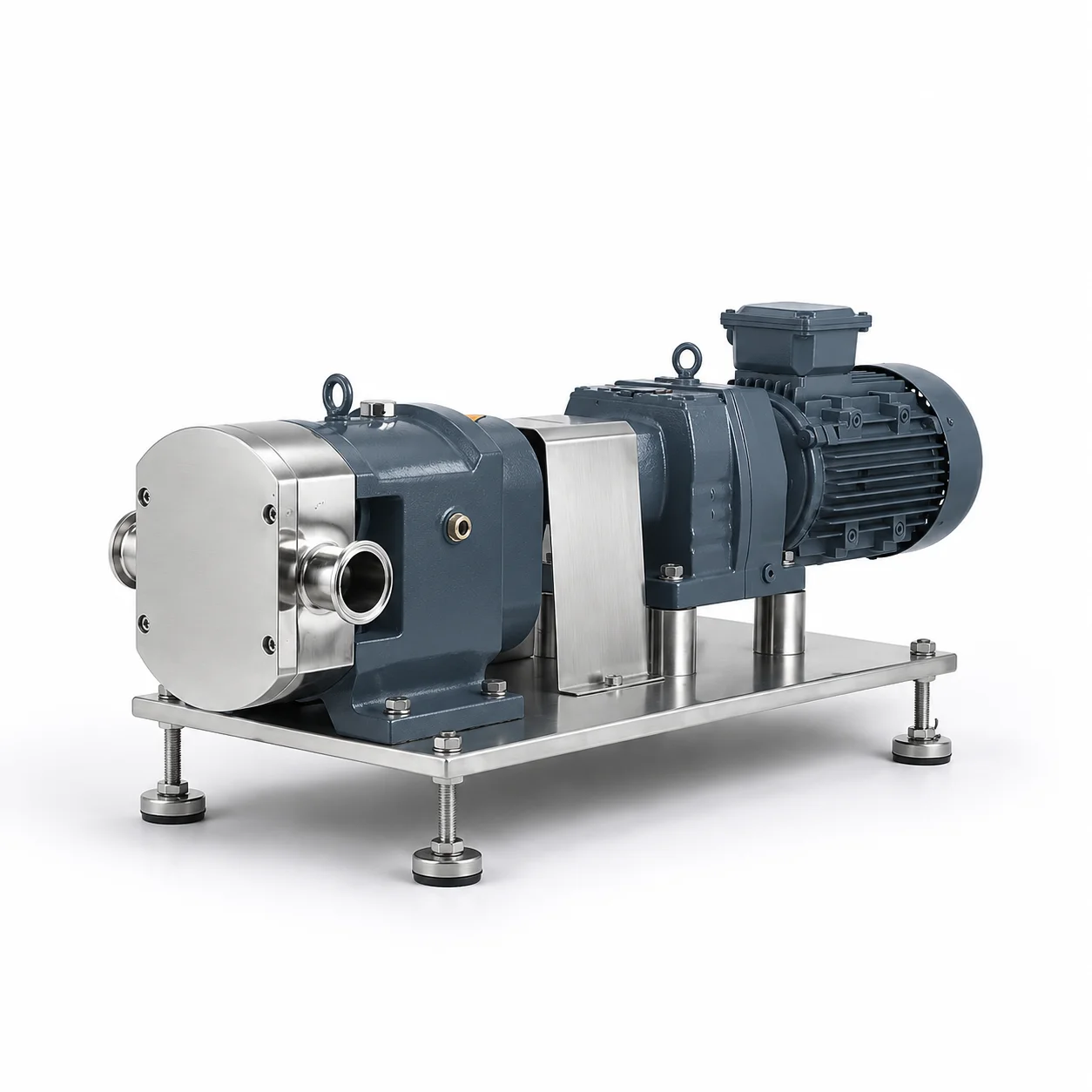
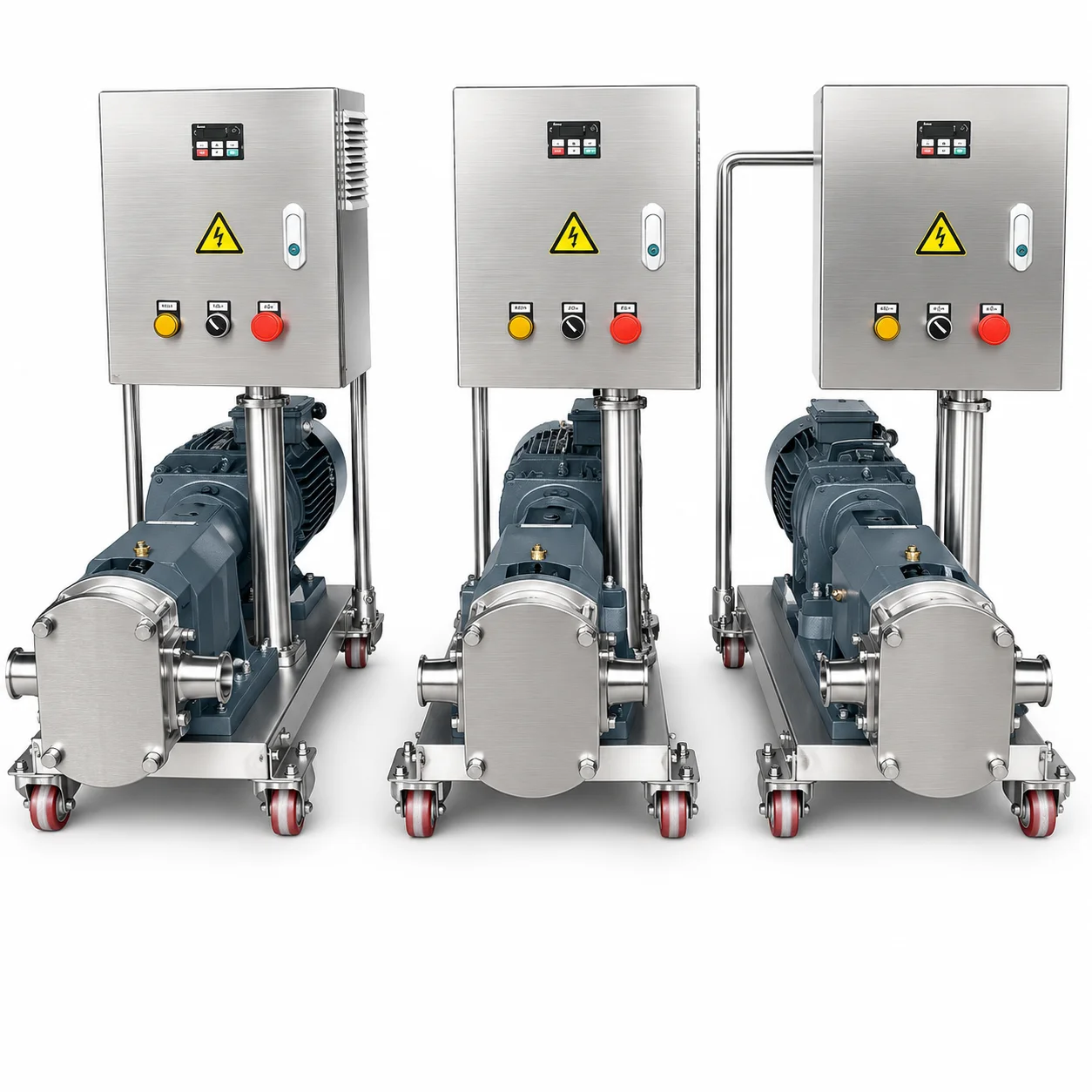
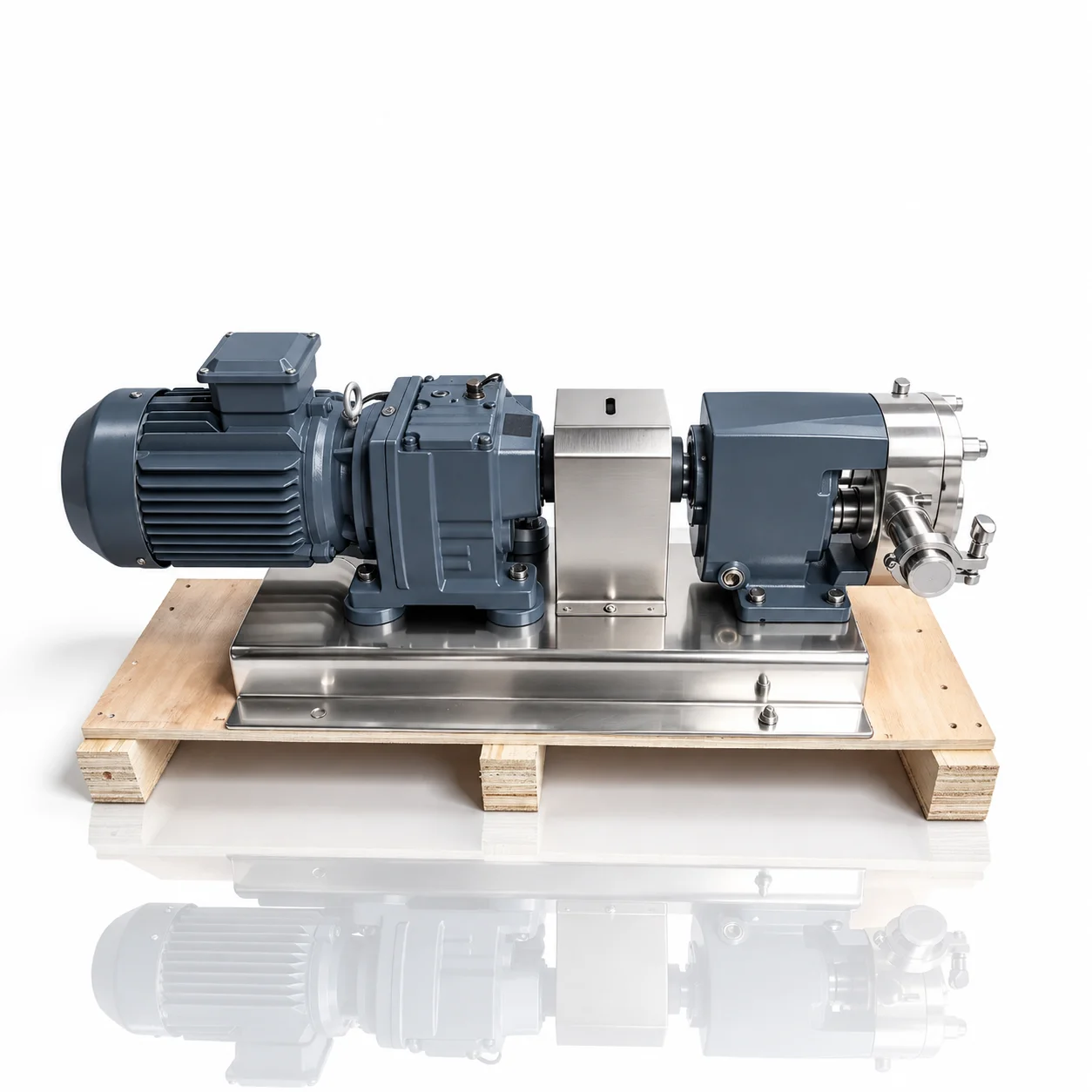
We manufacture a positive displacement pump designed to transfer viscous foods like syrup and tomato paste in a food processing line. With this design of pump, rate of flow of the product is controlled. Other considerations including choice of drive, material of construction and capacity of the pump are determined based on the specific application.

库存 100 件

Rotor Optional

Three-Lobe Rotor

Applicable Liquids:

  • Suitable for creams, liquids and sauces with low, medium and high viscosity, uniform texture and no hard granules.
  • Example: Chocolate, honey, mashed potatoes and ice cream.
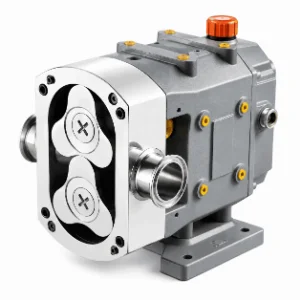
Three-Lobe Rotor

Butterfly Rotor

Applicable Liquids:

  • Suitable for shear-free, non-destructive transfer of soft-grained sauces and small-particle materials.
  • Example: Jam, pulp, juice, jelly and tomato sauce.
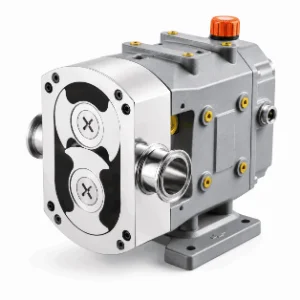
Butterfly Rotor

Single-Lobe Rotor

Applicable Liquids:

  • Suitable for conveying materials containing larger solid particles while maintaining stable transfer.
  • Example: Rock salt, chilli sauce and peanut butter.
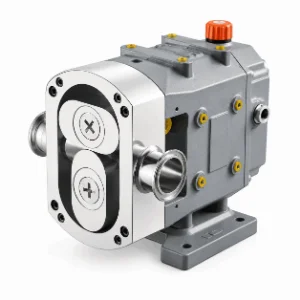
Single-Lobe Rotor

Multi-Lobe Rotor

Applicable Liquids:

  • Suitable for creams, liquids and sauces with low, medium and high viscosity where higher output accuracy and smooth flow are required.
  • Example: Chocolate, honey, cream, yoghurt, butter and grease.
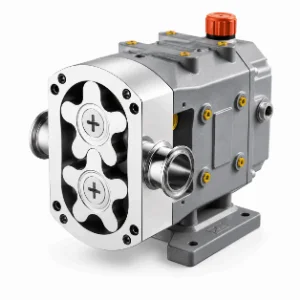
Multi-Lobe Rotor

Parameter Chart

lobe pump Parameter Chart
← Swipe left or right to view all specifications →
Model Flow per
100 Rotation
Power
(kW)
Suggested
RPM
Capacity
(L/H)
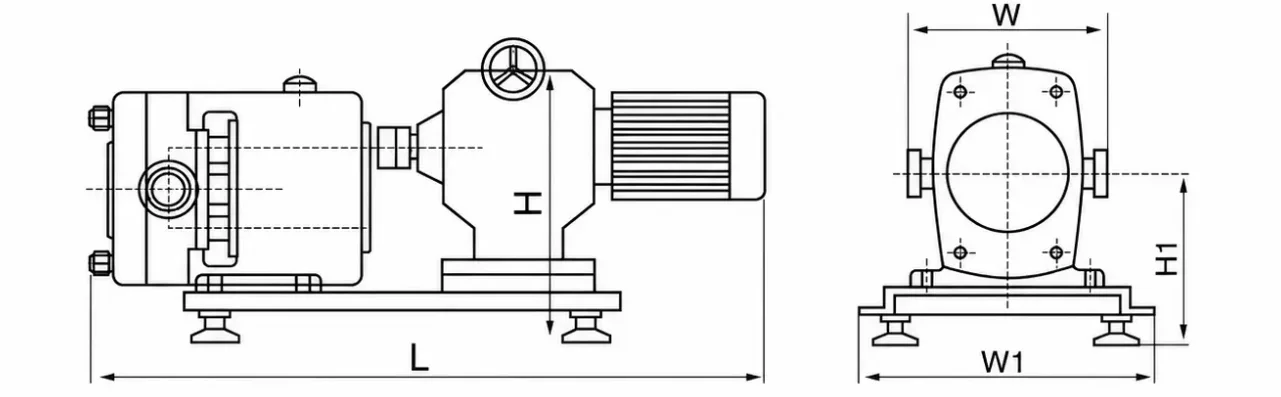
Diameter L H H1 W W1 Connection Type
ZB3A-3 3L 0.55 200-500 300-800 Φ25×1.5 710 290 150 150 240 Clamp / Thread / Flange
ZB3A-6 6L 0.75 200-500 650-1600 Φ25×1.5 780 390 170 190 240 Clamp / Thread / Flange
ZB3A-8 8L 1.5 200-500 850-2160 Φ38×1.5 850 400 170 190 280 Clamp / Thread / Flange
ZB3A-12 12L 2.2 200-500 1300-3200 Φ38×1.5 980 450 185 220 330 Clamp / Thread / Flange
ZB3A-20 20L 3 200-500 2100-5400 Φ38×1.5 1000 450 190 250 330 Clamp / Thread / Flange
ZB3A-30 30L 4 200-500 3200-6400 Φ50.8×1.5 1050 480 220 270 350 Clamp / Thread / Flange
ZB3A-36 36L 4 200-400 3800-7600 Φ50.8×1.5 1100 490 220 270 360 Clamp / Thread / Flange
ZB3A-52 52L 5.5 200-400 5600-11000 Φ63×1.5 1250 580 260 270 480 Clamp / Thread / Flange
ZB3A-66 66L 7.5 200-400 7100-14000 Φ76×1.5 1350 600 260 270 480 Clamp / Thread / Flange
ZB3A-78 78L 7.5 200-400 9000-18000 Φ76×1.5 1260 600 295 370 480 Clamp / Thread / Flange
ZB3A-100 100L 11 200-400 11000-22000 Φ76×2 1320 670 295 370 480 Clamp / Thread / Flange
ZB3A-135 135L 15 200-400 15000-30000 Φ89×2 1500 670 295 370 480 Clamp / Thread / Flange
ZB3A-160 160L 18.5 200-400 17000-34000 Φ102×3 1500 720 320 420 560 Clamp / Thread / Flange
ZB3A-200 200L 22 200-400 21600-43000 Φ102×3 1500 720 320 420 560 Clamp / Thread / Flange
ZB3A-300 300L 30 200-400 32400-64800 Φ125×3 1650 800 400 480 620 Clamp / Thread / Flange
ZB3A-400 400L 37 200-400 43200-86400 Φ150×3 1700 800 400 480 620 Clamp / Thread / Flange
Dimensions are shown as L / H / H1 / W / W1. On mobile, you can swipe horizontally to view the full table.

Rotary Lobe Pump for Syrup and Tomato Paste

The rotary lobe pump is used to transfer tomato paste and syrup and similar products with a similar consistency to these products. Positive displacement pumps move product in defined volumes to the outlet and are suitable for transporting thick liquids to different pieces of equipment in a process.

Differences in syrup and tomato paste product variability also impact the selection of a suitable pump. Pump selection also depends on many variables including the concentration and type of solids present in the tomato paste. We evaluate each situation to best determine the appropriate pump and drive unit.

How The Pump Works

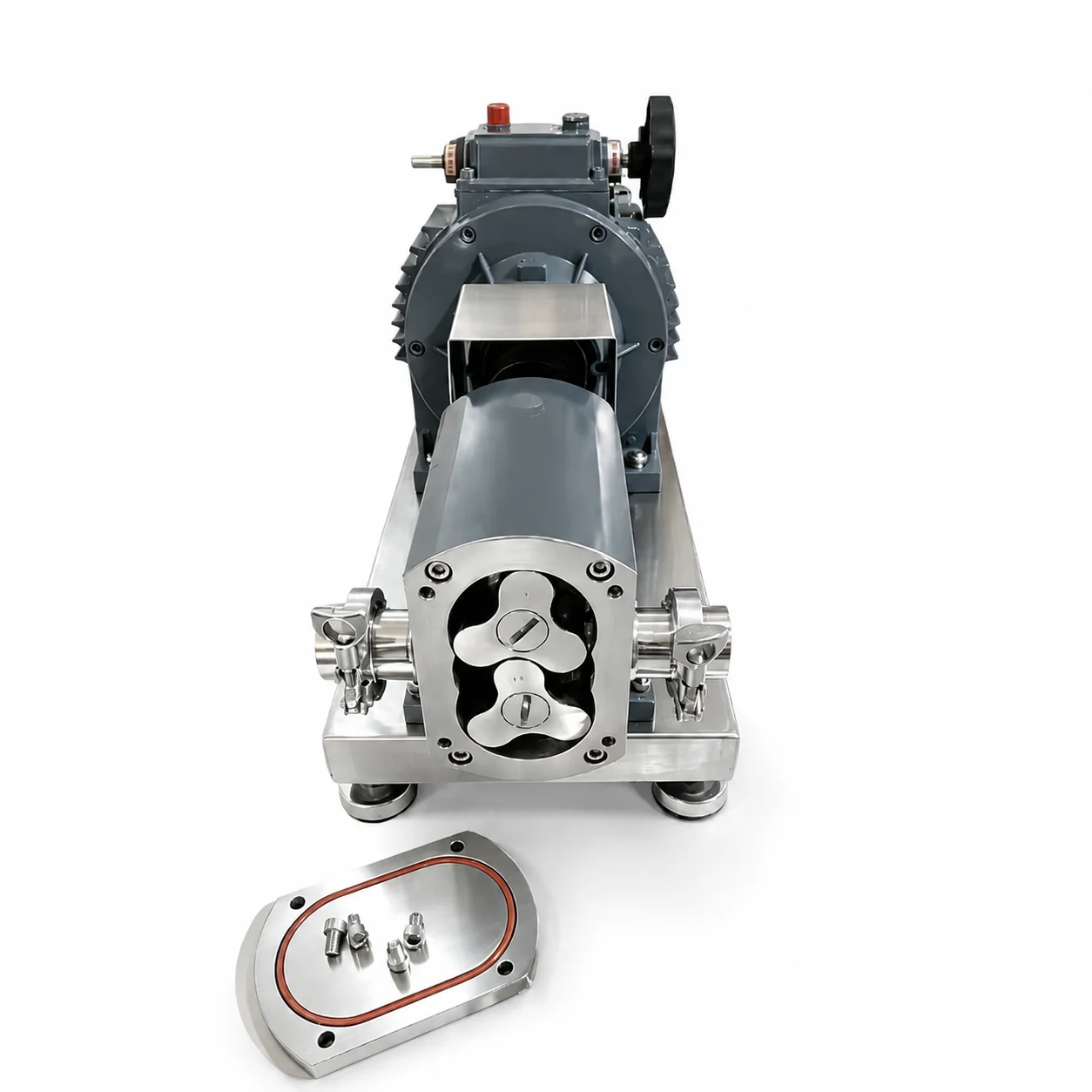
A close fitting chamber houses the two rotor elements. At the inlet of the chamber the rotor elements create a space into which product is drawn to be conveyed around the outside of the chamber to the outlet. The rotor elements mesh together to define the outlet of the chamber. The rotor elements are Timed to operate in unison to move product to the outlet. The speed of rotation is related to the consistency of the product being conveyed.

When transporting viscous products, the inlet to the pump should be amply sized to allow sufficient product to be drawn into the chamber to ensure adequate flow. Long and restricted suction piping will decrease the pump’s effectiveness.

Various components of the system affect outlet pressure including length of the conveying pipe, elevation, valving, heat exchangers and the type of filling equipment used.

Rotor speed also affects outlet pressure. The speed appropriate to pump syrup would be very different from the speed to pump tomato paste.

The application temperature and the viscosity of the product to be pumped also influence the choice of rotor speed and outlet pressure.

Some parts of the pump may come in contact with the product being pumped. The customer must define the material and standard required for these components. Unless otherwise agreed, the surface finish of these components will be as supplied by the manufacturer.

For food processing equipment, the method of cleaning to be employed between batches should also be taken into account to assess the pump’s suitability for the application.

Pumps can be used to transfer syrup from one location to another. Care should be taken to set the pump speed and inlet conditions to the viscosity of the syrup at the transfer temperature.

To transfer tomato paste from one location to another a pump can also be used. Pressure losses through the equipment should also be taken into account.

Pumps may also be used to transfer a viscous ingredient to a batch reactor.

More information on the pump type and other design features is available upon request.

Confirm required differential pressure and operating limits.

Numerical flow capacity of the product is not available. Provide the flow rate with the operating conditions of interest to you.

What type of media do you plan to transport?

What type of material is the rotor made of? Confirm this with your supplier.

What materials are used to construct the body and seals of the pump? Consider the temperature, pressure and cleaning methods the pump is expected to endure.

What power and speed motor can be used to drive the pump?

What type of connections will be used to couple the pump to the equipment? What conditions will the pump be exposed to during operation? What maintenance space will be available?

We suggest specifying discharge pressure and flow rate concurrently. This is particularly true for pumps selected using nominal capacities. For tomato paste provide the solids content and pumping temperature. For syrup, provide the viscosity at the transfer temperature.

In addition to the information requested above, we also request information pertaining to availability of power and space to house the equipment.

Can this pump be used to transfer both syrup and tomato paste? To answer this question we would need to know the viscosity and the flow rate of each product to be transferred.

We confirm operating conditions to validate the selected pump during quoting.

How does viscosity impact pump selection?

Product viscosity impacts the flow rate through the pump, the pressure required to move the fluid and the power required to turn the pump. Viscosity changes with change in temperature of the product. The higher the viscosity of the product the lower the flow rate. During quoting we assume the product will be at room temperature.

What information is needed to determine if a component comes in contact with food?

We need to know the other components in the system including any cleaning chemicals to completely evaluate the safety of the pump for food contact. The rotors of the pumps are considered food contact safe, however to verify this we may need to request the manufacturer’s information to support this claim.

Will the pump be able to be cleaned in place?

Pump seals must also be compatible with the cleaning system to allow complete removal of product from the system. We evaluate the cleaning process to determine the compatibility of the pump with the process.

What should be assessed during installation of the pump?

The space available for installation of the pump should allow clearances specified by the pump manufacturer. Other constraints to be assessed include supply and return line connections and mounting.

To get a quote for a rotary lobe pump to transfer tomato paste or syrup, contact us to provide your estimated flow rate and operating pressure.


描述

Rotary Lobe Pump for Syrup and Tomato Paste

The rotary lobe pump is used to transfer tomato paste and syrup and similar products with a similar consistency to these products. Positive displacement pumps move product in defined volumes to the outlet and are suitable for transporting thick liquids to different pieces of equipment in a process.

Differences in syrup and tomato paste product variability also impact the selection of a suitable pump. Pump selection also depends on many variables including the concentration and type of solids present in the tomato paste. We evaluate each situation to best determine the appropriate pump and drive unit.

How The Pump Works

A close fitting chamber houses the two rotor elements. At the inlet of the chamber the rotor elements create a space into which product is drawn to be conveyed around the outside of the chamber to the outlet. The rotor elements mesh together to define the outlet of the chamber. The rotor elements are Timed to operate in unison to move product to the outlet. The speed of rotation is related to the consistency of the product being conveyed.

When transporting viscous products, the inlet to the pump should be amply sized to allow sufficient product to be drawn into the chamber to ensure adequate flow. Long and restricted suction piping will decrease the pump’s effectiveness.

Various components of the system affect outlet pressure including length of the conveying pipe, elevation, valving, heat exchangers and the type of filling equipment used.

Rotor speed also affects outlet pressure. The speed appropriate to pump syrup would be very different from the speed to pump tomato paste.

The application temperature and the viscosity of the product to be pumped also influence the choice of rotor speed and outlet pressure.

Some parts of the pump may come in contact with the product being pumped. The customer must define the material and standard required for these components. Unless otherwise agreed, the surface finish of these components will be as supplied by the manufacturer.

For food processing equipment, the method of cleaning to be employed between batches should also be taken into account to assess the pump’s suitability for the application.

Pumps can be used to transfer syrup from one location to another. Care should be taken to set the pump speed and inlet conditions to the viscosity of the syrup at the transfer temperature.

To transfer tomato paste from one location to another a pump can also be used. Pressure losses through the equipment should also be taken into account.

Pumps may also be used to transfer a viscous ingredient to a batch reactor.

More information on the pump type and other design features is available upon request.

Confirm required differential pressure and operating limits.

Numerical flow capacity of the product is not available. Provide the flow rate with the operating conditions of interest to you.

What type of media do you plan to transport?

What type of material is the rotor made of? Confirm this with your supplier.

What materials are used to construct the body and seals of the pump? Consider the temperature, pressure and cleaning methods the pump is expected to endure.

What power and speed motor can be used to drive the pump?

What type of connections will be used to couple the pump to the equipment? What conditions will the pump be exposed to during operation? What maintenance space will be available?

We suggest specifying discharge pressure and flow rate concurrently. This is particularly true for pumps selected using nominal capacities. For tomato paste provide the solids content and pumping temperature. For syrup, provide the viscosity at the transfer temperature.

In addition to the information requested above, we also request information pertaining to availability of power and space to house the equipment.

Can this pump be used to transfer both syrup and tomato paste? To answer this question we would need to know the viscosity and the flow rate of each product to be transferred.

We confirm operating conditions to validate the selected pump during quoting.

How does viscosity impact pump selection?

Product viscosity impacts the flow rate through the pump, the pressure required to move the fluid and the power required to turn the pump. Viscosity changes with change in temperature of the product. The higher the viscosity of the product the lower the flow rate. During quoting we assume the product will be at room temperature.

What information is needed to determine if a component comes in contact with food?

We need to know the other components in the system including any cleaning chemicals to completely evaluate the safety of the pump for food contact. The rotors of the pumps are considered food contact safe, however to verify this we may need to request the manufacturer’s information to support this claim.

Will the pump be able to be cleaned in place?

Pump seals must also be compatible with the cleaning system to allow complete removal of product from the system. We evaluate the cleaning process to determine the compatibility of the pump with the process.

What should be assessed during installation of the pump?

The space available for installation of the pump should allow clearances specified by the pump manufacturer. Other constraints to be assessed include supply and return line connections and mounting.

To get a quote for a rotary lobe pump to transfer tomato paste or syrup, contact us to provide your estimated flow rate and operating pressure.

Shipping and Delivery

MAECENAS IACULIS

Vestibulum curae torquent diam diam commodo parturient penatibus nunc dui adipiscing convallis bulum parturient suspendisse parturient a.Parturient in parturient scelerisque nibh lectus quam a natoque adipiscing a vestibulum hendrerit et pharetra fames nunc natoque dui.

ADIPISCING CONVALLIS BULUM

  • Vestibulum penatibus nunc dui adipiscing convallis bulum parturient suspendisse.
  • Abitur parturient praesent lectus quam a natoque adipiscing a vestibulum hendre.
  • Diam parturient dictumst parturient scelerisque nibh lectus.

Scelerisque adipiscing bibendum sem vestibulum et in a a a purus lectus faucibus lobortis tincidunt purus lectus nisl class eros.Condimentum a et ullamcorper dictumst mus et tristique elementum nam inceptos hac parturient scelerisque vestibulum amet elit ut volutpat.