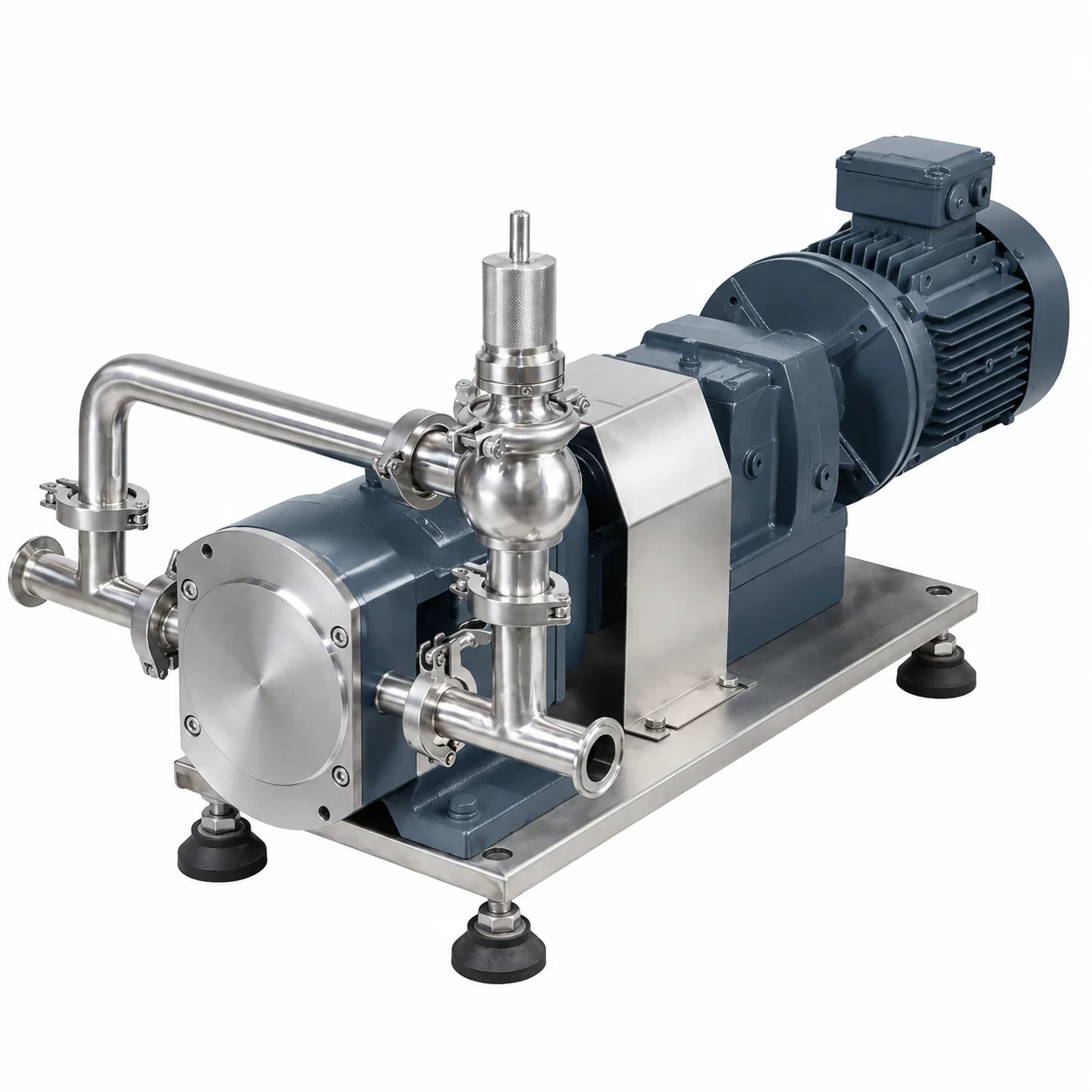
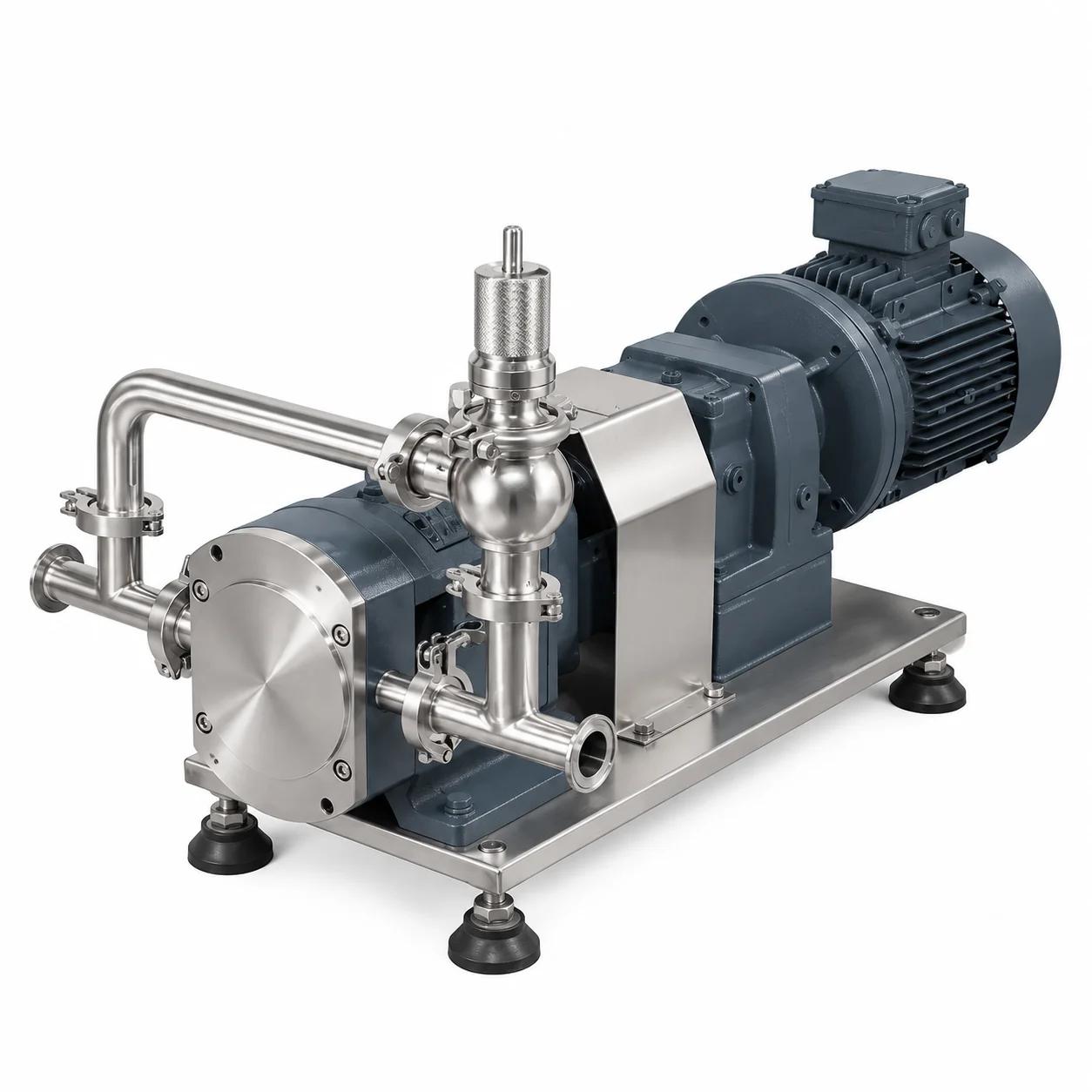
SS316L Rotary Lobe Pump for Honey, Chocolate & Beer
SS316L Rotary Lobe Pump for Honey, Chocolate & Beer 原价为:$2,397.19。当前价格为:$1,700.47。
返回产品
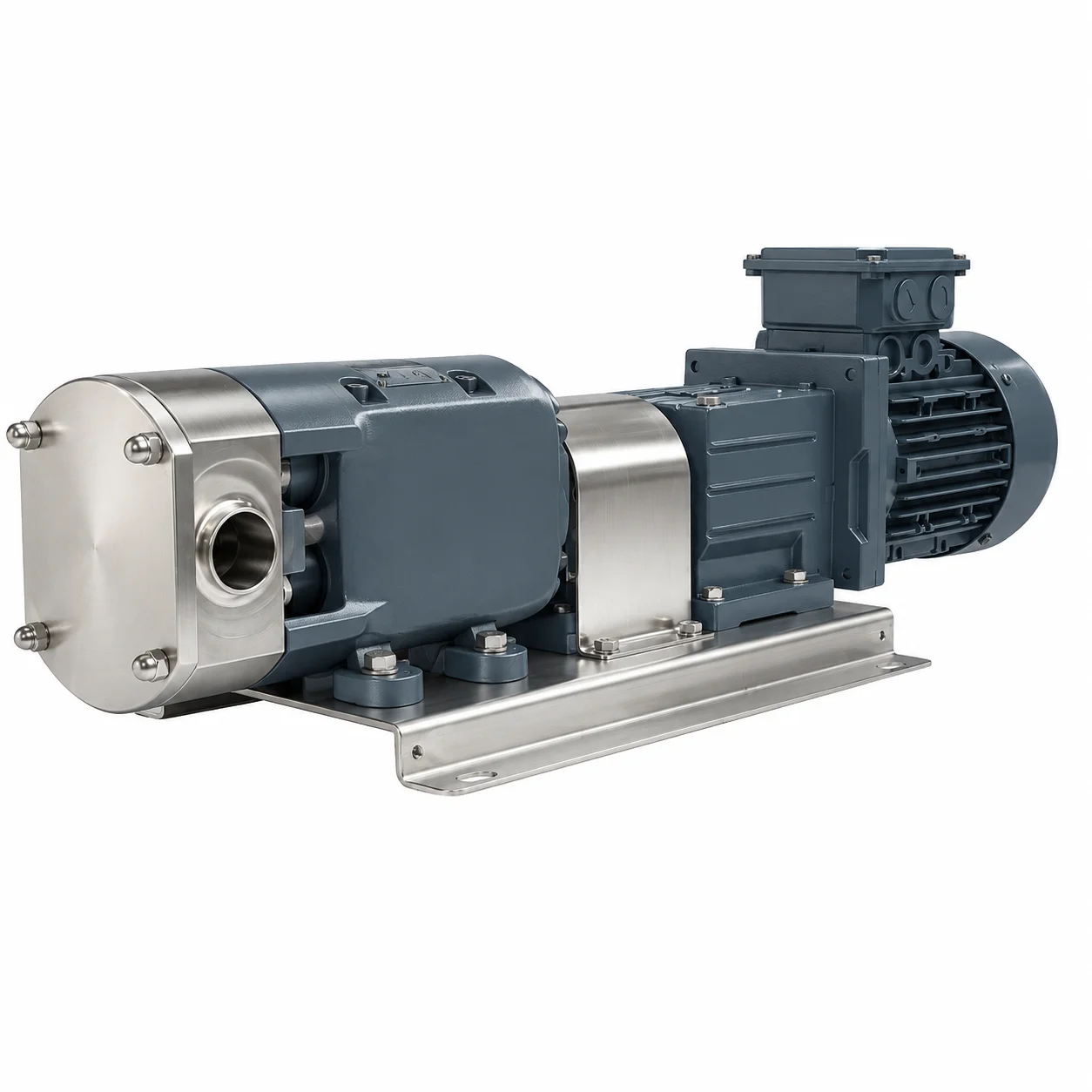
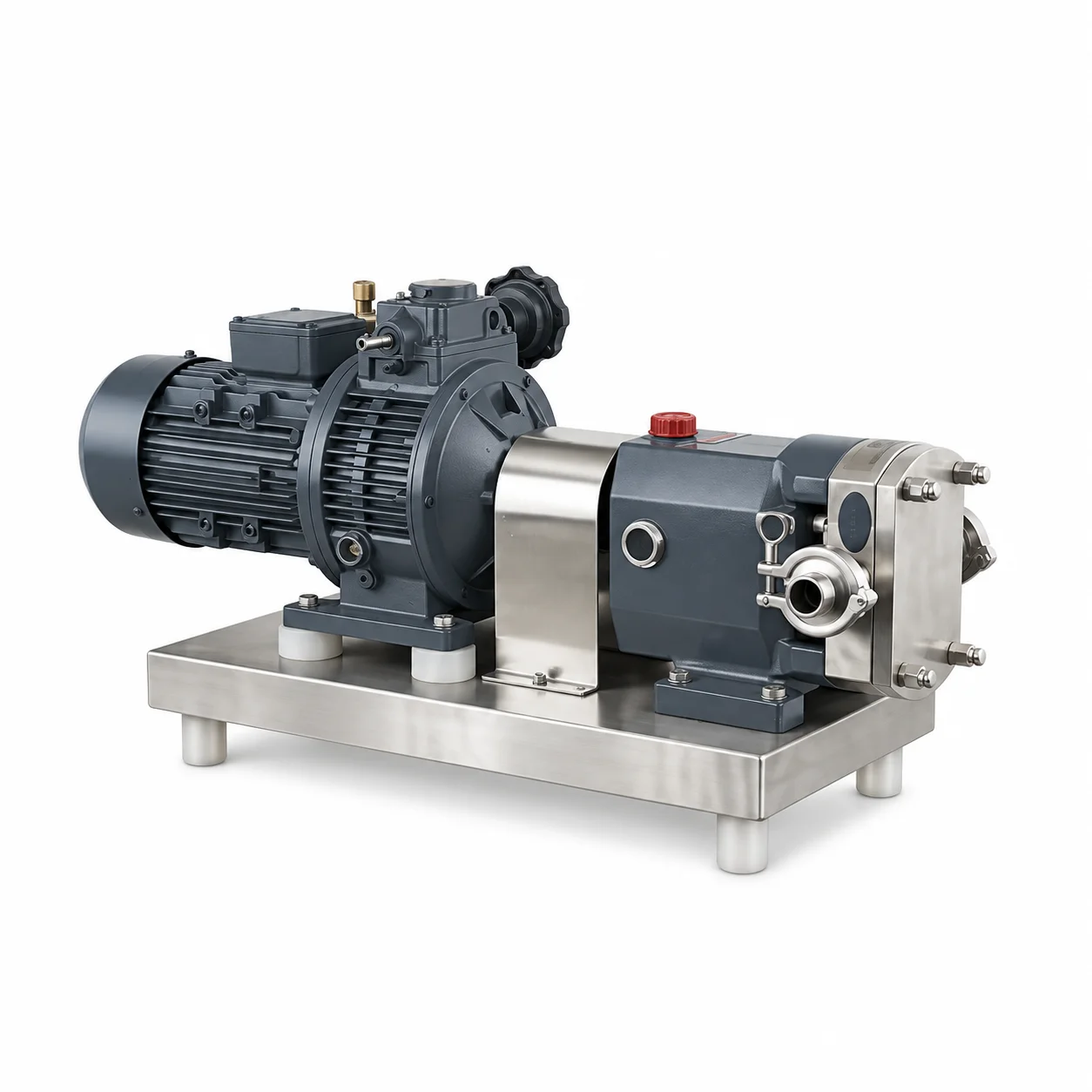
Self-Priming Rotary Lobe Pump for Chocolate and Honey
Self-Priming Rotary Lobe Pump for Chocolate and Honey 原价为:$2,886.22。当前价格为:$1,970.86。

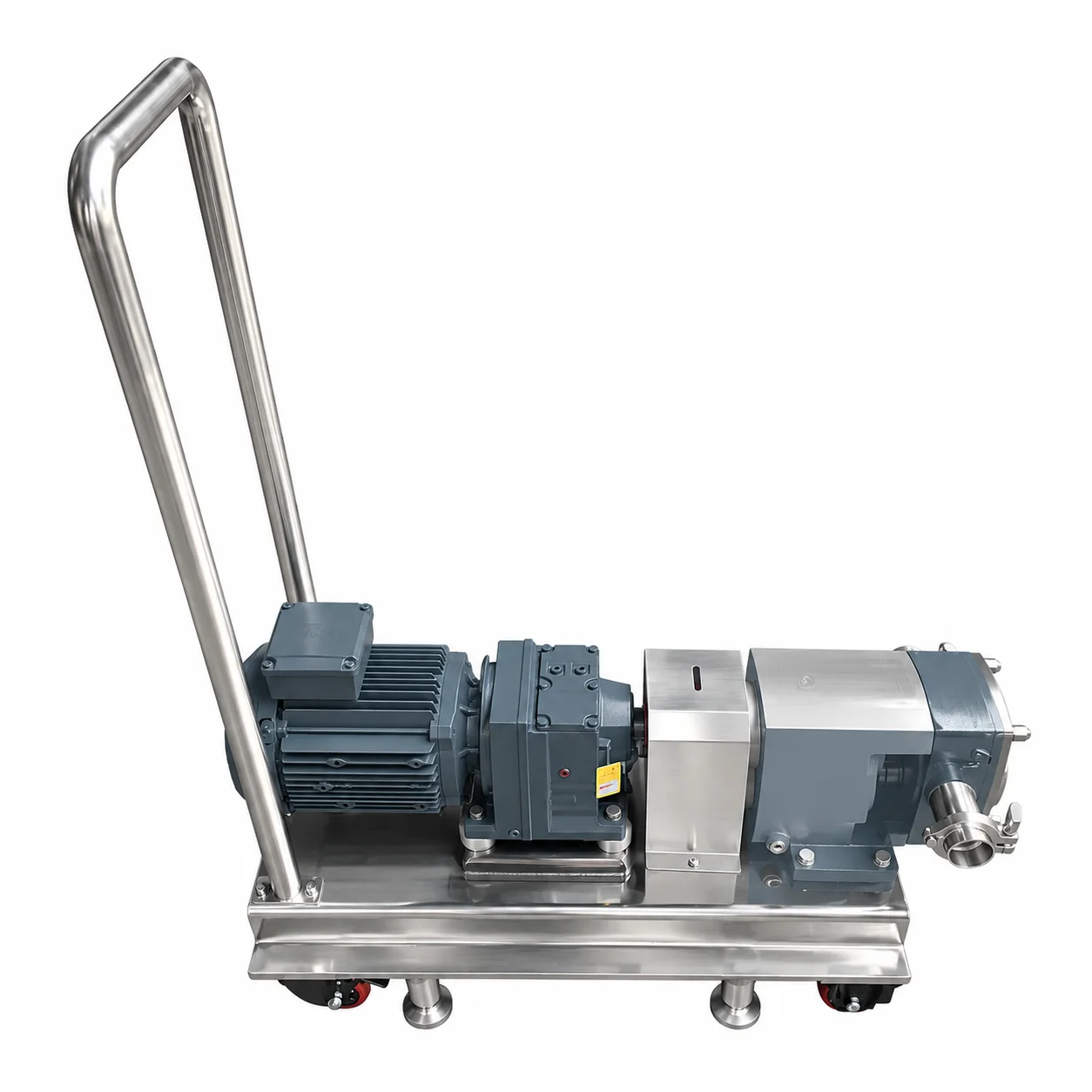
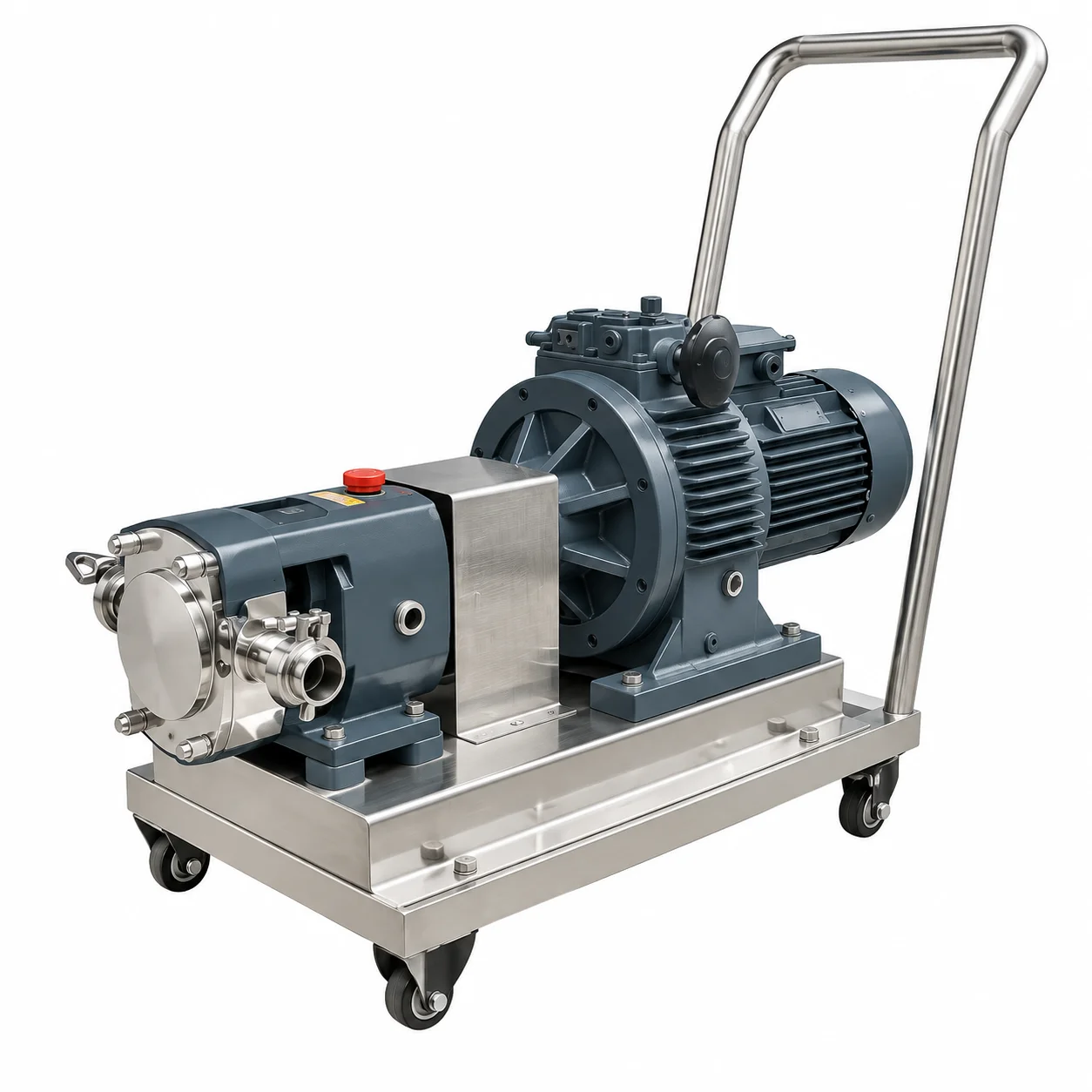
Mobile Three-Lobe Pump for High-Viscosity Pastes

原价为:$2,545.43。当前价格为:$1,748.70。

We have a cart-mounted three-lobe pump that can move thick liquids and pastes between process steps. Before recommending this pump for use in your process, we will need to verify the inlet conditions and the internal diameters of the connections to ensure compatibility with the pump.

库存 100 件

SKU: ZZB-A10173 分类: 标签: , ,

Rotor Optional

Three-Lobe Rotor

Applicable Liquids:

  • Suitable for creams, liquids and sauces with low, medium and high viscosity, uniform texture and no hard granules.
  • Example: Chocolate, honey, mashed potatoes and ice cream.
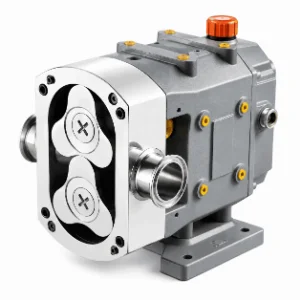
Three-Lobe Rotor

Butterfly Rotor

Applicable Liquids:

  • Suitable for shear-free, non-destructive transfer of soft-grained sauces and small-particle materials.
  • Example: Jam, pulp, juice, jelly and tomato sauce.
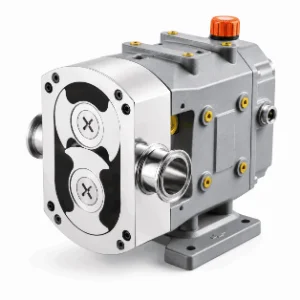
Butterfly Rotor

Single-Lobe Rotor

Applicable Liquids:

  • Suitable for conveying materials containing larger solid particles while maintaining stable transfer.
  • Example: Rock salt, chilli sauce and peanut butter.
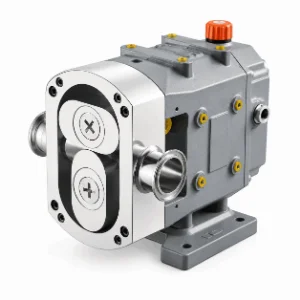
Single-Lobe Rotor

Multi-Lobe Rotor

Applicable Liquids:

  • Suitable for creams, liquids and sauces with low, medium and high viscosity where higher output accuracy and smooth flow are required.
  • Example: Chocolate, honey, cream, yoghurt, butter and grease.
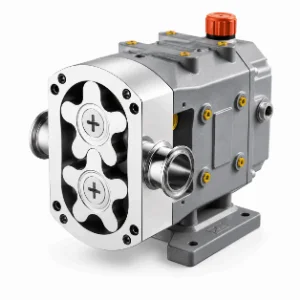
Multi-Lobe Rotor

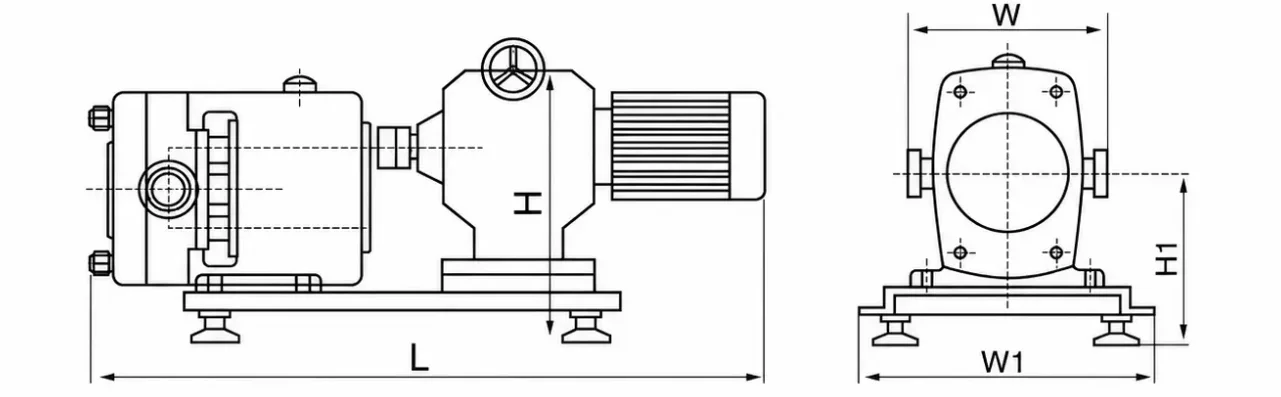
Parameter Chart

lobe pump Parameter Chart
← Swipe left or right to view all specifications →
Model Flow per
100 Rotation
Power
(kW)
Suggested
RPM
Capacity
(L/H)
Diameter L H H1 W W1 Connection Type
ZB3A-3 3L 0.55 200-500 300-800 Φ25×1.5 710 290 150 150 240 Clamp / Thread / Flange
ZB3A-6 6L 0.75 200-500 650-1600 Φ25×1.5 780 390 170 190 240 Clamp / Thread / Flange
ZB3A-8 8L 1.5 200-500 850-2160 Φ38×1.5 850 400 170 190 280 Clamp / Thread / Flange
ZB3A-12 12L 2.2 200-500 1300-3200 Φ38×1.5 980 450 185 220 330 Clamp / Thread / Flange
ZB3A-20 20L 3 200-500 2100-5400 Φ38×1.5 1000 450 190 250 330 Clamp / Thread / Flange
ZB3A-30 30L 4 200-500 3200-6400 Φ50.8×1.5 1050 480 220 270 350 Clamp / Thread / Flange
ZB3A-36 36L 4 200-400 3800-7600 Φ50.8×1.5 1100 490 220 270 360 Clamp / Thread / Flange
ZB3A-52 52L 5.5 200-400 5600-11000 Φ63×1.5 1250 580 260 270 480 Clamp / Thread / Flange
ZB3A-66 66L 7.5 200-400 7100-14000 Φ76×1.5 1350 600 260 270 480 Clamp / Thread / Flange
ZB3A-78 78L 7.5 200-400 9000-18000 Φ76×1.5 1260 600 295 370 480 Clamp / Thread / Flange
ZB3A-100 100L 11 200-400 11000-22000 Φ76×2 1320 670 295 370 480 Clamp / Thread / Flange
ZB3A-135 135L 15 200-400 15000-30000 Φ89×2 1500 670 295 370 480 Clamp / Thread / Flange
ZB3A-160 160L 18.5 200-400 17000-34000 Φ102×3 1500 720 320 420 560 Clamp / Thread / Flange
ZB3A-200 200L 22 200-400 21600-43000 Φ102×3 1500 720 320 420 560 Clamp / Thread / Flange
ZB3A-300 300L 30 200-400 32400-64800 Φ125×3 1650 800 400 480 620 Clamp / Thread / Flange
ZB3A-400 400L 37 200-400 43200-86400 Φ150×3 1700 800 400 480 620 Clamp / Thread / Flange
Dimensions are shown as L / H / H1 / W / W1. On mobile, you can swipe horizontally to view the full table.

Product Overview:

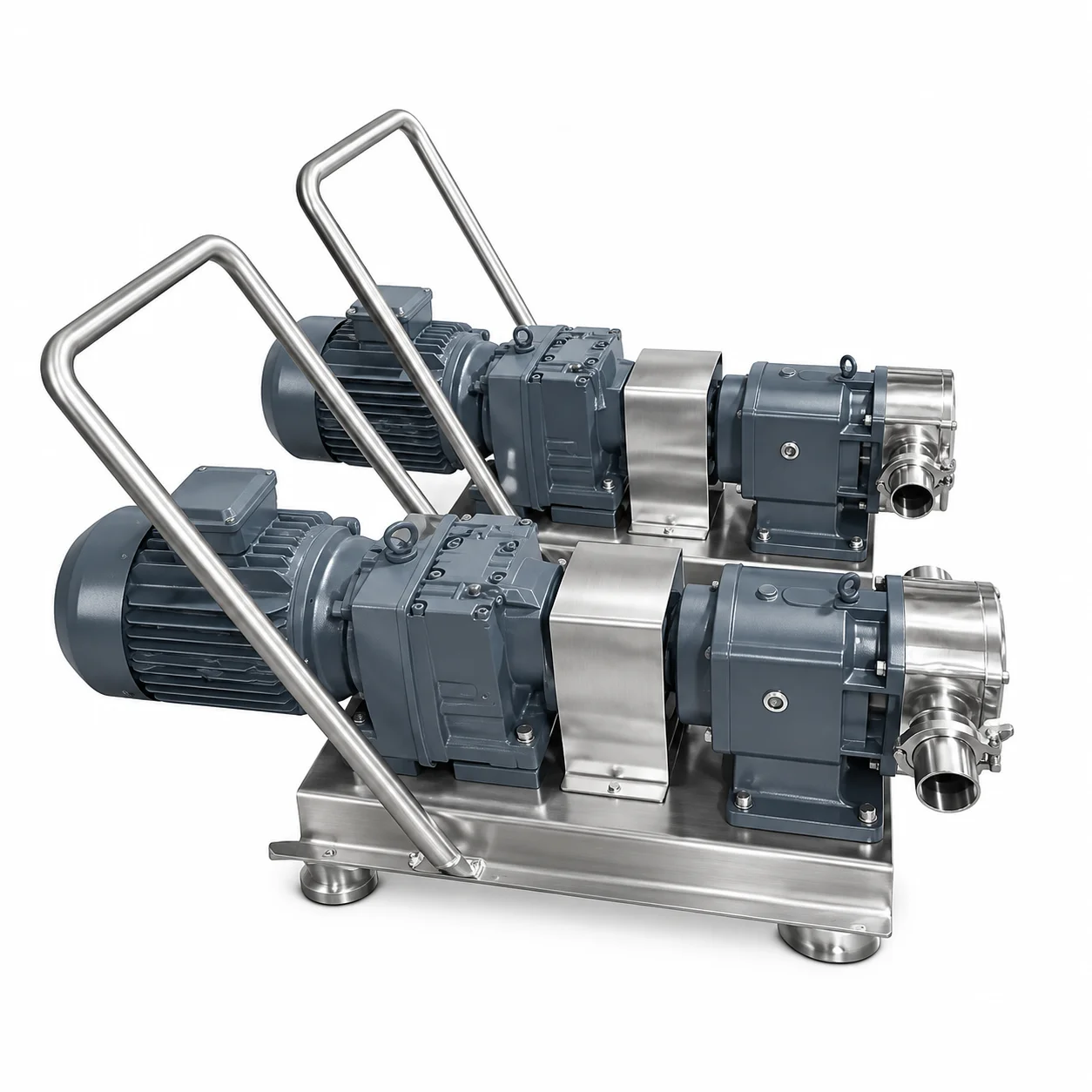
We provide this mobile, three lobe pump to transfer paste and other viscous products in a process. It can also be mounted on a cart to move a pump, mixer and holding vessel to different locations to fill other vessels in sequence. This is more convenient than creating permanent piping to each station. To transfer the product to the pump the users need to construct a very short suction line.

Three Lobe Pump Operation

In a three lobe pump, two rotating cams create a pocket on each side of the chamber wall. As the cams rotate these pockets convey the product from the inlet of the chamber to the outlet. This is known as positive displacement and the volume of fluid displaced is dependent on the volume of the pockets created. Not all of the fluid may be displaced due to clearance between the rotors and the chamber wall.

In this particular pump the terms ‘gear pump’ and ‘cam rotor stator’ have also been used to describe the operation of the pump. To gain a full understanding of the operation and wetted parts of the pump users should request and examine a cross sectional view of the pump prior to use or specifying spare parts.

Three lobes are suitable to transfer viscous products compared to using fewer lobes. The pump must be supplied with sufficient product to fill the chamber to be pumped. Increasing the rotational speed of the pump will not increase the flow rate. The mobile base of the pump allows users to position the pump close to the batch vessel to be transferred.

To prevent the hoses from pulling off of the pump fittings, firmly affix the hoses and cart to the frame before each use.

Batch Production

We have used this design to transfer printing ink from the mixing vessel to the day tank to be loaded in the printing press. We have also used it to transfer adhesives and sealants to a fill machine. We confirm that the product will not set or harden in the pump prior to use. If a product is too viscous to be pumped, it may need to be assisted by gravity to enter the pump.

Configuration and Technical Details

The rotor is three lobed. Confirm this prior to use with a drawing of the pump. The cart has four wheels and is constructed of a frame with side rails. Verify the overall dimensions of the cart to determine if it will fit in the available space. The materials of the rotor and seals are not specified. Request this information to assess compatibility with the product to be transferred. The drive has a variable speed control which is not specified. The limits of the operating range of the pump should be established prior to use.

A mobile pump is most appropriate to use when the product being transferred needs to be moved to another location infrequently.

To determine the best cost effectiveness for your situation, calculate how long it takes to disconnect and clean the pump and hoses each time you want to use it, and compare that to the cost of installing a pump at each location. Generally it would be more cost effective to install a pump at each location if the processes cannot use the same wetted parts of the pump or if they must use the pump at the same time.

To determine the size of the pump to use with your process, provide us with the quantity of liquid to be transferred and the time allotted to perform the transfer. Also include the viscosity of the product at the transfer temperature and at the lowest temperature at which it will be started. If it is a shear thinning paste, provide the method and rate of shear used to determine viscosity.

We also need the diameter of the outlet of the source vessel, the elevation difference between the two vessels, the inner diameter of the transfer hose and its length. This information will allow us to estimate the starting torque and discharge pressure of the pump. Due to the nature of a positive displacement pump it is essential that the system be designed to protect against excessive discharge pressure.

What is the maximum viscosity of the product that this pump can transfer?

No hard number can be given to answer this question, but in general, the lower the temperature and the slower the speed at which the pump transfers the product the higher the effective viscosity can be. To transfer a thick paste over a long distance, the hose would have to be of the same diameter as the inside of the pump to provide sufficient resistance to allow the rotor to fill with the paste.

Post your proposed hose layout to help determine what length inlet and assist feed will be required.

Can the same pump be used for both inks and adhesives?

If the materials used in each product to construct the pump are also compatible with the adhesive and the pump can be cleaned thoroughly to remove any residue, then yes it could be used for both. Also, is the adhesive still liquid or does it harden?

Does the cart come with locking casters?

From the information you have provided, it appears the cart has caster wheels but not wheel locks. We can confirm the details of the cart including the size and method to lock it in place to secure the hoses.

What information should we provide to quote a rotor and seal?

To prevent uncertainty in the part you wish to order, include a copy of the drawings and parts list showing the exact dimensions and materials used on the rotor and seal.

To quote a centrifugal pump, what information should be provided?

The working fluid’s properties including specific gravity, viscosity and temperature, the volume to be pumped, the transfer time, the pressure at the outlet, connection standard and the power available at the site to drive the pump. Let us know if you need a particular material for the pump seals to facilitate cleaning.

Request a Configuration and Quote

To provide the best estimate of cost for the complete system, we will also need a sketch showing the transfer path and how the system will be integrated with the user’s process.


描述

Product Overview:

We provide this mobile, three lobe pump to transfer paste and other viscous products in a process. It can also be mounted on a cart to move a pump, mixer and holding vessel to different locations to fill other vessels in sequence. This is more convenient than creating permanent piping to each station. To transfer the product to the pump the users need to construct a very short suction line.

Three Lobe Pump Operation

In a three lobe pump, two rotating cams create a pocket on each side of the chamber wall. As the cams rotate these pockets convey the product from the inlet of the chamber to the outlet. This is known as positive displacement and the volume of fluid displaced is dependent on the volume of the pockets created. Not all of the fluid may be displaced due to clearance between the rotors and the chamber wall.

In this particular pump the terms ‘gear pump’ and ‘cam rotor stator’ have also been used to describe the operation of the pump. To gain a full understanding of the operation and wetted parts of the pump users should request and examine a cross sectional view of the pump prior to use or specifying spare parts.

Three lobes are suitable to transfer viscous products compared to using fewer lobes. The pump must be supplied with sufficient product to fill the chamber to be pumped. Increasing the rotational speed of the pump will not increase the flow rate. The mobile base of the pump allows users to position the pump close to the batch vessel to be transferred.

To prevent the hoses from pulling off of the pump fittings, firmly affix the hoses and cart to the frame before each use.

Batch Production

We have used this design to transfer printing ink from the mixing vessel to the day tank to be loaded in the printing press. We have also used it to transfer adhesives and sealants to a fill machine. We confirm that the product will not set or harden in the pump prior to use. If a product is too viscous to be pumped, it may need to be assisted by gravity to enter the pump.

Configuration and Technical Details

The rotor is three lobed. Confirm this prior to use with a drawing of the pump. The cart has four wheels and is constructed of a frame with side rails. Verify the overall dimensions of the cart to determine if it will fit in the available space. The materials of the rotor and seals are not specified. Request this information to assess compatibility with the product to be transferred. The drive has a variable speed control which is not specified. The limits of the operating range of the pump should be established prior to use.

A mobile pump is most appropriate to use when the product being transferred needs to be moved to another location infrequently.

To determine the best cost effectiveness for your situation, calculate how long it takes to disconnect and clean the pump and hoses each time you want to use it, and compare that to the cost of installing a pump at each location. Generally it would be more cost effective to install a pump at each location if the processes cannot use the same wetted parts of the pump or if they must use the pump at the same time.

To determine the size of the pump to use with your process, provide us with the quantity of liquid to be transferred and the time allotted to perform the transfer. Also include the viscosity of the product at the transfer temperature and at the lowest temperature at which it will be started. If it is a shear thinning paste, provide the method and rate of shear used to determine viscosity.

We also need the diameter of the outlet of the source vessel, the elevation difference between the two vessels, the inner diameter of the transfer hose and its length. This information will allow us to estimate the starting torque and discharge pressure of the pump. Due to the nature of a positive displacement pump it is essential that the system be designed to protect against excessive discharge pressure.

What is the maximum viscosity of the product that this pump can transfer?

No hard number can be given to answer this question, but in general, the lower the temperature and the slower the speed at which the pump transfers the product the higher the effective viscosity can be. To transfer a thick paste over a long distance, the hose would have to be of the same diameter as the inside of the pump to provide sufficient resistance to allow the rotor to fill with the paste.

Post your proposed hose layout to help determine what length inlet and assist feed will be required.

Can the same pump be used for both inks and adhesives?

If the materials used in each product to construct the pump are also compatible with the adhesive and the pump can be cleaned thoroughly to remove any residue, then yes it could be used for both. Also, is the adhesive still liquid or does it harden?

Does the cart come with locking casters?

From the information you have provided, it appears the cart has caster wheels but not wheel locks. We can confirm the details of the cart including the size and method to lock it in place to secure the hoses.

What information should we provide to quote a rotor and seal?

To prevent uncertainty in the part you wish to order, include a copy of the drawings and parts list showing the exact dimensions and materials used on the rotor and seal.

To quote a centrifugal pump, what information should be provided?

The working fluid’s properties including specific gravity, viscosity and temperature, the volume to be pumped, the transfer time, the pressure at the outlet, connection standard and the power available at the site to drive the pump. Let us know if you need a particular material for the pump seals to facilitate cleaning.

Request a Configuration and Quote

To provide the best estimate of cost for the complete system, we will also need a sketch showing the transfer path and how the system will be integrated with the user’s process.

Shipping and Delivery

MAECENAS IACULIS

Vestibulum curae torquent diam diam commodo parturient penatibus nunc dui adipiscing convallis bulum parturient suspendisse parturient a.Parturient in parturient scelerisque nibh lectus quam a natoque adipiscing a vestibulum hendrerit et pharetra fames nunc natoque dui.

ADIPISCING CONVALLIS BULUM

  • Vestibulum penatibus nunc dui adipiscing convallis bulum parturient suspendisse.
  • Abitur parturient praesent lectus quam a natoque adipiscing a vestibulum hendre.
  • Diam parturient dictumst parturient scelerisque nibh lectus.

Scelerisque adipiscing bibendum sem vestibulum et in a a a purus lectus faucibus lobortis tincidunt purus lectus nisl class eros.Condimentum a et ullamcorper dictumst mus et tristique elementum nam inceptos hac parturient scelerisque vestibulum amet elit ut volutpat.