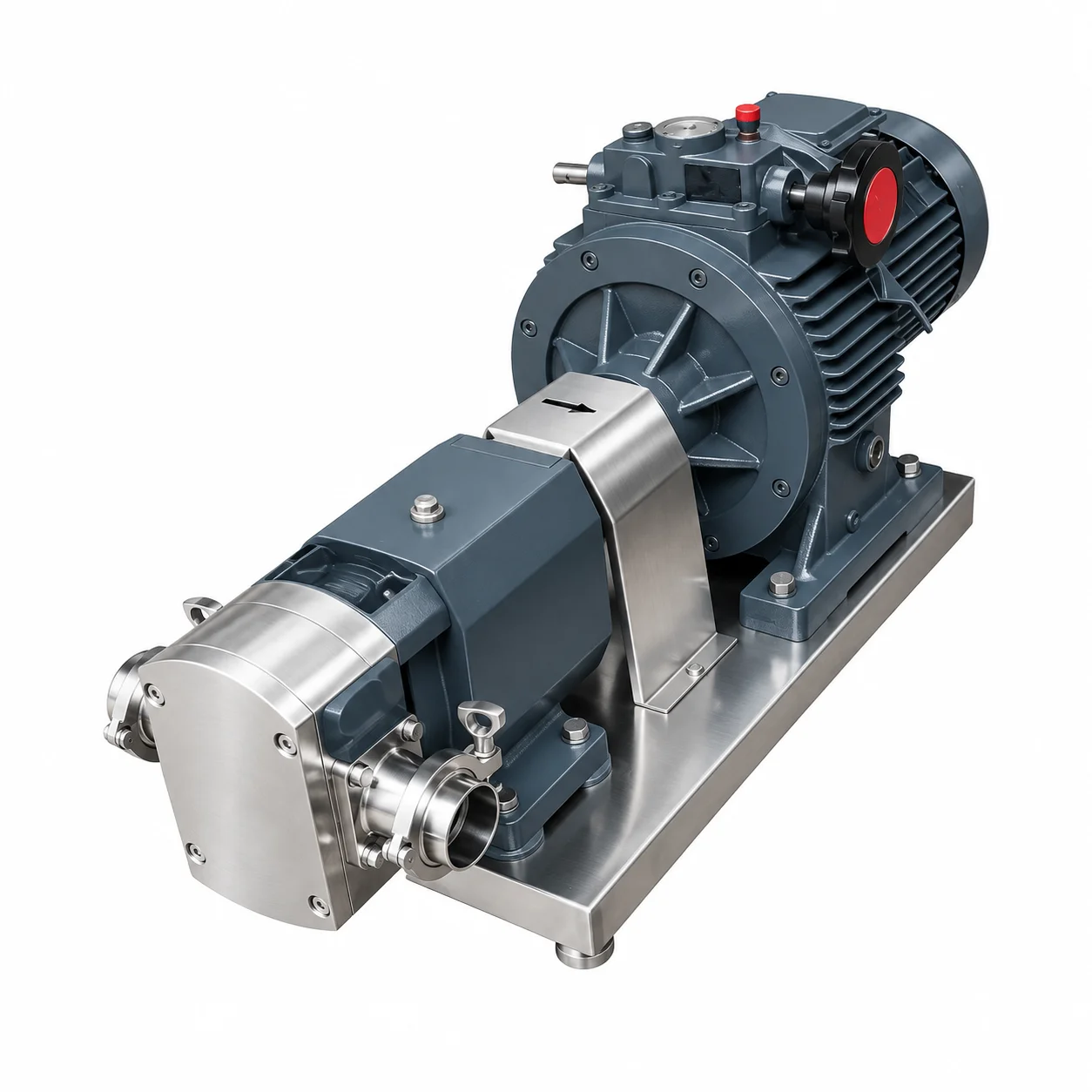
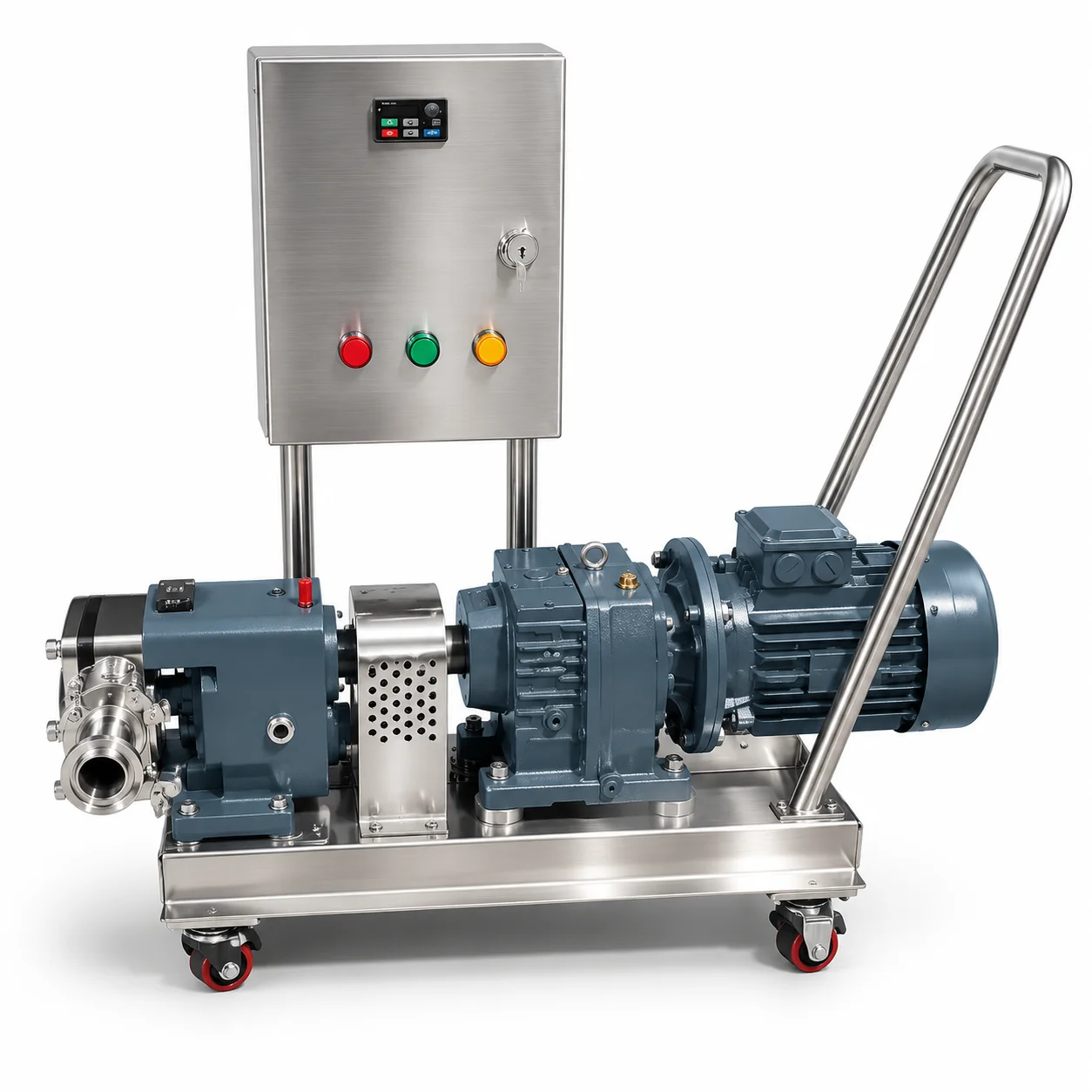
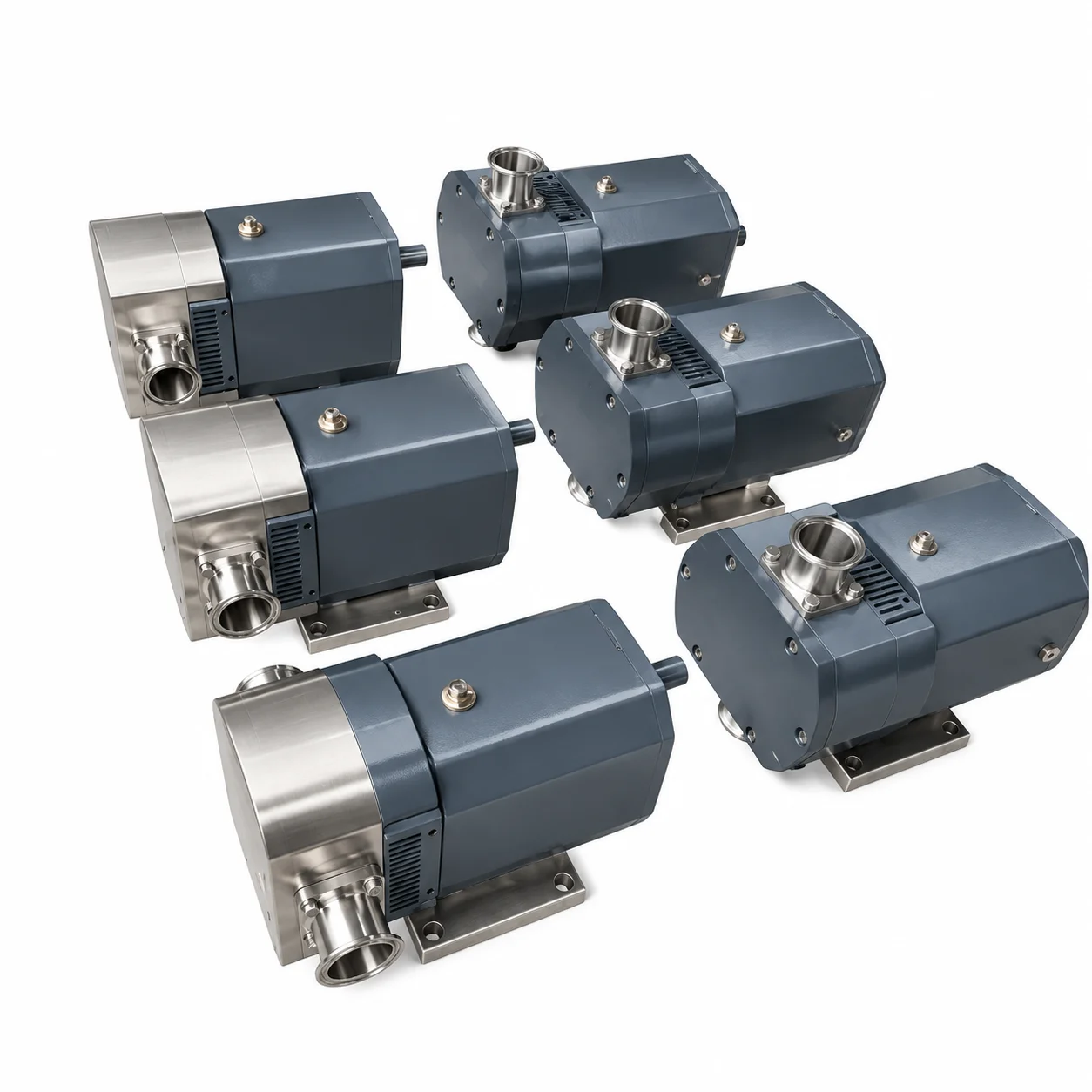
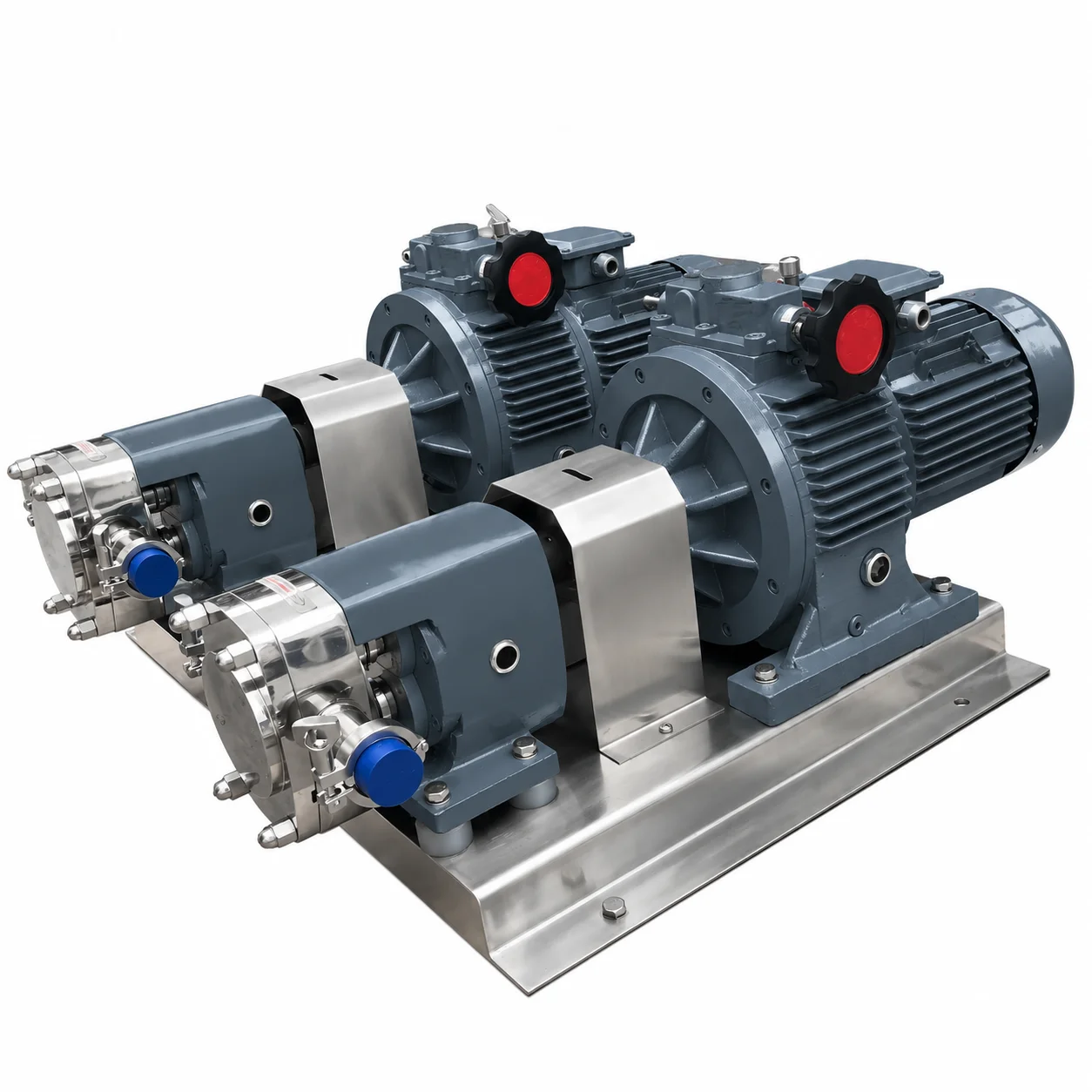
316L Sanitary Rotary Lobe Pump for Honey and Sauces
316L Sanitary Rotary Lobe Pump for Honey and Sauces 原价为:$2,231.57。当前价格为:$1,598.91。
返回产品
Sanitary SS304 Rotary Lobe Pump for Food Processing
Sanitary SS304 Rotary Lobe Pump for Food Processing 原价为:$2,742.35。当前价格为:$1,916.86。

Sanitary 316 SS Rotary Lobe Pump with Heating Jacket

原价为:$2,445.90。当前价格为:$1,663.68。

We have a 316 stainless steel sanitary rotary lobe pump with a heating jacket to move honey, syrup and chocolate, or any other high viscosity product. Based on the temperature of the product you are processing, the flow rate you need, and the limitations of your setup, we can create a custom solution to meet your needs.

库存 100 件

Rotor Optional

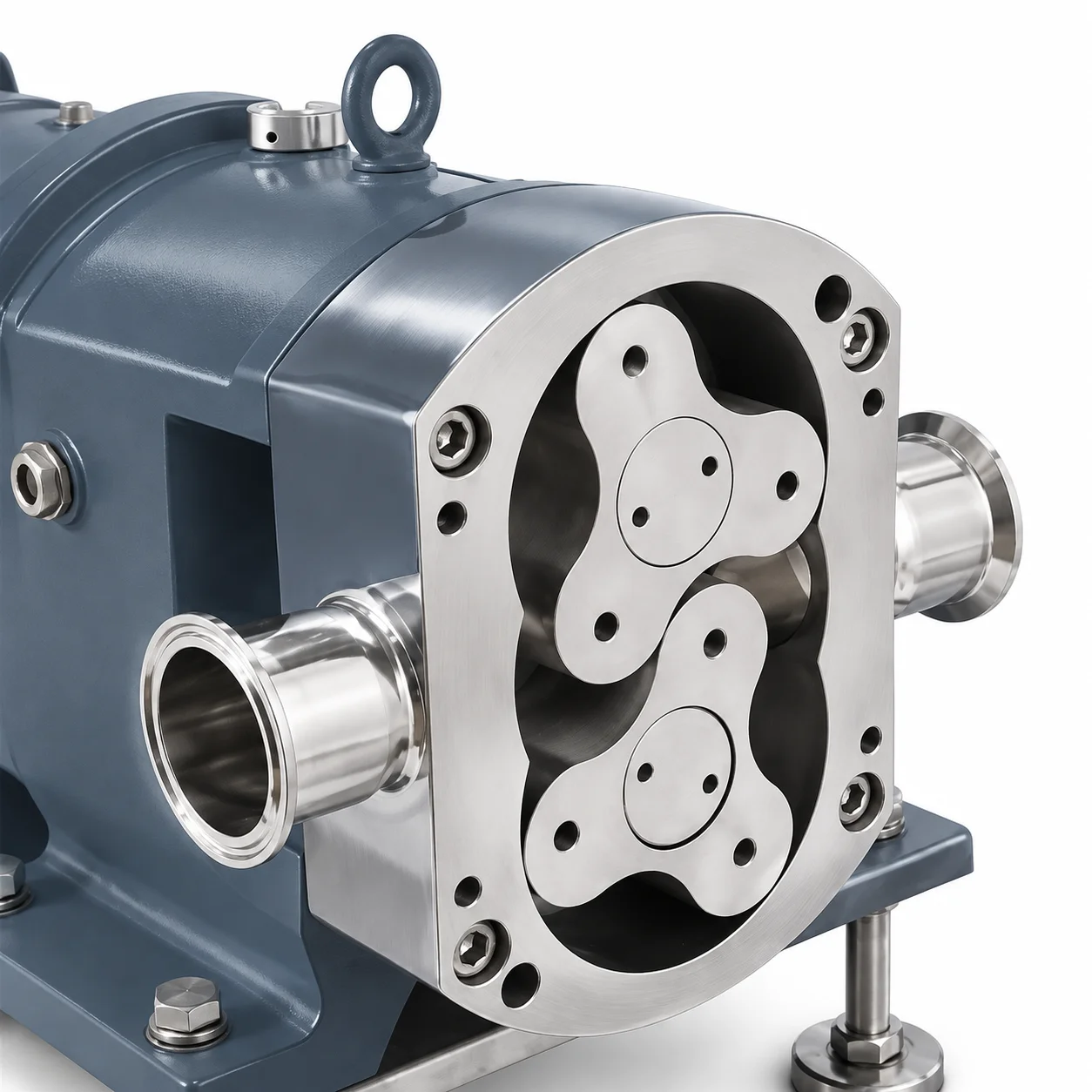
Three-Lobe Rotor

Applicable Liquids:

  • Suitable for creams, liquids and sauces with low, medium and high viscosity, uniform texture and no hard granules.
  • Example: Chocolate, honey, mashed potatoes and ice cream.
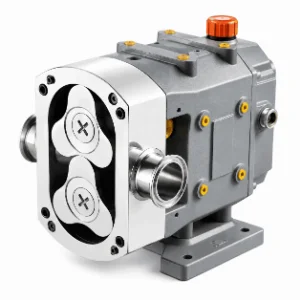
Three-Lobe Rotor

Butterfly Rotor

Applicable Liquids:

  • Suitable for shear-free, non-destructive transfer of soft-grained sauces and small-particle materials.
  • Example: Jam, pulp, juice, jelly and tomato sauce.
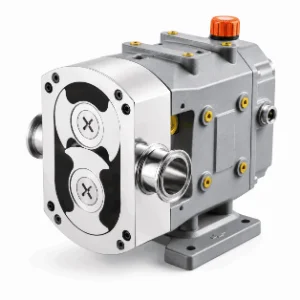
Butterfly Rotor

Single-Lobe Rotor

Applicable Liquids:

  • Suitable for conveying materials containing larger solid particles while maintaining stable transfer.
  • Example: Rock salt, chilli sauce and peanut butter.
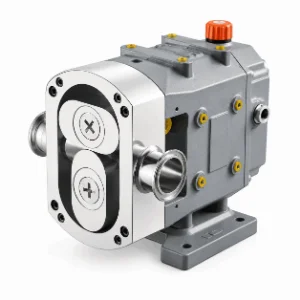
Single-Lobe Rotor

Multi-Lobe Rotor

Applicable Liquids:

  • Suitable for creams, liquids and sauces with low, medium and high viscosity where higher output accuracy and smooth flow are required.
  • Example: Chocolate, honey, cream, yoghurt, butter and grease.
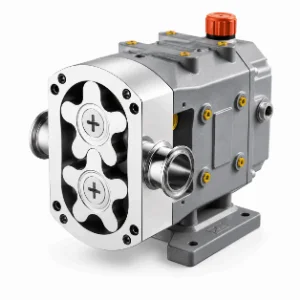
Multi-Lobe Rotor

Parameter Chart

lobe pump Parameter Chart
← Swipe left or right to view all specifications →
Model Flow per
100 Rotation
Power
(kW)
Suggested
RPM
Capacity
(L/H)
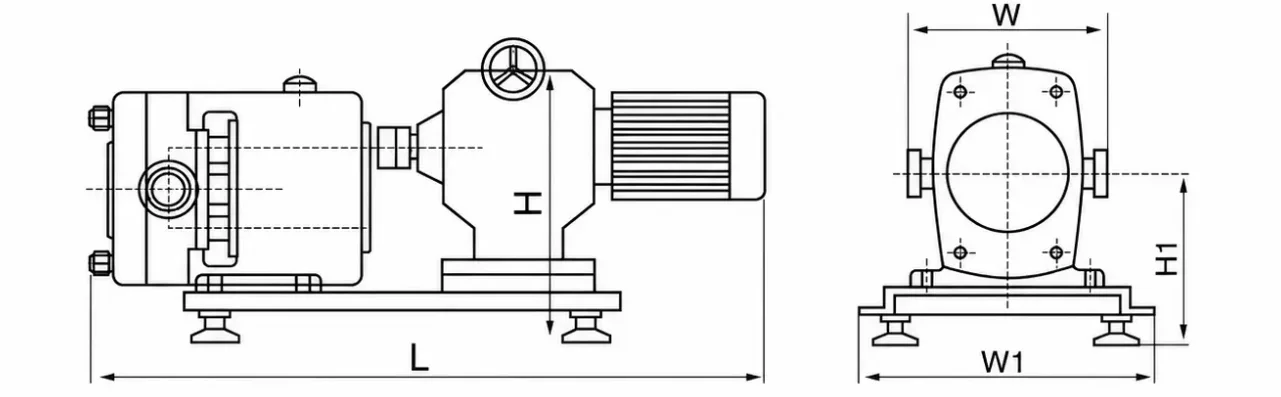
Diameter L H H1 W W1 Connection Type
ZB3A-3 3L 0.55 200-500 300-800 Φ25×1.5 710 290 150 150 240 Clamp / Thread / Flange
ZB3A-6 6L 0.75 200-500 650-1600 Φ25×1.5 780 390 170 190 240 Clamp / Thread / Flange
ZB3A-8 8L 1.5 200-500 850-2160 Φ38×1.5 850 400 170 190 280 Clamp / Thread / Flange
ZB3A-12 12L 2.2 200-500 1300-3200 Φ38×1.5 980 450 185 220 330 Clamp / Thread / Flange
ZB3A-20 20L 3 200-500 2100-5400 Φ38×1.5 1000 450 190 250 330 Clamp / Thread / Flange
ZB3A-30 30L 4 200-500 3200-6400 Φ50.8×1.5 1050 480 220 270 350 Clamp / Thread / Flange
ZB3A-36 36L 4 200-400 3800-7600 Φ50.8×1.5 1100 490 220 270 360 Clamp / Thread / Flange
ZB3A-52 52L 5.5 200-400 5600-11000 Φ63×1.5 1250 580 260 270 480 Clamp / Thread / Flange
ZB3A-66 66L 7.5 200-400 7100-14000 Φ76×1.5 1350 600 260 270 480 Clamp / Thread / Flange
ZB3A-78 78L 7.5 200-400 9000-18000 Φ76×1.5 1260 600 295 370 480 Clamp / Thread / Flange
ZB3A-100 100L 11 200-400 11000-22000 Φ76×2 1320 670 295 370 480 Clamp / Thread / Flange
ZB3A-135 135L 15 200-400 15000-30000 Φ89×2 1500 670 295 370 480 Clamp / Thread / Flange
ZB3A-160 160L 18.5 200-400 17000-34000 Φ102×3 1500 720 320 420 560 Clamp / Thread / Flange
ZB3A-200 200L 22 200-400 21600-43000 Φ102×3 1500 720 320 420 560 Clamp / Thread / Flange
ZB3A-300 300L 30 200-400 32400-64800 Φ125×3 1650 800 400 480 620 Clamp / Thread / Flange
ZB3A-400 400L 37 200-400 43200-86400 Φ150×3 1700 800 400 480 620 Clamp / Thread / Flange
Dimensions are shown as L / H / H1 / W / W1. On mobile, you can swipe horizontally to view the full table.

Our sanitary rotary lobe pump is designed to move thick products such as chocolate, honey and syrup to different processing and filling equipment. The pump body is jacketed to allow process heat to be transferred to the pump body to reduce the chance of product in the pump becoming solid.

Two counter rotating lobes are synchronized by gears to draw product into the pump. The lobes transfer the product to the outlet of the pump. For thick products, the outlet may not always be completely full resulting in lower flow rates. To ensure adequate product is moved to the inlet of the pump, the speed of the rotor should be adjusted to suit the product being transported.

The heating jacket is useful to maintain the viscosity of the product to a pourable state as it is transferred through the pump. We have utilized this pump to transfer honey to a filling machine and to move syrup from one location to another in the processing line. Idle product lines may result in the product solidifying. In these situations we recommend that the line be purged prior to restarting the pump.

Heat cannot be introduced to the transfer line, so the product will cool during transfer.

Chocolate Line

Heat jackets are sometimes placed on transfer lines to prevent cooling of the chocolate. The jacket should be used to heat the chocolate to the desired temperature prior to transfer. Once the jacket is applied, downstream controls must be used to manage the temperature and temper of the chocolate.

Product Scope and Technical Details:

Type of pump: Sanitary rotary lobe.
Material of construction: 316 stainless steel.
Thermal feature: Heating jacket.
Products to be pumped: High viscosity chocolate, syrup and honey.

We welcome OEM and ODM requests to manufacture this pump.

Differential pressure, flow and speed of the pump need to be adjusted to accommodate the process.

Prior to use, check the seals to be used and confirm the standards of connections to the process.

Why use a jacketed pump for this application?

Pumps tend to retain the product being transferred and can take a long time to purge with the next batch. Because of this, jacketed pumps with drive and controls integrated into the system are used to precondition the pump prior to use to ensure the chocolate is fluid and flowable.

To ensure the best fit for OEM and ODM projects, we evaluate the mounting envelope to determine the best orientation of the connection to the skid. We also evaluate access to seals and service parts to determine how easy it will be for the customer to perform maintenance on the pump.

To size the pump for a given application, we consider the expected flow rate, the difference in pressure across the pump and the viscosity of the fluid to be pumped at the operating temperature of the pump and at the lowest temperature at which it will be started up.

Other considerations include the elevation of the pump with respect to the liquid level in the tank, the length and diameter of the suction pipe, and any restriction in the pipe that would affect the flow to the pump.

We also evaluate the temperature of the fluid to be pumped to determine compatibility with the materials and seals used in the pump. For a positive displacement pump, back pressure can build up and result in failure of the pump. Therefore it is important to provide adequate over pressure protection on the discharge line.

From the information provided it appears that the pump would be capable of transferring all three products.

If the products are transfered at different temperatures, a given configuration could probably not be used to transfer all three products.

We examine each product’s characteristics, including viscosity and temperature limits to determine the optimal product for your application. We review the process to clean the equipment and changeover between products to determine allergen control measures, if necessary.

What type of medium does the jacket use to transfer heat?

Prior to connection to the plant utility we verify the medium and connection details and evaluate the jacket pressure and temperature limits.

How do you determine the pump’s flow rate and motor power?

Depending on the temperature and pressure differences across the pump, we determine the torque and power of the motor required to restart the pump.

Is the pump cleanable in place?

The design, size and orientation of the pump body impacts its cleanability. We assess the cleaning process to determine if the pump is cleanable in place.

Does use of 316 stainless steel of a component of the pump system indicate that the system is designed to sanitary standards?

To confirm the level of sanitation required by your facility is met, please include that information in your request as well.

To receive a quote for a system, provide your estimated flow rate and temperatures of the product to be pumped as well as the maximum pressure of the discharge. Also indicate the connection type required. If you are sourcing pumps for an OEM skid system, include a drawing to identify the utility you wish the pump to be heated with.


描述

Our sanitary rotary lobe pump is designed to move thick products such as chocolate, honey and syrup to different processing and filling equipment. The pump body is jacketed to allow process heat to be transferred to the pump body to reduce the chance of product in the pump becoming solid.

Two counter rotating lobes are synchronized by gears to draw product into the pump. The lobes transfer the product to the outlet of the pump. For thick products, the outlet may not always be completely full resulting in lower flow rates. To ensure adequate product is moved to the inlet of the pump, the speed of the rotor should be adjusted to suit the product being transported.

The heating jacket is useful to maintain the viscosity of the product to a pourable state as it is transferred through the pump. We have utilized this pump to transfer honey to a filling machine and to move syrup from one location to another in the processing line. Idle product lines may result in the product solidifying. In these situations we recommend that the line be purged prior to restarting the pump.

Heat cannot be introduced to the transfer line, so the product will cool during transfer.

Chocolate Line

Heat jackets are sometimes placed on transfer lines to prevent cooling of the chocolate. The jacket should be used to heat the chocolate to the desired temperature prior to transfer. Once the jacket is applied, downstream controls must be used to manage the temperature and temper of the chocolate.

Product Scope and Technical Details:

Type of pump: Sanitary rotary lobe.
Material of construction: 316 stainless steel.
Thermal feature: Heating jacket.
Products to be pumped: High viscosity chocolate, syrup and honey.

We welcome OEM and ODM requests to manufacture this pump.

Differential pressure, flow and speed of the pump need to be adjusted to accommodate the process.

Prior to use, check the seals to be used and confirm the standards of connections to the process.

Why use a jacketed pump for this application?

Pumps tend to retain the product being transferred and can take a long time to purge with the next batch. Because of this, jacketed pumps with drive and controls integrated into the system are used to precondition the pump prior to use to ensure the chocolate is fluid and flowable.

To ensure the best fit for OEM and ODM projects, we evaluate the mounting envelope to determine the best orientation of the connection to the skid. We also evaluate access to seals and service parts to determine how easy it will be for the customer to perform maintenance on the pump.

To size the pump for a given application, we consider the expected flow rate, the difference in pressure across the pump and the viscosity of the fluid to be pumped at the operating temperature of the pump and at the lowest temperature at which it will be started up.

Other considerations include the elevation of the pump with respect to the liquid level in the tank, the length and diameter of the suction pipe, and any restriction in the pipe that would affect the flow to the pump.

We also evaluate the temperature of the fluid to be pumped to determine compatibility with the materials and seals used in the pump. For a positive displacement pump, back pressure can build up and result in failure of the pump. Therefore it is important to provide adequate over pressure protection on the discharge line.

From the information provided it appears that the pump would be capable of transferring all three products.

If the products are transfered at different temperatures, a given configuration could probably not be used to transfer all three products.

We examine each product’s characteristics, including viscosity and temperature limits to determine the optimal product for your application. We review the process to clean the equipment and changeover between products to determine allergen control measures, if necessary.

What type of medium does the jacket use to transfer heat?

Prior to connection to the plant utility we verify the medium and connection details and evaluate the jacket pressure and temperature limits.

How do you determine the pump’s flow rate and motor power?

Depending on the temperature and pressure differences across the pump, we determine the torque and power of the motor required to restart the pump.

Is the pump cleanable in place?

The design, size and orientation of the pump body impacts its cleanability. We assess the cleaning process to determine if the pump is cleanable in place.

Does use of 316 stainless steel of a component of the pump system indicate that the system is designed to sanitary standards?

To confirm the level of sanitation required by your facility is met, please include that information in your request as well.

To receive a quote for a system, provide your estimated flow rate and temperatures of the product to be pumped as well as the maximum pressure of the discharge. Also indicate the connection type required. If you are sourcing pumps for an OEM skid system, include a drawing to identify the utility you wish the pump to be heated with.

Shipping and Delivery

MAECENAS IACULIS

Vestibulum curae torquent diam diam commodo parturient penatibus nunc dui adipiscing convallis bulum parturient suspendisse parturient a.Parturient in parturient scelerisque nibh lectus quam a natoque adipiscing a vestibulum hendrerit et pharetra fames nunc natoque dui.

ADIPISCING CONVALLIS BULUM

  • Vestibulum penatibus nunc dui adipiscing convallis bulum parturient suspendisse.
  • Abitur parturient praesent lectus quam a natoque adipiscing a vestibulum hendre.
  • Diam parturient dictumst parturient scelerisque nibh lectus.

Scelerisque adipiscing bibendum sem vestibulum et in a a a purus lectus faucibus lobortis tincidunt purus lectus nisl class eros.Condimentum a et ullamcorper dictumst mus et tristique elementum nam inceptos hac parturient scelerisque vestibulum amet elit ut volutpat.