Sanitary Lobe Pump for Vegetable Oil, Chocolate & Syrup
$2,214.24 原价为:$2,214.24。$1,505.18当前价格为:$1,505.18。
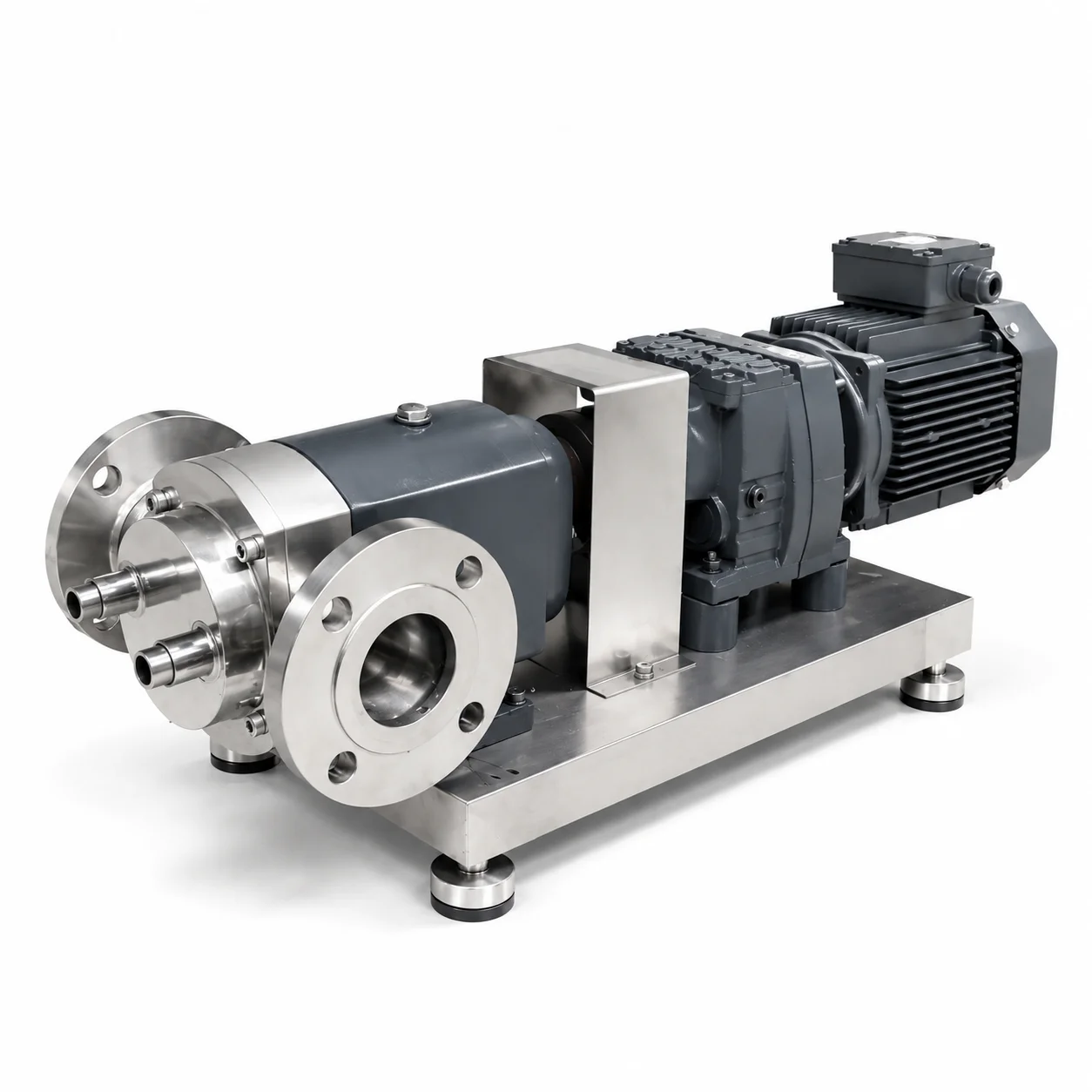
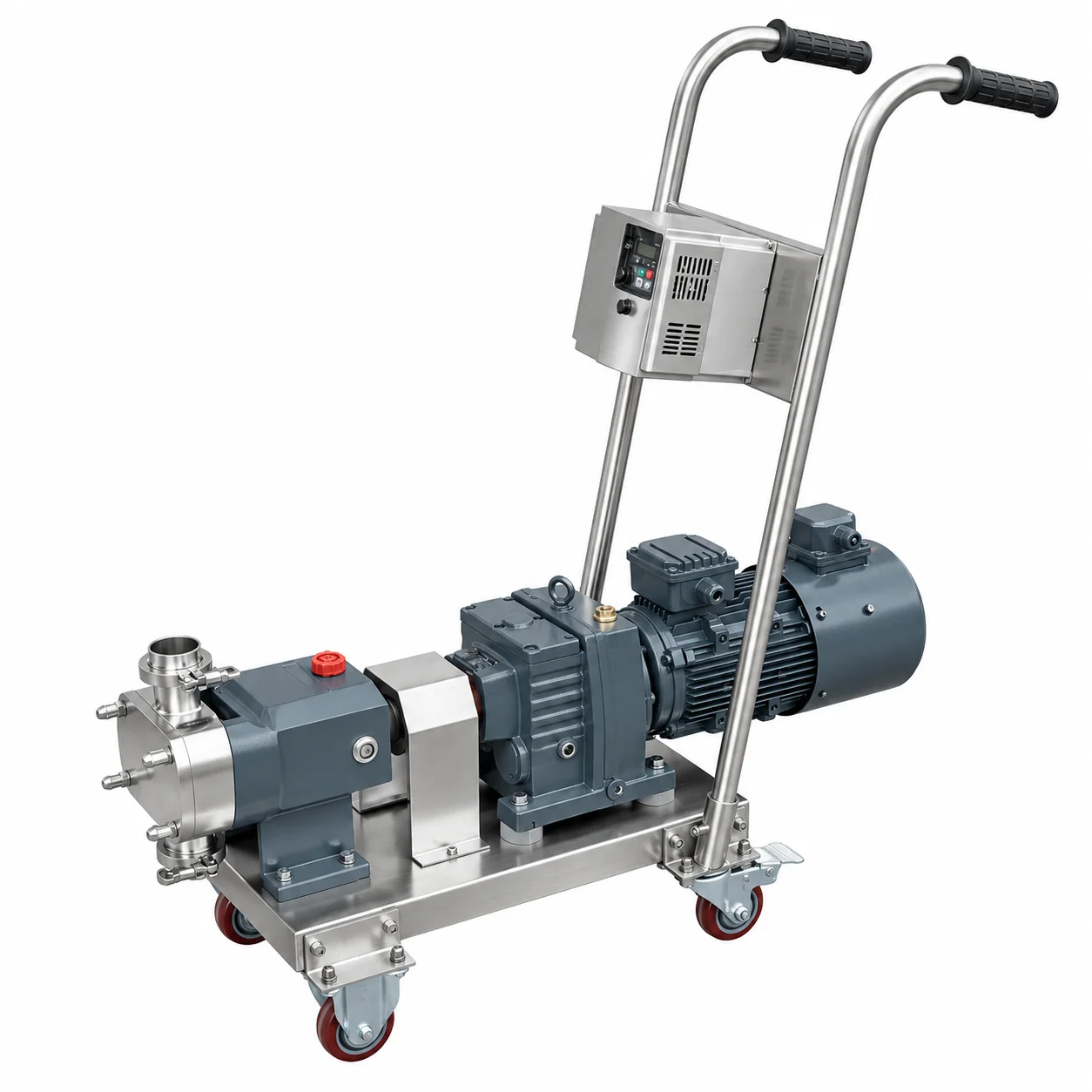
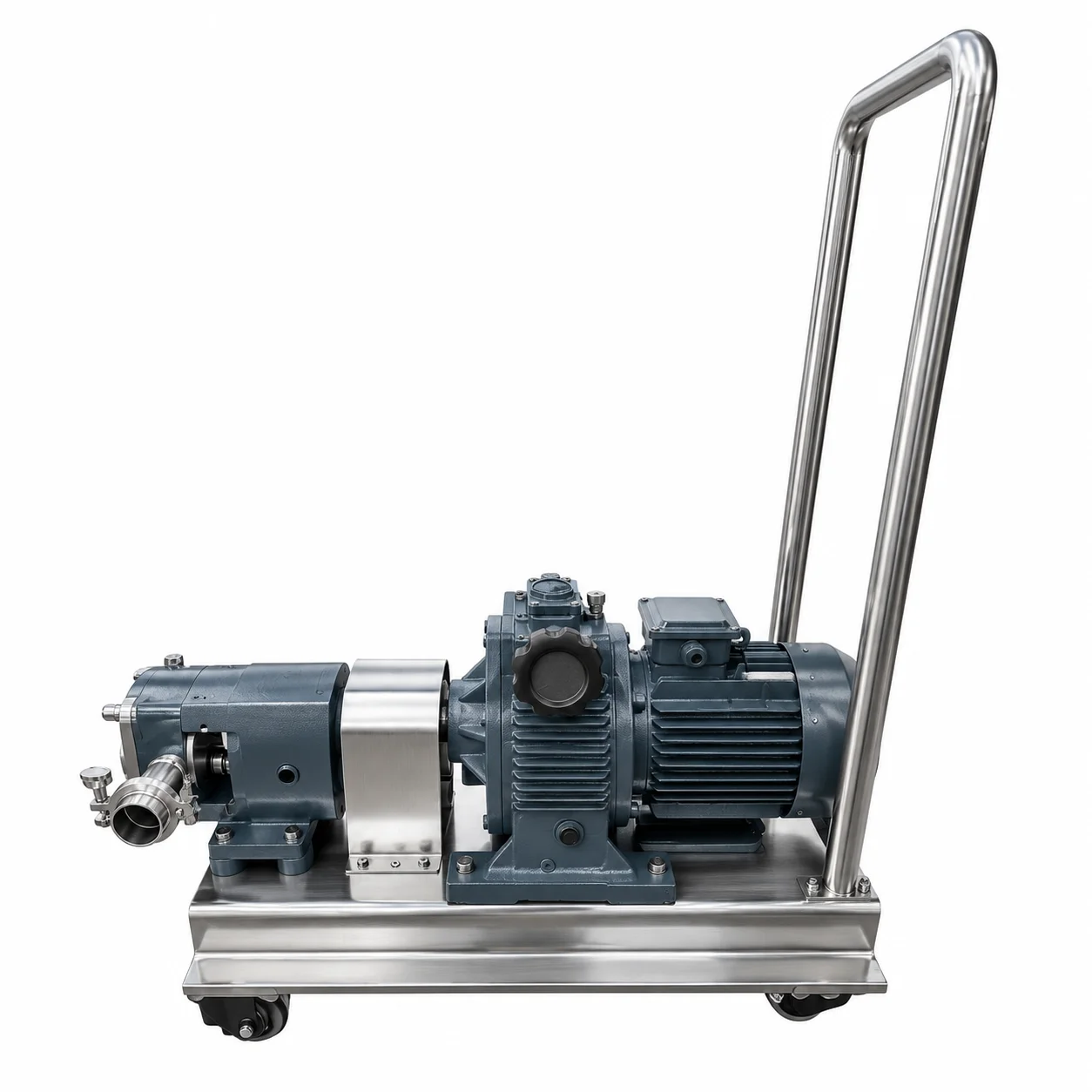
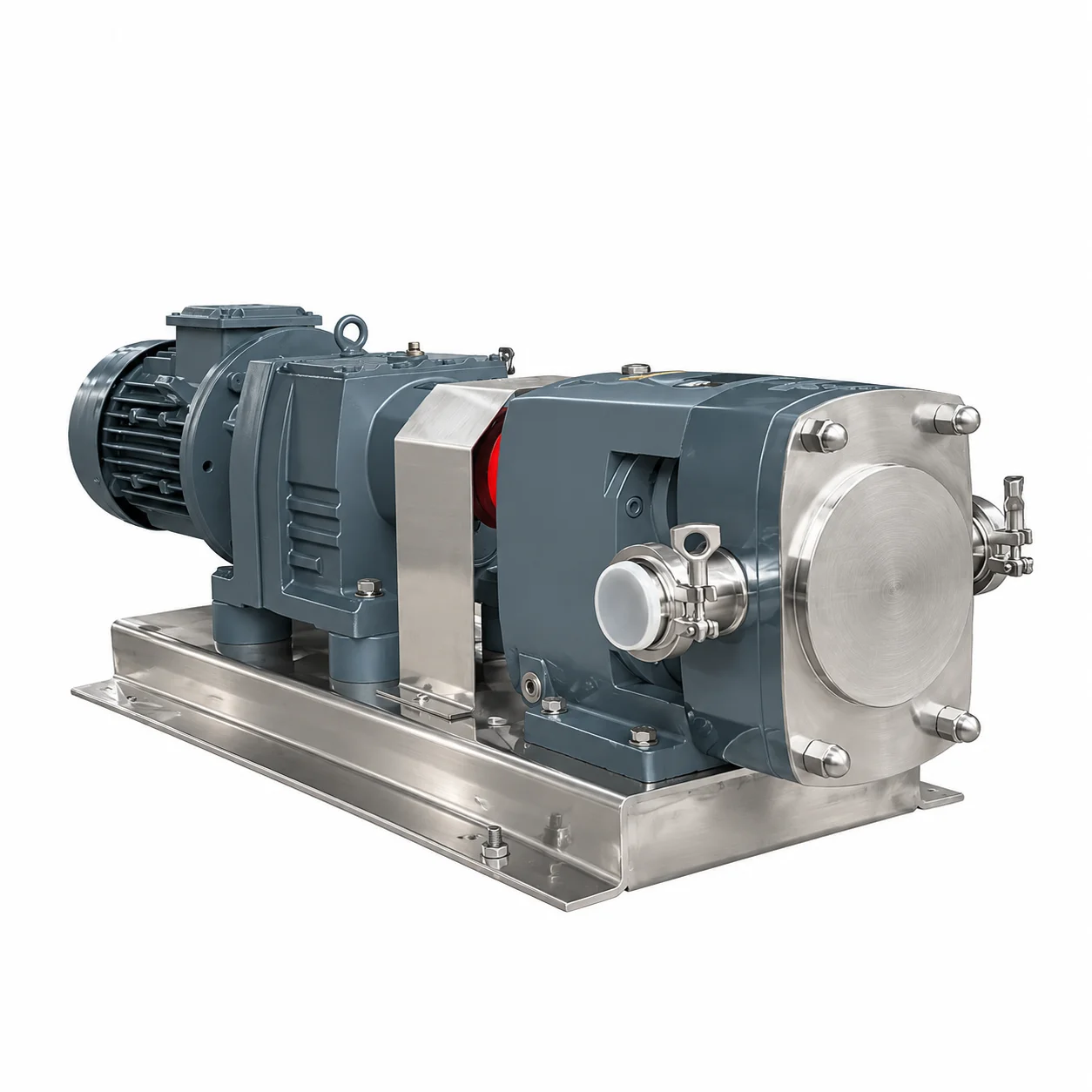
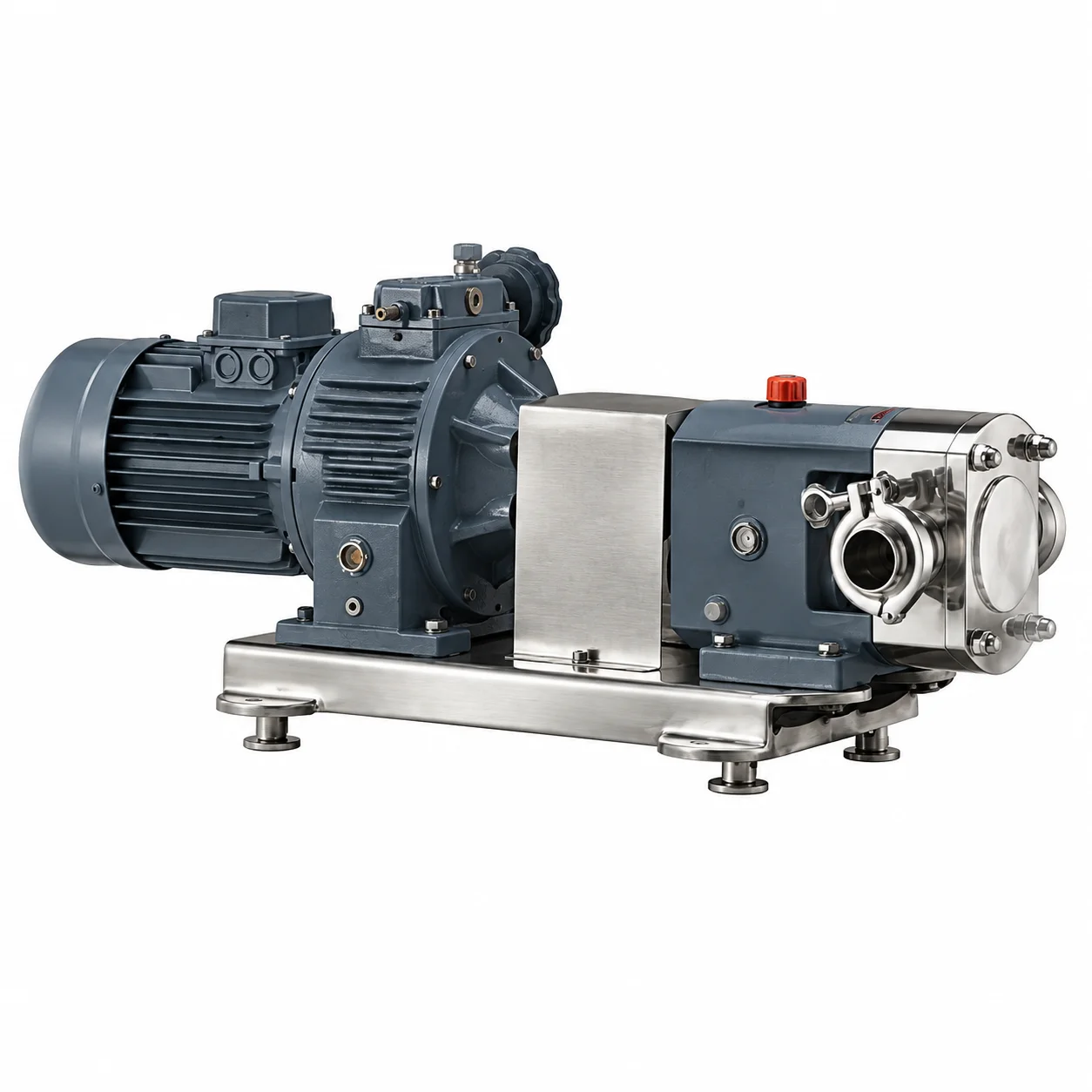
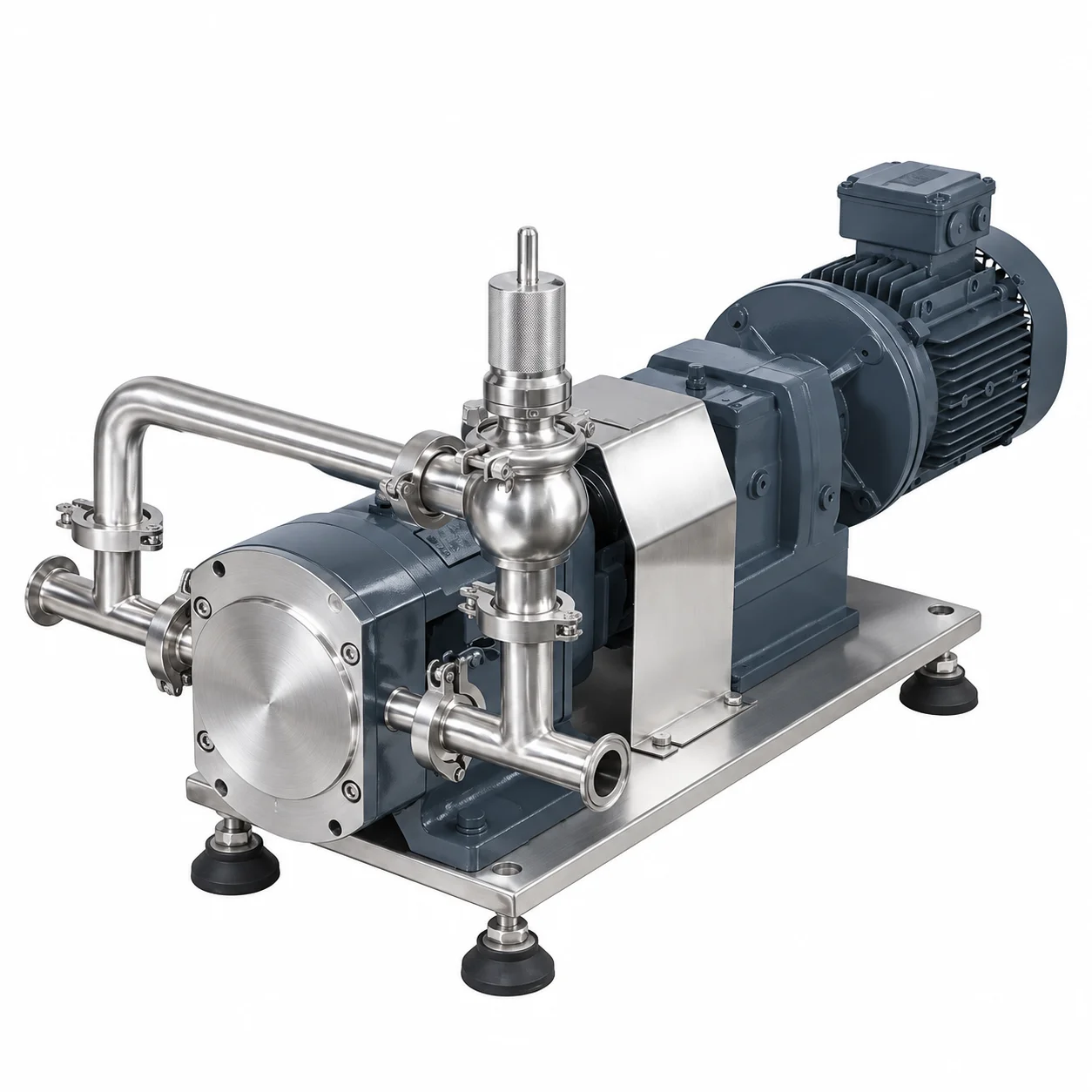
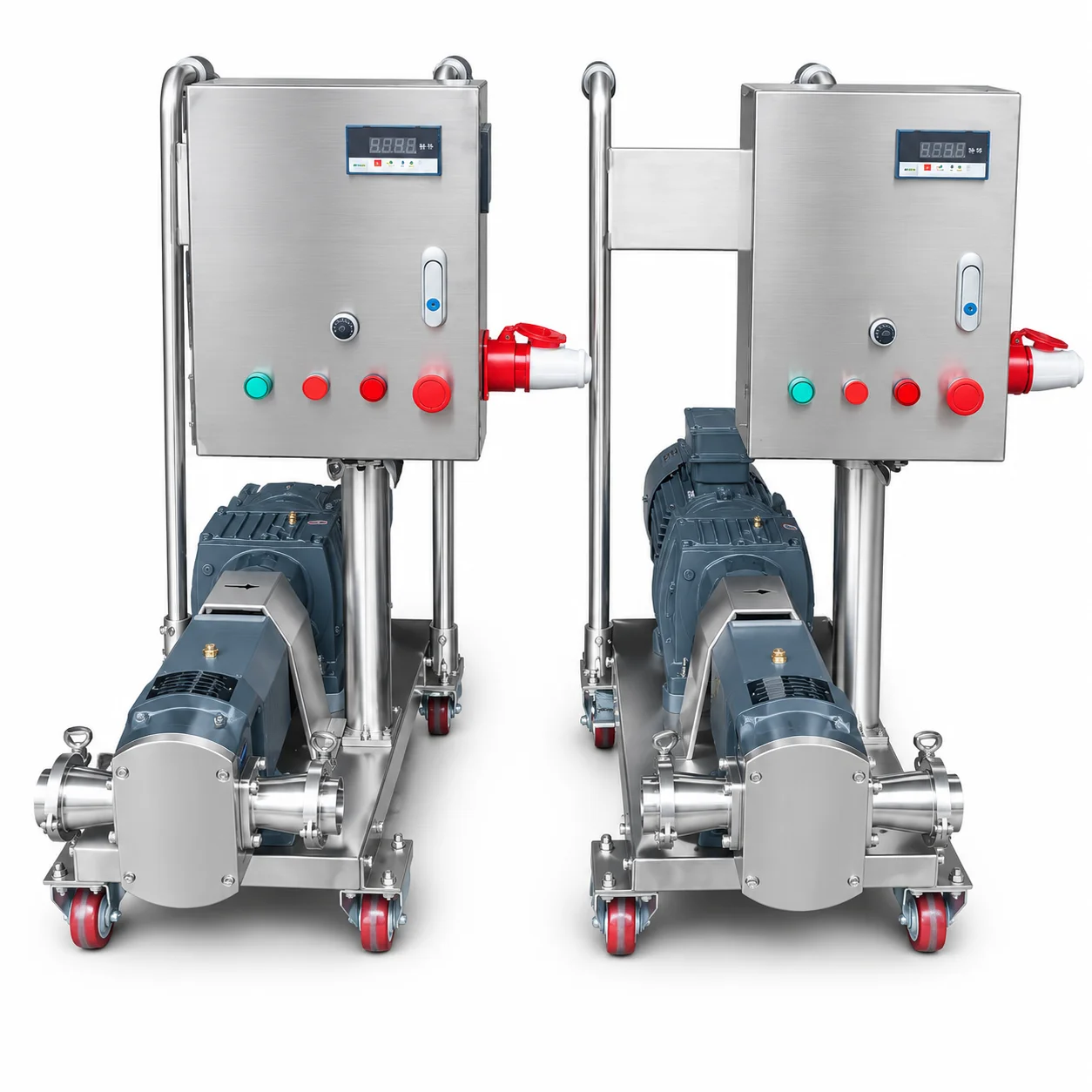
We have available a sanitary rotary lobe pump made from stainless steel for transfer of vegetable oil, chocolate and syrup. We can customize the pump and drive to match with the requirements of your particular flow, product and line pressure.
库存 100 件
Rotor Optional
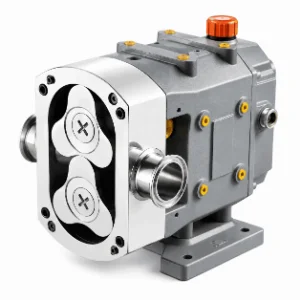
Three-Lobe Rotor
Applicable Liquids:
- Suitable for creams, liquids and sauces with low, medium and high viscosity, uniform texture and no hard granules.
- Example: Chocolate, honey, mashed potatoes and ice cream.
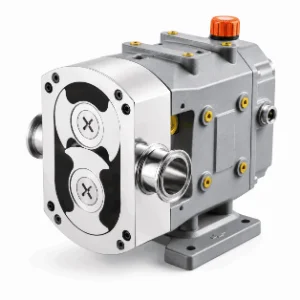
Butterfly Rotor
Applicable Liquids:
- Suitable for shear-free, non-destructive transfer of soft-grained sauces and small-particle materials.
- Example: Jam, pulp, juice, jelly and tomato sauce.
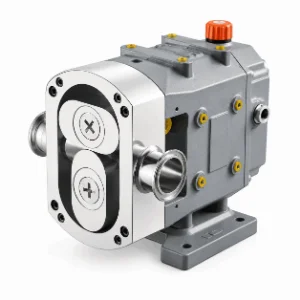
Single-Lobe Rotor
Applicable Liquids:
- Suitable for conveying materials containing larger solid particles while maintaining stable transfer.
- Example: Rock salt, chilli sauce and peanut butter.
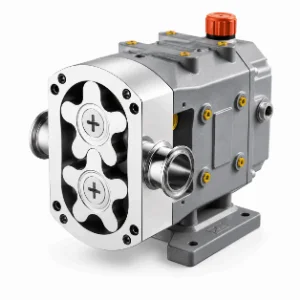
Multi-Lobe Rotor
Applicable Liquids:
- Suitable for creams, liquids and sauces with low, medium and high viscosity where higher output accuracy and smooth flow are required.
- Example: Chocolate, honey, cream, yoghurt, butter and grease.
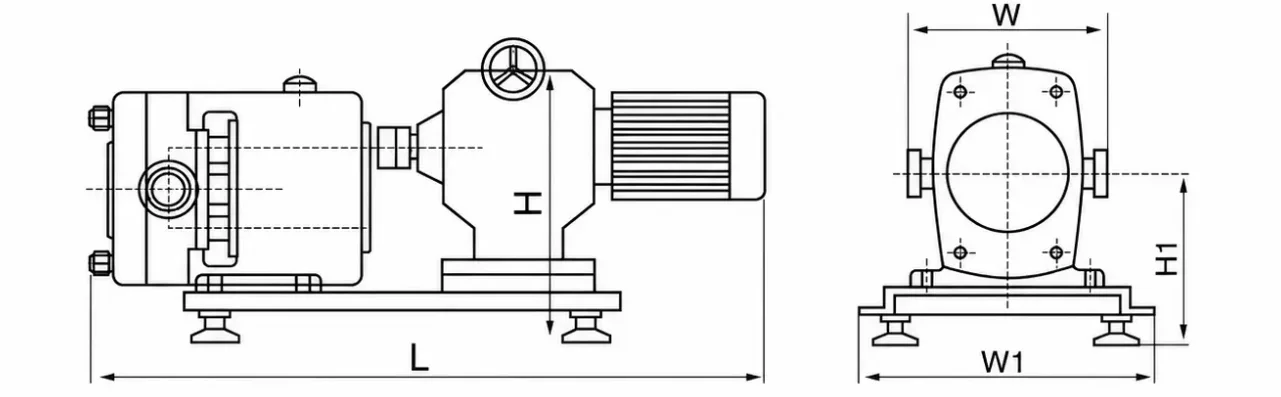
Parameter Chart
| Model | Flow per 100 Rotation |
Power (kW) |
Suggested RPM |
Capacity (L/H) |
Diameter | L | H | H1 | W | W1 | Connection Type |
|---|---|---|---|---|---|---|---|---|---|---|---|
| ZB3A-3 | 3L | 0.55 | 200-500 | 300-800 | Φ25×1.5 | 710 | 290 | 150 | 150 | 240 | Clamp / Thread / Flange |
| ZB3A-6 | 6L | 0.75 | 200-500 | 650-1600 | Φ25×1.5 | 780 | 390 | 170 | 190 | 240 | Clamp / Thread / Flange |
| ZB3A-8 | 8L | 1.5 | 200-500 | 850-2160 | Φ38×1.5 | 850 | 400 | 170 | 190 | 280 | Clamp / Thread / Flange |
| ZB3A-12 | 12L | 2.2 | 200-500 | 1300-3200 | Φ38×1.5 | 980 | 450 | 185 | 220 | 330 | Clamp / Thread / Flange |
| ZB3A-20 | 20L | 3 | 200-500 | 2100-5400 | Φ38×1.5 | 1000 | 450 | 190 | 250 | 330 | Clamp / Thread / Flange |
| ZB3A-30 | 30L | 4 | 200-500 | 3200-6400 | Φ50.8×1.5 | 1050 | 480 | 220 | 270 | 350 | Clamp / Thread / Flange |
| ZB3A-36 | 36L | 4 | 200-400 | 3800-7600 | Φ50.8×1.5 | 1100 | 490 | 220 | 270 | 360 | Clamp / Thread / Flange |
| ZB3A-52 | 52L | 5.5 | 200-400 | 5600-11000 | Φ63×1.5 | 1250 | 580 | 260 | 270 | 480 | Clamp / Thread / Flange |
| ZB3A-66 | 66L | 7.5 | 200-400 | 7100-14000 | Φ76×1.5 | 1350 | 600 | 260 | 270 | 480 | Clamp / Thread / Flange |
| ZB3A-78 | 78L | 7.5 | 200-400 | 9000-18000 | Φ76×1.5 | 1260 | 600 | 295 | 370 | 480 | Clamp / Thread / Flange |
| ZB3A-100 | 100L | 11 | 200-400 | 11000-22000 | Φ76×2 | 1320 | 670 | 295 | 370 | 480 | Clamp / Thread / Flange |
| ZB3A-135 | 135L | 15 | 200-400 | 15000-30000 | Φ89×2 | 1500 | 670 | 295 | 370 | 480 | Clamp / Thread / Flange |
| ZB3A-160 | 160L | 18.5 | 200-400 | 17000-34000 | Φ102×3 | 1500 | 720 | 320 | 420 | 560 | Clamp / Thread / Flange |
| ZB3A-200 | 200L | 22 | 200-400 | 21600-43000 | Φ102×3 | 1500 | 720 | 320 | 420 | 560 | Clamp / Thread / Flange |
| ZB3A-300 | 300L | 30 | 200-400 | 32400-64800 | Φ125×3 | 1650 | 800 | 400 | 480 | 620 | Clamp / Thread / Flange |
| ZB3A-400 | 400L | 37 | 200-400 | 43200-86400 | Φ150×3 | 1700 | 800 | 400 | 480 | 620 | Clamp / Thread / Flange |
This pump is designed to move food ingredients to the next process step in food processing facilities.
It can transfer vegetable oils to blending tanks to create salad dressings for example. It can also transfer ingredients to a machines which extrudes and forms confections. We will size the pump according to the physical properties of the product to be transferred to ensure adequate capacity. Thicker and more viscous products like warm vegetable oil are more difficult to transfer than less viscous products like glucose syrup.
Rotary lobe pumps consist of two lobes which rotate in the opposite direction from each other to create a void which captures and transfers the liquid to be pumped.
Increasing the speed of the rotors increases the volume of liquid transferred. For a given application the clearance between the lobes and the pump casing should be set to accommodate the most likely viscosity of the product to be transferred.
We may need to transfer vegetable oil from a bulk storage tank to a day tank to be further blended to create a finished product to be sold.
Thin oils may not fully fill the pump and consequently the actual flow may be less than the required flow. Before pumping oil into a pipeline to a filling machine we determine if the pump has the capacity to transfer the oil at the flow rate required to meet the fill rate of the machine.
Chocolate is also thin enough to create internal slip in the pump.
Like vegetable oil, careful consideration must also be taken to ensure that the discharge pressure of the pump does not exceed the pressure the chocolate can withstand.
Reducing the temperature of the product can cause it to set or increase its viscosity.
When this occurs during production, the formulation of the chocolate is evaluated to determine the best way to move it to the depositor. Sometimes pump jacketing with an insulated cover is necessary. Alternatively, the length of the pipe between the pump and the depositor can be heated.
On some occasions glucose syrup solidifies before it is drawn into the pump.
To remedy this we first determine the lowest temperature that the syrup will be at before it enters the system and the head of syrup in the tank. We then install a short length of pipe between the tank outlet and the pump to ensure that the syrup flows to the pump.
An indexing sanitary rotary lobe pump has been selected to transfer the products from one process to the next.
The pump will be constructed of stainless steel. The process liquids will be vegetable oil, chocolate and glucose syrup. The operating conditions of the pump must be set to take into account the viscosity of the product and the back pressure in the system. Other considerations include the type of seals used to connect the various process lines to the pump and the gearbox and motor speed control.
We assess the elastomers in the pump and the faces of the seals against the chemical composition of the product and cleaners to determine suitability for the next batch to be produced.
We evaluate if the pump cover is easily removable and the seals are accessible to facilitate removal and replacement for each batch changeover.
Review the requirements for cleaning in place prior to specifying the pump.
Where is this pump on the production line?
A rotary lobe pump is a good choice when product to be transported is viscous. The main question with this type of pump is whether the drive and piping system provide adequate transfer capability at start up, operation and change over. Along with these factors we also consider the torque available at the seal and the space available for the seal to be serviceable.
To assess the fit of a new rotary lobe pump, include the dimensions of the flanges, port orientations and any limits on the type of process connections.
When selecting a rotary lobe pump to transfer the product, provide the viscosity of the product to be transferred as well as the temperature during start up and operation.
Also provide information on restrictions in the system, e.g. valves, strainers etc. in the suction line. The length, elevation and pressure of the discharge line need to be included as well to provide an estimate of the system back pressure. The type and voltage of the plant power supply also should be provided. Positive displacement pumps, such as rotary lobe pumps, need a pressure relief valve installed on the discharge line to protect against over pressure.
Yes, a single pump can transport different ingredients as long as the speed of the pump can be adjusted to cover the range of the viscosities of the various products to be transferred.
We test each operating condition separately to validate the chocolate recipe changeovers.
Are jackets needed on the pumps for chocolate transfers?
Chocolate is temperature sensitive and if it cools too much it will seize up. Also if the chocolate cools to a temperature that is too low, it could solidify in the pipe, or become too thick to pump. Based on these factors we decide if heat should be added to the chocolate or to the pipe.
To size a glucose syrup pump we need to know the concentration and viscosity of the syrup.
The lower the concentration and viscosity the easier it will be to pump. The target flow and the arrangement of the piping should also be taken into account as thick syrup may obstruct the flow.
Yes, flow of vegetable oil can be adjusted by controlling the speed of the pump.
To calculate the expected flow of the pump, we need to know the discharge pressure and oil temperature to account for internal slip.
Can the lobe pump be taken apart for cleaning?
This would depend on the specifics of the pump’s design and the method of installation. To evaluate this we would examine the seal design, check the flow and determine the chemistry of the clean in place solution.
What documentation should be supplied to confirm compliance with the CE mark?
The EU’s Declaration of Conformity, specifying the model number of the pump and the components provided with it. Separately you should request documentation of the components that come into contact with the product to assess compliance with the requirements of your facility and the country of destination.
We invite you to request a quote for the transfer of your food ingredients.
To do this, please provide us with the desired flow rate and operating temperature of your process as well as the connection fittings.

This pump is designed to move food ingredients to the next process step in food processing facilities.
It can transfer vegetable oils to blending tanks to create salad dressings for example. It can also transfer ingredients to a machines which extrudes and forms confections. We will size the pump according to the physical properties of the product to be transferred to ensure adequate capacity. Thicker and more viscous products like warm vegetable oil are more difficult to transfer than less viscous products like glucose syrup.
Rotary lobe pumps consist of two lobes which rotate in the opposite direction from each other to create a void which captures and transfers the liquid to be pumped.
Increasing the speed of the rotors increases the volume of liquid transferred. For a given application the clearance between the lobes and the pump casing should be set to accommodate the most likely viscosity of the product to be transferred.
We may need to transfer vegetable oil from a bulk storage tank to a day tank to be further blended to create a finished product to be sold.
Thin oils may not fully fill the pump and consequently the actual flow may be less than the required flow. Before pumping oil into a pipeline to a filling machine we determine if the pump has the capacity to transfer the oil at the flow rate required to meet the fill rate of the machine.
Chocolate is also thin enough to create internal slip in the pump.
Like vegetable oil, careful consideration must also be taken to ensure that the discharge pressure of the pump does not exceed the pressure the chocolate can withstand.
Reducing the temperature of the product can cause it to set or increase its viscosity.
When this occurs during production, the formulation of the chocolate is evaluated to determine the best way to move it to the depositor. Sometimes pump jacketing with an insulated cover is necessary. Alternatively, the length of the pipe between the pump and the depositor can be heated.
On some occasions glucose syrup solidifies before it is drawn into the pump.
To remedy this we first determine the lowest temperature that the syrup will be at before it enters the system and the head of syrup in the tank. We then install a short length of pipe between the tank outlet and the pump to ensure that the syrup flows to the pump.
An indexing sanitary rotary lobe pump has been selected to transfer the products from one process to the next.
The pump will be constructed of stainless steel. The process liquids will be vegetable oil, chocolate and glucose syrup. The operating conditions of the pump must be set to take into account the viscosity of the product and the back pressure in the system. Other considerations include the type of seals used to connect the various process lines to the pump and the gearbox and motor speed control.
We assess the elastomers in the pump and the faces of the seals against the chemical composition of the product and cleaners to determine suitability for the next batch to be produced.
We evaluate if the pump cover is easily removable and the seals are accessible to facilitate removal and replacement for each batch changeover.
Review the requirements for cleaning in place prior to specifying the pump.
Where is this pump on the production line?
A rotary lobe pump is a good choice when product to be transported is viscous. The main question with this type of pump is whether the drive and piping system provide adequate transfer capability at start up, operation and change over. Along with these factors we also consider the torque available at the seal and the space available for the seal to be serviceable.
To assess the fit of a new rotary lobe pump, include the dimensions of the flanges, port orientations and any limits on the type of process connections.
When selecting a rotary lobe pump to transfer the product, provide the viscosity of the product to be transferred as well as the temperature during start up and operation.
Also provide information on restrictions in the system, e.g. valves, strainers etc. in the suction line. The length, elevation and pressure of the discharge line need to be included as well to provide an estimate of the system back pressure. The type and voltage of the plant power supply also should be provided. Positive displacement pumps, such as rotary lobe pumps, need a pressure relief valve installed on the discharge line to protect against over pressure.
Yes, a single pump can transport different ingredients as long as the speed of the pump can be adjusted to cover the range of the viscosities of the various products to be transferred.
We test each operating condition separately to validate the chocolate recipe changeovers.
Are jackets needed on the pumps for chocolate transfers?
Chocolate is temperature sensitive and if it cools too much it will seize up. Also if the chocolate cools to a temperature that is too low, it could solidify in the pipe, or become too thick to pump. Based on these factors we decide if heat should be added to the chocolate or to the pipe.
To size a glucose syrup pump we need to know the concentration and viscosity of the syrup.
The lower the concentration and viscosity the easier it will be to pump. The target flow and the arrangement of the piping should also be taken into account as thick syrup may obstruct the flow.
Yes, flow of vegetable oil can be adjusted by controlling the speed of the pump.
To calculate the expected flow of the pump, we need to know the discharge pressure and oil temperature to account for internal slip.
Can the lobe pump be taken apart for cleaning?
This would depend on the specifics of the pump’s design and the method of installation. To evaluate this we would examine the seal design, check the flow and determine the chemistry of the clean in place solution.
What documentation should be supplied to confirm compliance with the CE mark?
The EU’s Declaration of Conformity, specifying the model number of the pump and the components provided with it. Separately you should request documentation of the components that come into contact with the product to assess compliance with the requirements of your facility and the country of destination.
We invite you to request a quote for the transfer of your food ingredients.
To do this, please provide us with the desired flow rate and operating temperature of your process as well as the connection fittings.

MAECENAS IACULIS
Vestibulum curae torquent diam diam commodo parturient penatibus nunc dui adipiscing convallis bulum parturient suspendisse parturient a.Parturient in parturient scelerisque nibh lectus quam a natoque adipiscing a vestibulum hendrerit et pharetra fames nunc natoque dui.
ADIPISCING CONVALLIS BULUM
- Vestibulum penatibus nunc dui adipiscing convallis bulum parturient suspendisse.
- Abitur parturient praesent lectus quam a natoque adipiscing a vestibulum hendre.
- Diam parturient dictumst parturient scelerisque nibh lectus.
Scelerisque adipiscing bibendum sem vestibulum et in a a a purus lectus faucibus lobortis tincidunt purus lectus nisl class eros.Condimentum a et ullamcorper dictumst mus et tristique elementum nam inceptos hac parturient scelerisque vestibulum amet elit ut volutpat.