Sanitary Stainless Steel Rotor Pump with VFD
$2,102.62 原价为:$2,102.62。$1,502.32当前价格为:$1,502.32。
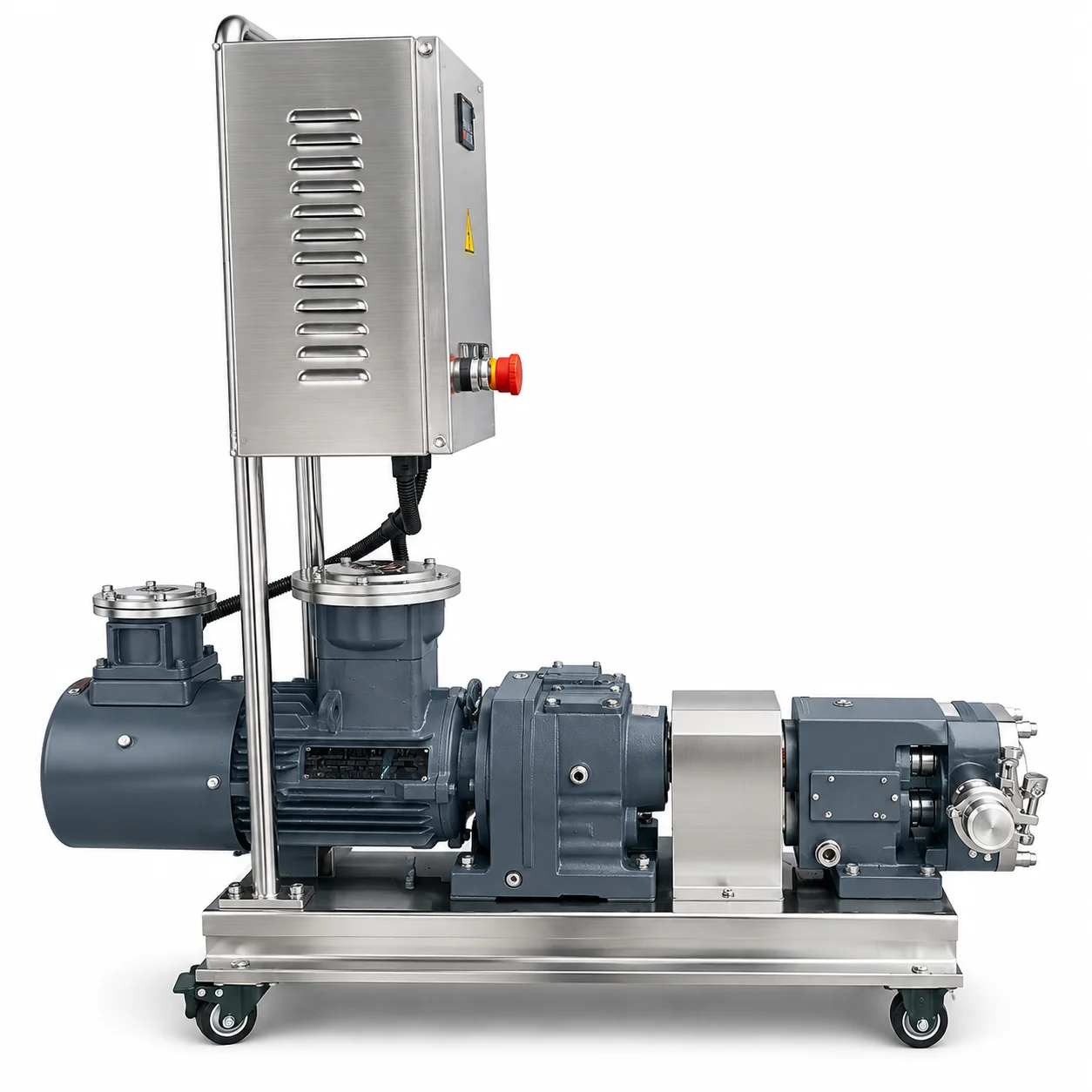
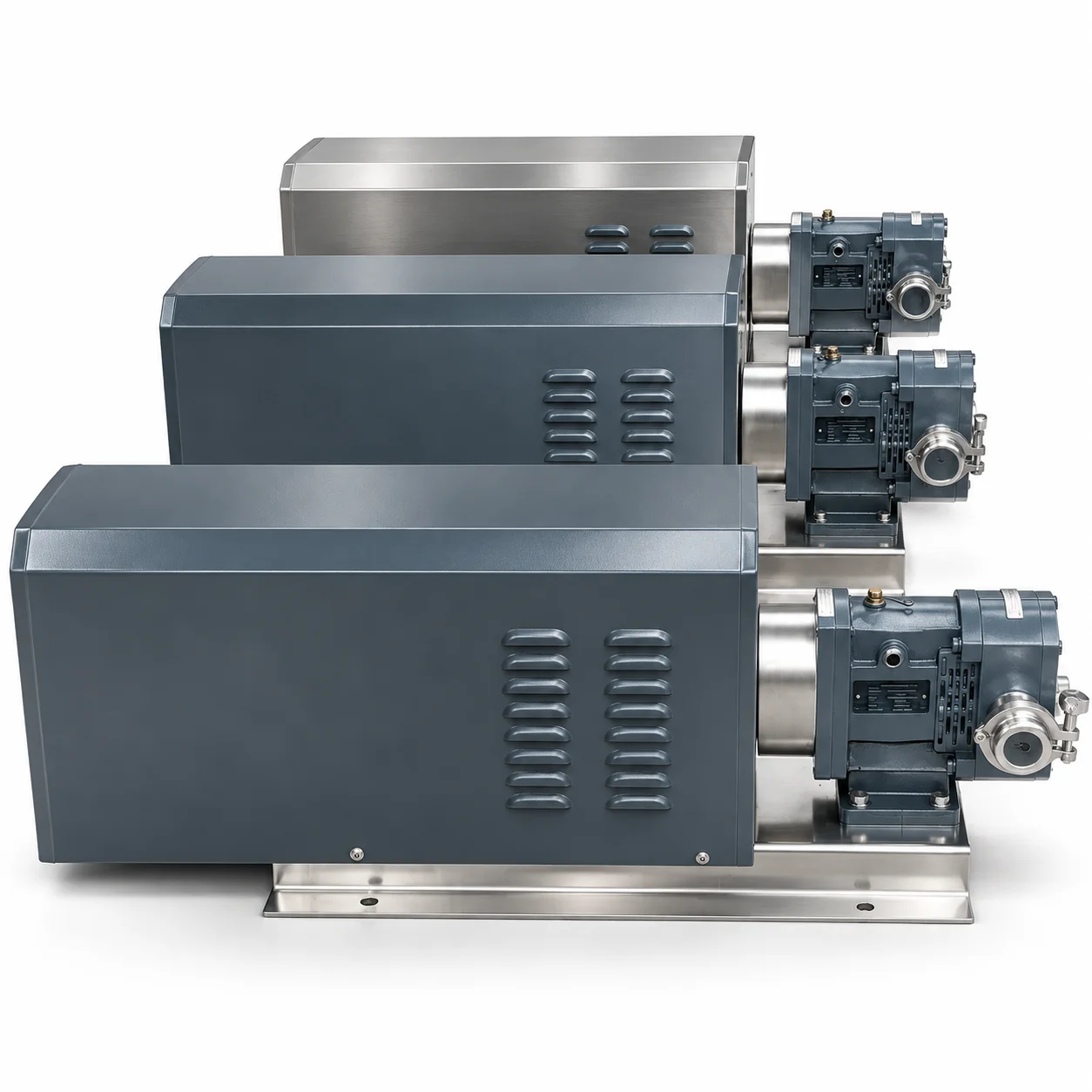
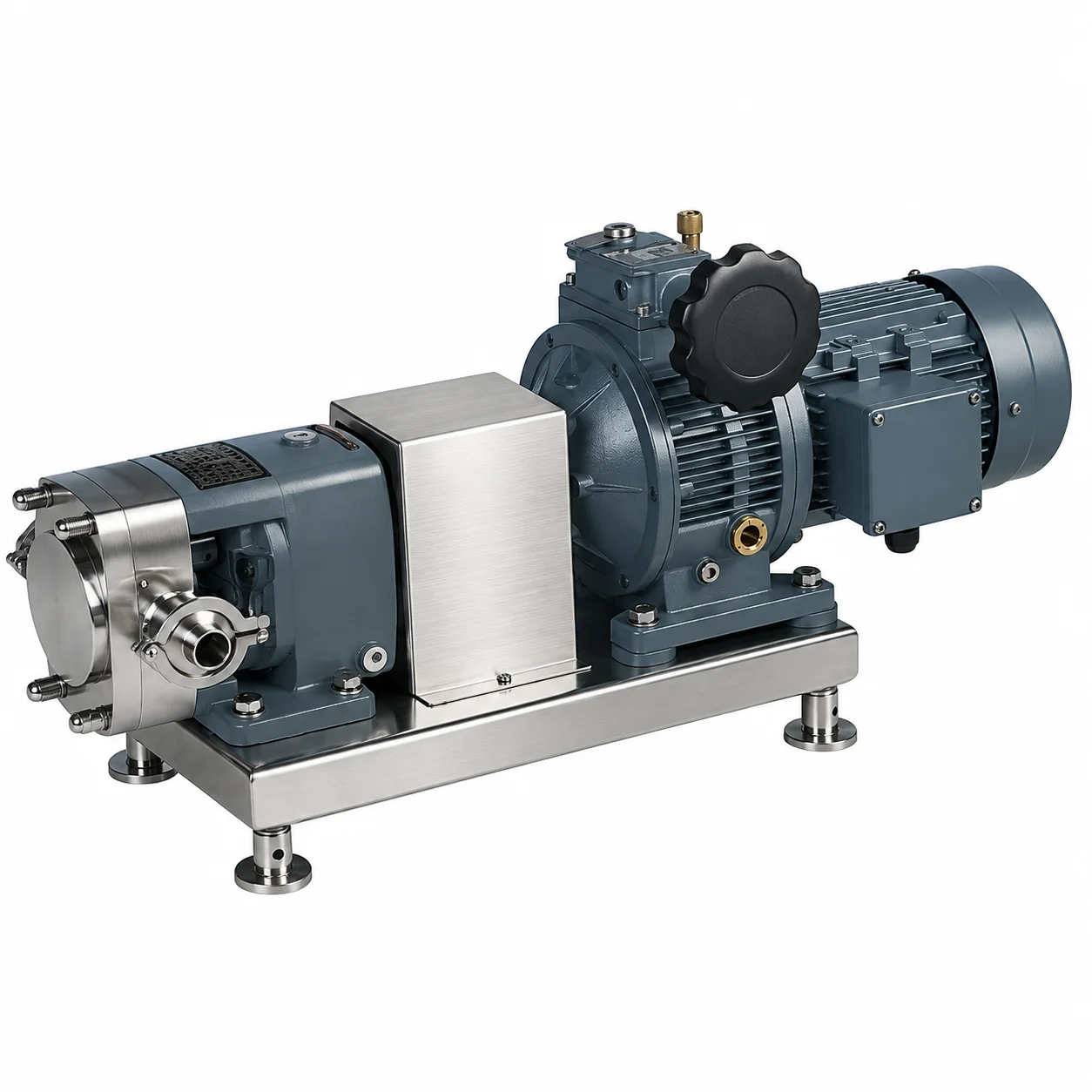
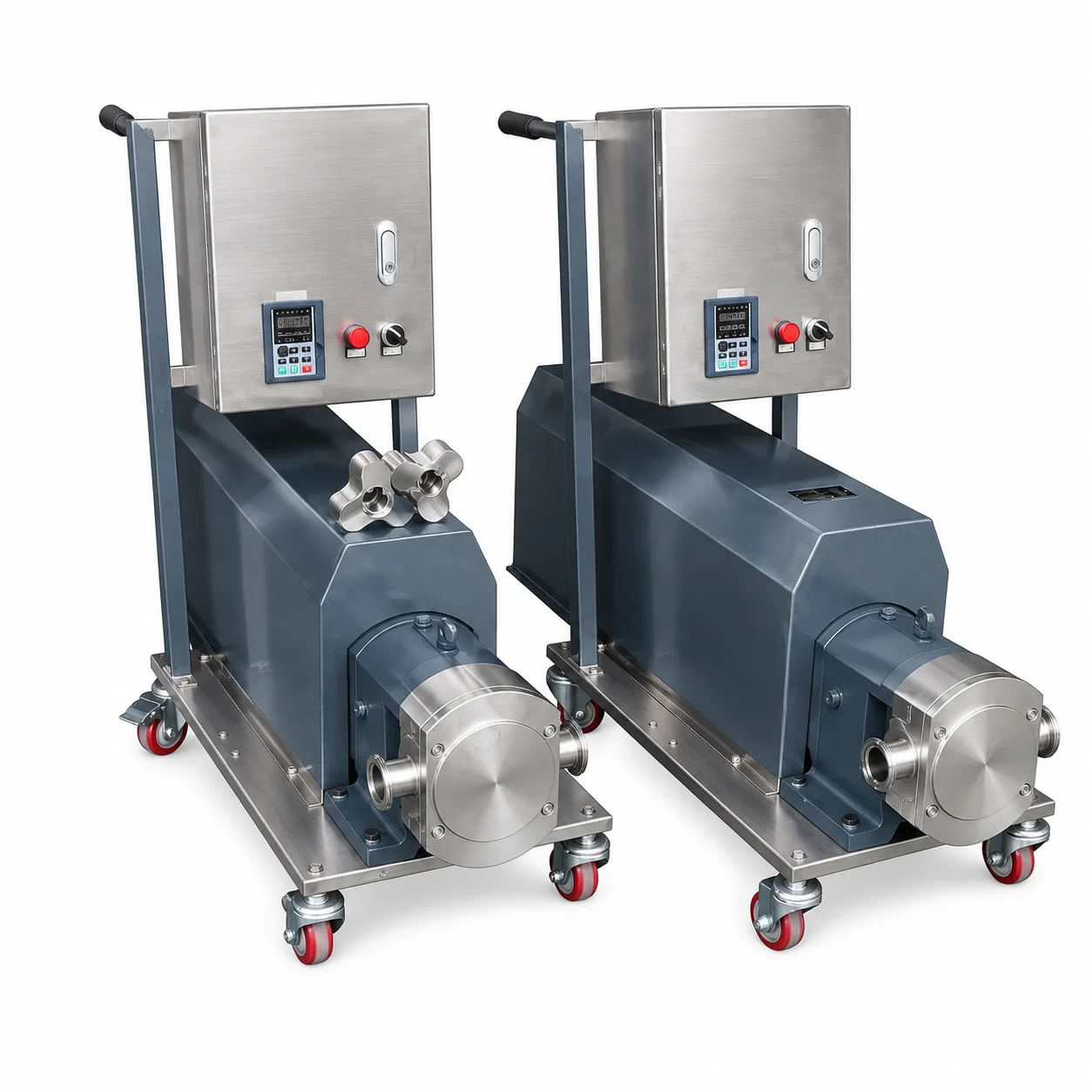
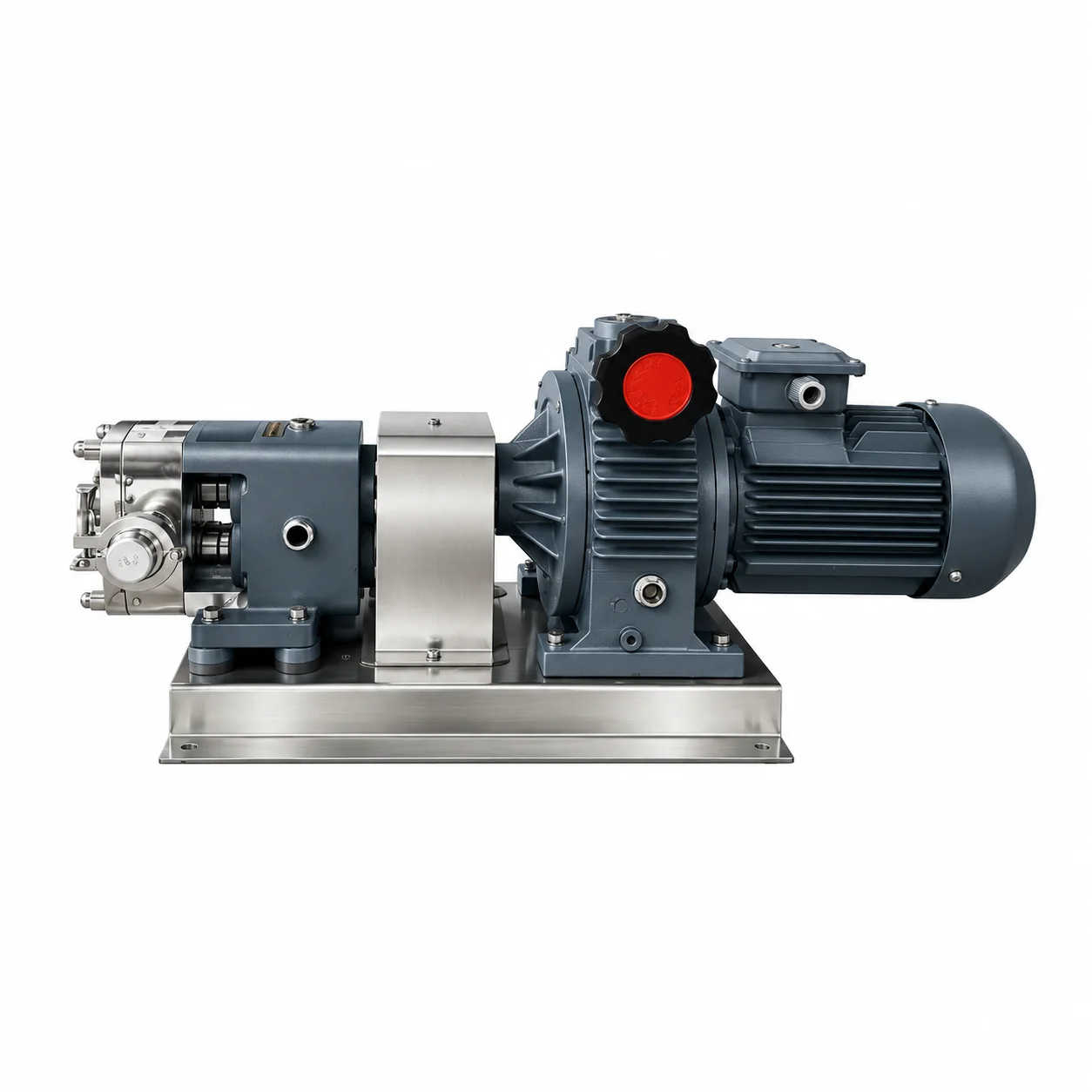
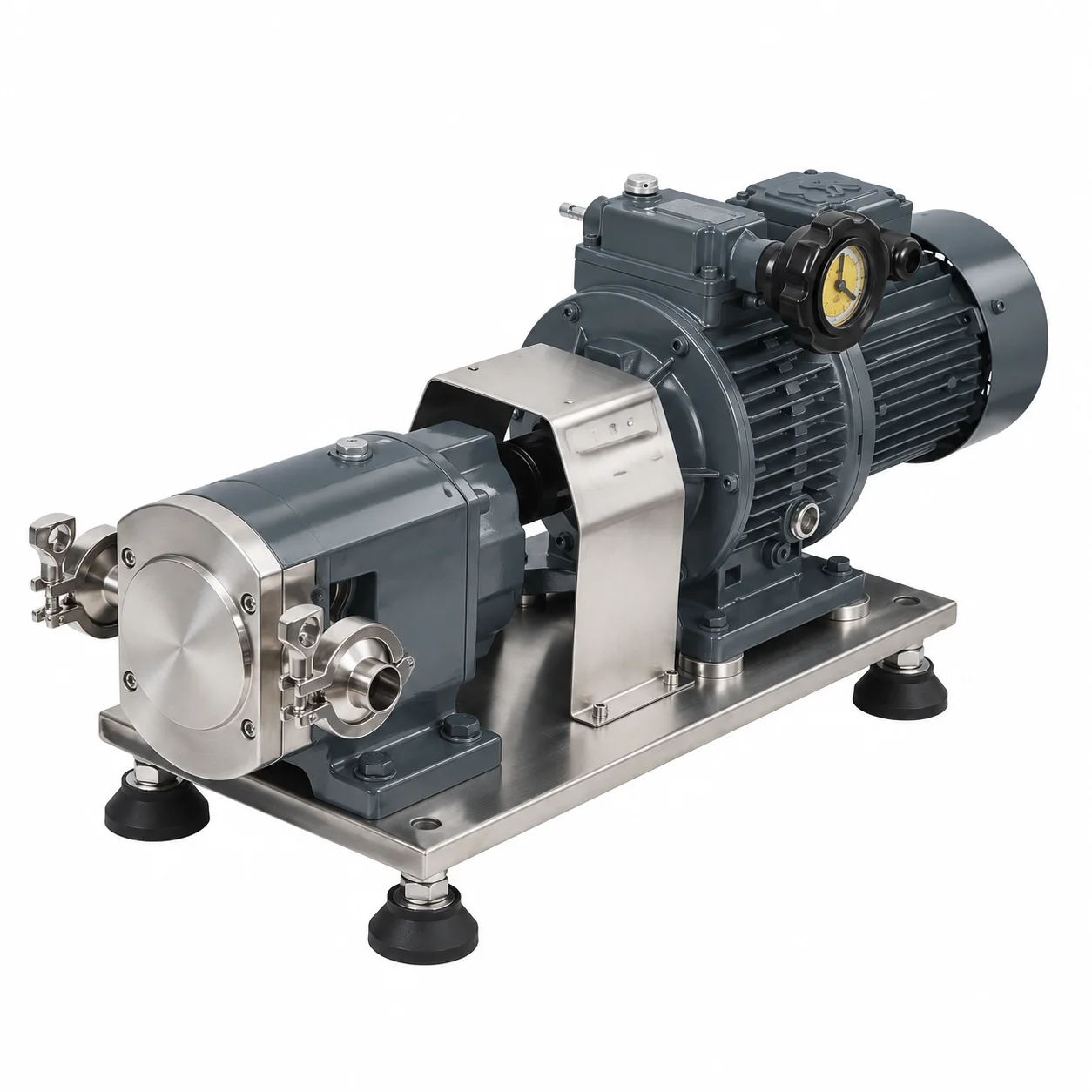
We have available on that site a frequency controlled rotor pump designed for use with raw milk. This pump is made from stainless steel to ensure easier cleaning and to withstand the phychological environment of raw milk. For more information on the control and arrangement of the pump contact us to discuss your particular requirements.
库存 100 件
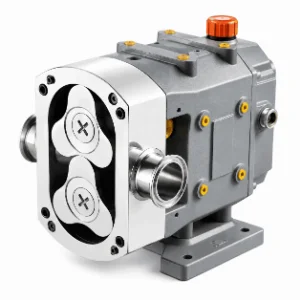
Rotor Optional
Three-Lobe Rotor
Applicable Liquids:
- Suitable for creams, liquids and sauces with low, medium and high viscosity, uniform texture and no hard granules.
- Example: Chocolate, honey, mashed potatoes and ice cream.
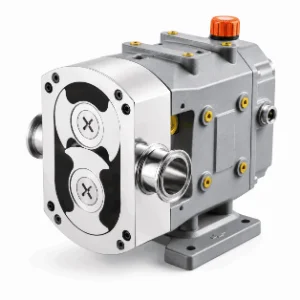
Butterfly Rotor
Applicable Liquids:
- Suitable for shear-free, non-destructive transfer of soft-grained sauces and small-particle materials.
- Example: Jam, pulp, juice, jelly and tomato sauce.
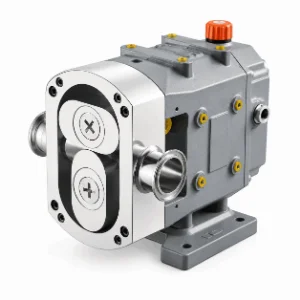
Single-Lobe Rotor
Applicable Liquids:
- Suitable for conveying materials containing larger solid particles while maintaining stable transfer.
- Example: Rock salt, chilli sauce and peanut butter.
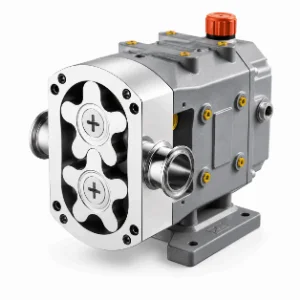
Multi-Lobe Rotor
Applicable Liquids:
- Suitable for creams, liquids and sauces with low, medium and high viscosity where higher output accuracy and smooth flow are required.
- Example: Chocolate, honey, cream, yoghurt, butter and grease.
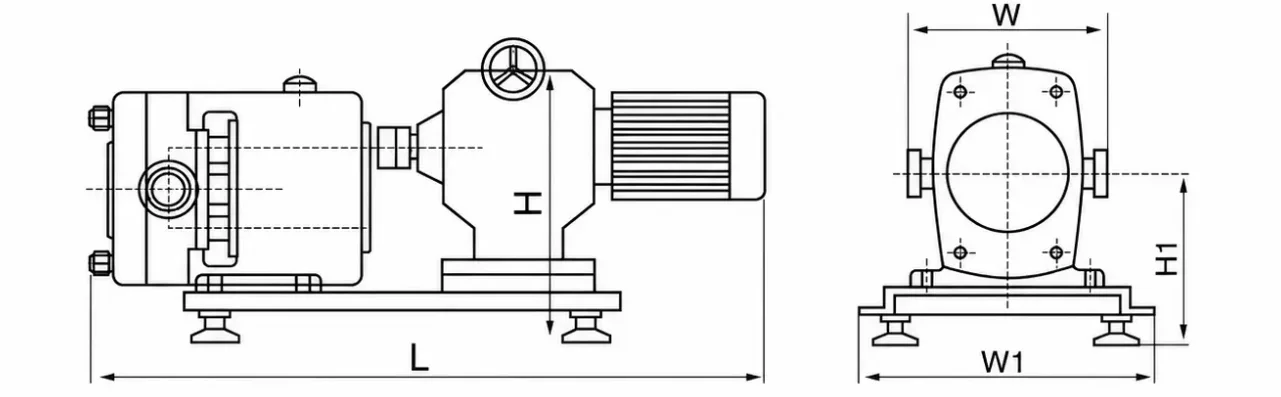
Parameter Chart
| Model | Flow per 100 Rotation |
Power (kW) |
Suggested RPM |
Capacity (L/H) |
Diameter | L | H | H1 | W | W1 | Connection Type |
|---|---|---|---|---|---|---|---|---|---|---|---|
| ZB3A-3 | 3L | 0.55 | 200-500 | 300-800 | Φ25×1.5 | 710 | 290 | 150 | 150 | 240 | Clamp / Thread / Flange |
| ZB3A-6 | 6L | 0.75 | 200-500 | 650-1600 | Φ25×1.5 | 780 | 390 | 170 | 190 | 240 | Clamp / Thread / Flange |
| ZB3A-8 | 8L | 1.5 | 200-500 | 850-2160 | Φ38×1.5 | 850 | 400 | 170 | 190 | 280 | Clamp / Thread / Flange |
| ZB3A-12 | 12L | 2.2 | 200-500 | 1300-3200 | Φ38×1.5 | 980 | 450 | 185 | 220 | 330 | Clamp / Thread / Flange |
| ZB3A-20 | 20L | 3 | 200-500 | 2100-5400 | Φ38×1.5 | 1000 | 450 | 190 | 250 | 330 | Clamp / Thread / Flange |
| ZB3A-30 | 30L | 4 | 200-500 | 3200-6400 | Φ50.8×1.5 | 1050 | 480 | 220 | 270 | 350 | Clamp / Thread / Flange |
| ZB3A-36 | 36L | 4 | 200-400 | 3800-7600 | Φ50.8×1.5 | 1100 | 490 | 220 | 270 | 360 | Clamp / Thread / Flange |
| ZB3A-52 | 52L | 5.5 | 200-400 | 5600-11000 | Φ63×1.5 | 1250 | 580 | 260 | 270 | 480 | Clamp / Thread / Flange |
| ZB3A-66 | 66L | 7.5 | 200-400 | 7100-14000 | Φ76×1.5 | 1350 | 600 | 260 | 270 | 480 | Clamp / Thread / Flange |
| ZB3A-78 | 78L | 7.5 | 200-400 | 9000-18000 | Φ76×1.5 | 1260 | 600 | 295 | 370 | 480 | Clamp / Thread / Flange |
| ZB3A-100 | 100L | 11 | 200-400 | 11000-22000 | Φ76×2 | 1320 | 670 | 295 | 370 | 480 | Clamp / Thread / Flange |
| ZB3A-135 | 135L | 15 | 200-400 | 15000-30000 | Φ89×2 | 1500 | 670 | 295 | 370 | 480 | Clamp / Thread / Flange |
| ZB3A-160 | 160L | 18.5 | 200-400 | 17000-34000 | Φ102×3 | 1500 | 720 | 320 | 420 | 560 | Clamp / Thread / Flange |
| ZB3A-200 | 200L | 22 | 200-400 | 21600-43000 | Φ102×3 | 1500 | 720 | 320 | 420 | 560 | Clamp / Thread / Flange |
| ZB3A-300 | 300L | 30 | 200-400 | 32400-64800 | Φ125×3 | 1650 | 800 | 400 | 480 | 620 | Clamp / Thread / Flange |
| ZB3A-400 | 400L | 37 | 200-400 | 43200-86400 | Φ150×3 | 1700 | 800 | 400 | 480 | 620 | Clamp / Thread / Flange |
Product Overview
One of our stainless steel rotor pumps is used to transfer raw milk in a dairy. To change the speed of the pump, the operator uses the frequency converter located on the pump. This allows them to adjust the pump speed to match that of the equipment it is transferring the raw milk to.
Raw milk should not come into contact with any surfaces of the pump other than those that are completely enclosed to avoid contamination. The design of the pump makes it easy to clean and remove milk from the inside of the pump. To fully confirm that the pump is suited for the application, contact us for additional information.
Working Principle
A rotating element of the pump creates a number of cavities that transport milk from the inlet to the outlet of the pump. Air may become trapped in raw milk as it is transferred. To avoid this, the rotor speed of the pump should be adjusted to the correct velocity to minimize shear.
Key Features and Benefits
Since raw milk is transferred in this process the surfaces of the pump that come into contact with the raw milk should be smooth and easy to clean. Stainless steel construction of this pump also adds to its ease of cleaning.
Assess the particular grade and design to ensure the pump can be easily cleaned to meet requirements of the application.
Variable speed on the pump can help to control the transfer of raw milk to assist in coordination with production line requirements.
Positive displacement pumps, when operated within limits, can transfer liquid with very little variation in flow and are therefore suitable for transferring raw milk to the next process step.
Raw Milk Processing Application
Raw milk is typically transferred from a collection tank to a processing vessel. If a continuous process is required the pump could be used to transfer raw milk from one vessel to another, or to feed the next process step on the dairy line. Use of the variable frequency drive (VFD) would allow the pump speed to be adjusted for process control.
Prior to purchase, determine the materials of construction of the wetted parts of the pump and seal, the design of the motor and gearbox assemblies, and type of control system (i.e. VFD) used. The design of inlet and outlet connections also should be assessed to determine if they will fit the user’s system. Consider the orientation of the unit with respect to the cleaning out and draining requirements of the system. Is integration with the user’s control panel also required?
This pump is of a type that would be useful to dairy buyers to transfer raw milk to various processing steps to fulfill various production requirements. Use of the VFD with the variable speed rotor pump allows operators to better control the process to meet fluctuating requirements of customers and the production line.
It’s essential to check the operating limits and verify the hygienic design features of the pump to confirm it will integrate smoothly with the customer’s sanitation process.
To help determine the proper configuration of the pump to meet your requirements, include the following information with your request to the pump supplier: The flow rate and discharge pressure of the system; temperature and suction conditions of the milk to be transferred; length, diameter and material of transfer line; distance of the transfer; and the customer’s cycle time. Also include information on the ingredients of the milk and the seals in contact with the milk to ensure compatibility with the materials of the pump.
With this information the supplier will have the knowledge to determine the appropriate size of the pump and motor and the type of VFD to use with the system. They can also recommend the best orientation and position of the pump during installation.
What does the frequency converter do?
It is used to control the speed of the pump and thereby the volume of milk transferred.
Will this pump work on any raw milk line?
Not necessarily. Other factors like the liquid level to be withdrawn, suction head and available floor space for the pump assembly also affect selection of the pump.
Reviews should cover the following aspects of the product in question:
flow rates, pressures, temperatures, suction conditions, materials of construction, and the method of connection to other equipment.
What grade of stainless steel is used?
Typically with stainless steels the grade must also be indicated. Without this information it is difficult to determine the suitability of the material to withstand the process environment.
What is the flow rate? What is the suction or discharge pressure?
With this information it is also important to provide the ‘duty point’ to confirm that the pump is appropriately sized for the service.
Will the pump need to be integrated with existing control systems?
Confirm the nature of the signals to be conveyed to the pump control and the voltage and frequency of the power supply to the pump motor with the supplier.
To obtain a quotation for the product most relevant to your request, please provide details of the process conditions and cleaning requirements for the transfer of raw milk from the storage tank to the road tanker.

Product Overview
One of our stainless steel rotor pumps is used to transfer raw milk in a dairy. To change the speed of the pump, the operator uses the frequency converter located on the pump. This allows them to adjust the pump speed to match that of the equipment it is transferring the raw milk to.
Raw milk should not come into contact with any surfaces of the pump other than those that are completely enclosed to avoid contamination. The design of the pump makes it easy to clean and remove milk from the inside of the pump. To fully confirm that the pump is suited for the application, contact us for additional information.
Working Principle
A rotating element of the pump creates a number of cavities that transport milk from the inlet to the outlet of the pump. Air may become trapped in raw milk as it is transferred. To avoid this, the rotor speed of the pump should be adjusted to the correct velocity to minimize shear.
Key Features and Benefits
Since raw milk is transferred in this process the surfaces of the pump that come into contact with the raw milk should be smooth and easy to clean. Stainless steel construction of this pump also adds to its ease of cleaning.
Assess the particular grade and design to ensure the pump can be easily cleaned to meet requirements of the application.
Variable speed on the pump can help to control the transfer of raw milk to assist in coordination with production line requirements.
Positive displacement pumps, when operated within limits, can transfer liquid with very little variation in flow and are therefore suitable for transferring raw milk to the next process step.
Raw Milk Processing Application
Raw milk is typically transferred from a collection tank to a processing vessel. If a continuous process is required the pump could be used to transfer raw milk from one vessel to another, or to feed the next process step on the dairy line. Use of the variable frequency drive (VFD) would allow the pump speed to be adjusted for process control.
Prior to purchase, determine the materials of construction of the wetted parts of the pump and seal, the design of the motor and gearbox assemblies, and type of control system (i.e. VFD) used. The design of inlet and outlet connections also should be assessed to determine if they will fit the user’s system. Consider the orientation of the unit with respect to the cleaning out and draining requirements of the system. Is integration with the user’s control panel also required?
This pump is of a type that would be useful to dairy buyers to transfer raw milk to various processing steps to fulfill various production requirements. Use of the VFD with the variable speed rotor pump allows operators to better control the process to meet fluctuating requirements of customers and the production line.
It’s essential to check the operating limits and verify the hygienic design features of the pump to confirm it will integrate smoothly with the customer’s sanitation process.
To help determine the proper configuration of the pump to meet your requirements, include the following information with your request to the pump supplier: The flow rate and discharge pressure of the system; temperature and suction conditions of the milk to be transferred; length, diameter and material of transfer line; distance of the transfer; and the customer’s cycle time. Also include information on the ingredients of the milk and the seals in contact with the milk to ensure compatibility with the materials of the pump.
With this information the supplier will have the knowledge to determine the appropriate size of the pump and motor and the type of VFD to use with the system. They can also recommend the best orientation and position of the pump during installation.
What does the frequency converter do?
It is used to control the speed of the pump and thereby the volume of milk transferred.
Will this pump work on any raw milk line?
Not necessarily. Other factors like the liquid level to be withdrawn, suction head and available floor space for the pump assembly also affect selection of the pump.
Reviews should cover the following aspects of the product in question:
flow rates, pressures, temperatures, suction conditions, materials of construction, and the method of connection to other equipment.
What grade of stainless steel is used?
Typically with stainless steels the grade must also be indicated. Without this information it is difficult to determine the suitability of the material to withstand the process environment.
What is the flow rate? What is the suction or discharge pressure?
With this information it is also important to provide the ‘duty point’ to confirm that the pump is appropriately sized for the service.
Will the pump need to be integrated with existing control systems?
Confirm the nature of the signals to be conveyed to the pump control and the voltage and frequency of the power supply to the pump motor with the supplier.
To obtain a quotation for the product most relevant to your request, please provide details of the process conditions and cleaning requirements for the transfer of raw milk from the storage tank to the road tanker.

MAECENAS IACULIS
Vestibulum curae torquent diam diam commodo parturient penatibus nunc dui adipiscing convallis bulum parturient suspendisse parturient a.Parturient in parturient scelerisque nibh lectus quam a natoque adipiscing a vestibulum hendrerit et pharetra fames nunc natoque dui.
ADIPISCING CONVALLIS BULUM
- Vestibulum penatibus nunc dui adipiscing convallis bulum parturient suspendisse.
- Abitur parturient praesent lectus quam a natoque adipiscing a vestibulum hendre.
- Diam parturient dictumst parturient scelerisque nibh lectus.
Scelerisque adipiscing bibendum sem vestibulum et in a a a purus lectus faucibus lobortis tincidunt purus lectus nisl class eros.Condimentum a et ullamcorper dictumst mus et tristique elementum nam inceptos hac parturient scelerisque vestibulum amet elit ut volutpat.