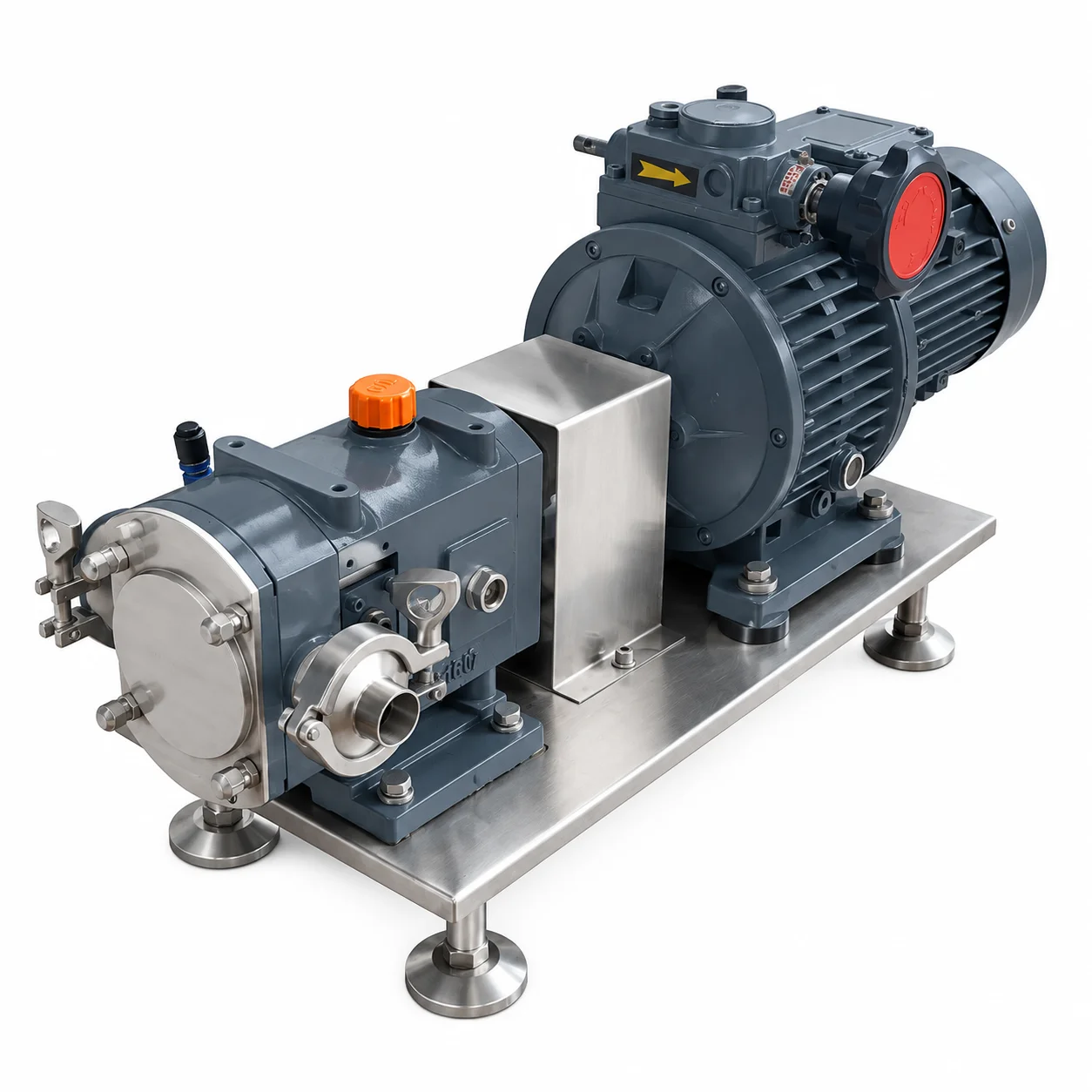
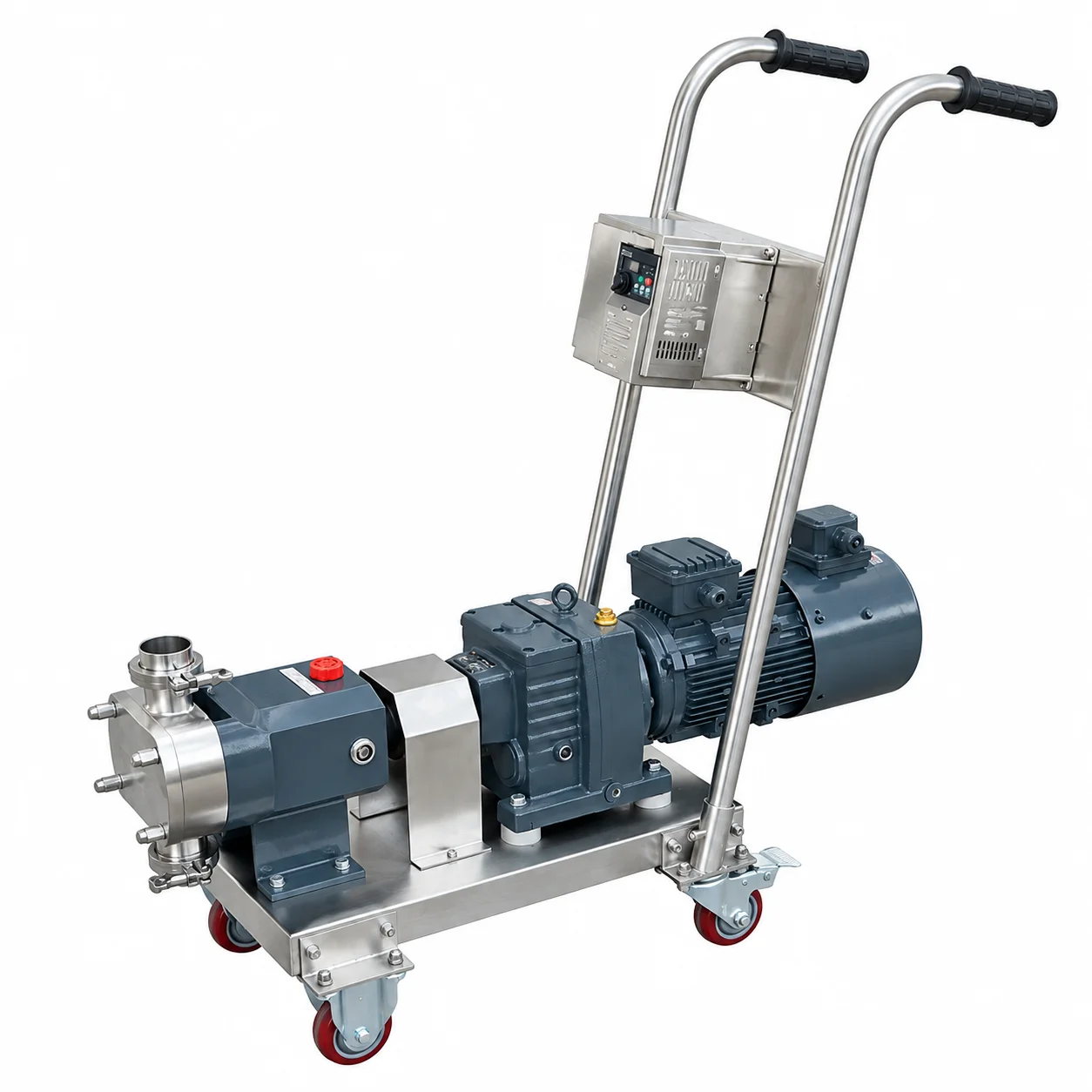
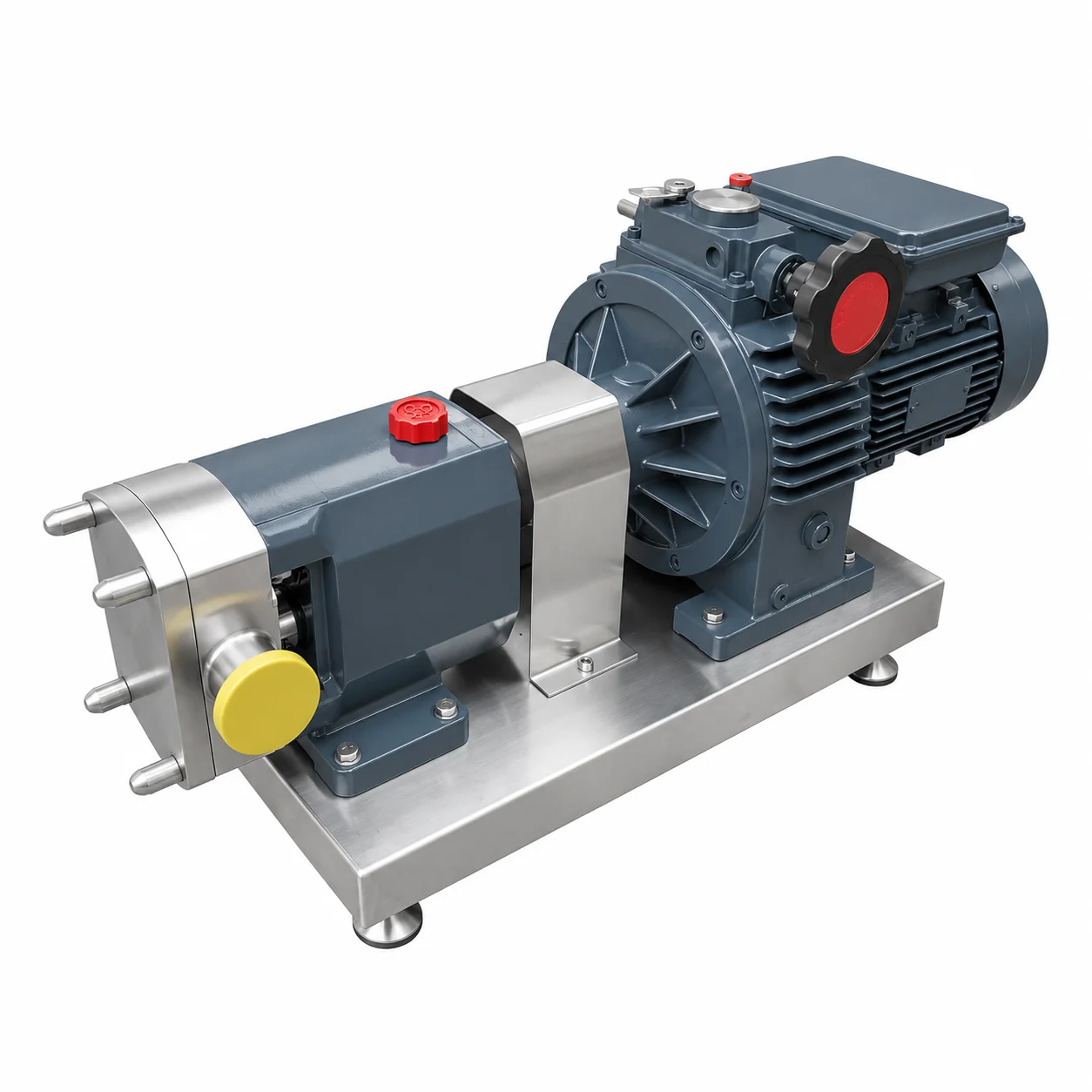
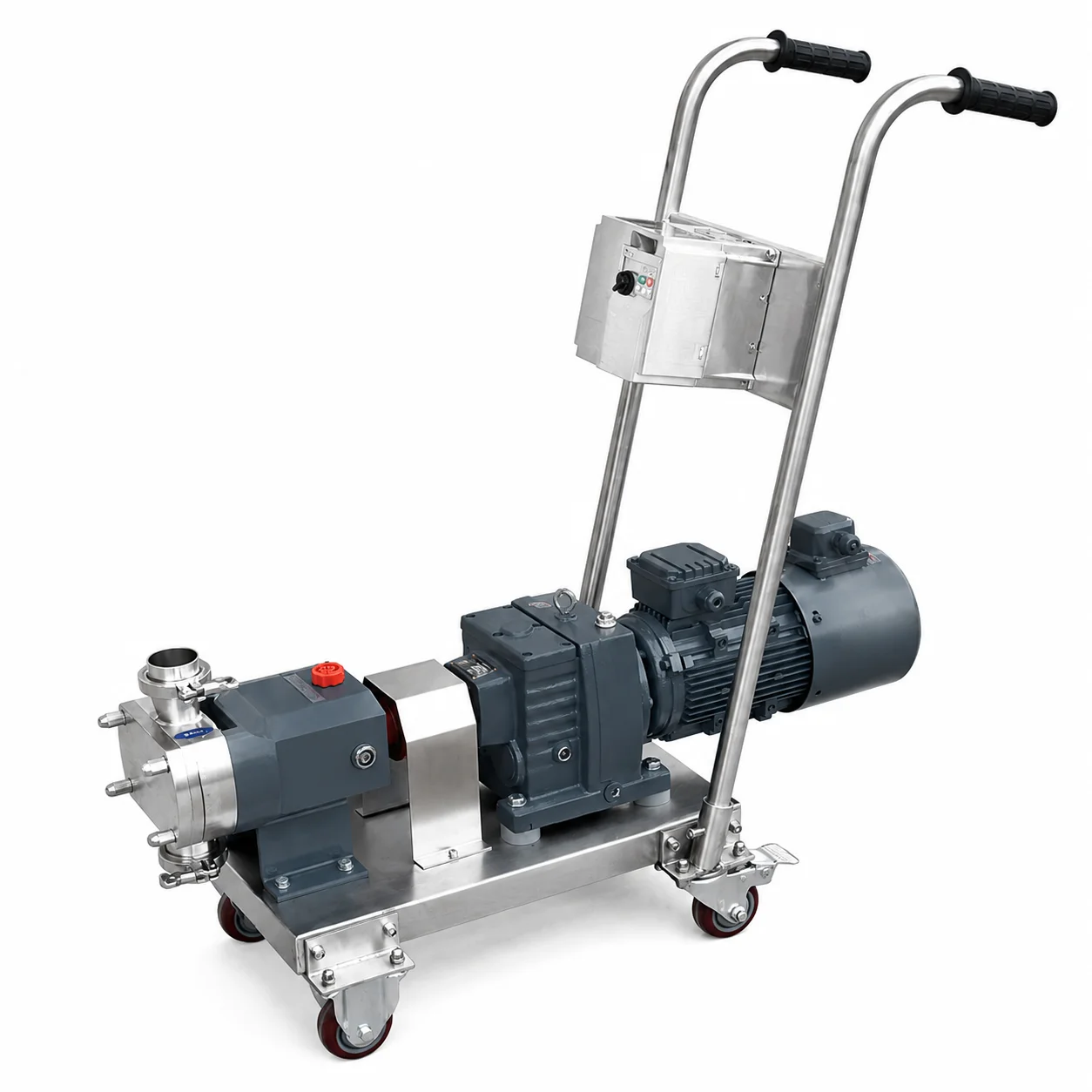
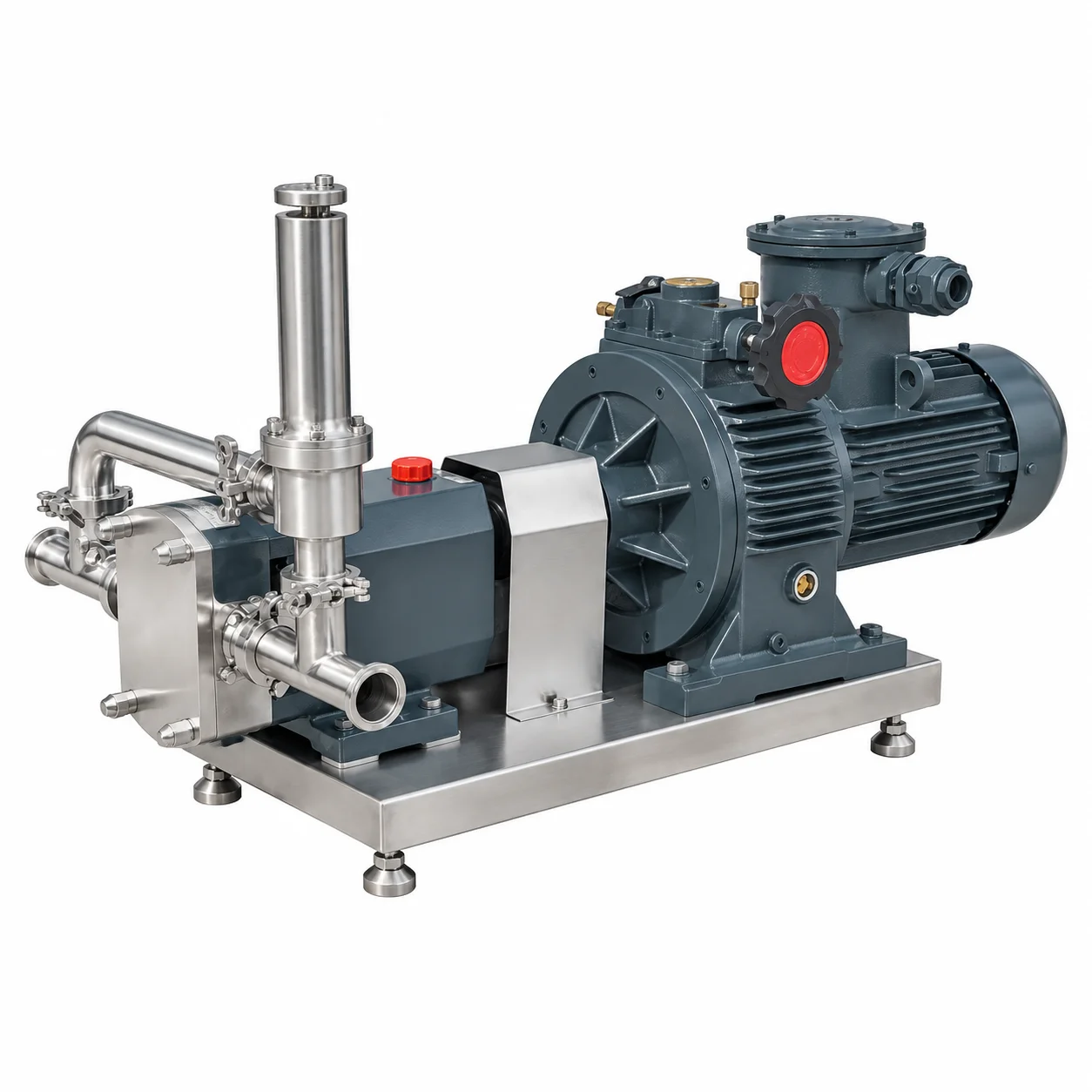
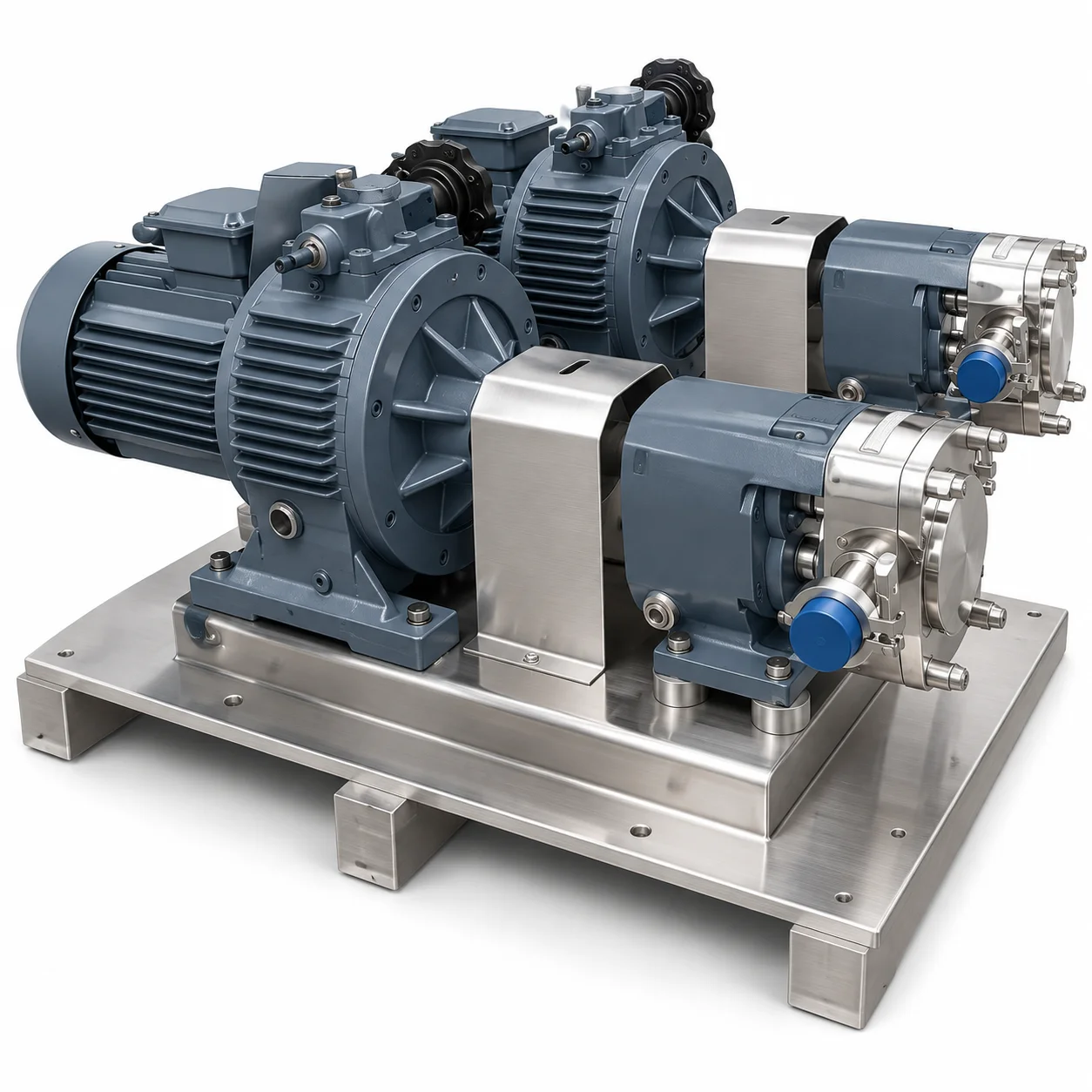
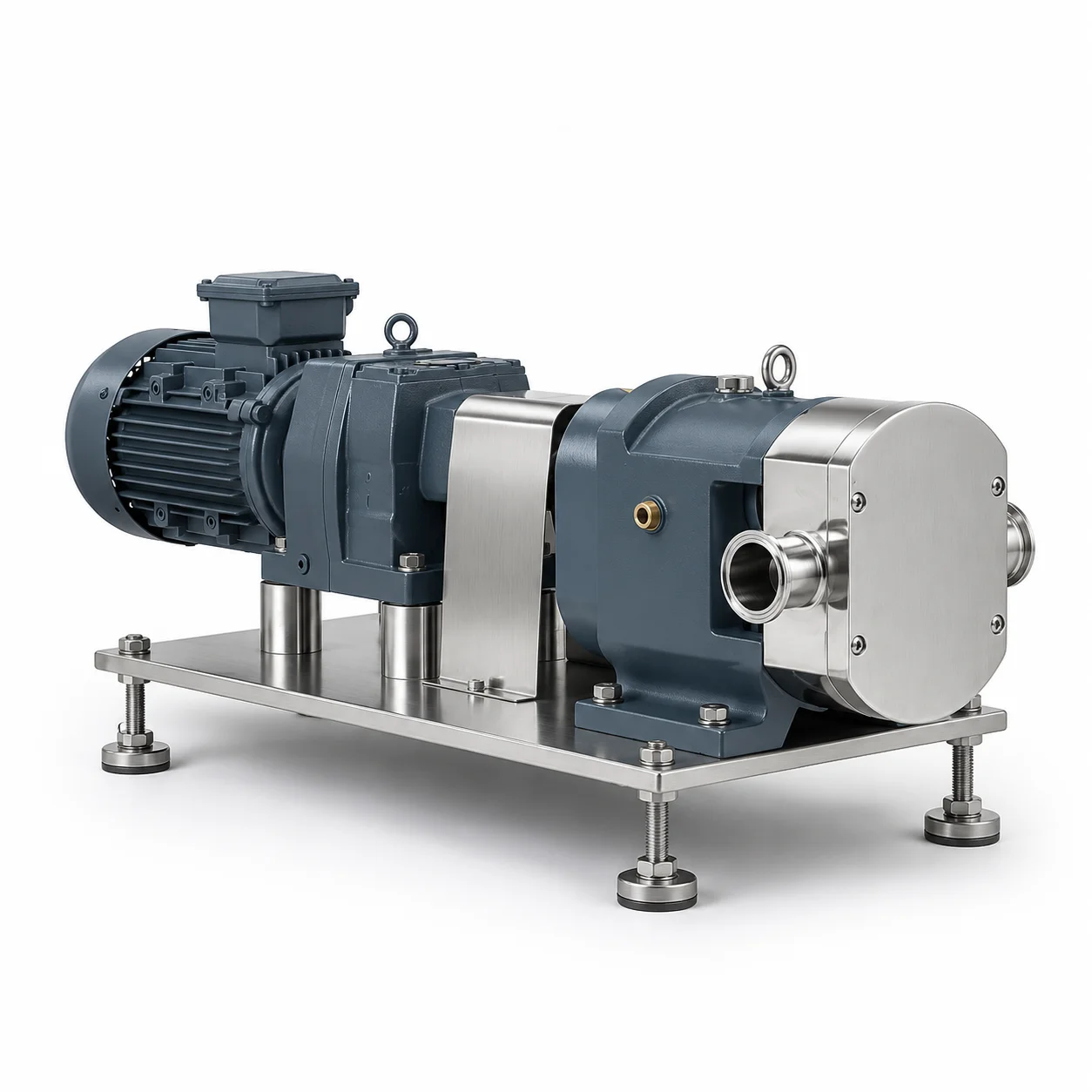
SS316L Hygienic Tri-Clamp Rotary Lobe Pump
$2,231.23 原价为:$2,231.23。$1,572.02当前价格为:$1,572.02。
Our SS316L Hygienic Rotary Lobe Pump with Tri-Clamp connections is designed for transfer of viscous fluids in process systems. To determine the specifics of the pump best suited for your process, please provide information pertaining to the fluid being transferred, the flow rate and operating pressure, the size of connector needed and type of electrical supply.
库存 100 件
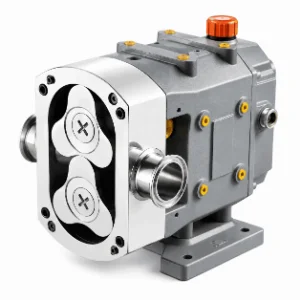
Rotor Optional
Three-Lobe Rotor
Applicable Liquids:
- Suitable for creams, liquids and sauces with low, medium and high viscosity, uniform texture and no hard granules.
- Example: Chocolate, honey, mashed potatoes and ice cream.
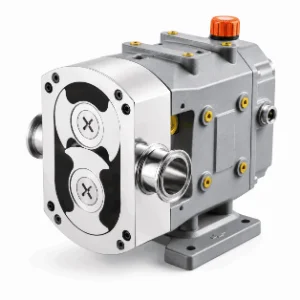
Butterfly Rotor
Applicable Liquids:
- Suitable for shear-free, non-destructive transfer of soft-grained sauces and small-particle materials.
- Example: Jam, pulp, juice, jelly and tomato sauce.
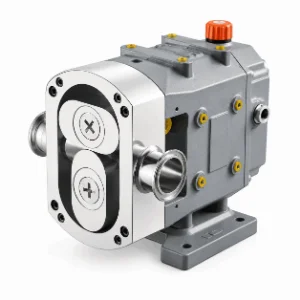
Single-Lobe Rotor
Applicable Liquids:
- Suitable for conveying materials containing larger solid particles while maintaining stable transfer.
- Example: Rock salt, chilli sauce and peanut butter.
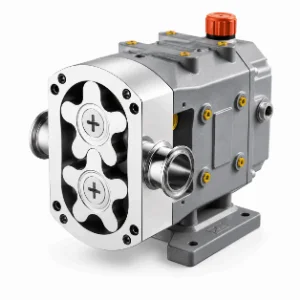
Multi-Lobe Rotor
Applicable Liquids:
- Suitable for creams, liquids and sauces with low, medium and high viscosity where higher output accuracy and smooth flow are required.
- Example: Chocolate, honey, cream, yoghurt, butter and grease.
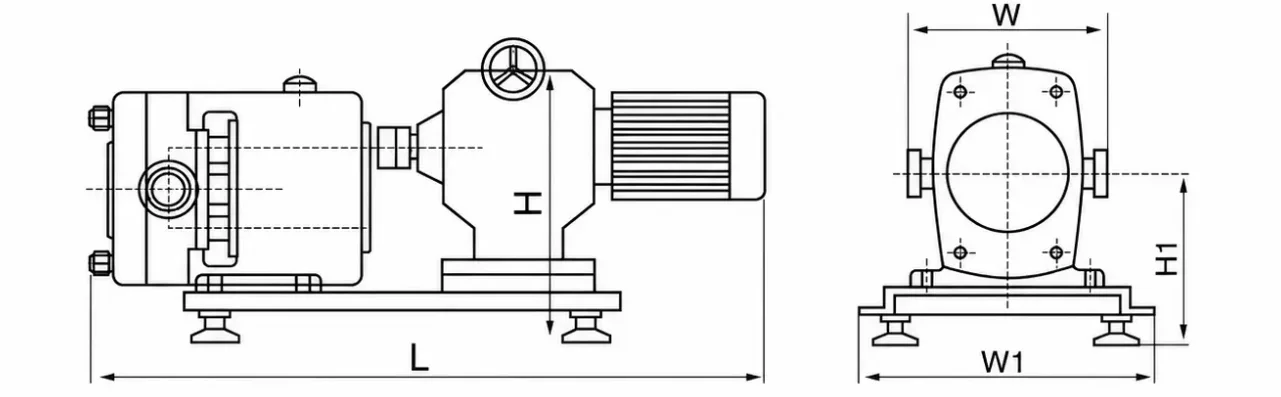
Parameter Chart
| Model | Flow per 100 Rotation |
Power (kW) |
Suggested RPM |
Capacity (L/H) |
Diameter | L | H | H1 | W | W1 | Connection Type |
|---|---|---|---|---|---|---|---|---|---|---|---|
| ZB3A-3 | 3L | 0.55 | 200-500 | 300-800 | Φ25×1.5 | 710 | 290 | 150 | 150 | 240 | Clamp / Thread / Flange |
| ZB3A-6 | 6L | 0.75 | 200-500 | 650-1600 | Φ25×1.5 | 780 | 390 | 170 | 190 | 240 | Clamp / Thread / Flange |
| ZB3A-8 | 8L | 1.5 | 200-500 | 850-2160 | Φ38×1.5 | 850 | 400 | 170 | 190 | 280 | Clamp / Thread / Flange |
| ZB3A-12 | 12L | 2.2 | 200-500 | 1300-3200 | Φ38×1.5 | 980 | 450 | 185 | 220 | 330 | Clamp / Thread / Flange |
| ZB3A-20 | 20L | 3 | 200-500 | 2100-5400 | Φ38×1.5 | 1000 | 450 | 190 | 250 | 330 | Clamp / Thread / Flange |
| ZB3A-30 | 30L | 4 | 200-500 | 3200-6400 | Φ50.8×1.5 | 1050 | 480 | 220 | 270 | 350 | Clamp / Thread / Flange |
| ZB3A-36 | 36L | 4 | 200-400 | 3800-7600 | Φ50.8×1.5 | 1100 | 490 | 220 | 270 | 360 | Clamp / Thread / Flange |
| ZB3A-52 | 52L | 5.5 | 200-400 | 5600-11000 | Φ63×1.5 | 1250 | 580 | 260 | 270 | 480 | Clamp / Thread / Flange |
| ZB3A-66 | 66L | 7.5 | 200-400 | 7100-14000 | Φ76×1.5 | 1350 | 600 | 260 | 270 | 480 | Clamp / Thread / Flange |
| ZB3A-78 | 78L | 7.5 | 200-400 | 9000-18000 | Φ76×1.5 | 1260 | 600 | 295 | 370 | 480 | Clamp / Thread / Flange |
| ZB3A-100 | 100L | 11 | 200-400 | 11000-22000 | Φ76×2 | 1320 | 670 | 295 | 370 | 480 | Clamp / Thread / Flange |
| ZB3A-135 | 135L | 15 | 200-400 | 15000-30000 | Φ89×2 | 1500 | 670 | 295 | 370 | 480 | Clamp / Thread / Flange |
| ZB3A-160 | 160L | 18.5 | 200-400 | 17000-34000 | Φ102×3 | 1500 | 720 | 320 | 420 | 560 | Clamp / Thread / Flange |
| ZB3A-200 | 200L | 22 | 200-400 | 21600-43000 | Φ102×3 | 1500 | 720 | 320 | 420 | 560 | Clamp / Thread / Flange |
| ZB3A-300 | 300L | 30 | 200-400 | 32400-64800 | Φ125×3 | 1650 | 800 | 400 | 480 | 620 | Clamp / Thread / Flange |
| ZB3A-400 | 400L | 37 | 200-400 | 43200-86400 | Φ150×3 | 1700 | 800 | 400 | 480 | 620 | Clamp / Thread / Flange |
Product Description
Our SS316L Rotary Lobe Pump employs a motor to transfer viscous fluids in a process system utilizing sanitary Tri-Clamp fittings. Clamp style ports allow quick connection to process piping. Although the phrase ‘motor driven’ is not included in the title, powered transfer of the fluid is implied. The title does not include other design elements such as the type of seals employed, the motor power, the service or pressure rating of the pump, or any 3rd party certifications.
Rotary lobe pumps are generally used to transfer fluids with a higher viscosity compared to centrifugal pumps. Suitability of a particular rotary lobe pump for a given application is dependent on several variables.
Operation of a rotary lobe pump is achieved by rotation of lobes which conform to the shape of the interior of the pump housing to create a cavity which draws fluid through the inlet and discharge to the outlet of the pump.
Viscosity of the product being transferred together with the temperature of the product affect the ease with which the product flows through the system. Operating problems can also occur if the fluid supply is inadequate or the piping system is inappropriate.
Our SS316L construction provides hygienic process surface contact in conjuction with Tri-Clamp fittings. Other features of our pump include simple maintenance and ease of disassembly.
Check construction and compatibility of wetted parts of the product.
Tri-Clamp connections allow users to attach the pump to process piping and fittings in a way that allows for easy disconnection and reassembly of process equipment.
If motor-driven operation is desired, the user should check the voltage, current, and rpm of the electrical motor, gear reducer and control components to ensure compatibility with the application.
When moving viscous fluids, this type of pump is appropriate to use when the fluid has a comparatively high kinematic viscosity.
This pump may be appropriate for transferring viscous products in a process to feed equipment downstream on a production line. Users must determine if the pump is suitable to handle the fluid and the cleaning solutions used to purge the line.
When deciding on a pump, there are several things you need to clarify with the supplier.
Fluid and Duty
You need to provide the supplier with as much data on the process fluid as possible including composition and temperature. If there are any solids in the fluid these also need to be taken into account.
Flow and Pressure
The supplier needs to know the pressure of the system as this will affect the choice of pump. The pump should not be operated outside its safe operating limits.
Materials and seals
The supplier needs to know the composition of the process fluid in order to select appropriate materials for the wetted parts of the pump and seals.
Connections
The size of Tri-clamp connections need to be in line with the size of pipework in the process.
Drive
The supplier needs to know the voltage and frequency of the electrical supply and the speed at which the pump needs to turn in order to mount the motor to the pump correctly.
Once these have been agreed the pump is ready to be ordered.
Fluid data and the specific duties of the process must be supplied in advance of ordering the pump. These will allow the end user to assess if the pump is suitable for their process.
The rotary lobe pump is well suited for transferring viscous fluids compared to centrifugal pumps.
SS316L refers to the grade of stainless steel used in a component of the pump.
Tri-clamp fittings are clamp style connections to other fittings in the process.
Check what type and size of connection the pump has and ensure it will be compatible with the piping you currently have.
How does a rotary lobe pump work?
Air is drawn into the pump along with the fluid to be pumped. Air is then trapped between the lobe and the casing of the pump to create a partial vacuum which draws more fluid into the pump. The lobes then rotate to the next position and the air and fluid are discharged through the pump outlet.
Will this pump work with high viscosity fluids?
Not necessarily. Other aspects of the fluid, such as its boiling point and the conditions of the system it will be introduced to, will also affect the pump’s compatibility. The compatibility of the pump with the fluid will also be impacted by the pressure and flow rate of the system and the seal used on the pump.
What information should I include to get a quote?
Include the name of the fluid to be pumped, the flow rate and pressure at which it will be pumped, the size of connection it will be coupled to, the voltage of the electrical supply, and the location of installation and cleaning of the pump.
Request a Quote
To receive a quote for the pump most appropriate for your application, please provide your process conditions and the size of the connection you will use to couple the pump.

Product Description
Our SS316L Rotary Lobe Pump employs a motor to transfer viscous fluids in a process system utilizing sanitary Tri-Clamp fittings. Clamp style ports allow quick connection to process piping. Although the phrase ‘motor driven’ is not included in the title, powered transfer of the fluid is implied. The title does not include other design elements such as the type of seals employed, the motor power, the service or pressure rating of the pump, or any 3rd party certifications.
Rotary lobe pumps are generally used to transfer fluids with a higher viscosity compared to centrifugal pumps. Suitability of a particular rotary lobe pump for a given application is dependent on several variables.
Operation of a rotary lobe pump is achieved by rotation of lobes which conform to the shape of the interior of the pump housing to create a cavity which draws fluid through the inlet and discharge to the outlet of the pump.
Viscosity of the product being transferred together with the temperature of the product affect the ease with which the product flows through the system. Operating problems can also occur if the fluid supply is inadequate or the piping system is inappropriate.
Our SS316L construction provides hygienic process surface contact in conjuction with Tri-Clamp fittings. Other features of our pump include simple maintenance and ease of disassembly.
Check construction and compatibility of wetted parts of the product.
Tri-Clamp connections allow users to attach the pump to process piping and fittings in a way that allows for easy disconnection and reassembly of process equipment.
If motor-driven operation is desired, the user should check the voltage, current, and rpm of the electrical motor, gear reducer and control components to ensure compatibility with the application.
When moving viscous fluids, this type of pump is appropriate to use when the fluid has a comparatively high kinematic viscosity.
This pump may be appropriate for transferring viscous products in a process to feed equipment downstream on a production line. Users must determine if the pump is suitable to handle the fluid and the cleaning solutions used to purge the line.
When deciding on a pump, there are several things you need to clarify with the supplier.
Fluid and Duty
You need to provide the supplier with as much data on the process fluid as possible including composition and temperature. If there are any solids in the fluid these also need to be taken into account.
Flow and Pressure
The supplier needs to know the pressure of the system as this will affect the choice of pump. The pump should not be operated outside its safe operating limits.
Materials and seals
The supplier needs to know the composition of the process fluid in order to select appropriate materials for the wetted parts of the pump and seals.
Connections
The size of Tri-clamp connections need to be in line with the size of pipework in the process.
Drive
The supplier needs to know the voltage and frequency of the electrical supply and the speed at which the pump needs to turn in order to mount the motor to the pump correctly.
Once these have been agreed the pump is ready to be ordered.
Fluid data and the specific duties of the process must be supplied in advance of ordering the pump. These will allow the end user to assess if the pump is suitable for their process.
The rotary lobe pump is well suited for transferring viscous fluids compared to centrifugal pumps.
SS316L refers to the grade of stainless steel used in a component of the pump.
Tri-clamp fittings are clamp style connections to other fittings in the process.
Check what type and size of connection the pump has and ensure it will be compatible with the piping you currently have.
How does a rotary lobe pump work?
Air is drawn into the pump along with the fluid to be pumped. Air is then trapped between the lobe and the casing of the pump to create a partial vacuum which draws more fluid into the pump. The lobes then rotate to the next position and the air and fluid are discharged through the pump outlet.
Will this pump work with high viscosity fluids?
Not necessarily. Other aspects of the fluid, such as its boiling point and the conditions of the system it will be introduced to, will also affect the pump’s compatibility. The compatibility of the pump with the fluid will also be impacted by the pressure and flow rate of the system and the seal used on the pump.
What information should I include to get a quote?
Include the name of the fluid to be pumped, the flow rate and pressure at which it will be pumped, the size of connection it will be coupled to, the voltage of the electrical supply, and the location of installation and cleaning of the pump.
Request a Quote
To receive a quote for the pump most appropriate for your application, please provide your process conditions and the size of the connection you will use to couple the pump.

MAECENAS IACULIS
Vestibulum curae torquent diam diam commodo parturient penatibus nunc dui adipiscing convallis bulum parturient suspendisse parturient a.Parturient in parturient scelerisque nibh lectus quam a natoque adipiscing a vestibulum hendrerit et pharetra fames nunc natoque dui.
ADIPISCING CONVALLIS BULUM
- Vestibulum penatibus nunc dui adipiscing convallis bulum parturient suspendisse.
- Abitur parturient praesent lectus quam a natoque adipiscing a vestibulum hendre.
- Diam parturient dictumst parturient scelerisque nibh lectus.
Scelerisque adipiscing bibendum sem vestibulum et in a a a purus lectus faucibus lobortis tincidunt purus lectus nisl class eros.Condimentum a et ullamcorper dictumst mus et tristique elementum nam inceptos hac parturient scelerisque vestibulum amet elit ut volutpat.