Stainless Steel Rotary Lobe Pump for Chocolate, Gel & Grease
$2,760.47 原价为:$2,760.47。$1,905.63当前价格为:$1,905.63。
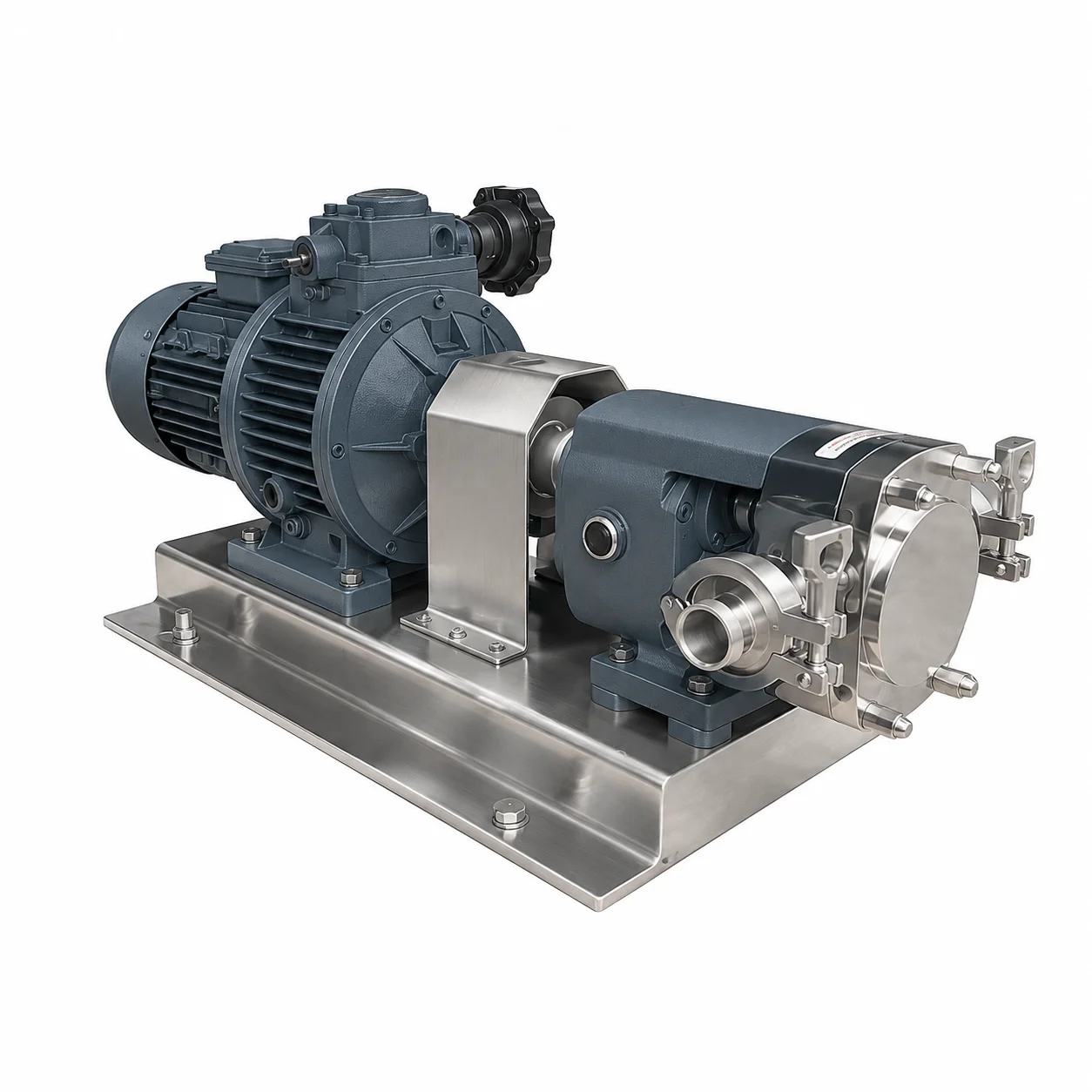
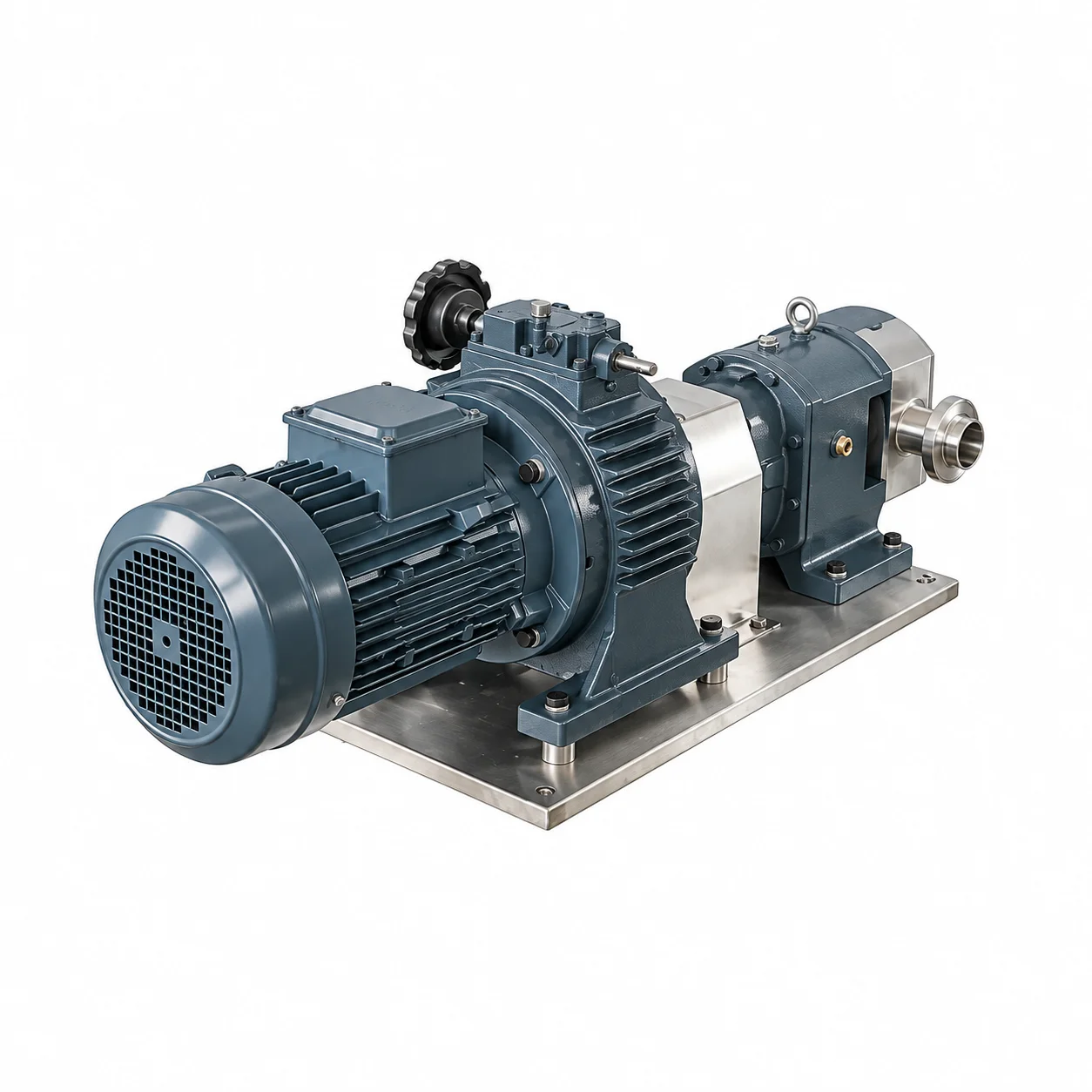
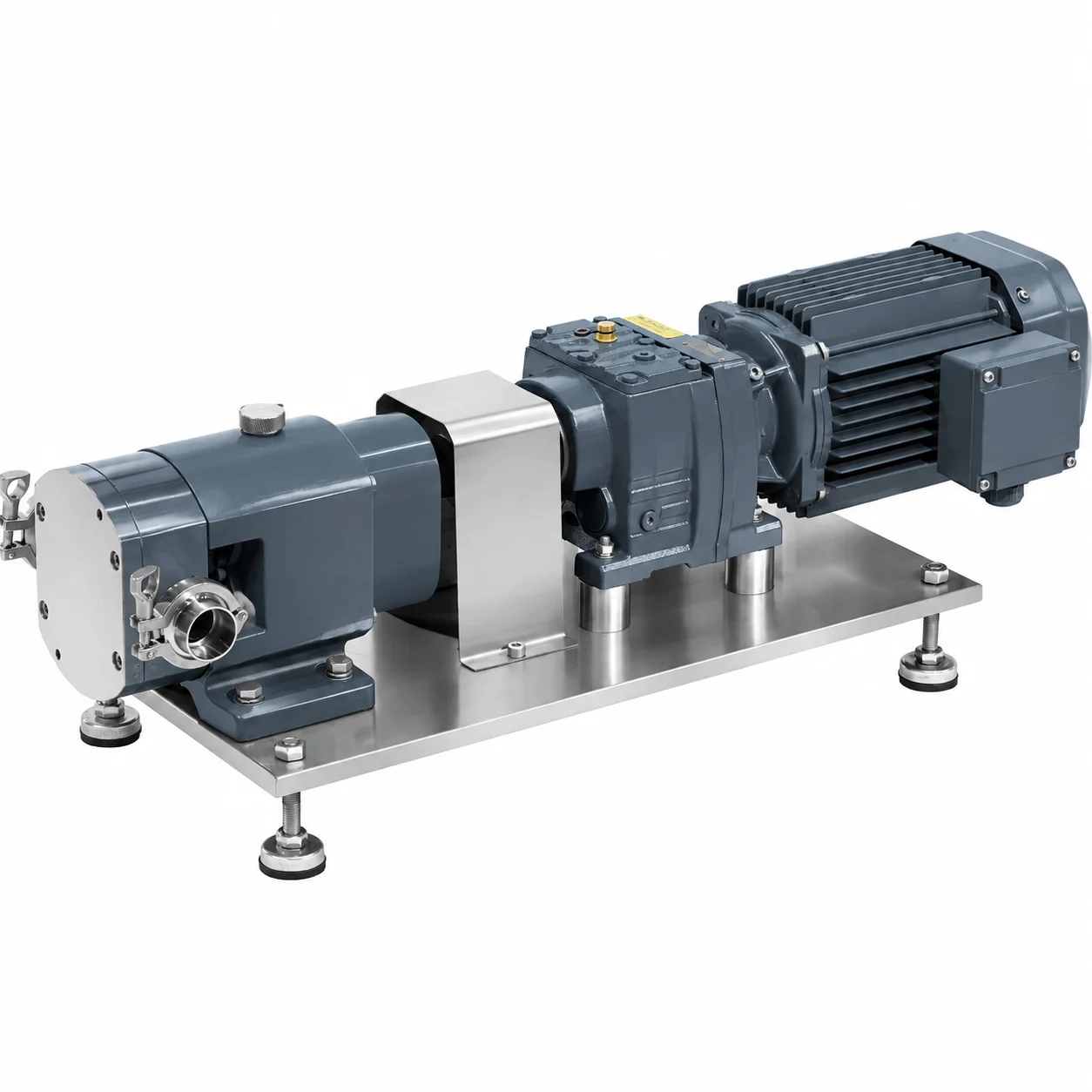
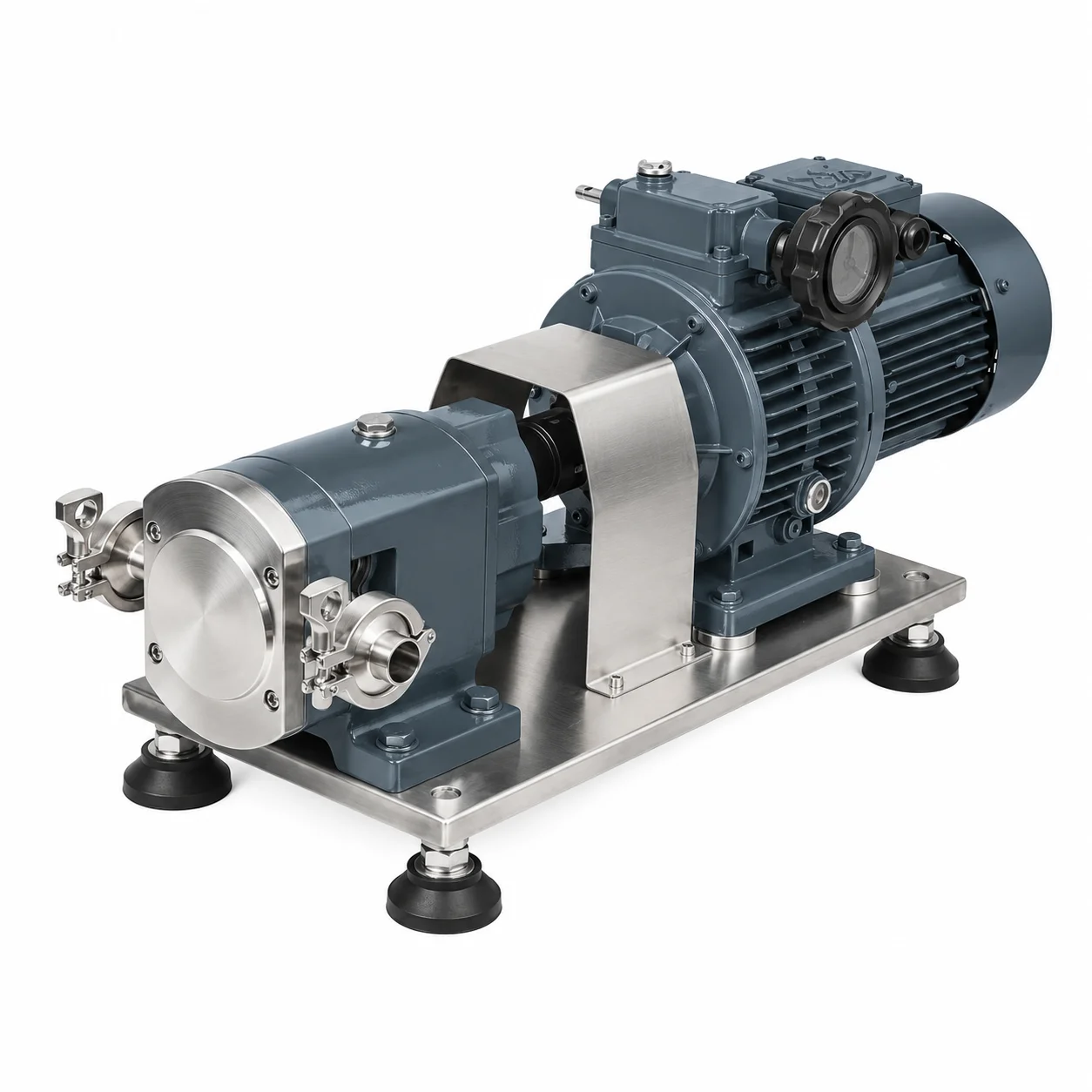
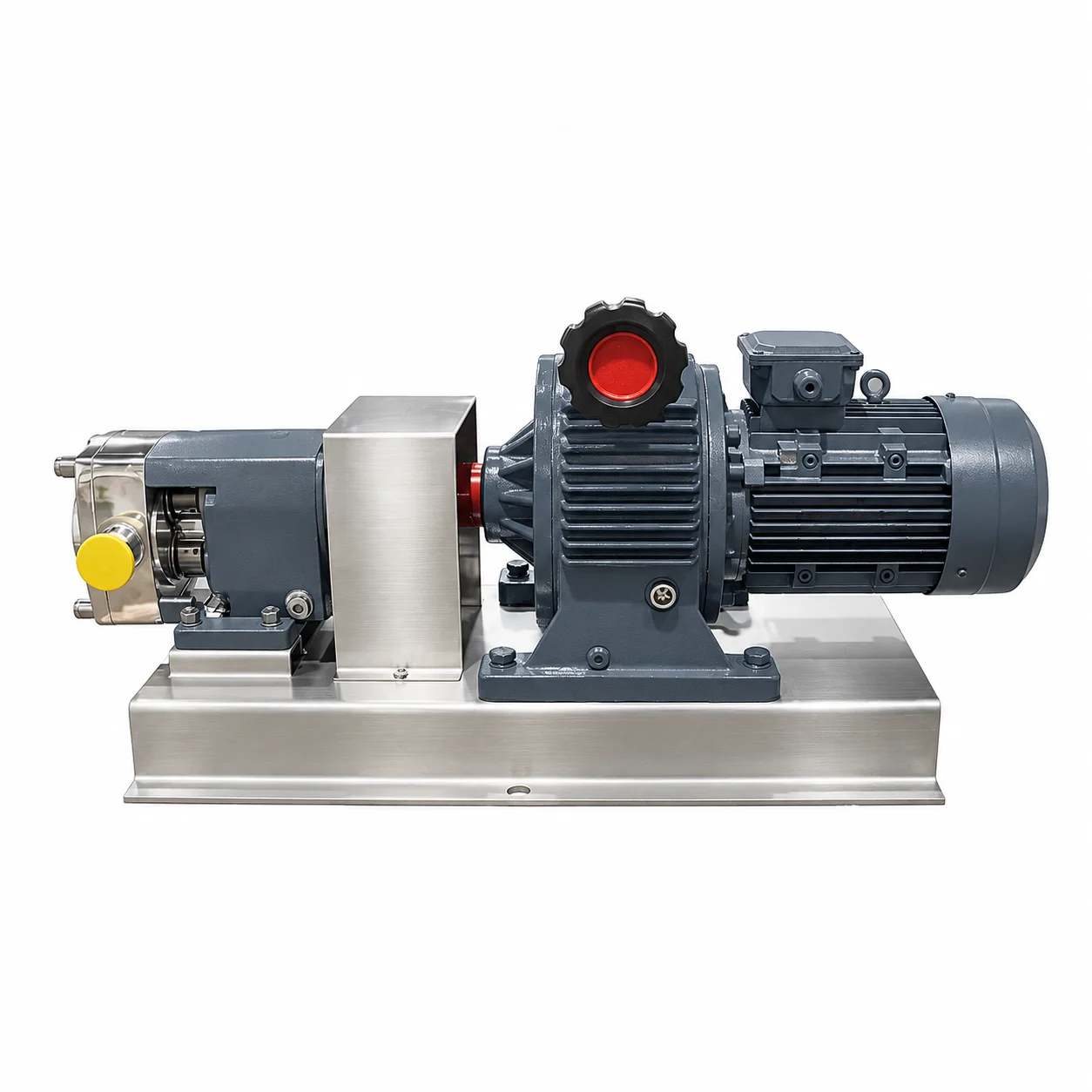
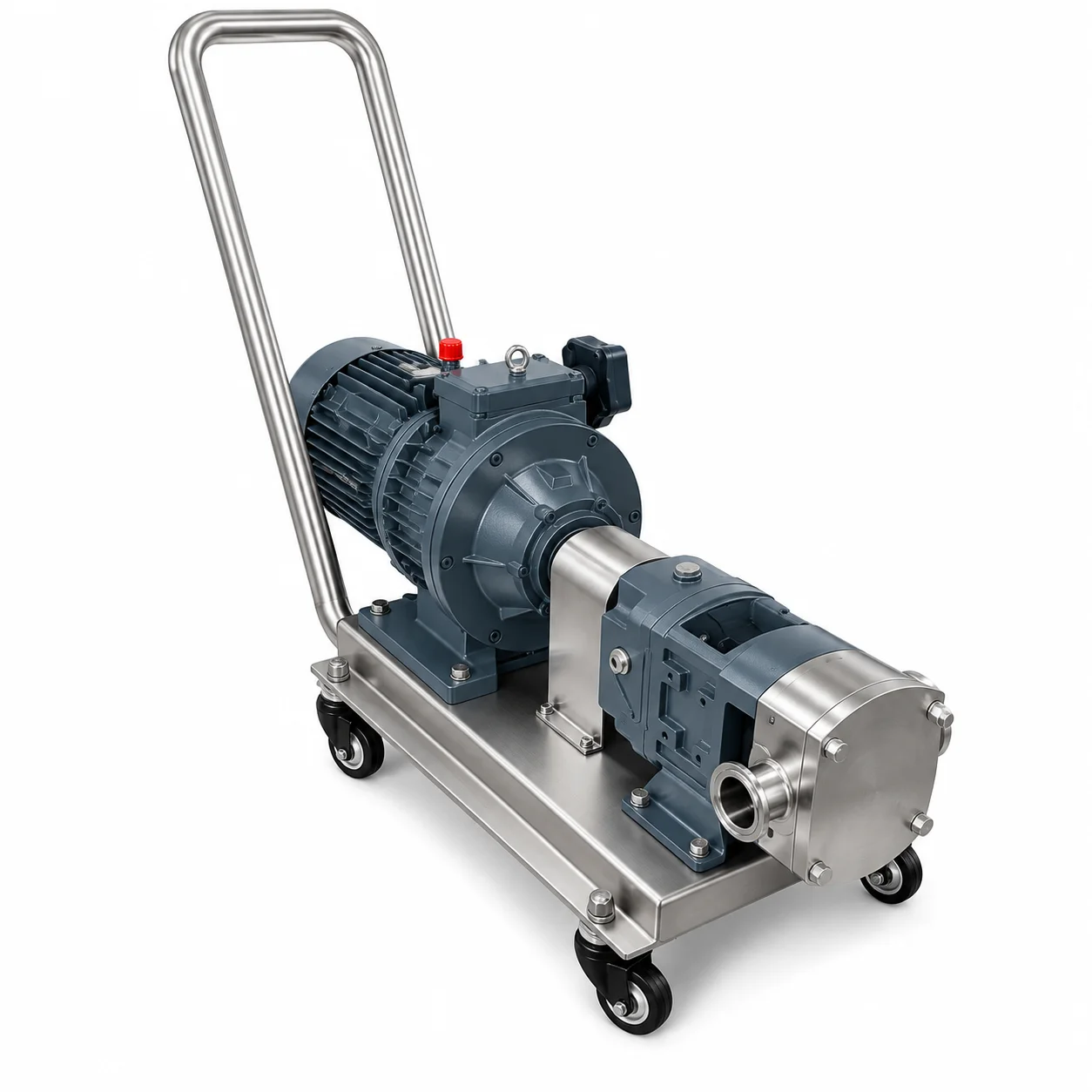
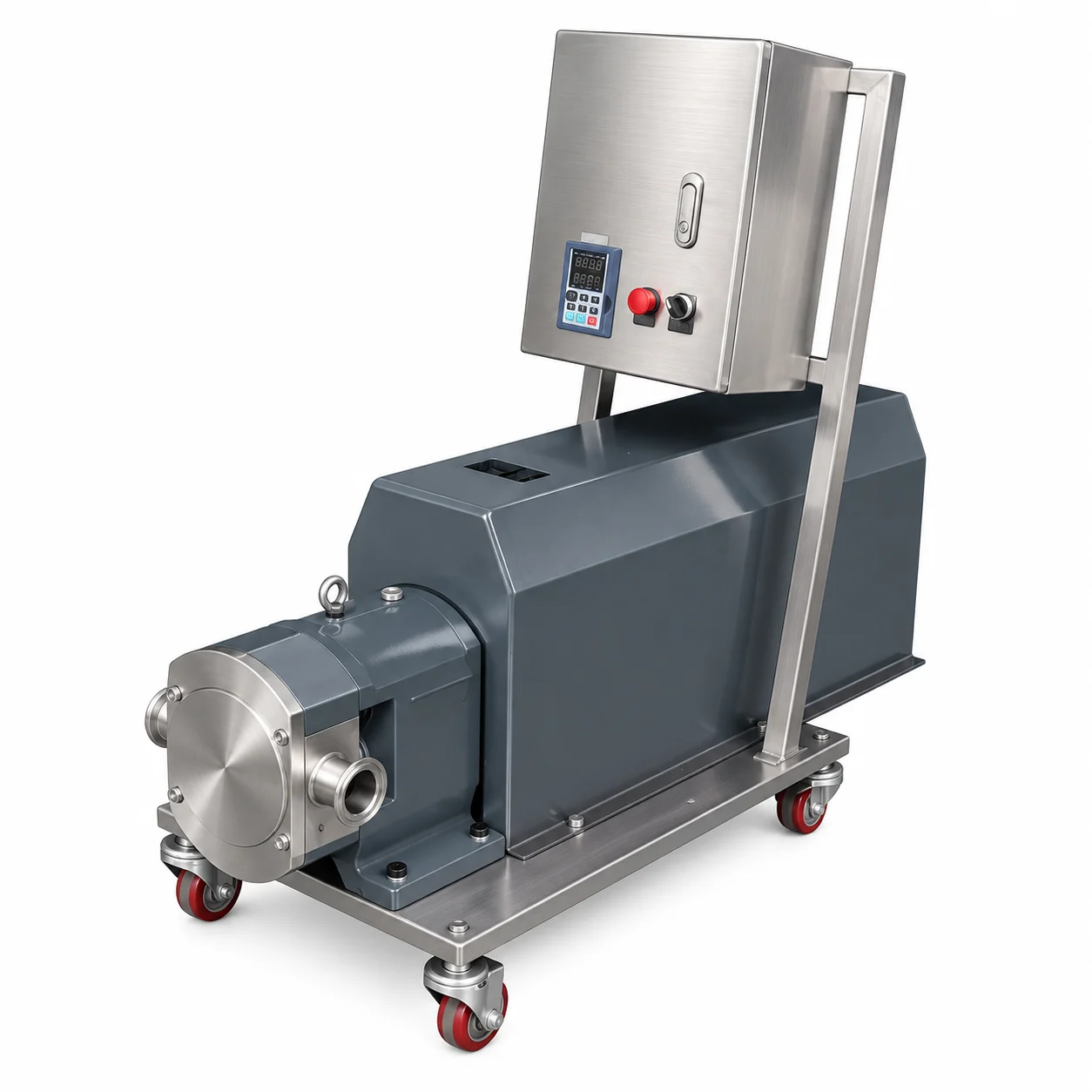
We provide a stainless steel rotary lobe pump for transporting chocolate, gels and grease. Based on your product, we can recommend the appropriate speed and type of seal for the pump to provide product to your depositor or filler. We can also assist in transferring viscous products between process equipment.
库存 100 件
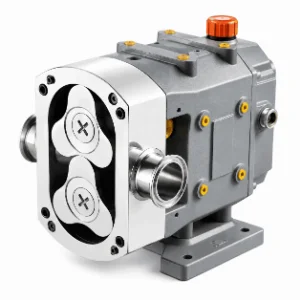
Rotor Optional
Three-Lobe Rotor
Applicable Liquids:
- Suitable for creams, liquids and sauces with low, medium and high viscosity, uniform texture and no hard granules.
- Example: Chocolate, honey, mashed potatoes and ice cream.
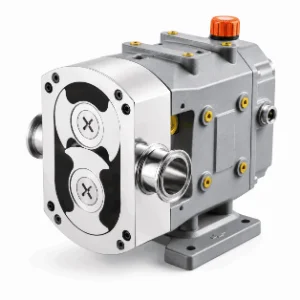
Butterfly Rotor
Applicable Liquids:
- Suitable for shear-free, non-destructive transfer of soft-grained sauces and small-particle materials.
- Example: Jam, pulp, juice, jelly and tomato sauce.
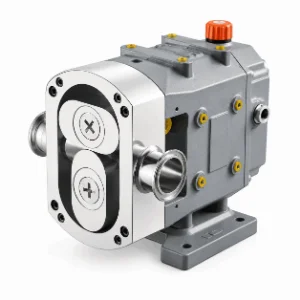
Single-Lobe Rotor
Applicable Liquids:
- Suitable for conveying materials containing larger solid particles while maintaining stable transfer.
- Example: Rock salt, chilli sauce and peanut butter.
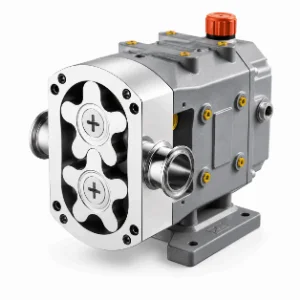
Multi-Lobe Rotor
Applicable Liquids:
- Suitable for creams, liquids and sauces with low, medium and high viscosity where higher output accuracy and smooth flow are required.
- Example: Chocolate, honey, cream, yoghurt, butter and grease.
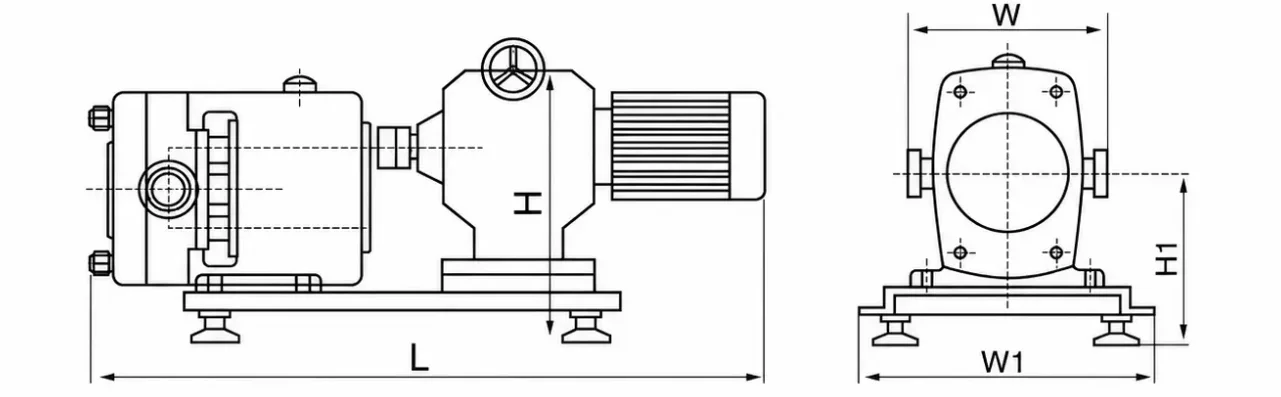
Parameter Chart
| Model | Flow per 100 Rotation |
Power (kW) |
Suggested RPM |
Capacity (L/H) |
Diameter | L | H | H1 | W | W1 | Connection Type |
|---|---|---|---|---|---|---|---|---|---|---|---|
| ZB3A-3 | 3L | 0.55 | 200-500 | 300-800 | Φ25×1.5 | 710 | 290 | 150 | 150 | 240 | Clamp / Thread / Flange |
| ZB3A-6 | 6L | 0.75 | 200-500 | 650-1600 | Φ25×1.5 | 780 | 390 | 170 | 190 | 240 | Clamp / Thread / Flange |
| ZB3A-8 | 8L | 1.5 | 200-500 | 850-2160 | Φ38×1.5 | 850 | 400 | 170 | 190 | 280 | Clamp / Thread / Flange |
| ZB3A-12 | 12L | 2.2 | 200-500 | 1300-3200 | Φ38×1.5 | 980 | 450 | 185 | 220 | 330 | Clamp / Thread / Flange |
| ZB3A-20 | 20L | 3 | 200-500 | 2100-5400 | Φ38×1.5 | 1000 | 450 | 190 | 250 | 330 | Clamp / Thread / Flange |
| ZB3A-30 | 30L | 4 | 200-500 | 3200-6400 | Φ50.8×1.5 | 1050 | 480 | 220 | 270 | 350 | Clamp / Thread / Flange |
| ZB3A-36 | 36L | 4 | 200-400 | 3800-7600 | Φ50.8×1.5 | 1100 | 490 | 220 | 270 | 360 | Clamp / Thread / Flange |
| ZB3A-52 | 52L | 5.5 | 200-400 | 5600-11000 | Φ63×1.5 | 1250 | 580 | 260 | 270 | 480 | Clamp / Thread / Flange |
| ZB3A-66 | 66L | 7.5 | 200-400 | 7100-14000 | Φ76×1.5 | 1350 | 600 | 260 | 270 | 480 | Clamp / Thread / Flange |
| ZB3A-78 | 78L | 7.5 | 200-400 | 9000-18000 | Φ76×1.5 | 1260 | 600 | 295 | 370 | 480 | Clamp / Thread / Flange |
| ZB3A-100 | 100L | 11 | 200-400 | 11000-22000 | Φ76×2 | 1320 | 670 | 295 | 370 | 480 | Clamp / Thread / Flange |
| ZB3A-135 | 135L | 15 | 200-400 | 15000-30000 | Φ89×2 | 1500 | 670 | 295 | 370 | 480 | Clamp / Thread / Flange |
| ZB3A-160 | 160L | 18.5 | 200-400 | 17000-34000 | Φ102×3 | 1500 | 720 | 320 | 420 | 560 | Clamp / Thread / Flange |
| ZB3A-200 | 200L | 22 | 200-400 | 21600-43000 | Φ102×3 | 1500 | 720 | 320 | 420 | 560 | Clamp / Thread / Flange |
| ZB3A-300 | 300L | 30 | 200-400 | 32400-64800 | Φ125×3 | 1650 | 800 | 400 | 480 | 620 | Clamp / Thread / Flange |
| ZB3A-400 | 400L | 37 | 200-400 | 43200-86400 | Φ150×3 | 1700 | 800 | 400 | 480 | 620 | Clamp / Thread / Flange |
Piping can also be insulated or ‘jacketed’ to retain heat. Heat tracing should also be considered. These solutions should be assessed on a case by case basis to determine if they are feasible for the particular process.
Gel Transfers
For transfer of gels, particularly those that thin on shear, we recommend the use of a flooded feed. This feed increases the liquid level in the pump chamber and allows for less shear to occur, therefore minimizing air incorporation. Restriction in the piping system can also contribute to shear on the product.
Industrial Greases and Edible Fats
Viscosity of edible fats should be assessed at the lowest transfer temperature to allow for determination of the optimum transfer rate. Food-contact surfaces of the pumps should also be assessed to confirm they meet the requirements of the end product. Consistency of an industrial grease may also impact the means by which it is transferred to the pump.
We test industrial grease service under real world conditions to separate food and lubricant handling.
Configuration and Technical Specifications
We verify the following for your order with the information provided in the product listing:
| Type and design of the rotary lobe positive displacement pump |
| Construction of the pump |
| Media to be conveyed |
| Temperature range of operation |
| Wetted parts of the pump should be of adequate contact with food to ensure compatibility |
| Flow and pressure requirements |
| Pump drive and installation |
Prior to order placement the following should be determined:
| For a given grease or fluid what is its viscosity and would it readily flow through the pump? |
| What is the elevation of the discharge of the pump? |
| What are the restrictions down stream from the pump? |
| What are the dimensions of the tank outlet? |
| What is the length of the tube connecting the tank outlet to the pump inlet? |
Knowing the above would help determine the differential pressure required to transfer the media and determine the size of the drive for the pump.
Prior to specifying a new pump we consider the size of the ports on the pump, the footprint, and the clearance required to remove the cover, rotors and seals.
We are looking at the pressure relief arrangement again because the positive displacement pump will continue to displace product against a blocked outlet.
Faq’s
Will the pump be able to move chocolate once the line has been stopped for an extended period of time?
Chocolate will eventually harden and become very viscous in the piping and in the pump. We need to estimate at what temperature the chocolate will still flow, and adjust the drive to provide the minimum flow necessary to move the chocolate.
Is it possible to adjust the flow of gel by changing the speed of the pump?
Yes, however the inlet of the pump must be submerged in the gel to allow the pump to draw in enough gel to fill the rotor cavities. We evaluate the effects of shear on the gel to determine if the gel will be damaged at the flow rates set on the drive.
Will this pump be able to extract thick grease from a drum?
That depends on the grease. If the grease doesn’t easily flow into the pump’s inlet it may not be possible to use this pump to extract it.
What seals and alloys should be used to contact food to comply with food service?
We select seals and alloys to withstand the temperature and come in contact with the type of food being processed and the chemicals used to clean the equipment.
To confirm the build, send us copies of your food contact documentation and your plant’s surface finish requirements.
Is the pump suitable for Cleaning-in-Place?
This would depend on the pump’s geometry and seal configuration, in combination with your chosen cleaning cycle. Some processes may require the pump to be disassembled prior to cleaning.
What horsepower motor would be required to drive this pump?
This would depend on the characteristics of the fluid being pumped, the flow and the pressure increase across the pump. In the case of chocolate and similar thick fluids the motor and gearbox would also need to be rated for very low temperature operation.
Request a Quote
To provide you with a quote for the pump we would also need to know what fluid you intend to transport, the flow rate and the temperature at which the fluid would be at during pumping and at pump startup.

Piping can also be insulated or ‘jacketed’ to retain heat. Heat tracing should also be considered. These solutions should be assessed on a case by case basis to determine if they are feasible for the particular process.
Gel Transfers
For transfer of gels, particularly those that thin on shear, we recommend the use of a flooded feed. This feed increases the liquid level in the pump chamber and allows for less shear to occur, therefore minimizing air incorporation. Restriction in the piping system can also contribute to shear on the product.
Industrial Greases and Edible Fats
Viscosity of edible fats should be assessed at the lowest transfer temperature to allow for determination of the optimum transfer rate. Food-contact surfaces of the pumps should also be assessed to confirm they meet the requirements of the end product. Consistency of an industrial grease may also impact the means by which it is transferred to the pump.
We test industrial grease service under real world conditions to separate food and lubricant handling.
Configuration and Technical Specifications
We verify the following for your order with the information provided in the product listing:
| Type and design of the rotary lobe positive displacement pump |
| Construction of the pump |
| Media to be conveyed |
| Temperature range of operation |
| Wetted parts of the pump should be of adequate contact with food to ensure compatibility |
| Flow and pressure requirements |
| Pump drive and installation |
Prior to order placement the following should be determined:
| For a given grease or fluid what is its viscosity and would it readily flow through the pump? |
| What is the elevation of the discharge of the pump? |
| What are the restrictions down stream from the pump? |
| What are the dimensions of the tank outlet? |
| What is the length of the tube connecting the tank outlet to the pump inlet? |
Knowing the above would help determine the differential pressure required to transfer the media and determine the size of the drive for the pump.
Prior to specifying a new pump we consider the size of the ports on the pump, the footprint, and the clearance required to remove the cover, rotors and seals.
We are looking at the pressure relief arrangement again because the positive displacement pump will continue to displace product against a blocked outlet.
Faq’s
Will the pump be able to move chocolate once the line has been stopped for an extended period of time?
Chocolate will eventually harden and become very viscous in the piping and in the pump. We need to estimate at what temperature the chocolate will still flow, and adjust the drive to provide the minimum flow necessary to move the chocolate.
Is it possible to adjust the flow of gel by changing the speed of the pump?
Yes, however the inlet of the pump must be submerged in the gel to allow the pump to draw in enough gel to fill the rotor cavities. We evaluate the effects of shear on the gel to determine if the gel will be damaged at the flow rates set on the drive.
Will this pump be able to extract thick grease from a drum?
That depends on the grease. If the grease doesn’t easily flow into the pump’s inlet it may not be possible to use this pump to extract it.
What seals and alloys should be used to contact food to comply with food service?
We select seals and alloys to withstand the temperature and come in contact with the type of food being processed and the chemicals used to clean the equipment.
To confirm the build, send us copies of your food contact documentation and your plant’s surface finish requirements.
Is the pump suitable for Cleaning-in-Place?
This would depend on the pump’s geometry and seal configuration, in combination with your chosen cleaning cycle. Some processes may require the pump to be disassembled prior to cleaning.
What horsepower motor would be required to drive this pump?
This would depend on the characteristics of the fluid being pumped, the flow and the pressure increase across the pump. In the case of chocolate and similar thick fluids the motor and gearbox would also need to be rated for very low temperature operation.
Request a Quote
To provide you with a quote for the pump we would also need to know what fluid you intend to transport, the flow rate and the temperature at which the fluid would be at during pumping and at pump startup.

MAECENAS IACULIS
Vestibulum curae torquent diam diam commodo parturient penatibus nunc dui adipiscing convallis bulum parturient suspendisse parturient a.Parturient in parturient scelerisque nibh lectus quam a natoque adipiscing a vestibulum hendrerit et pharetra fames nunc natoque dui.
ADIPISCING CONVALLIS BULUM
- Vestibulum penatibus nunc dui adipiscing convallis bulum parturient suspendisse.
- Abitur parturient praesent lectus quam a natoque adipiscing a vestibulum hendre.
- Diam parturient dictumst parturient scelerisque nibh lectus.
Scelerisque adipiscing bibendum sem vestibulum et in a a a purus lectus faucibus lobortis tincidunt purus lectus nisl class eros.Condimentum a et ullamcorper dictumst mus et tristique elementum nam inceptos hac parturient scelerisque vestibulum amet elit ut volutpat.