Self-Priming Rotary Lobe Pump for Chocolate and Honey
$2,886.22 原价为:$2,886.22。$1,970.86当前价格为:$1,970.86。
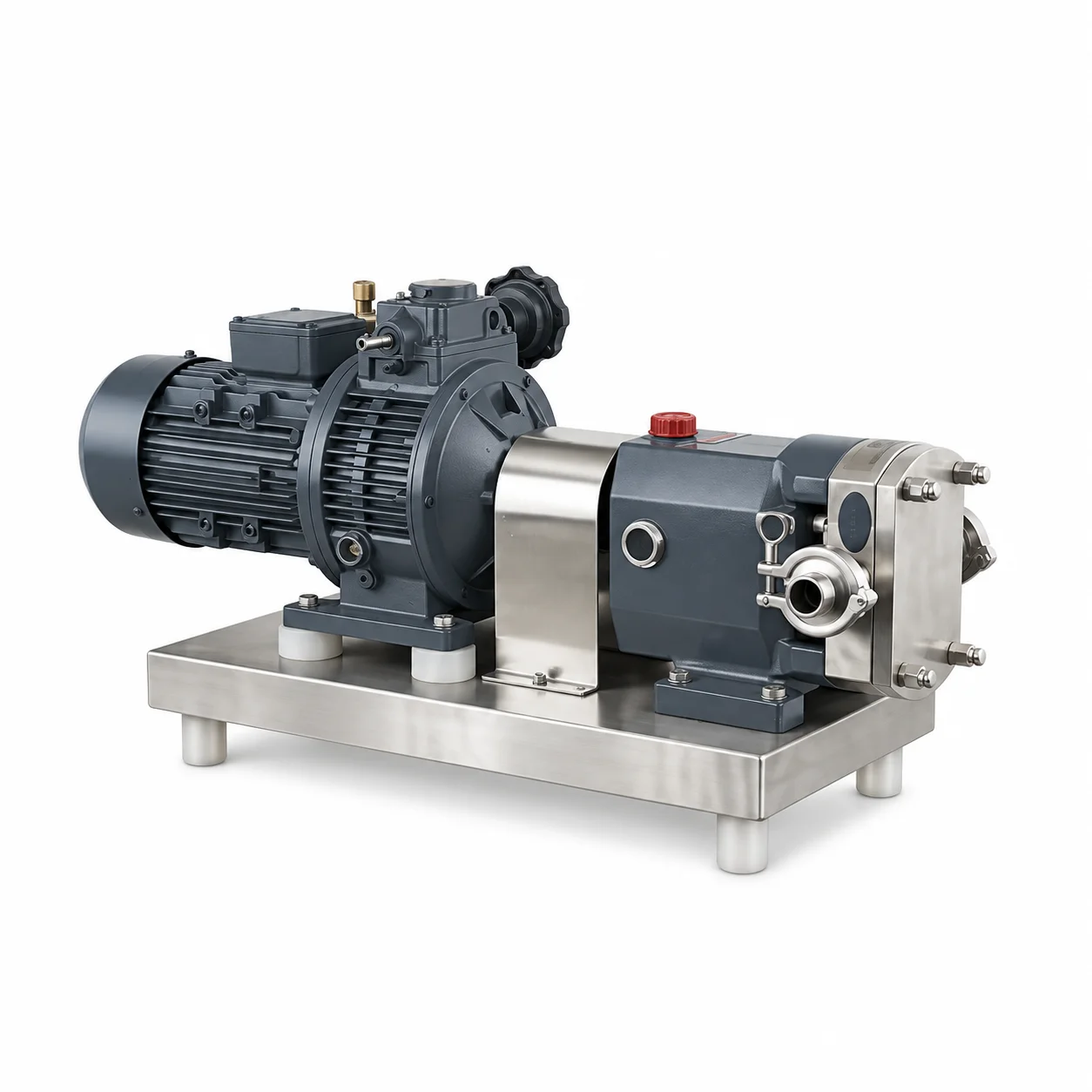
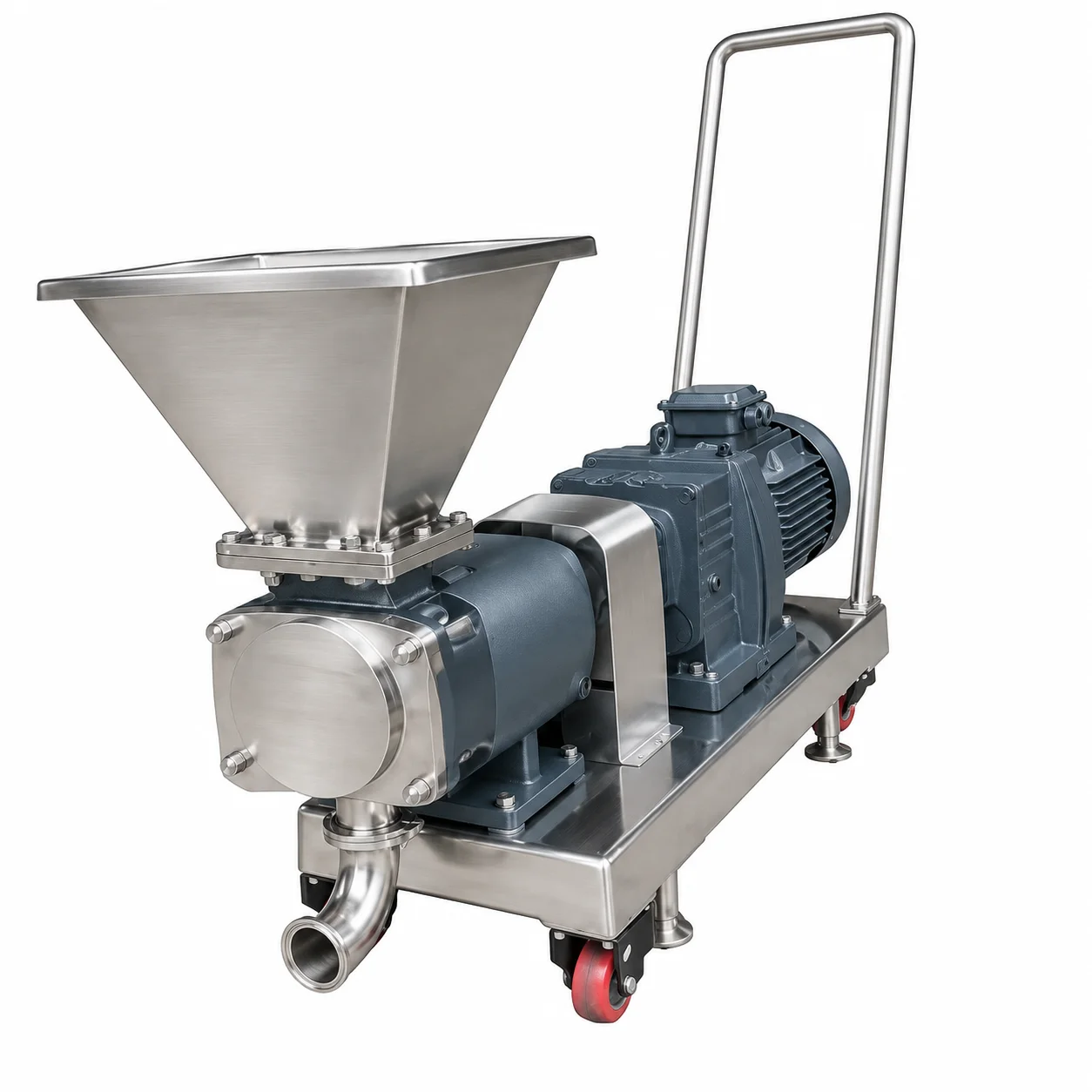
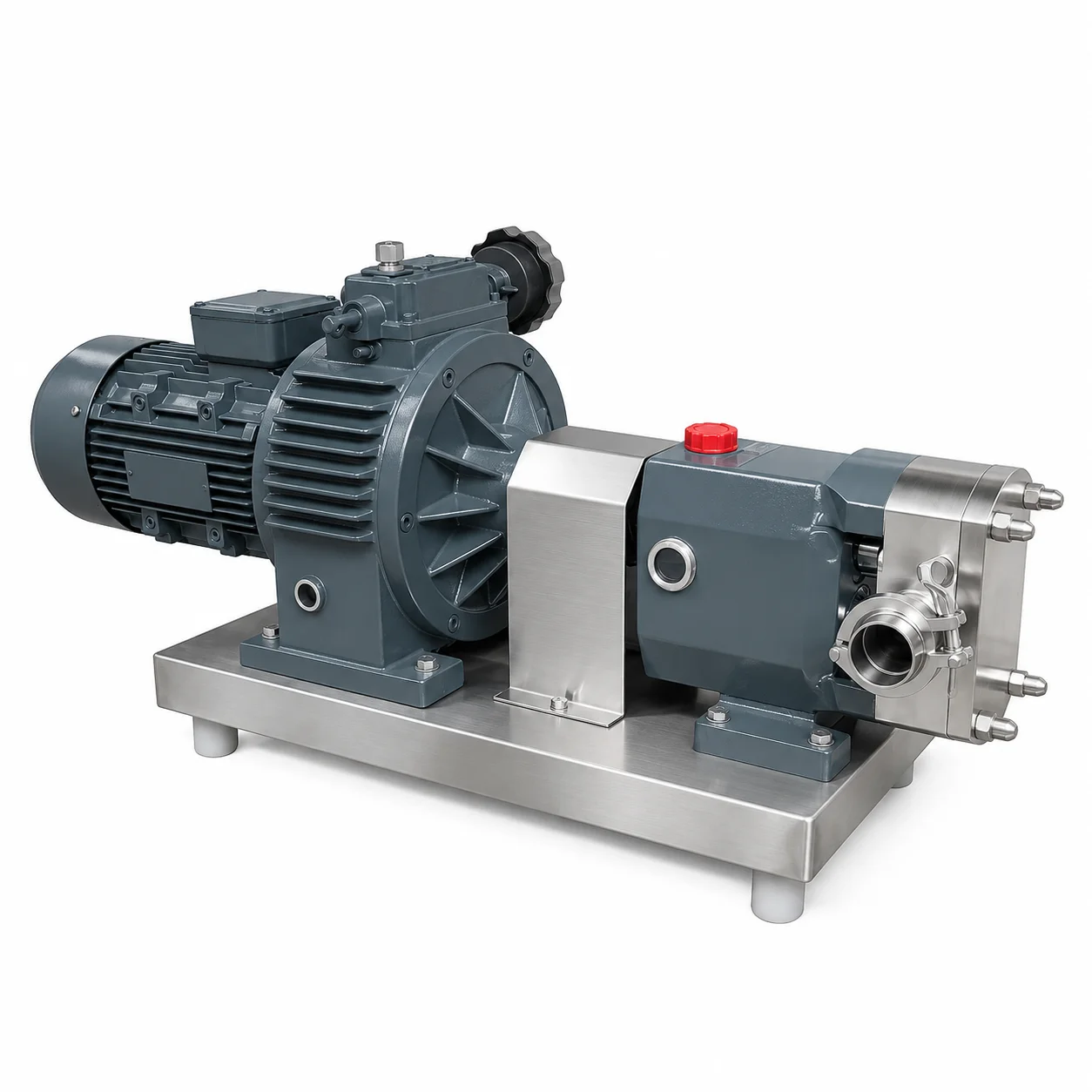
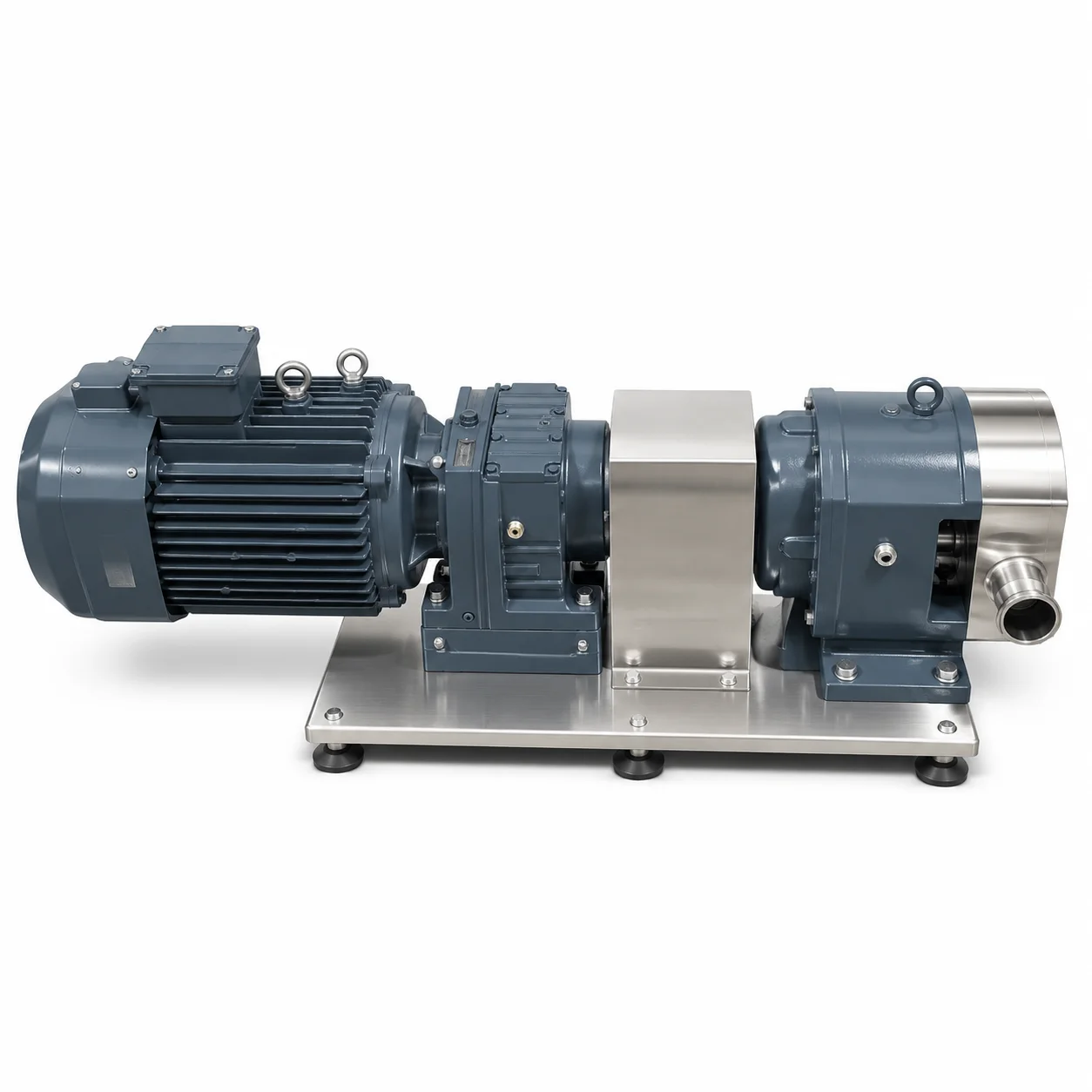
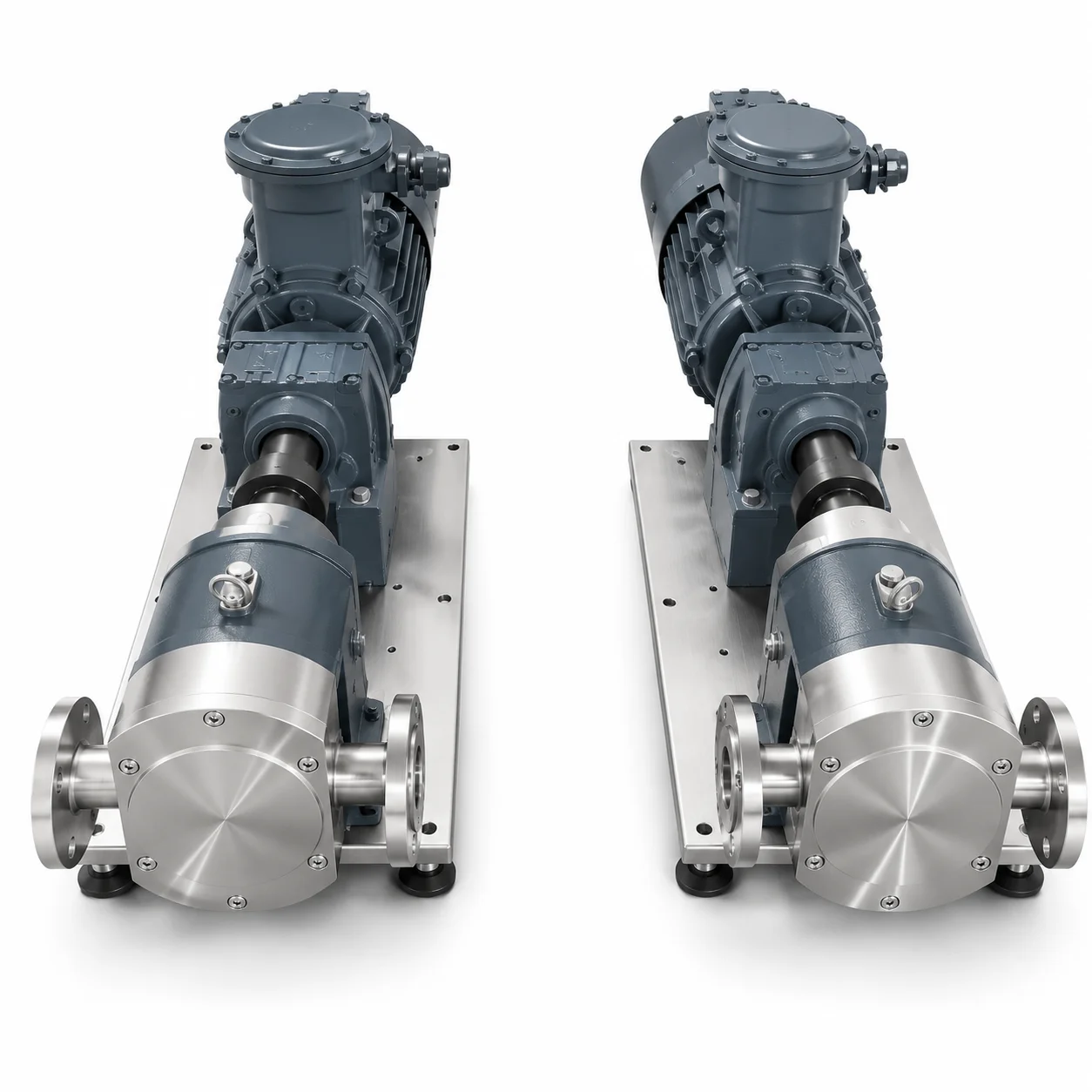
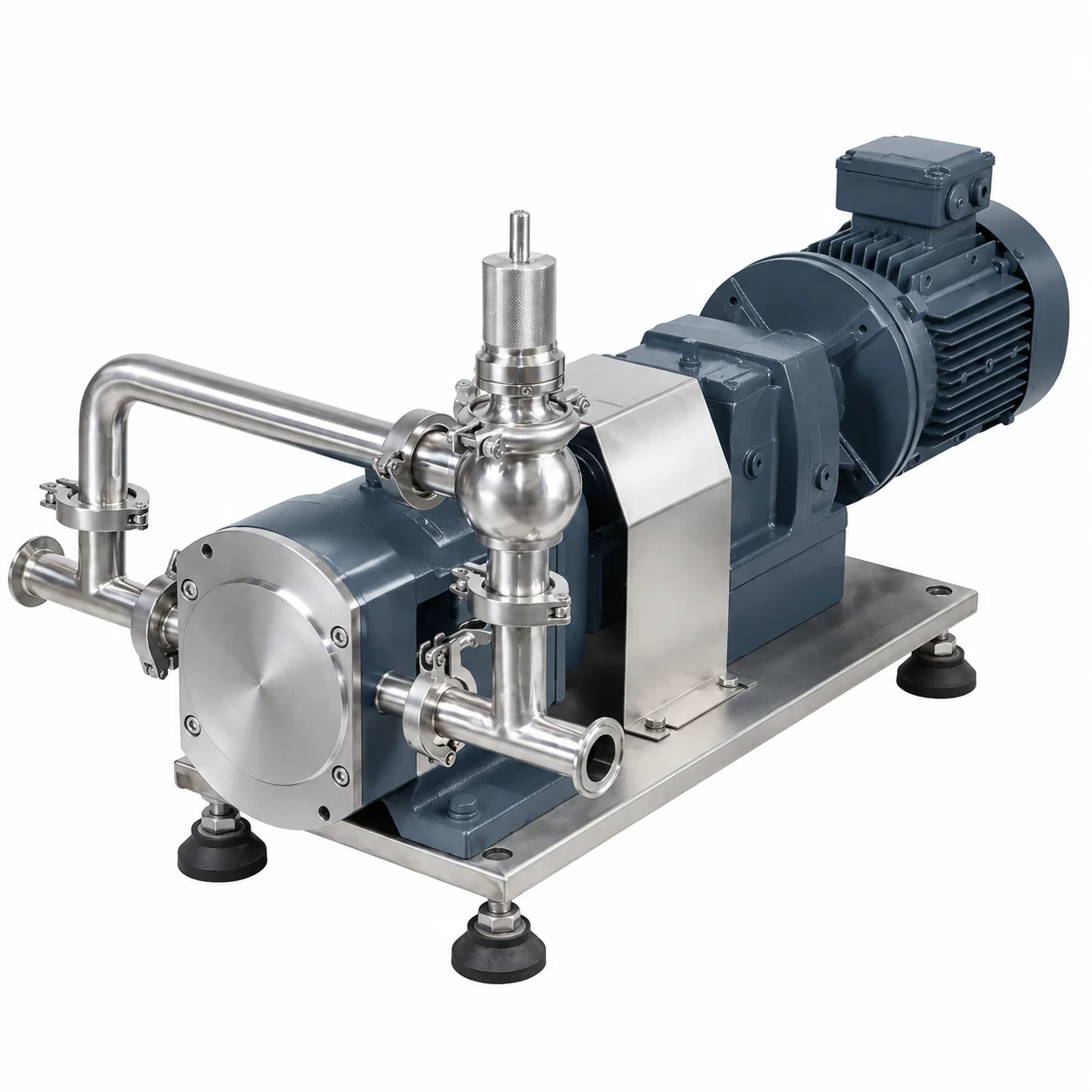
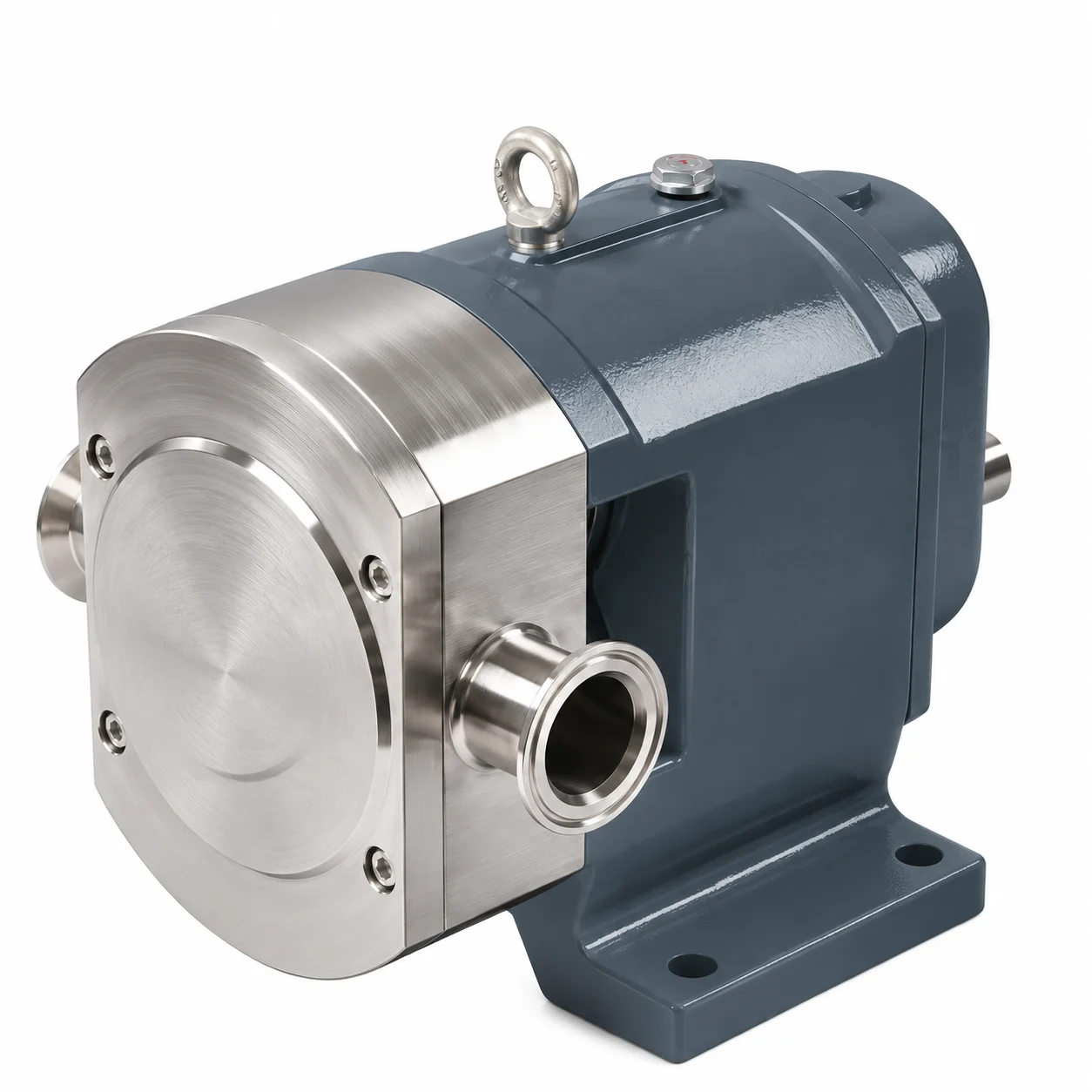
We have a self-priming rotary lobe pump that is ideal for transferring honey and other high viscosity products. With your product’s temperature and flow rate, as well as the layout of the piping in your system, we can recommend the appropriate pump and drive to use in your application.
库存 100 件
Rotor Optional
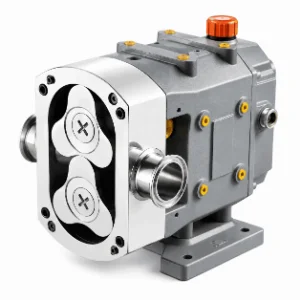
Three-Lobe Rotor
Applicable Liquids:
- Suitable for creams, liquids and sauces with low, medium and high viscosity, uniform texture and no hard granules.
- Example: Chocolate, honey, mashed potatoes and ice cream.
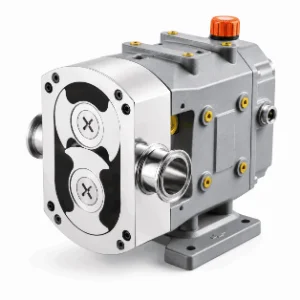
Butterfly Rotor
Applicable Liquids:
- Suitable for shear-free, non-destructive transfer of soft-grained sauces and small-particle materials.
- Example: Jam, pulp, juice, jelly and tomato sauce.
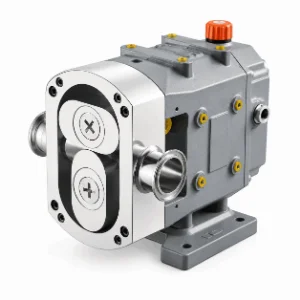
Single-Lobe Rotor
Applicable Liquids:
- Suitable for conveying materials containing larger solid particles while maintaining stable transfer.
- Example: Rock salt, chilli sauce and peanut butter.
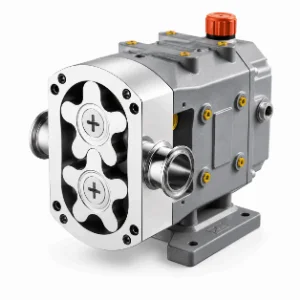
Multi-Lobe Rotor
Applicable Liquids:
- Suitable for creams, liquids and sauces with low, medium and high viscosity where higher output accuracy and smooth flow are required.
- Example: Chocolate, honey, cream, yoghurt, butter and grease.
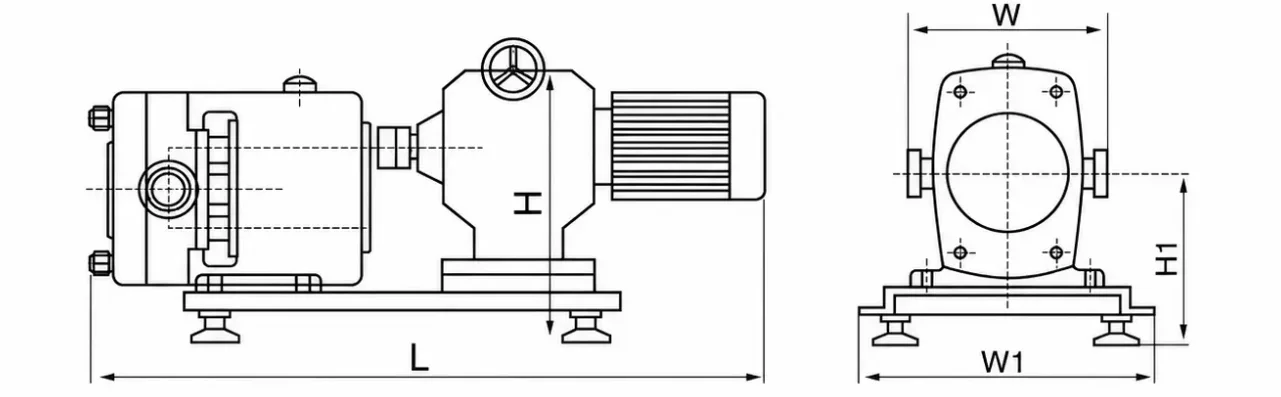
Parameter Chart
| Model | Flow per 100 Rotation |
Power (kW) |
Suggested RPM |
Capacity (L/H) |
Diameter | L | H | H1 | W | W1 | Connection Type |
|---|---|---|---|---|---|---|---|---|---|---|---|
| ZB3A-3 | 3L | 0.55 | 200-500 | 300-800 | Φ25×1.5 | 710 | 290 | 150 | 150 | 240 | Clamp / Thread / Flange |
| ZB3A-6 | 6L | 0.75 | 200-500 | 650-1600 | Φ25×1.5 | 780 | 390 | 170 | 190 | 240 | Clamp / Thread / Flange |
| ZB3A-8 | 8L | 1.5 | 200-500 | 850-2160 | Φ38×1.5 | 850 | 400 | 170 | 190 | 280 | Clamp / Thread / Flange |
| ZB3A-12 | 12L | 2.2 | 200-500 | 1300-3200 | Φ38×1.5 | 980 | 450 | 185 | 220 | 330 | Clamp / Thread / Flange |
| ZB3A-20 | 20L | 3 | 200-500 | 2100-5400 | Φ38×1.5 | 1000 | 450 | 190 | 250 | 330 | Clamp / Thread / Flange |
| ZB3A-30 | 30L | 4 | 200-500 | 3200-6400 | Φ50.8×1.5 | 1050 | 480 | 220 | 270 | 350 | Clamp / Thread / Flange |
| ZB3A-36 | 36L | 4 | 200-400 | 3800-7600 | Φ50.8×1.5 | 1100 | 490 | 220 | 270 | 360 | Clamp / Thread / Flange |
| ZB3A-52 | 52L | 5.5 | 200-400 | 5600-11000 | Φ63×1.5 | 1250 | 580 | 260 | 270 | 480 | Clamp / Thread / Flange |
| ZB3A-66 | 66L | 7.5 | 200-400 | 7100-14000 | Φ76×1.5 | 1350 | 600 | 260 | 270 | 480 | Clamp / Thread / Flange |
| ZB3A-78 | 78L | 7.5 | 200-400 | 9000-18000 | Φ76×1.5 | 1260 | 600 | 295 | 370 | 480 | Clamp / Thread / Flange |
| ZB3A-100 | 100L | 11 | 200-400 | 11000-22000 | Φ76×2 | 1320 | 670 | 295 | 370 | 480 | Clamp / Thread / Flange |
| ZB3A-135 | 135L | 15 | 200-400 | 15000-30000 | Φ89×2 | 1500 | 670 | 295 | 370 | 480 | Clamp / Thread / Flange |
| ZB3A-160 | 160L | 18.5 | 200-400 | 17000-34000 | Φ102×3 | 1500 | 720 | 320 | 420 | 560 | Clamp / Thread / Flange |
| ZB3A-200 | 200L | 22 | 200-400 | 21600-43000 | Φ102×3 | 1500 | 720 | 320 | 420 | 560 | Clamp / Thread / Flange |
| ZB3A-300 | 300L | 30 | 200-400 | 32400-64800 | Φ125×3 | 1650 | 800 | 400 | 480 | 620 | Clamp / Thread / Flange |
| ZB3A-400 | 400L | 37 | 200-400 | 43200-86400 | Φ150×3 | 1700 | 800 | 400 | 480 | 620 | Clamp / Thread / Flange |
Self-Priming Rotary Lobe Pumps for Chocolate and Honey
This self-priming pump is designed to move high viscosity products such as chocolate and honey. For chocolate we take into account the distance the product must travel as well as the temperature of the product at the inlet of the pump. Honey is also affected by the temperature of the product. Cool honey can crystallize making it very difficult for the pump to draw and transfer the product.
As the lobes of the pump rotate product is trapped in the pocket and transported around the interior of the pump to the outlet where it is expelled to the discharge line.
With chocolate and honey being such high viscosity products the amount of suction lift the pump needs to generate in order to draw the product into the lobes determines how effective the pump will be. Long and narrow suction lines increase the amount of pressure loss and reduce the product flow. Using a larger diameter suction line of less length will increase the flow. If space permits on the tank, creating a ‘flooded’ inlet will also assist the pump in drawing product.
Follow the model-specific priming procedure to ensure the allowable dry running time of the seal prior to initial use.
Applications in Chocolate and Honey Processing
Melted Chocolate Transfer
This pump may be used to transfer melted chocolate from a holding tank to a tempering unit, depositor, or other vessel. It is recommended that the transfer line be insulated and traced to maintain the chocolate in a fluid state. If heat tracing and a jacketed pump are needed to prevent the chocolate from solidifying, they should be specified during the pump configuration.
Honey Tank to Filler
This pump may be used to move honey from a storage tank to a blending vessel or to the supply tank of a filler. Size the pump to handle the most viscous honey expected to be transferred. If the filler stops and starts to transfer successive batches, overpressure protection should also be provided to prevent damage to the pump.
Product Configuration and Technical Review
Pump type: Positive displacement, rotary lobe. Self-priming.
Enter allowable suction lift and starting suction head for the selected model.
Intended Media: High viscosity fluids including chocolate and honey.
Flow, Pressure and Viscosity: Verify operation within the specified limits at the required flow and temperature of the product to be transferred.
Wetted Parts and Seals: Verify the compatibility of housing and lobes with the product to be conveyed as well as the cleaner to be used.
Drive and Connections: Verify the size of the motor and gearbox to achieve the desired speed. Also verify the size of the connections to the pump.
CE Documentation: Provide the CE declaration of conformity of the entire assembly including the pump and motor.
If you wish to specify a stator, verify the part number on the drawing prior to ordering.
A rotary lobe pump can be easily varied to adjust the transfer rate to meet demand. We also consider the direction of the inlets and outlets of the pump to determine the ease with which the seals may be replaced.
To size the pump for your application you need to provide the transfer volume per batch as well as the time in which the batch needs to be transferred. Also include the viscosity of the product to be transferred at ambient temperature.
For chocolate products, provide viscosity data across the entire expected shear range.
Send the dimensions of the suction and discharge lines, the difference in elevation between the pump and the equipment being pumped to, and the type of equipment being pumped to. This will enable us to determine if the pump will be adequate to meet the demand of the application.
Also include the cleaning method to be used, the temperature of the chocolate, the electrical service available and the space available for installation.
With respect to the seals and other components of the pump we will be able to determine if they will come in contact with the chocolate.
Is the rotary lobe pump capable of moving both honey and chocolate?
Yes, we would just need to verify the temperature of the chocolate and determine the discharge pressure required to determine if the pump could be used for both.
What kind of suction lift would be required to move honey?
Again, this would depend on the model of the pump and its rotor speed as well as the length of the suction line. We usually set the starting temperature of the honey to the lowest expected.
Will chocolate need to be pumped with a heated pump?
This would be determined by how much heat the chocolate loses while waiting to be transferred.
To determine if a pump is suitable for the job we look at the operating temperature of the process, length of the run and average pauses.
Can the pump be adjusted to change the flow rate?
If yes, the pump can be paired with a variable speed drive to control the flow rate within certain limits. We would need to evaluate the filler to see if it has the ability to control the flow.
Is the pump designed to be cleaned in place?
There are several considerations to evaluate to determine if the pump is able to be cleaned in place. These include the type of seals and housings used, the direction of installation and the temperature and concentration of the cleaning agents used.
To confirm conformance to the essential requirements of the EU’s Construction Products Directive (CPD) ask for the declaration of conformity pertaining to the component in question.
To obtain a quote for a transfer line to move your product, complete the form at the bottom of this page to provide us with the approximate flow rate, temperature of the product to be transferred and the layout of the piping.

Self-Priming Rotary Lobe Pumps for Chocolate and Honey
This self-priming pump is designed to move high viscosity products such as chocolate and honey. For chocolate we take into account the distance the product must travel as well as the temperature of the product at the inlet of the pump. Honey is also affected by the temperature of the product. Cool honey can crystallize making it very difficult for the pump to draw and transfer the product.
As the lobes of the pump rotate product is trapped in the pocket and transported around the interior of the pump to the outlet where it is expelled to the discharge line.
With chocolate and honey being such high viscosity products the amount of suction lift the pump needs to generate in order to draw the product into the lobes determines how effective the pump will be. Long and narrow suction lines increase the amount of pressure loss and reduce the product flow. Using a larger diameter suction line of less length will increase the flow. If space permits on the tank, creating a ‘flooded’ inlet will also assist the pump in drawing product.
Follow the model-specific priming procedure to ensure the allowable dry running time of the seal prior to initial use.
Applications in Chocolate and Honey Processing
Melted Chocolate Transfer
This pump may be used to transfer melted chocolate from a holding tank to a tempering unit, depositor, or other vessel. It is recommended that the transfer line be insulated and traced to maintain the chocolate in a fluid state. If heat tracing and a jacketed pump are needed to prevent the chocolate from solidifying, they should be specified during the pump configuration.
Honey Tank to Filler
This pump may be used to move honey from a storage tank to a blending vessel or to the supply tank of a filler. Size the pump to handle the most viscous honey expected to be transferred. If the filler stops and starts to transfer successive batches, overpressure protection should also be provided to prevent damage to the pump.
Product Configuration and Technical Review
Pump type: Positive displacement, rotary lobe. Self-priming.
Enter allowable suction lift and starting suction head for the selected model.
Intended Media: High viscosity fluids including chocolate and honey.
Flow, Pressure and Viscosity: Verify operation within the specified limits at the required flow and temperature of the product to be transferred.
Wetted Parts and Seals: Verify the compatibility of housing and lobes with the product to be conveyed as well as the cleaner to be used.
Drive and Connections: Verify the size of the motor and gearbox to achieve the desired speed. Also verify the size of the connections to the pump.
CE Documentation: Provide the CE declaration of conformity of the entire assembly including the pump and motor.
If you wish to specify a stator, verify the part number on the drawing prior to ordering.
A rotary lobe pump can be easily varied to adjust the transfer rate to meet demand. We also consider the direction of the inlets and outlets of the pump to determine the ease with which the seals may be replaced.
To size the pump for your application you need to provide the transfer volume per batch as well as the time in which the batch needs to be transferred. Also include the viscosity of the product to be transferred at ambient temperature.
For chocolate products, provide viscosity data across the entire expected shear range.
Send the dimensions of the suction and discharge lines, the difference in elevation between the pump and the equipment being pumped to, and the type of equipment being pumped to. This will enable us to determine if the pump will be adequate to meet the demand of the application.
Also include the cleaning method to be used, the temperature of the chocolate, the electrical service available and the space available for installation.
With respect to the seals and other components of the pump we will be able to determine if they will come in contact with the chocolate.
Is the rotary lobe pump capable of moving both honey and chocolate?
Yes, we would just need to verify the temperature of the chocolate and determine the discharge pressure required to determine if the pump could be used for both.
What kind of suction lift would be required to move honey?
Again, this would depend on the model of the pump and its rotor speed as well as the length of the suction line. We usually set the starting temperature of the honey to the lowest expected.
Will chocolate need to be pumped with a heated pump?
This would be determined by how much heat the chocolate loses while waiting to be transferred.
To determine if a pump is suitable for the job we look at the operating temperature of the process, length of the run and average pauses.
Can the pump be adjusted to change the flow rate?
If yes, the pump can be paired with a variable speed drive to control the flow rate within certain limits. We would need to evaluate the filler to see if it has the ability to control the flow.
Is the pump designed to be cleaned in place?
There are several considerations to evaluate to determine if the pump is able to be cleaned in place. These include the type of seals and housings used, the direction of installation and the temperature and concentration of the cleaning agents used.
To confirm conformance to the essential requirements of the EU’s Construction Products Directive (CPD) ask for the declaration of conformity pertaining to the component in question.
To obtain a quote for a transfer line to move your product, complete the form at the bottom of this page to provide us with the approximate flow rate, temperature of the product to be transferred and the layout of the piping.

MAECENAS IACULIS
Vestibulum curae torquent diam diam commodo parturient penatibus nunc dui adipiscing convallis bulum parturient suspendisse parturient a.Parturient in parturient scelerisque nibh lectus quam a natoque adipiscing a vestibulum hendrerit et pharetra fames nunc natoque dui.
ADIPISCING CONVALLIS BULUM
- Vestibulum penatibus nunc dui adipiscing convallis bulum parturient suspendisse.
- Abitur parturient praesent lectus quam a natoque adipiscing a vestibulum hendre.
- Diam parturient dictumst parturient scelerisque nibh lectus.
Scelerisque adipiscing bibendum sem vestibulum et in a a a purus lectus faucibus lobortis tincidunt purus lectus nisl class eros.Condimentum a et ullamcorper dictumst mus et tristique elementum nam inceptos hac parturient scelerisque vestibulum amet elit ut volutpat.