Custom Sanitary Rotary Lobe Pump for Viscous Sugar Syrup
$2,715.96 原价为:$2,715.96。$1,865.52当前价格为:$1,865.52。
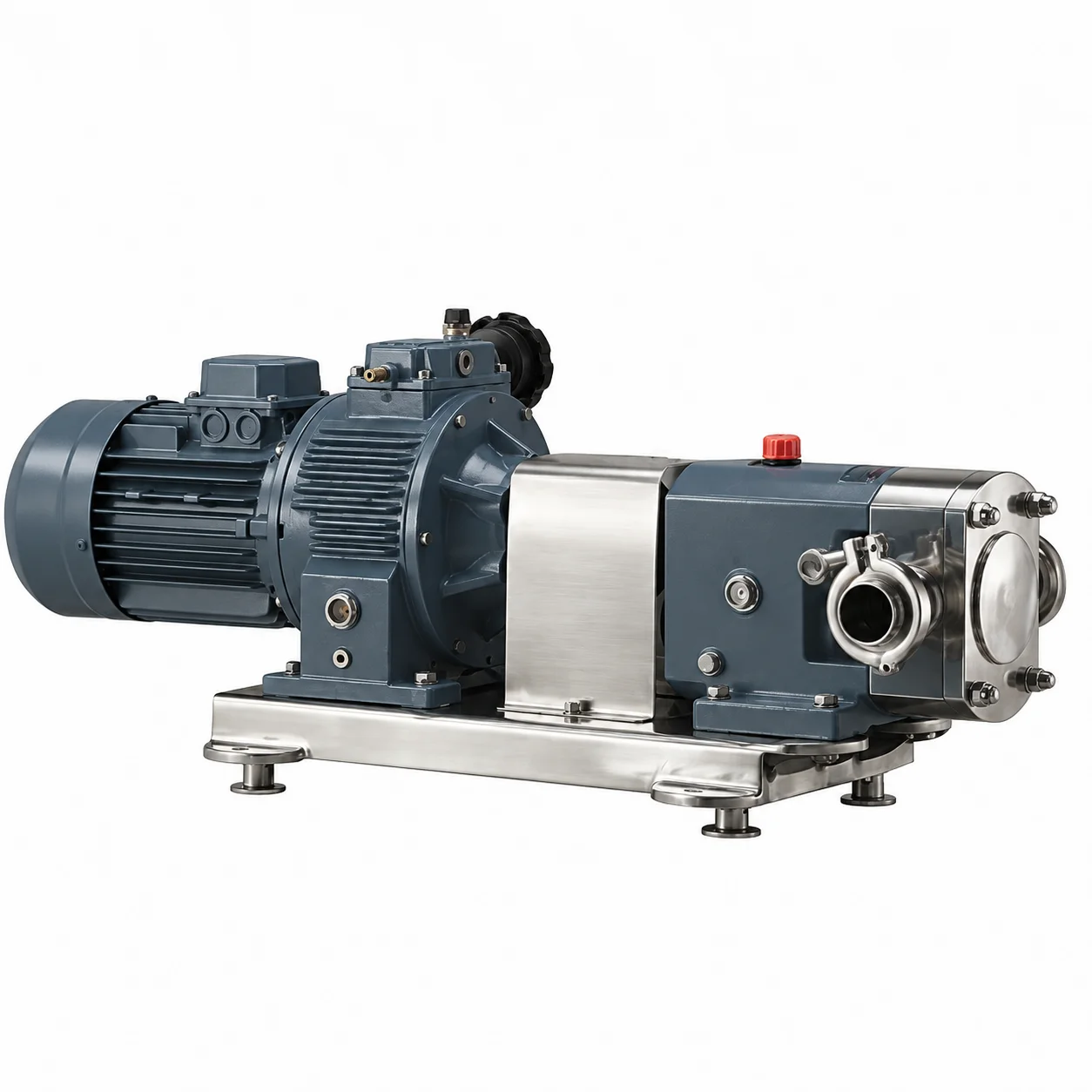
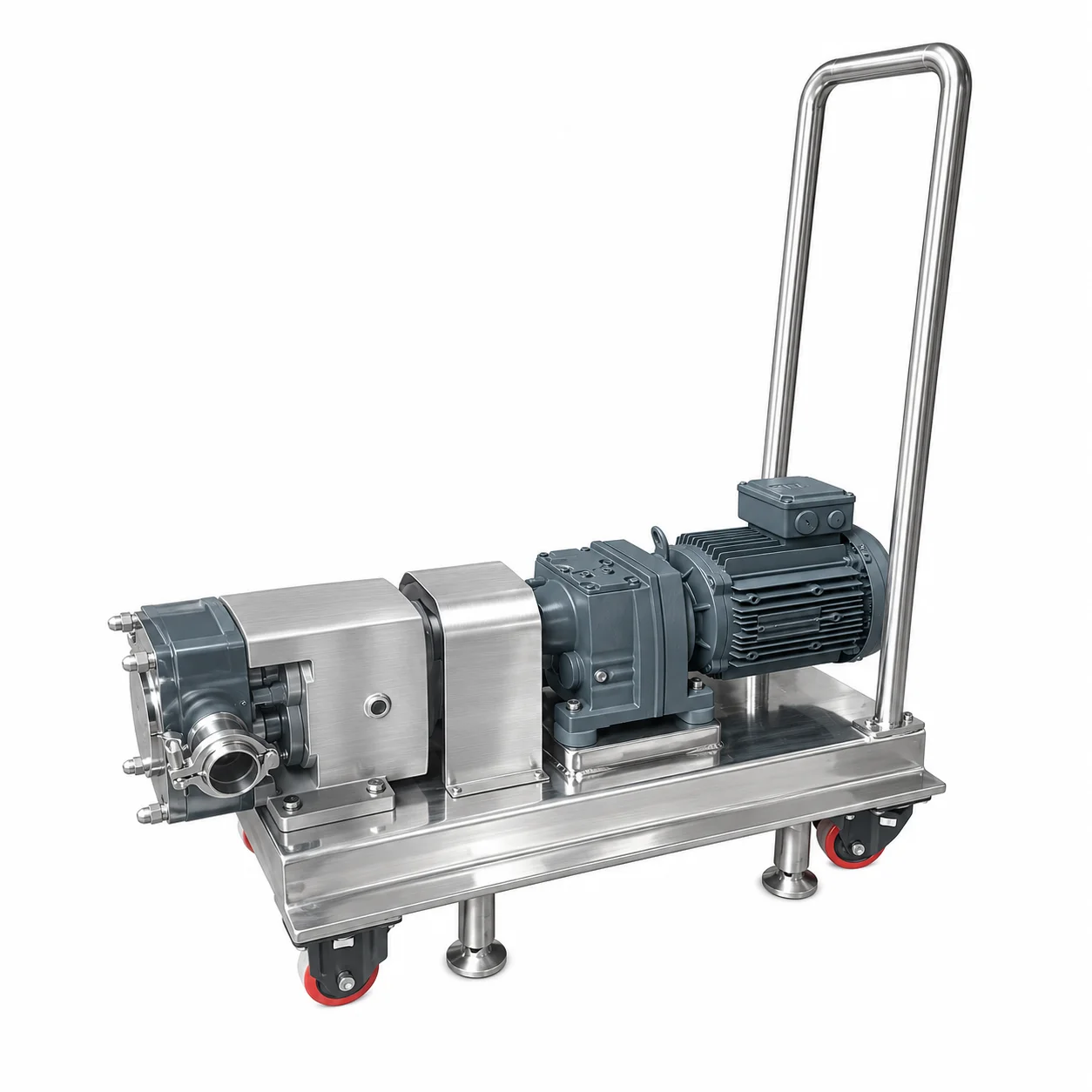
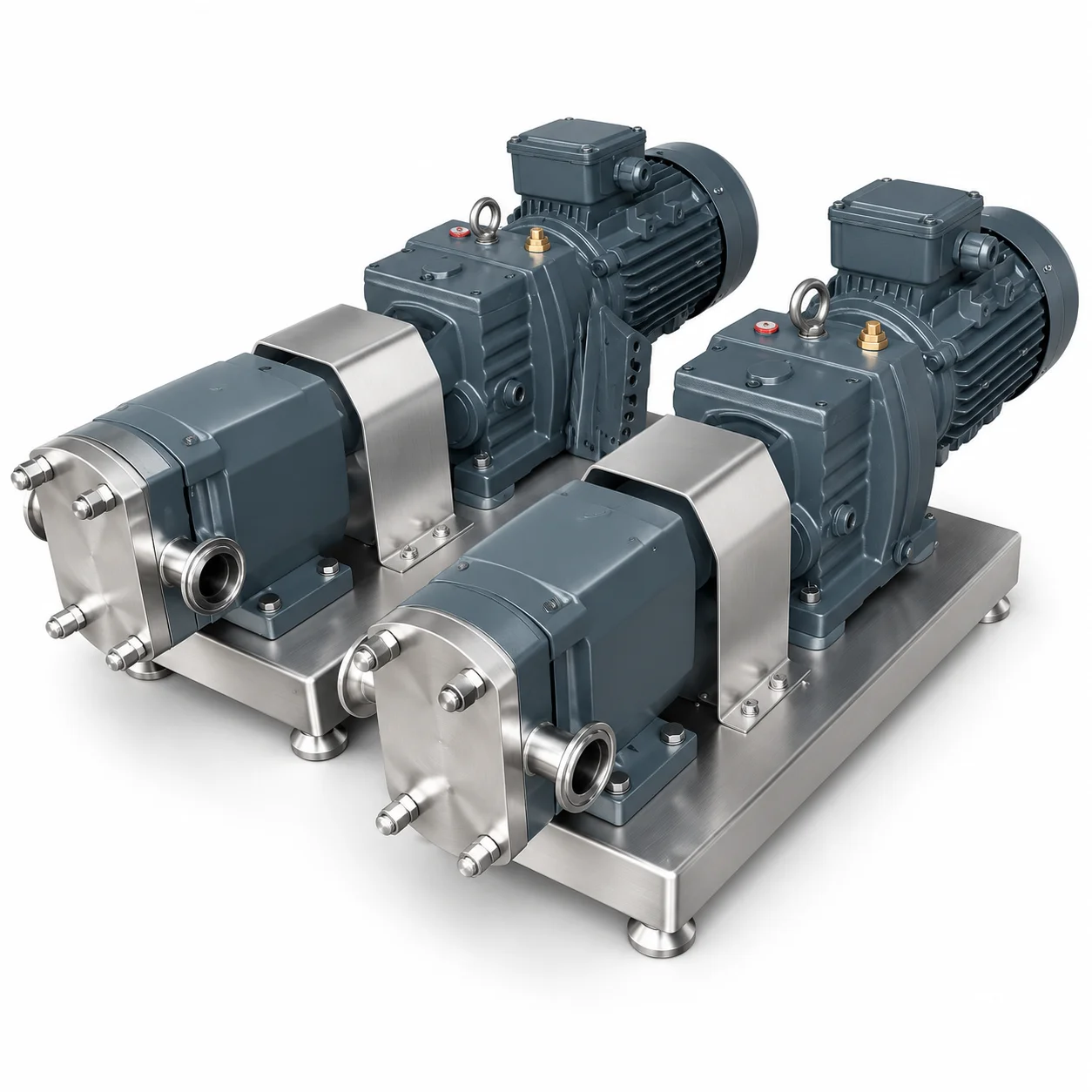
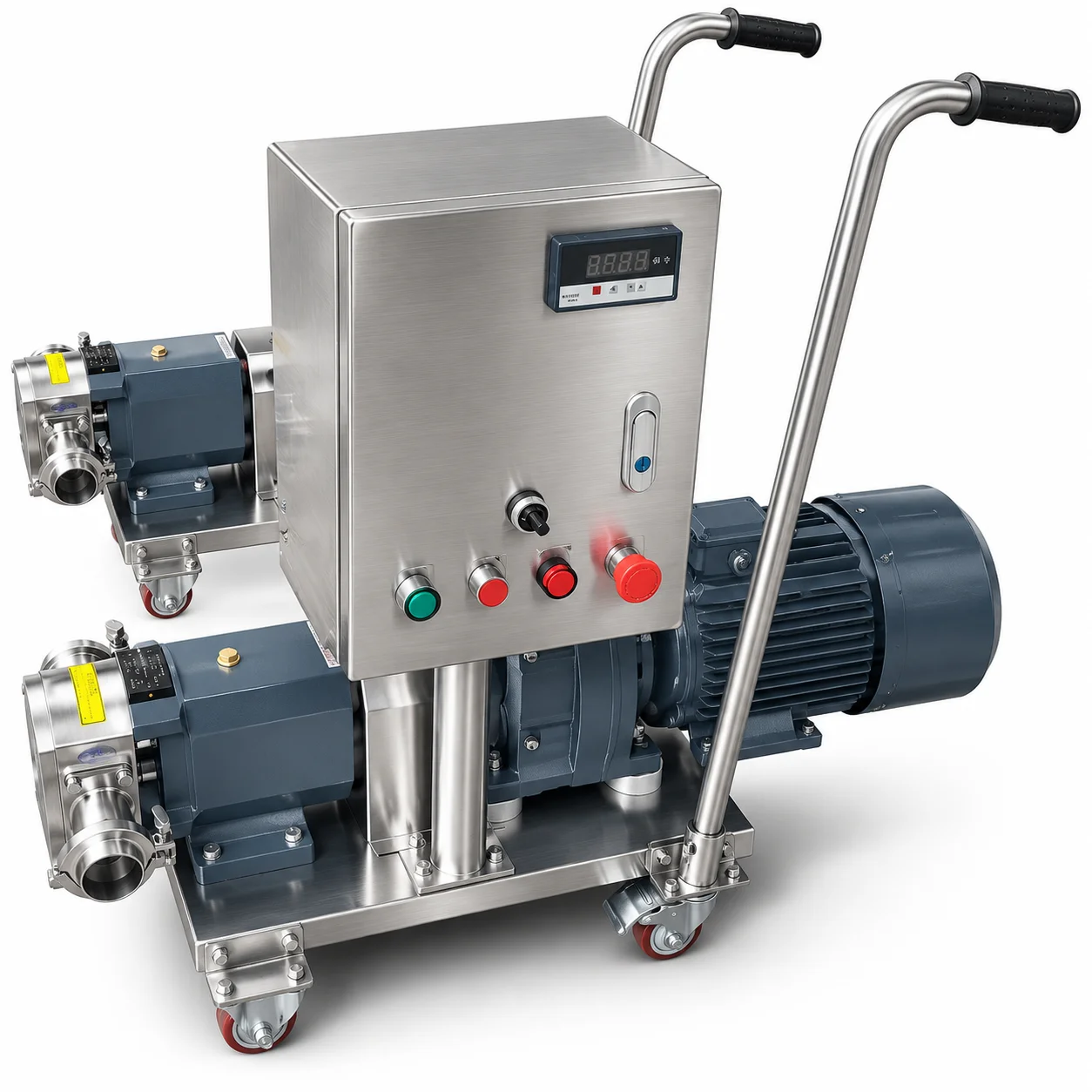
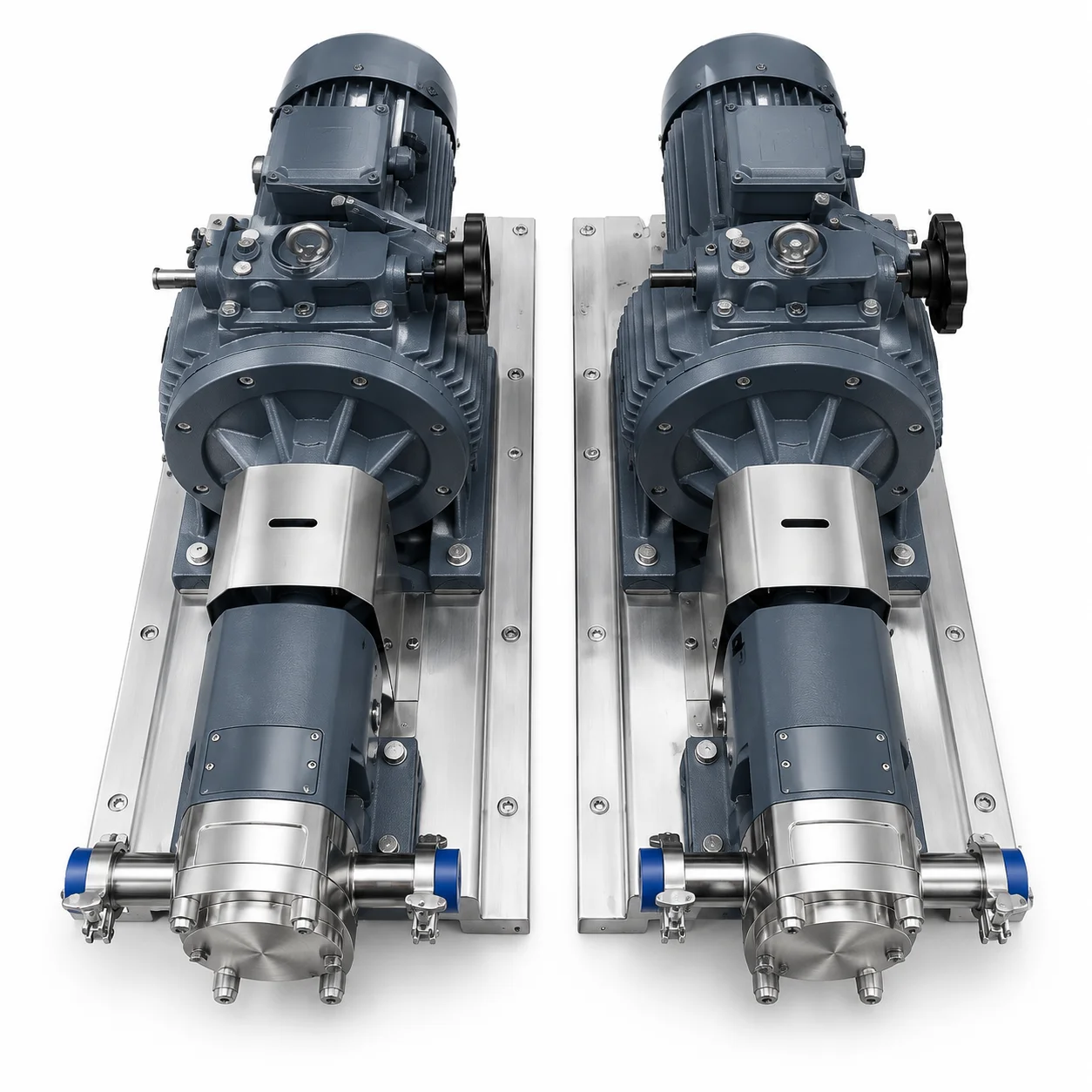
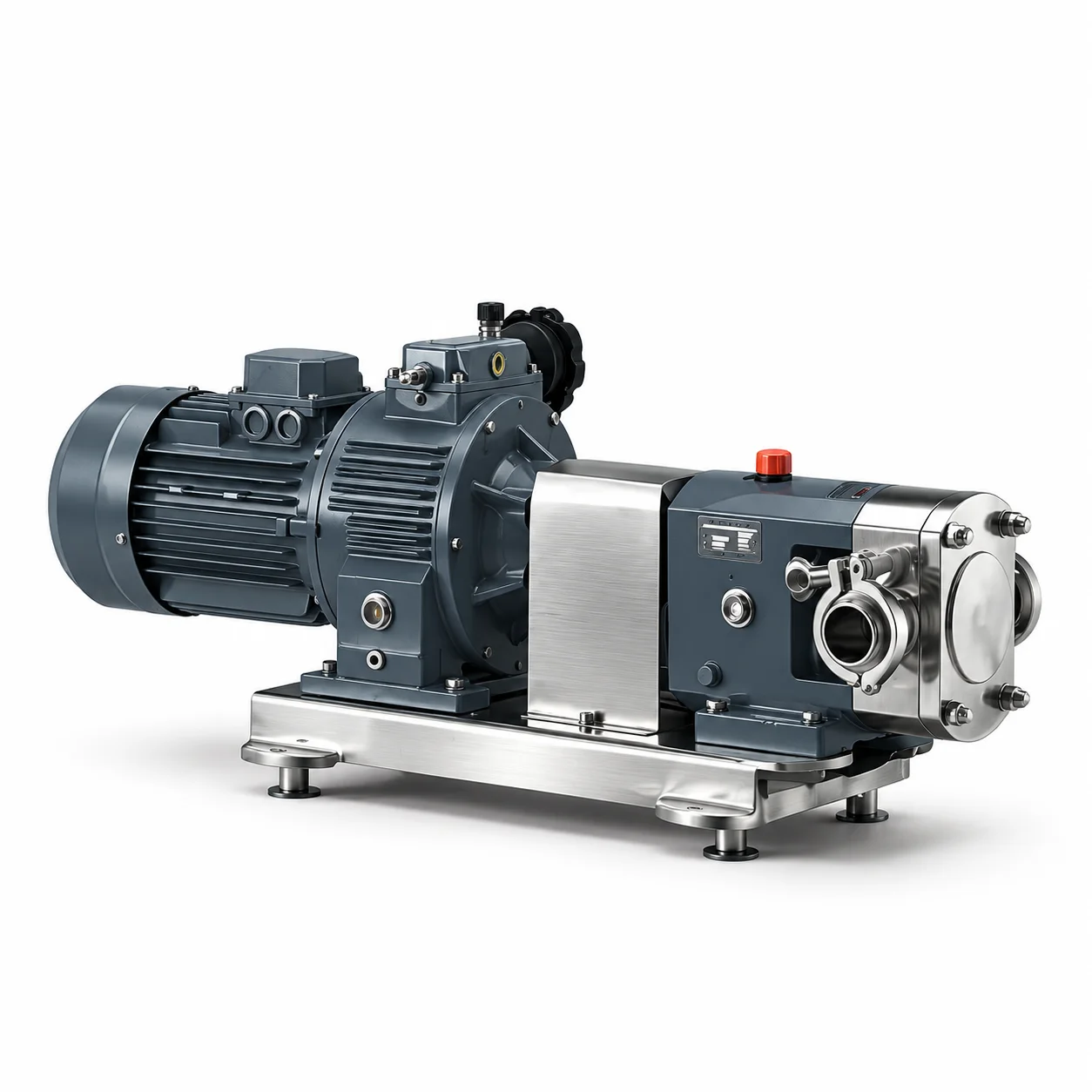
We provide a custom sanitary rotary lobe pump to move high viscosity sugar syrup from dissolving tanks to holding or blending equipment and to filling machinery. Pump and drive selection is based on the flow rate, cold start viscosity of the sugar syrup, and the layout of the piping and the cleaning process.
库存 100 件
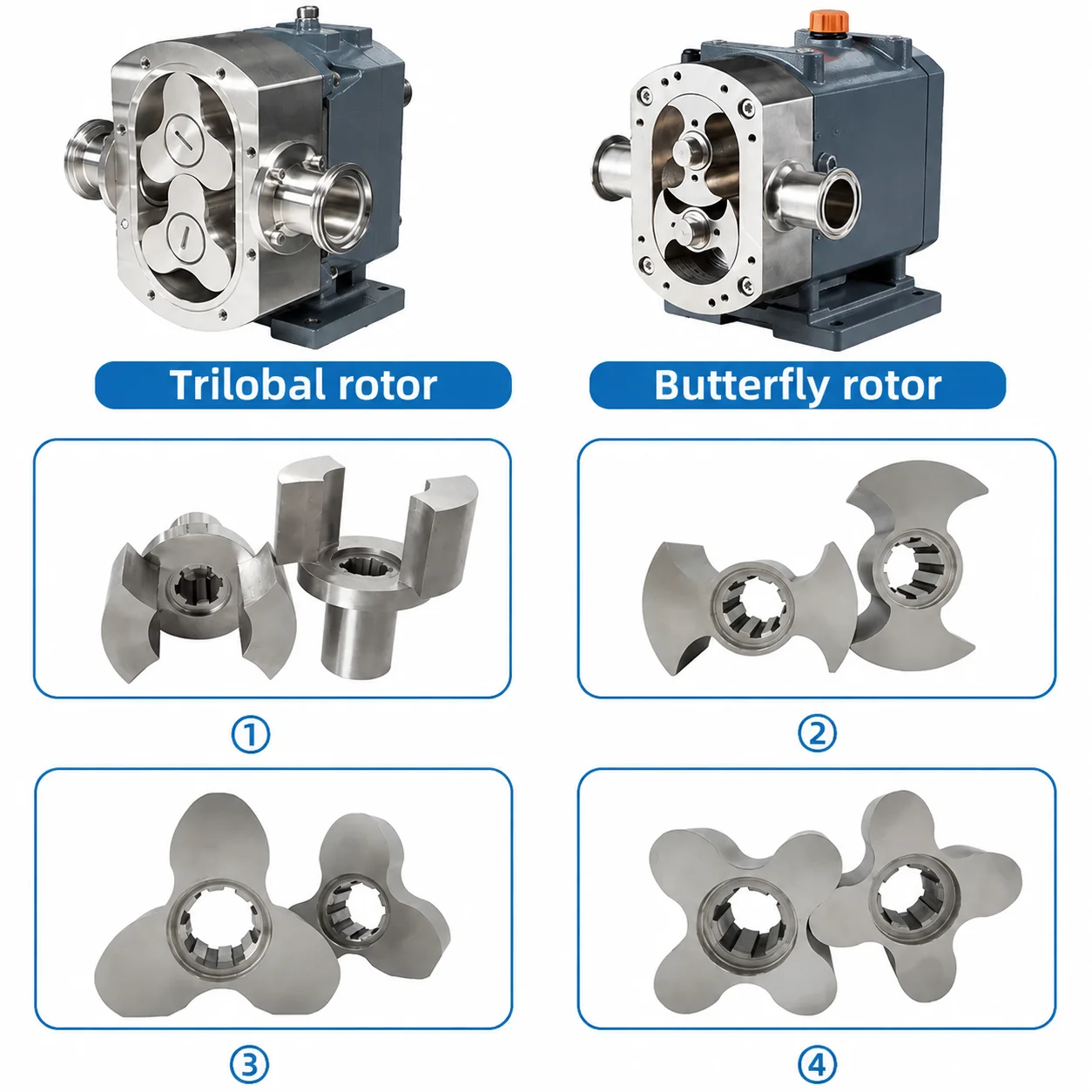
Rotor Optional
Three-Lobe Rotor
Applicable Liquids:
- Suitable for creams, liquids and sauces with low, medium and high viscosity, uniform texture and no hard granules.
- Example: Chocolate, honey, mashed potatoes and ice cream.
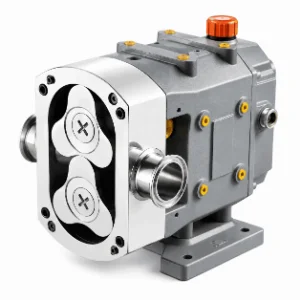
Butterfly Rotor
Applicable Liquids:
- Suitable for shear-free, non-destructive transfer of soft-grained sauces and small-particle materials.
- Example: Jam, pulp, juice, jelly and tomato sauce.
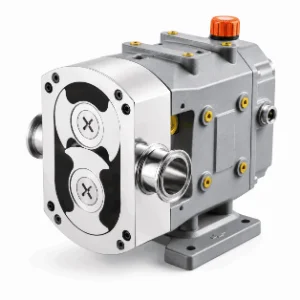
Single-Lobe Rotor
Applicable Liquids:
- Suitable for conveying materials containing larger solid particles while maintaining stable transfer.
- Example: Rock salt, chilli sauce and peanut butter.
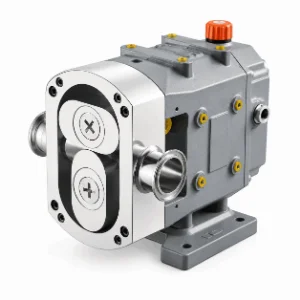
Multi-Lobe Rotor
Applicable Liquids:
- Suitable for creams, liquids and sauces with low, medium and high viscosity where higher output accuracy and smooth flow are required.
- Example: Chocolate, honey, cream, yoghurt, butter and grease.
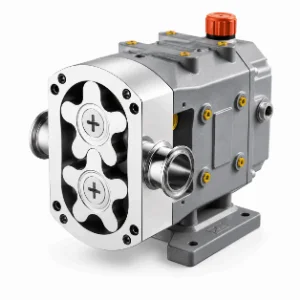
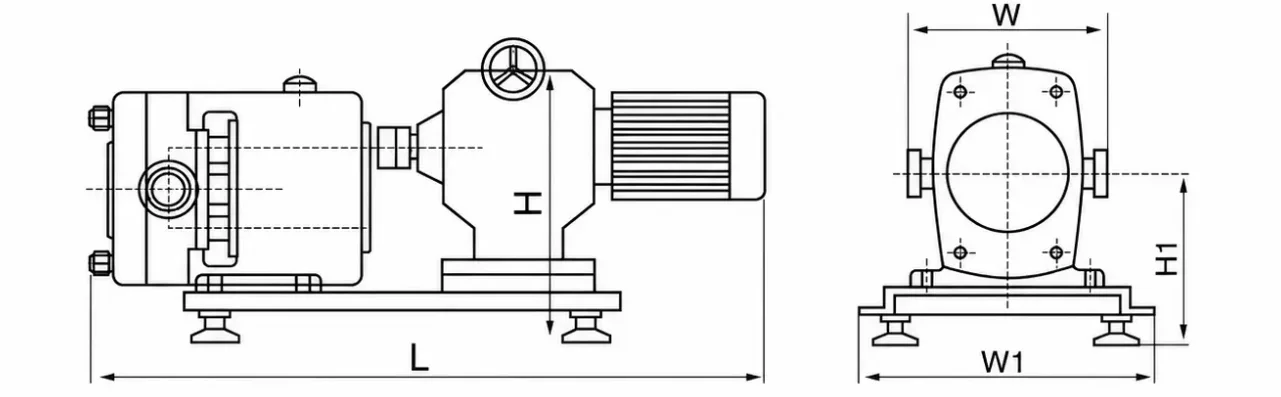
Parameter Chart
| Model | Flow per 100 Rotation |
Power (kW) |
Suggested RPM |
Capacity (L/H) |
Diameter | L | H | H1 | W | W1 | Connection Type |
|---|---|---|---|---|---|---|---|---|---|---|---|
| ZB3A-3 | 3L | 0.55 | 200-500 | 300-800 | Φ25×1.5 | 710 | 290 | 150 | 150 | 240 | Clamp / Thread / Flange |
| ZB3A-6 | 6L | 0.75 | 200-500 | 650-1600 | Φ25×1.5 | 780 | 390 | 170 | 190 | 240 | Clamp / Thread / Flange |
| ZB3A-8 | 8L | 1.5 | 200-500 | 850-2160 | Φ38×1.5 | 850 | 400 | 170 | 190 | 280 | Clamp / Thread / Flange |
| ZB3A-12 | 12L | 2.2 | 200-500 | 1300-3200 | Φ38×1.5 | 980 | 450 | 185 | 220 | 330 | Clamp / Thread / Flange |
| ZB3A-20 | 20L | 3 | 200-500 | 2100-5400 | Φ38×1.5 | 1000 | 450 | 190 | 250 | 330 | Clamp / Thread / Flange |
| ZB3A-30 | 30L | 4 | 200-500 | 3200-6400 | Φ50.8×1.5 | 1050 | 480 | 220 | 270 | 350 | Clamp / Thread / Flange |
| ZB3A-36 | 36L | 4 | 200-400 | 3800-7600 | Φ50.8×1.5 | 1100 | 490 | 220 | 270 | 360 | Clamp / Thread / Flange |
| ZB3A-52 | 52L | 5.5 | 200-400 | 5600-11000 | Φ63×1.5 | 1250 | 580 | 260 | 270 | 480 | Clamp / Thread / Flange |
| ZB3A-66 | 66L | 7.5 | 200-400 | 7100-14000 | Φ76×1.5 | 1350 | 600 | 260 | 270 | 480 | Clamp / Thread / Flange |
| ZB3A-78 | 78L | 7.5 | 200-400 | 9000-18000 | Φ76×1.5 | 1260 | 600 | 295 | 370 | 480 | Clamp / Thread / Flange |
| ZB3A-100 | 100L | 11 | 200-400 | 11000-22000 | Φ76×2 | 1320 | 670 | 295 | 370 | 480 | Clamp / Thread / Flange |
| ZB3A-135 | 135L | 15 | 200-400 | 15000-30000 | Φ89×2 | 1500 | 670 | 295 | 370 | 480 | Clamp / Thread / Flange |
| ZB3A-160 | 160L | 18.5 | 200-400 | 17000-34000 | Φ102×3 | 1500 | 720 | 320 | 420 | 560 | Clamp / Thread / Flange |
| ZB3A-200 | 200L | 22 | 200-400 | 21600-43000 | Φ102×3 | 1500 | 720 | 320 | 420 | 560 | Clamp / Thread / Flange |
| ZB3A-300 | 300L | 30 | 200-400 | 32400-64800 | Φ125×3 | 1650 | 800 | 400 | 480 | 620 | Clamp / Thread / Flange |
| ZB3A-400 | 400L | 37 | 200-400 | 43200-86400 | Φ150×3 | 1700 | 800 | 400 | 480 | 620 | Clamp / Thread / Flange |
Sanitary Rotary Lobe Pump for Sugar Syrup
Our pump is adjustable to transfer high viscosity sugar syrups typical in the food and beverage industry. Sugar syrups become very thick as they cool down and can be extremely difficult to pump. We size our rotary lobe pump to accommodate both conditions to ensure that the pump is adequate to transport the syrup throughout the process.
Principle of Operation
Two lobes, one rotating in each direction, create the pump elements to move the syrup. These lobes, when rotating apart, create a space in the casing which fills with syrup. The syrup is then transported to the outlet of the casing where the lobes close off the space and the process is repeated. Unlike a gear pump, where the gears are the elements which actually transport the syrup, with this design the lobes do the transporting.
To increase the flow of syrup through the system the rotational speed of the lobes can be increased. The actual flow rate is also impacted by the extent to which the inlet of the pump fills with syrup. With very viscous and concentrated syrups further increase in rotation speed will not enhance the flow of syrup through the system.
The rotary lobe pump should be placed immediately before the syrup holding tank to ensure that the syrup is available to feed the next stage of the process.
Even in the case of a complete batch being transferred, some syrup may remain trapped in the line in a viscous, solid form.
To minimize the amount of syrup remaining in the holding tank, the transfer rate of the pump to the blending tank should be adjusted to meet the batch demand. To further ensure accuracy, the flow of syrup from the pump to the blending vessel should also be measured.
The syrup may remain in the blending vessel for an extended period of time. Upon start up, the syrup should be removed and displaced with air to prevent damage to the pump. Before each transfer, valves should be checked to ensure they are in the fully open position.
CONFIGURATION AND TECHNICAL SPECIFICATION
Pump type is determined by the service it will provide. To fully understand the operating constraints of the pump we advise obtaining a quote from the supplier.
The liquid to be pumped is a high viscosity sugar syrup. The flow and differential pressure of the pump will also need to be determined based on the specific application. The materials of the pump seals and rotors will also need to be determined based on the liquid to be pumped and the environment in which the pump will operate. The gearbox and motor will also need to be selected to provide the required flow given the electrical service at the site. The fittings to which the pump will be connected will also need to be specified. Prior to the pump being purchased, the customer should verify that the supplier has the correct documentation to comply with any regulatory or customer specification requirements.
We determine the size of the pump based on the flow and viscosity of syrup at the minimum startup temperature.
If you don’t have the measured viscosity of the syrup, give us the concentration in degrees Brix along with the formulation and the operating temperature range of the syrup. Without measured viscosity it is difficult to predict the overall behavior of the syrup system.
What is the minimum level of liquid in the supply tank? What is the inside diameter and length of the inlet pipe? Are there any valves or strainers between the supply tank and the pump? If the inlet is not obstructed, and the layout permits it, supplying the syrup to the cavities to fill would be preferable to drawing it from many different locations. Knowing the discharge elevation, including any restrictions, helps us to determine if the pump we select will create enough pressure to move the syrup through the system.
When recommending a replacement pump we also evaluate the space available for the new pump and the alignment of the pipe with respect to the seals on the pump shaft. Is the pipe through which the syrup is being transported large enough to allow the syrup to be fully cleaned and rinsed when the vessel is cleaned? If so, at what flow rate and what temperature of the cleanout solution?
Syrup viscosity affects the torque required to start the pump and the maximum flow rate it can achieve. To change the flow rate of the syrup during processing, we can also provide a variable frequency drive with the pump.
Drive configuration is complete in the quote.
Is the sanitary pump OK to use for CIP?
Confirming the design of the pump and the cleaning process used will determine if the pump meets CIP requirements. Having a ‘sanitary’ design does not guarantee CIP compliance.
What happens if the sugar syrup crystallizes when the process is not in use?
If sugar crystals are present in the syrup or if the syrup crystallizes, we need to know to determine if there is adequate space between the rotors and seals to accommodate crystallized sugar. We also need to know the procedures used to clean and restart the system.
Would the pump be compatible to be used with the fittings currently in place?
What are the pipe connections including their nominal size? A drawing showing the fittings in relation to each other would also be helpful.
Request Pump Selection and Quote
To further assist us with the selection of a sanitary pump, please provide the syrup’s viscosity, concentration and operating temperature, the expected flow rate through the system, and the layout of the piping in your facility.

Sanitary Rotary Lobe Pump for Sugar Syrup
Our pump is adjustable to transfer high viscosity sugar syrups typical in the food and beverage industry. Sugar syrups become very thick as they cool down and can be extremely difficult to pump. We size our rotary lobe pump to accommodate both conditions to ensure that the pump is adequate to transport the syrup throughout the process.
Principle of Operation
Two lobes, one rotating in each direction, create the pump elements to move the syrup. These lobes, when rotating apart, create a space in the casing which fills with syrup. The syrup is then transported to the outlet of the casing where the lobes close off the space and the process is repeated. Unlike a gear pump, where the gears are the elements which actually transport the syrup, with this design the lobes do the transporting.
To increase the flow of syrup through the system the rotational speed of the lobes can be increased. The actual flow rate is also impacted by the extent to which the inlet of the pump fills with syrup. With very viscous and concentrated syrups further increase in rotation speed will not enhance the flow of syrup through the system.
The rotary lobe pump should be placed immediately before the syrup holding tank to ensure that the syrup is available to feed the next stage of the process.
Even in the case of a complete batch being transferred, some syrup may remain trapped in the line in a viscous, solid form.
To minimize the amount of syrup remaining in the holding tank, the transfer rate of the pump to the blending tank should be adjusted to meet the batch demand. To further ensure accuracy, the flow of syrup from the pump to the blending vessel should also be measured.
The syrup may remain in the blending vessel for an extended period of time. Upon start up, the syrup should be removed and displaced with air to prevent damage to the pump. Before each transfer, valves should be checked to ensure they are in the fully open position.
CONFIGURATION AND TECHNICAL SPECIFICATION
Pump type is determined by the service it will provide. To fully understand the operating constraints of the pump we advise obtaining a quote from the supplier.
The liquid to be pumped is a high viscosity sugar syrup. The flow and differential pressure of the pump will also need to be determined based on the specific application. The materials of the pump seals and rotors will also need to be determined based on the liquid to be pumped and the environment in which the pump will operate. The gearbox and motor will also need to be selected to provide the required flow given the electrical service at the site. The fittings to which the pump will be connected will also need to be specified. Prior to the pump being purchased, the customer should verify that the supplier has the correct documentation to comply with any regulatory or customer specification requirements.
We determine the size of the pump based on the flow and viscosity of syrup at the minimum startup temperature.
If you don’t have the measured viscosity of the syrup, give us the concentration in degrees Brix along with the formulation and the operating temperature range of the syrup. Without measured viscosity it is difficult to predict the overall behavior of the syrup system.
What is the minimum level of liquid in the supply tank? What is the inside diameter and length of the inlet pipe? Are there any valves or strainers between the supply tank and the pump? If the inlet is not obstructed, and the layout permits it, supplying the syrup to the cavities to fill would be preferable to drawing it from many different locations. Knowing the discharge elevation, including any restrictions, helps us to determine if the pump we select will create enough pressure to move the syrup through the system.
When recommending a replacement pump we also evaluate the space available for the new pump and the alignment of the pipe with respect to the seals on the pump shaft. Is the pipe through which the syrup is being transported large enough to allow the syrup to be fully cleaned and rinsed when the vessel is cleaned? If so, at what flow rate and what temperature of the cleanout solution?
Syrup viscosity affects the torque required to start the pump and the maximum flow rate it can achieve. To change the flow rate of the syrup during processing, we can also provide a variable frequency drive with the pump.
Drive configuration is complete in the quote.
Is the sanitary pump OK to use for CIP?
Confirming the design of the pump and the cleaning process used will determine if the pump meets CIP requirements. Having a ‘sanitary’ design does not guarantee CIP compliance.
What happens if the sugar syrup crystallizes when the process is not in use?
If sugar crystals are present in the syrup or if the syrup crystallizes, we need to know to determine if there is adequate space between the rotors and seals to accommodate crystallized sugar. We also need to know the procedures used to clean and restart the system.
Would the pump be compatible to be used with the fittings currently in place?
What are the pipe connections including their nominal size? A drawing showing the fittings in relation to each other would also be helpful.
Request Pump Selection and Quote
To further assist us with the selection of a sanitary pump, please provide the syrup’s viscosity, concentration and operating temperature, the expected flow rate through the system, and the layout of the piping in your facility.

MAECENAS IACULIS
Vestibulum curae torquent diam diam commodo parturient penatibus nunc dui adipiscing convallis bulum parturient suspendisse parturient a.Parturient in parturient scelerisque nibh lectus quam a natoque adipiscing a vestibulum hendrerit et pharetra fames nunc natoque dui.
ADIPISCING CONVALLIS BULUM
- Vestibulum penatibus nunc dui adipiscing convallis bulum parturient suspendisse.
- Abitur parturient praesent lectus quam a natoque adipiscing a vestibulum hendre.
- Diam parturient dictumst parturient scelerisque nibh lectus.
Scelerisque adipiscing bibendum sem vestibulum et in a a a purus lectus faucibus lobortis tincidunt purus lectus nisl class eros.Condimentum a et ullamcorper dictumst mus et tristique elementum nam inceptos hac parturient scelerisque vestibulum amet elit ut volutpat.