Food-Grade Positive Displacement Pump for Honey & Chocolate
$2,678.31 原价为:$2,678.31。$1,928.70当前价格为:$1,928.70。
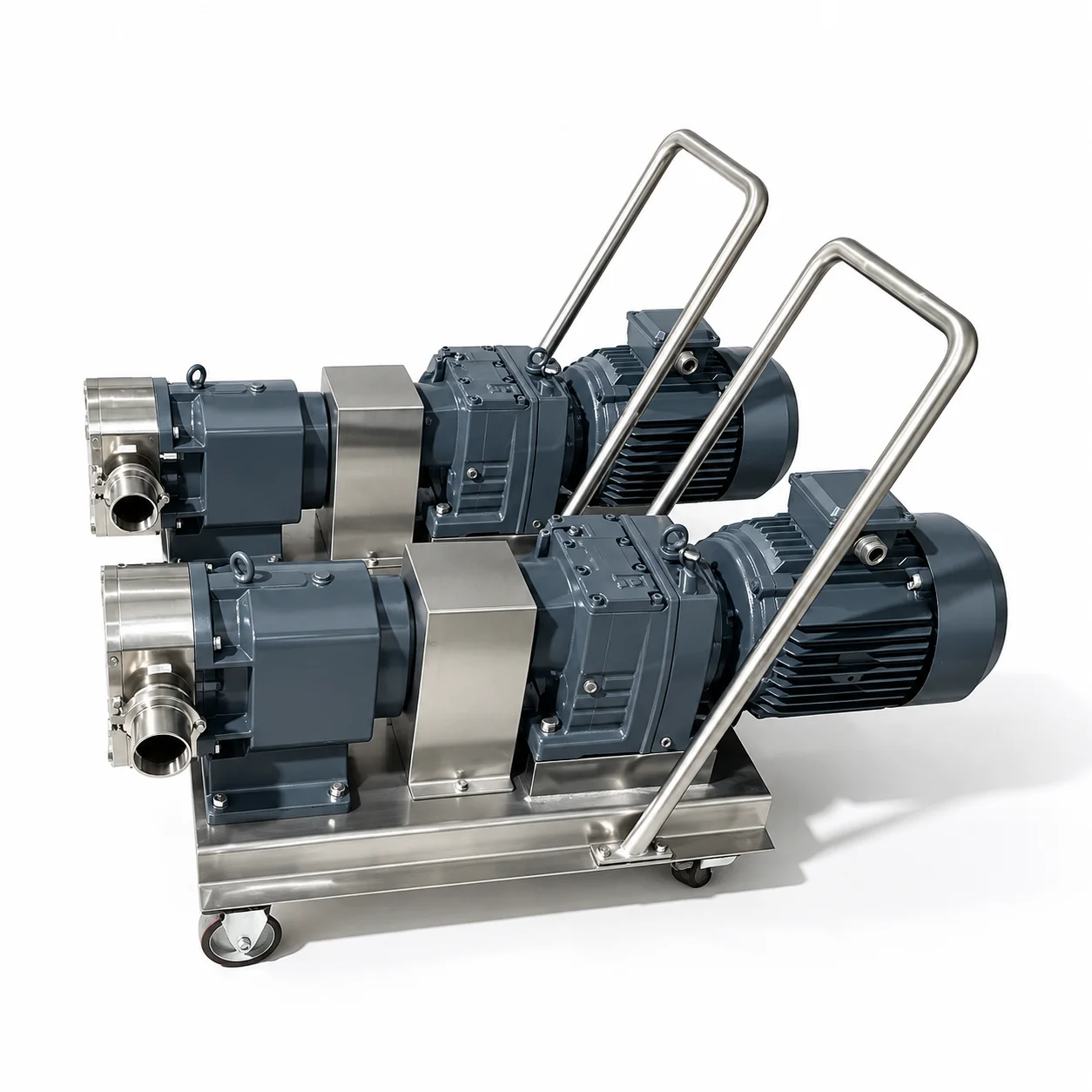
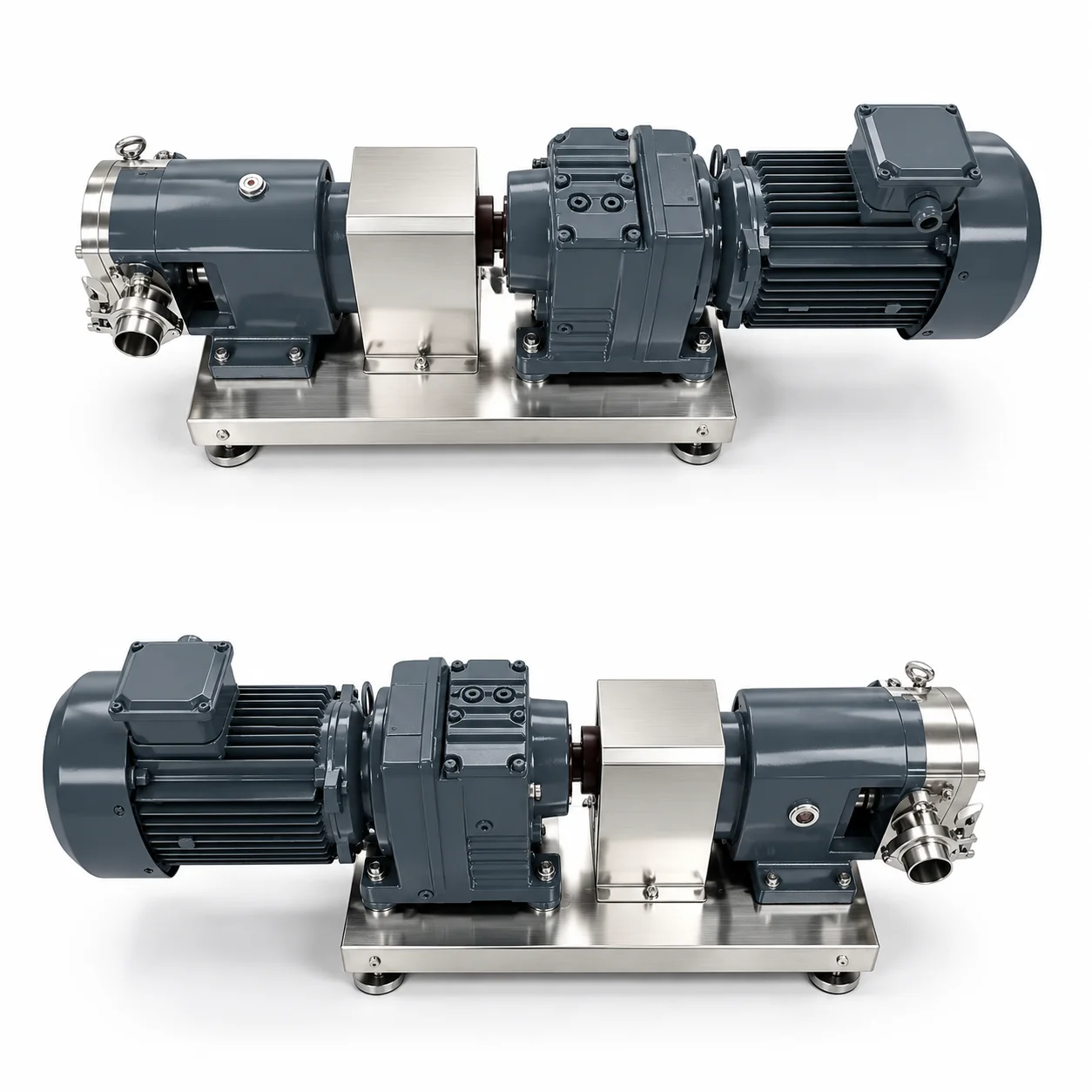
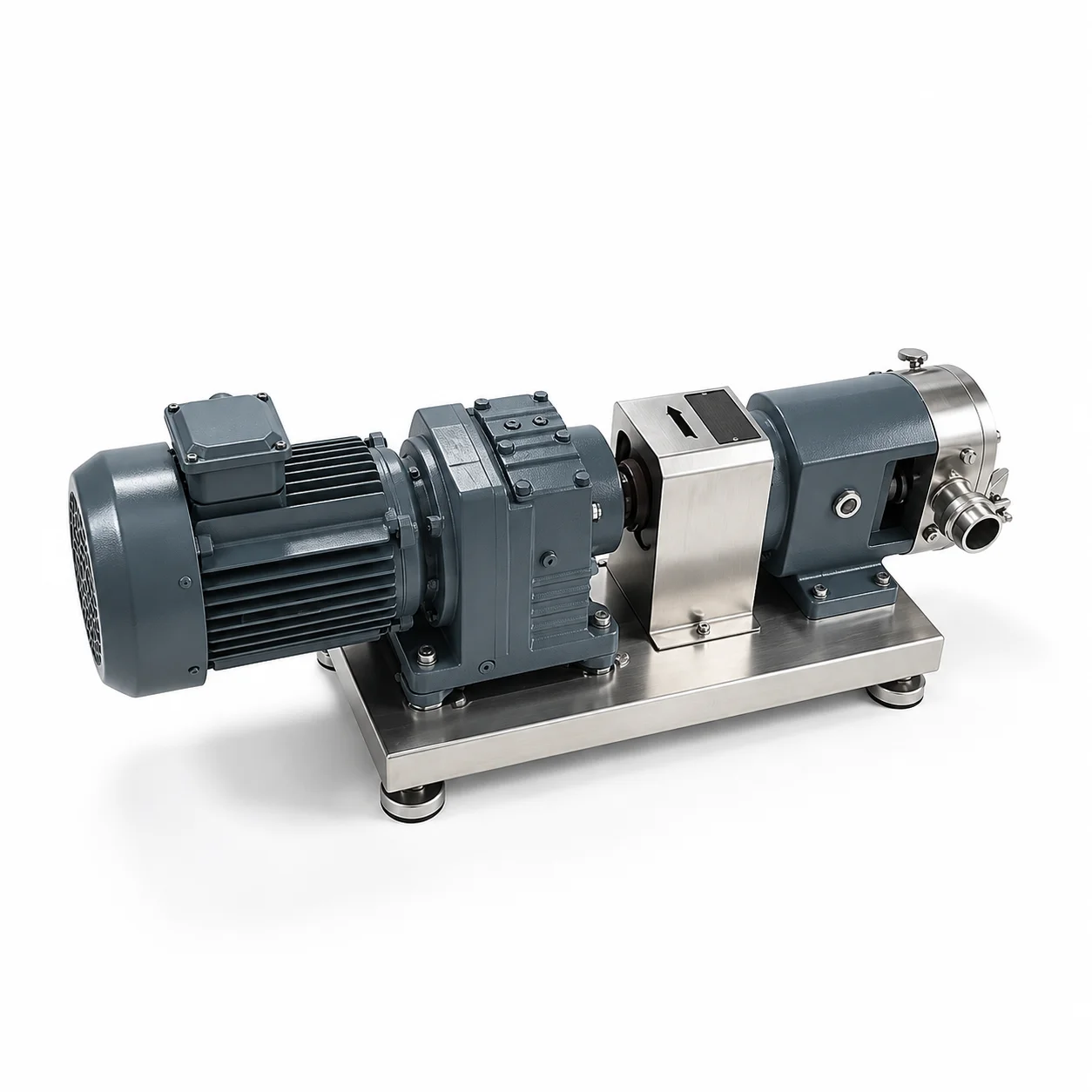
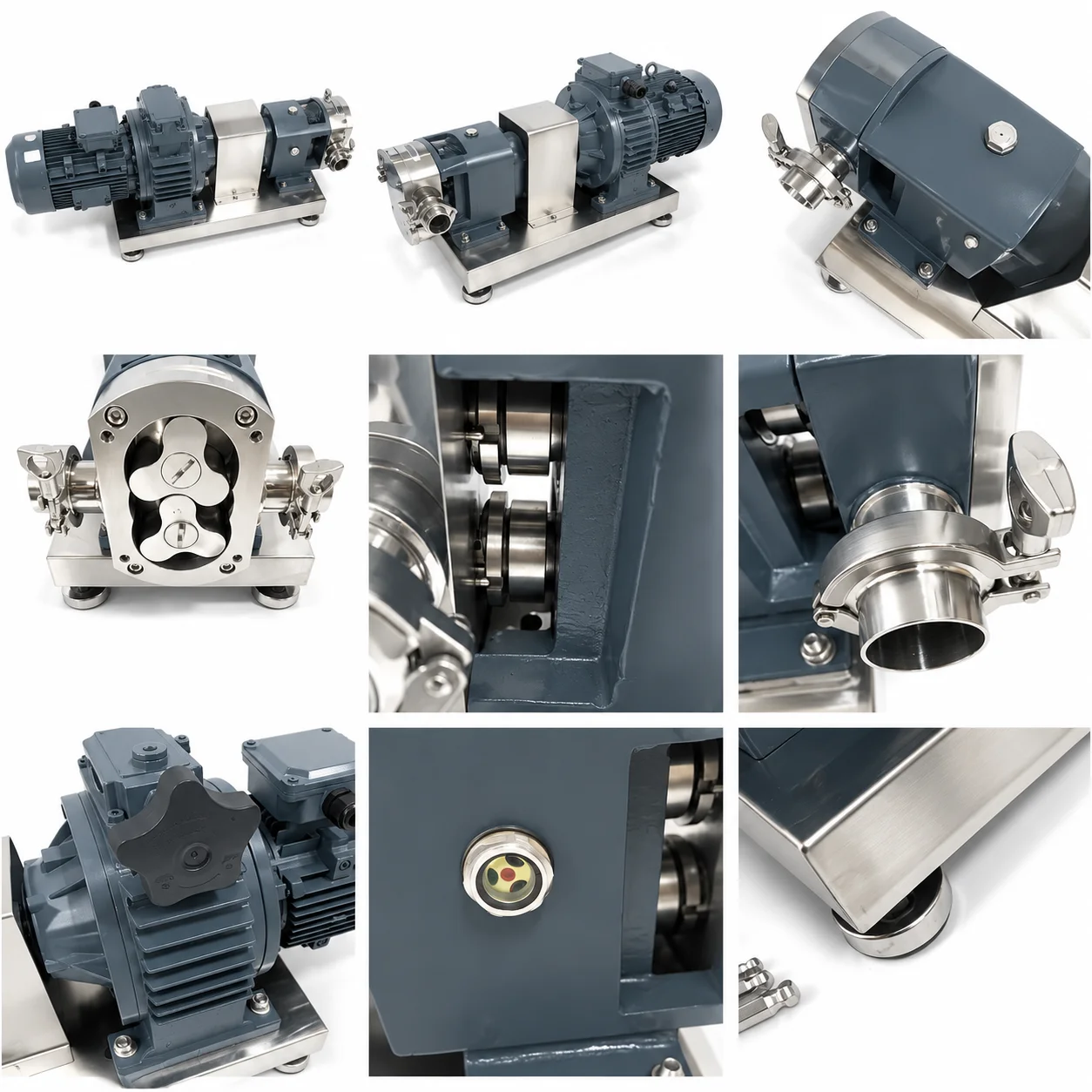
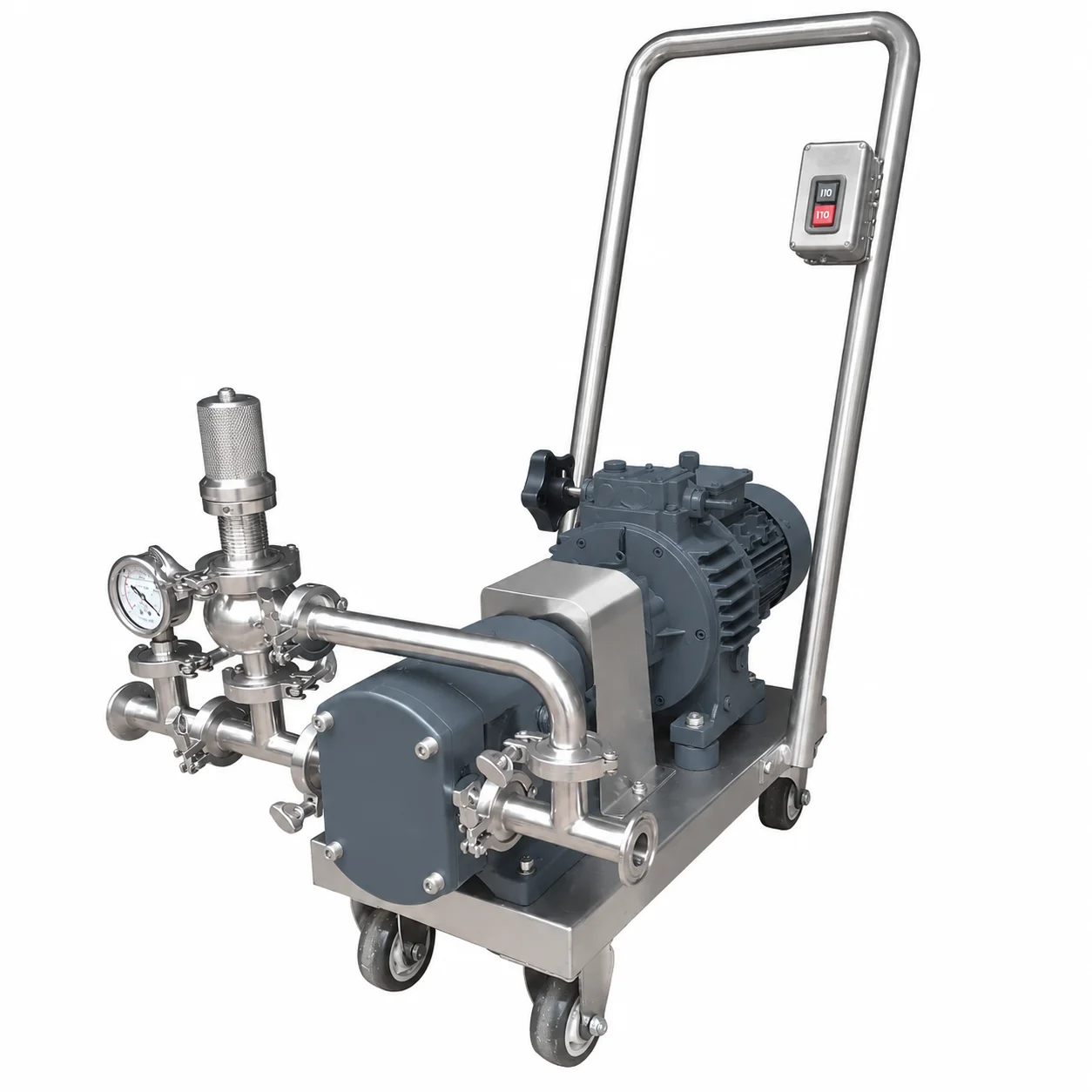
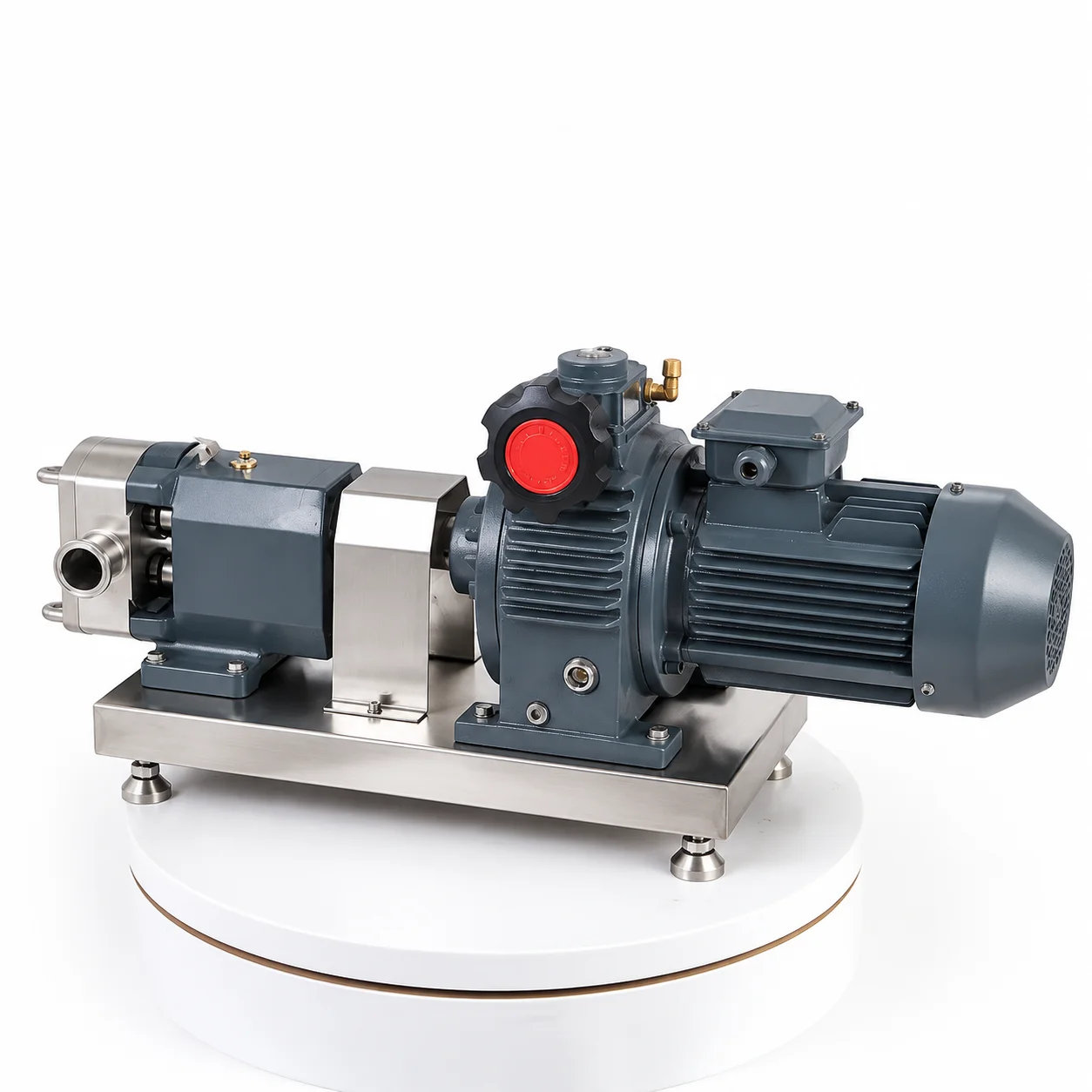
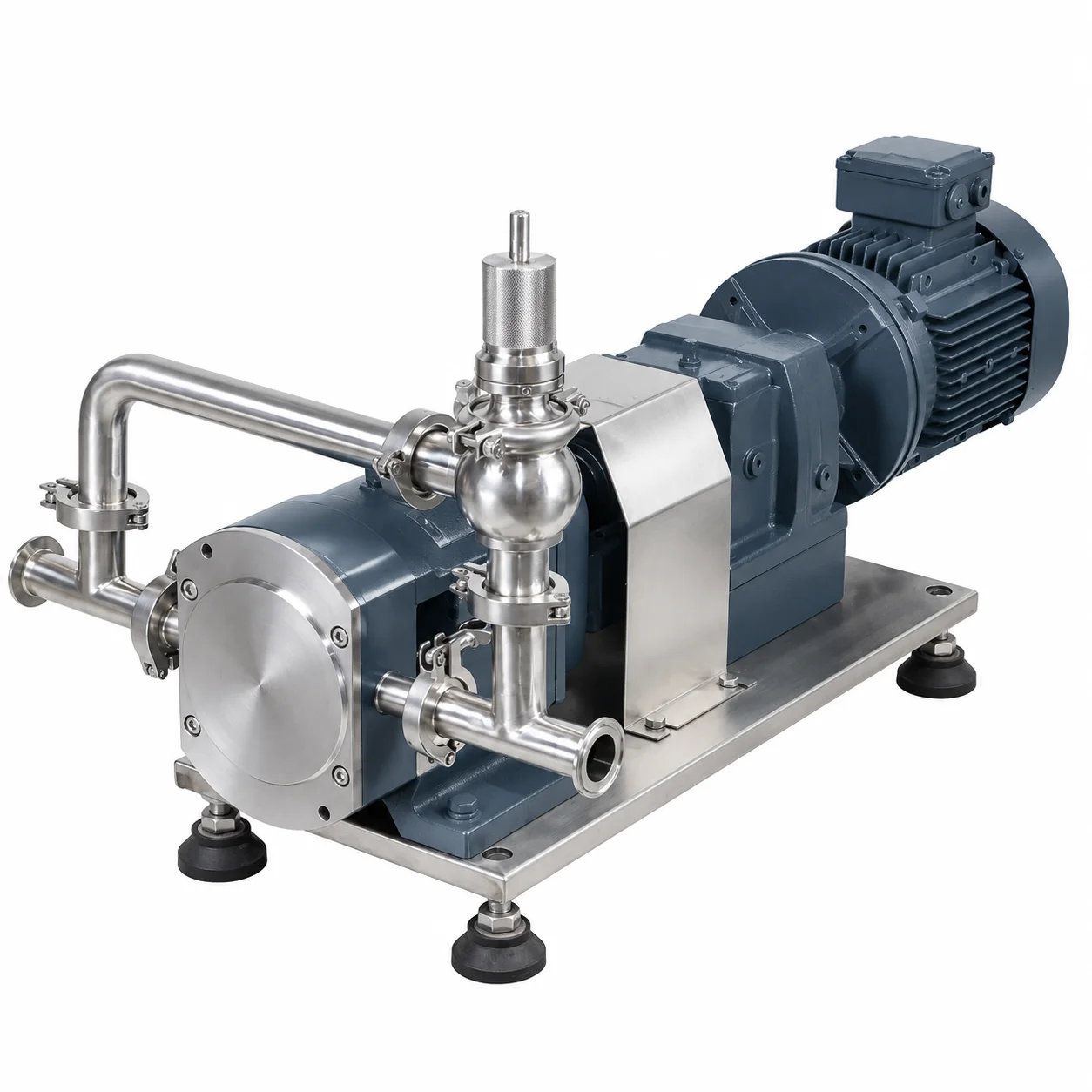
We manufacture food-grade positive displacement pumps for transferring honey, chocolate, glucose and molasses, as well as other similar products, in processing and filling equipment. Let us know the characteristics of your product including temperature, viscosity, flow rate and pressure. Based on this information we can recommend the most appropriate configuration of the pump to meet your requirements.
库存 100 件
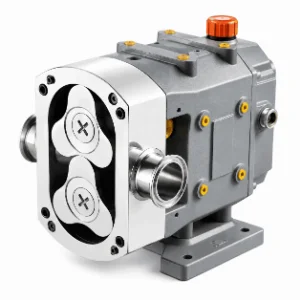
Rotor Optional
Three-Lobe Rotor
Applicable Liquids:
- Suitable for creams, liquids and sauces with low, medium and high viscosity, uniform texture and no hard granules.
- Example: Chocolate, honey, mashed potatoes and ice cream.
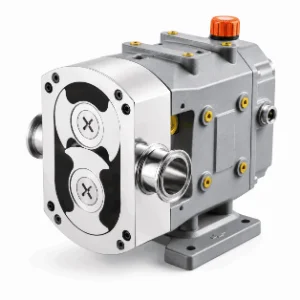
Butterfly Rotor
Applicable Liquids:
- Suitable for shear-free, non-destructive transfer of soft-grained sauces and small-particle materials.
- Example: Jam, pulp, juice, jelly and tomato sauce.
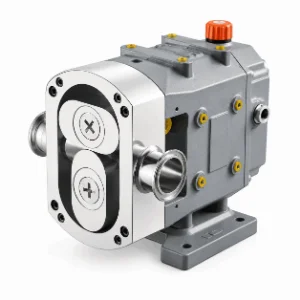
Single-Lobe Rotor
Applicable Liquids:
- Suitable for conveying materials containing larger solid particles while maintaining stable transfer.
- Example: Rock salt, chilli sauce and peanut butter.
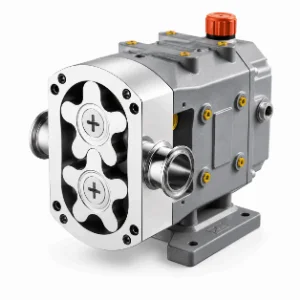
Multi-Lobe Rotor
Applicable Liquids:
- Suitable for creams, liquids and sauces with low, medium and high viscosity where higher output accuracy and smooth flow are required.
- Example: Chocolate, honey, cream, yoghurt, butter and grease.
Parameter Chart
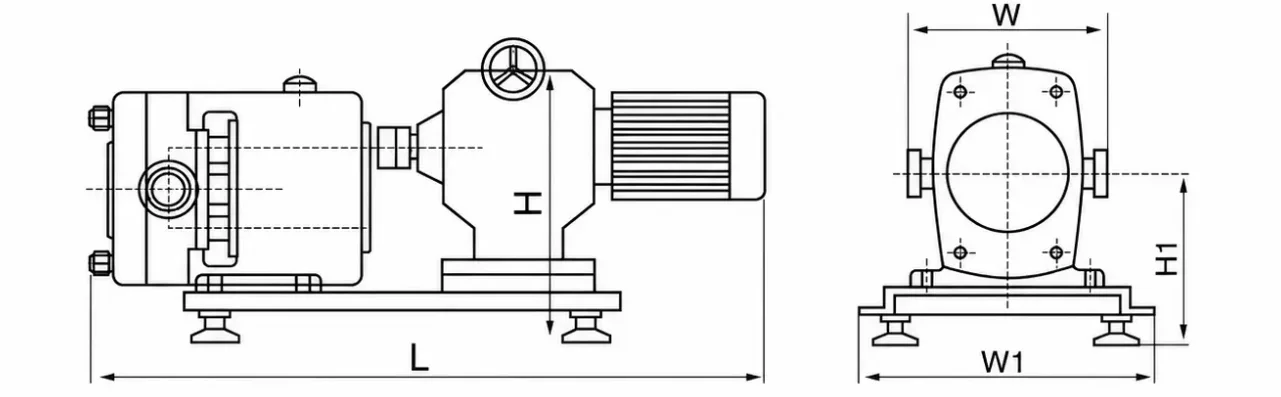
| Model | Flow per 100 Rotation |
Power (kW) |
Suggested RPM |
Capacity (L/H) |
Diameter | L | H | H1 | W | W1 | Connection Type |
|---|---|---|---|---|---|---|---|---|---|---|---|
| ZB3A-3 | 3L | 0.55 | 200-500 | 300-800 | Φ25×1.5 | 710 | 290 | 150 | 150 | 240 | Clamp / Thread / Flange |
| ZB3A-6 | 6L | 0.75 | 200-500 | 650-1600 | Φ25×1.5 | 780 | 390 | 170 | 190 | 240 | Clamp / Thread / Flange |
| ZB3A-8 | 8L | 1.5 | 200-500 | 850-2160 | Φ38×1.5 | 850 | 400 | 170 | 190 | 280 | Clamp / Thread / Flange |
| ZB3A-12 | 12L | 2.2 | 200-500 | 1300-3200 | Φ38×1.5 | 980 | 450 | 185 | 220 | 330 | Clamp / Thread / Flange |
| ZB3A-20 | 20L | 3 | 200-500 | 2100-5400 | Φ38×1.5 | 1000 | 450 | 190 | 250 | 330 | Clamp / Thread / Flange |
| ZB3A-30 | 30L | 4 | 200-500 | 3200-6400 | Φ50.8×1.5 | 1050 | 480 | 220 | 270 | 350 | Clamp / Thread / Flange |
| ZB3A-36 | 36L | 4 | 200-400 | 3800-7600 | Φ50.8×1.5 | 1100 | 490 | 220 | 270 | 360 | Clamp / Thread / Flange |
| ZB3A-52 | 52L | 5.5 | 200-400 | 5600-11000 | Φ63×1.5 | 1250 | 580 | 260 | 270 | 480 | Clamp / Thread / Flange |
| ZB3A-66 | 66L | 7.5 | 200-400 | 7100-14000 | Φ76×1.5 | 1350 | 600 | 260 | 270 | 480 | Clamp / Thread / Flange |
| ZB3A-78 | 78L | 7.5 | 200-400 | 9000-18000 | Φ76×1.5 | 1260 | 600 | 295 | 370 | 480 | Clamp / Thread / Flange |
| ZB3A-100 | 100L | 11 | 200-400 | 11000-22000 | Φ76×2 | 1320 | 670 | 295 | 370 | 480 | Clamp / Thread / Flange |
| ZB3A-135 | 135L | 15 | 200-400 | 15000-30000 | Φ89×2 | 1500 | 670 | 295 | 370 | 480 | Clamp / Thread / Flange |
| ZB3A-160 | 160L | 18.5 | 200-400 | 17000-34000 | Φ102×3 | 1500 | 720 | 320 | 420 | 560 | Clamp / Thread / Flange |
| ZB3A-200 | 200L | 22 | 200-400 | 21600-43000 | Φ102×3 | 1500 | 720 | 320 | 420 | 560 | Clamp / Thread / Flange |
| ZB3A-300 | 300L | 30 | 200-400 | 32400-64800 | Φ125×3 | 1650 | 800 | 400 | 480 | 620 | Clamp / Thread / Flange |
| ZB3A-400 | 400L | 37 | 200-400 | 43200-86400 | Φ150×3 | 1700 | 800 | 400 | 480 | 620 | Clamp / Thread / Flange |
Our positive displacement pump can move viscous food products such as honey, chocolate, glucose, and molasses. Certain foods can be sensitive to temperature and may have fluctuating flow characteristics. For best results, the equipment should be chosen considering the product’s temperature and viscosity.
The pump is labeled ‘food grade,’ but to give more information on the type of materials used in construction, seals, and the method used to clean the pump prior to shipment would also be helpful. We would be happy to advise you on the best design to use prior to production to ensure the pump will be suitable for your application.
Positive displacement pumps enclose and transport a given amount of fluid to the outlet of the pump. Centrifugal pumps are more effective to move the majority of liquids and some gases, but positive displacement pumps are more appropriate to use with certain viscous liquids. Flow of a positive displacement pump is determined by its speed of rotation. The actual volume of fluid transferred is dependent on various factors including the properties of the liquid being transferred and the system in which the pump is operating.
When transferring honey or other foods listed above, it is just as important to select the right inlet piping to ensure continuous and free flow to the pump. Long, thin and constricted inlet lines can negatively impact the pump’s ability to suck in the product.
Chocolate, like ice cream, also must be kept at a certain temperature to prevent it from becoming too stiff to handle.
Key Features and Process Benefits
Positive displacement transfer: The pump can transfer small quantities of chocolate or other viscous products.
Food Processing: This pump can be used to transfer honey, liquid chocolate, glucose and molasses.
Process Integration: The pump can be installed on a production line to transfer product between tanks and to packaging machines.
Pump configuration should be determined based on the properties of the product to be conveyed. The configuration should also be selected to give the required flow rate and pressure for the process.
The pump can be used to transfer honey from storage to blending tanks. In the production of chocolate, the pump can be used to move liquid chocolate to various process vessels or to packaging machines. Prior to start up of the system, it may be necessary to warm the lines to liquify the chocolate to ensure product flows through the system.
Changes in ambient conditions may affect the flow of glucose through the system requiring the use of a higher viscosity pump.
We suggest reviewing the expected operating temperatures of the product, expected viscosity of the product being transferred, length of the transfer line and any elevation changes, as well as the equipment downstream of the pump prior to finalizing any configuration.
Technical Information and Configuration
Positive displacement pumps have been designed to transfer honey, chocolate, glucose and molasses. To confirm the materials of construction contact us to request the safety data sheets. The limiting factors for use of the pump should also be determined prior to specifying the pump. The pump should be configured to the users specific requirements.
Duration of use, flow rate and discharge pressure should also be determined. During the design stage of the pump the size of the inlet and outlet of the pump should also be specified. The pump should also be configured with the appropriate seals and drive. The pump should also be designed to be easily disassembled to allow for cleaning.
We have been assisting customers to adequately define the duty of the pump prior to specifying a particular configuration. Some of the factors to be considered include the type of product transferred, operating temperature, length of transfer line and the cleaning procedure implemented at the facility.
To select the correct pump for your application provide the following information:
- Name of the product and expected viscosity of the product during transfer.
- Expected flow rate and discharge pressure.
- Length of suction line and fittings.
- User requirements for product contact materials and safety data sheets.
- Cleaning procedure.
- Required power and voltage.
- Desired orientation of the pump during use.
What products can this pump transfer? As stated in the product title, this pump can transfer honey, chocolate, glucose and molasses.
To fully assess the applicability of this product to your process, additional information is required. From what has been provided, it would appear that the temperature and viscosity of the product to be transferred would need to be within certain limits.
Positive displacement pumps are generally employed to move fluids with higher viscosities. Final determination as to the applicability of the pump for the transfer of honey must be assessed based on the required flow and pressure, condition of the honey to be transferred, design of the honey inlet and configuration of the pump.
This pump may also be used to transfer chocolate. As with honey, the users of the pump must be certain that the materials and seals used in the pump are compatible with the product to be transferred.
When a pump is labeled ‘food grade’ this generally implies that all of the materials used to come in contact with the food do not impart any undesirable characteristics on the food. No verification of this claim should be assumed to be correct. The user should request documentation to verify this.
The expected flow rate and discharge pressure of the pump must be determined based on the specific process. These should be supplied to the pump manufacturer to determine the appropriate pump configuration.
To get a quotation for this product the pump manufacturer would need to know the process temperature and the flow and pressure requirements. The user must also indicate the electrical service available at the location of the pump, the means of connection to and from the pump.
More information on your process is needed to fully evaluate the transfer of honey, chocolate, glucose and molasses.

Our positive displacement pump can move viscous food products such as honey, chocolate, glucose, and molasses. Certain foods can be sensitive to temperature and may have fluctuating flow characteristics. For best results, the equipment should be chosen considering the product’s temperature and viscosity.
The pump is labeled ‘food grade,’ but to give more information on the type of materials used in construction, seals, and the method used to clean the pump prior to shipment would also be helpful. We would be happy to advise you on the best design to use prior to production to ensure the pump will be suitable for your application.
Positive displacement pumps enclose and transport a given amount of fluid to the outlet of the pump. Centrifugal pumps are more effective to move the majority of liquids and some gases, but positive displacement pumps are more appropriate to use with certain viscous liquids. Flow of a positive displacement pump is determined by its speed of rotation. The actual volume of fluid transferred is dependent on various factors including the properties of the liquid being transferred and the system in which the pump is operating.
When transferring honey or other foods listed above, it is just as important to select the right inlet piping to ensure continuous and free flow to the pump. Long, thin and constricted inlet lines can negatively impact the pump’s ability to suck in the product.
Chocolate, like ice cream, also must be kept at a certain temperature to prevent it from becoming too stiff to handle.
Key Features and Process Benefits
Positive displacement transfer: The pump can transfer small quantities of chocolate or other viscous products.
Food Processing: This pump can be used to transfer honey, liquid chocolate, glucose and molasses.
Process Integration: The pump can be installed on a production line to transfer product between tanks and to packaging machines.
Pump configuration should be determined based on the properties of the product to be conveyed. The configuration should also be selected to give the required flow rate and pressure for the process.
The pump can be used to transfer honey from storage to blending tanks. In the production of chocolate, the pump can be used to move liquid chocolate to various process vessels or to packaging machines. Prior to start up of the system, it may be necessary to warm the lines to liquify the chocolate to ensure product flows through the system.
Changes in ambient conditions may affect the flow of glucose through the system requiring the use of a higher viscosity pump.
We suggest reviewing the expected operating temperatures of the product, expected viscosity of the product being transferred, length of the transfer line and any elevation changes, as well as the equipment downstream of the pump prior to finalizing any configuration.
Technical Information and Configuration
Positive displacement pumps have been designed to transfer honey, chocolate, glucose and molasses. To confirm the materials of construction contact us to request the safety data sheets. The limiting factors for use of the pump should also be determined prior to specifying the pump. The pump should be configured to the users specific requirements.
Duration of use, flow rate and discharge pressure should also be determined. During the design stage of the pump the size of the inlet and outlet of the pump should also be specified. The pump should also be configured with the appropriate seals and drive. The pump should also be designed to be easily disassembled to allow for cleaning.
We have been assisting customers to adequately define the duty of the pump prior to specifying a particular configuration. Some of the factors to be considered include the type of product transferred, operating temperature, length of transfer line and the cleaning procedure implemented at the facility.
To select the correct pump for your application provide the following information:
- Name of the product and expected viscosity of the product during transfer.
- Expected flow rate and discharge pressure.
- Length of suction line and fittings.
- User requirements for product contact materials and safety data sheets.
- Cleaning procedure.
- Required power and voltage.
- Desired orientation of the pump during use.
What products can this pump transfer? As stated in the product title, this pump can transfer honey, chocolate, glucose and molasses.
To fully assess the applicability of this product to your process, additional information is required. From what has been provided, it would appear that the temperature and viscosity of the product to be transferred would need to be within certain limits.
Positive displacement pumps are generally employed to move fluids with higher viscosities. Final determination as to the applicability of the pump for the transfer of honey must be assessed based on the required flow and pressure, condition of the honey to be transferred, design of the honey inlet and configuration of the pump.
This pump may also be used to transfer chocolate. As with honey, the users of the pump must be certain that the materials and seals used in the pump are compatible with the product to be transferred.
When a pump is labeled ‘food grade’ this generally implies that all of the materials used to come in contact with the food do not impart any undesirable characteristics on the food. No verification of this claim should be assumed to be correct. The user should request documentation to verify this.
The expected flow rate and discharge pressure of the pump must be determined based on the specific process. These should be supplied to the pump manufacturer to determine the appropriate pump configuration.
To get a quotation for this product the pump manufacturer would need to know the process temperature and the flow and pressure requirements. The user must also indicate the electrical service available at the location of the pump, the means of connection to and from the pump.
More information on your process is needed to fully evaluate the transfer of honey, chocolate, glucose and molasses.

MAECENAS IACULIS
Vestibulum curae torquent diam diam commodo parturient penatibus nunc dui adipiscing convallis bulum parturient suspendisse parturient a.Parturient in parturient scelerisque nibh lectus quam a natoque adipiscing a vestibulum hendrerit et pharetra fames nunc natoque dui.
ADIPISCING CONVALLIS BULUM
- Vestibulum penatibus nunc dui adipiscing convallis bulum parturient suspendisse.
- Abitur parturient praesent lectus quam a natoque adipiscing a vestibulum hendre.
- Diam parturient dictumst parturient scelerisque nibh lectus.
Scelerisque adipiscing bibendum sem vestibulum et in a a a purus lectus faucibus lobortis tincidunt purus lectus nisl class eros.Condimentum a et ullamcorper dictumst mus et tristique elementum nam inceptos hac parturient scelerisque vestibulum amet elit ut volutpat.